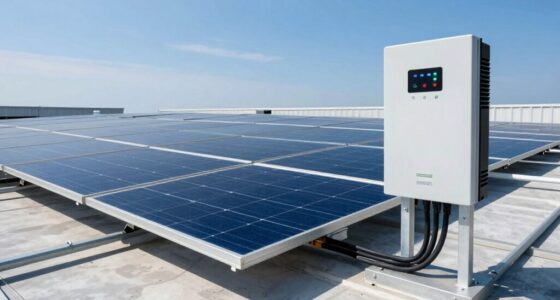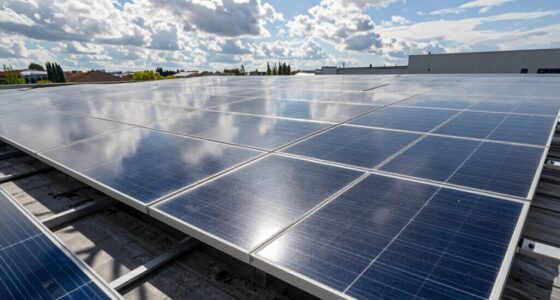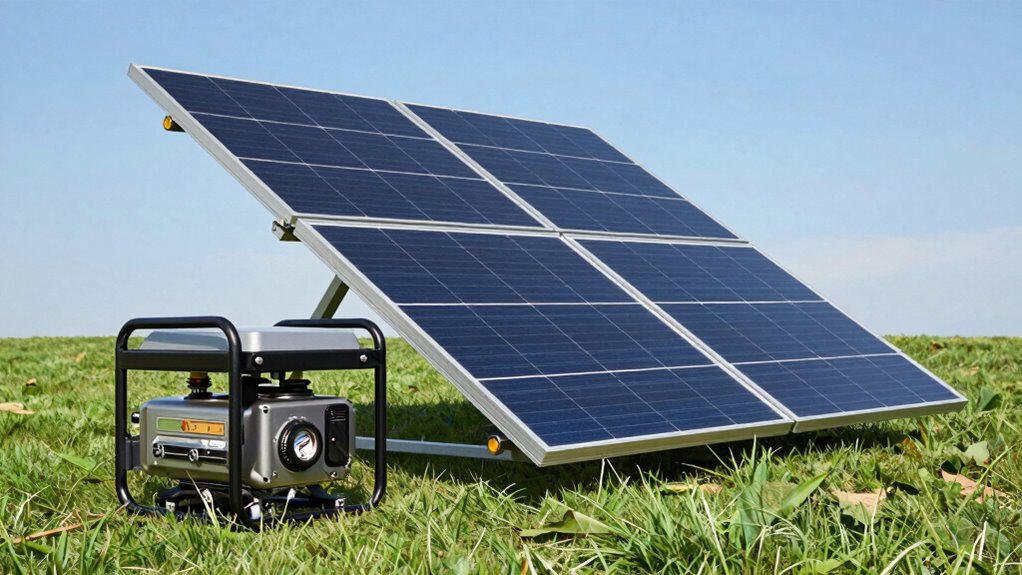

A solar backup system can replace a small gas generator for short-term emergencies, especially if you prioritize quiet operation and low maintenance. Solar systems run silently and require minimal ongoing care, making them ideal for noise-sensitive areas. However, their effectiveness depends on sunlight and battery capacity, which limit how long you can power essential devices. For longer outages, a gas generator might still be necessary. To discover if solar backups fit your needs, keep exploring the options.

Get backup power and energy gear delivered free with Prime
- Fast, free delivery on millions of items
- Prime Video, Amazon Music and more included
- Member-only deals all year
Key Takeaways
- Solar backups are silent and low-maintenance but depend on sunlight and battery capacity, limiting their ability to run continuously during long outages.
- Gas generators provide reliable, continuous power regardless of weather, making them more suitable for extended emergencies.
- Modern solar batteries can store energy for several hours, enough for short-term outages, but may not sustain prolonged power needs.
- Solar systems require proper sizing and management to meet essential load demands during emergencies.
- Combining solar backups with small gas generators offers a balanced approach for reliability and quiet operation in emergencies.

When choosing a backup power source, understanding the differences between solar backups and gas generators is vital. Solar backups rely on solar panels and batteries to store energy, while gas generators burn fuel to produce electricity. If you’re evaluating whether a solar backup can replace a small gas generator during emergencies, it’s important to consider your power needs, environmental impact, and practical limitations.
One of the key advantages of solar backups is their quiet operation. Unlike gas generators, which can be loud and disturb your peace during outages, solar systems produce minimal noise, making them suitable for use in quiet neighborhoods or near sensitive environments. Noise pollution is a significant concern with gas generators, especially during prolonged outages when the generator runs continuously. Solar systems, on the other hand, operate silently, offering a more discreet solution for emergency power.
Battery longevity is another vital factor. Modern batteries used in solar backups tend to last many years with proper care, often exceeding a decade. This means you won’t need frequent replacements, and maintenance is relatively straightforward. Gas generators, however, require regular servicing, fuel storage, and maintenance to keep them operational. Over time, the cost and effort involved in maintaining a gas generator can add up, making solar backups a more cost-effective and low-maintenance option in the long run.
However, solar backups have limitations that may prevent them from fully replacing small gas generators in emergencies. Solar energy depends on sunlight, so during cloudy days or at night, your stored energy becomes essential. The capacity of your batteries limits how long you can run essential appliances, which can be a concern if the outage extends beyond the battery’s capacity. Gas generators don’t rely on weather conditions and can produce power continuously as long as you have fuel, providing a reliable backup during extended outages.
Additionally, the efficiency of a solar backup system can be influenced by the quality of the components, which affects overall performance and reliability. While solar backups excel in quiet operation and low maintenance, they require planning around energy storage and capacity. Proper system sizing and energy management are crucial to maximize solar backup effectiveness. It’s also important to consider the availability of sunlight in your location, as this impacts system performance. Properly understanding solar energy production and how it varies can help you better align your expectations and backup strategy. Furthermore, advancements in battery technologies continue to improve the energy storage capabilities of solar backups, making them more viable for various needs. Ultimately, whether a solar backup can replace a small gas generator depends on your specific needs, how long outages typically last, and your willingness to manage batteries and sunlight dependencies. For short-term outages or situations where noise and maintenance matter, solar can be a compelling alternative. But for extended, unpredictable outages, a gas generator’s reliability might still be necessary.
As an affiliate, we earn on qualifying purchases.
Frequently Asked Questions
How Long Can a Solar Backup Power My Home During an Outage?
During an outage, a solar backup can power your home for varying durations depending on its battery capacity and weather resilience. If you have a high-capacity battery and sunny weather, it might last days, but cloudy or stormy conditions reduce effectiveness. To maximize backup time, consider your energy consumption and guarantee your system is designed for weather resilience, giving you reliable power when you need it most.
What Is the Initial Cost Comparison Between Solar Backup and Gas Generators?
Think of your energy options as different seeds—you get what you invest. Solar backup has a higher upfront investment, averaging between $10,000 to $30,000, but offers long-term savings. Gas generators are cheaper initially, around $1,000 to $3,000, yet cost more in fuel and maintenance over time. A detailed cost analysis helps you weigh these options, balancing your budget with your emergency power needs.
Are Solar Backups Effective During Prolonged Cloudy or Rainy Days?
Solar backups are less effective during prolonged cloudy or rainy days because their efficiency drops, relying heavily on sunlight. To maintain power, you can integrate wind turbines, which generate energy during overcast conditions, and extend battery life with proper management. This combination guarantees a more reliable backup system, especially in continuous bad weather, giving you peace of mind knowing your power source won’t fail during extended cloudy or rainy periods.
How Often Do Solar Batteries Need Maintenance or Replacement?
Did you know solar batteries typically last around 10 to 15 years? You’ll need to ensure maintenance frequency, which is usually minimal—just occasional inspections and keeping connections clean. Battery lifespan varies based on usage and climate, but overall, they require less upkeep than gas generators. Regular check-ups guarantee peak performance, and replacing them when their capacity drops considerably keeps your backup system dependable during emergencies.
Can Solar Backup Systems Be Scaled Easily for Future Energy Needs?
Yes, solar backup systems can be scaled easily for future energy needs. You can expand your system by adding more solar panels or batteries, which enhances energy scalability and system expansion. This flexibility allows you to increase capacity gradually as your power requirements grow, making solar backup a versatile and adaptable solution. Planning for future energy needs becomes straightforward, ensuring your system remains effective and cost-efficient over time.
As an affiliate, we earn on qualifying purchases.
Conclusion
While solar backups are eco-friendly and quiet, they may not fully replace small gas generators during extended outages. Consider that solar systems can provide up to 80% of typical household energy needs if properly sized, but they depend on sunlight. If you’re in an area with frequent storms or long outages, a gas generator’s reliability becomes essential. Balancing both options ensures you’re prepared, combining sustainability with dependable power when it matters most.
As an affiliate, we earn on qualifying purchases.
As an affiliate, we earn on qualifying purchases.
Fall Picks
fall essentials
As an affiliate, we earn on qualifying purchases.