
Before buying a backup refrigerator, understand the importance of energy efficiency, as it impacts your long-term costs and environmental footprint. Check for reliable brands with solid warranties and good customer support, and consider the right size and type to match your storage needs. Think about your power source options, including compatibility with generators or solar, and explore additional features that suit your lifestyle. If you keep these points in mind, you’ll be better prepared for a smart, dependable choice.

Get backup power and energy gear delivered free with Prime
- Fast, free delivery on millions of items
- Prime Video, Amazon Music and more included
- Member-only deals all year
Key Takeaways
- Determine the refrigerator size and capacity needed to match your storage requirements and available space.
- Prioritize energy-efficient models with high Energy Star ratings to reduce long-term costs and environmental impact.
- Understand different power source options, including battery, generator, or solar compatibility for reliable backup.
- Research reputable brands for reliability, warranty coverage, and quality customer support.
- Consider additional features that enhance convenience, safety, and integration with backup energy systems.
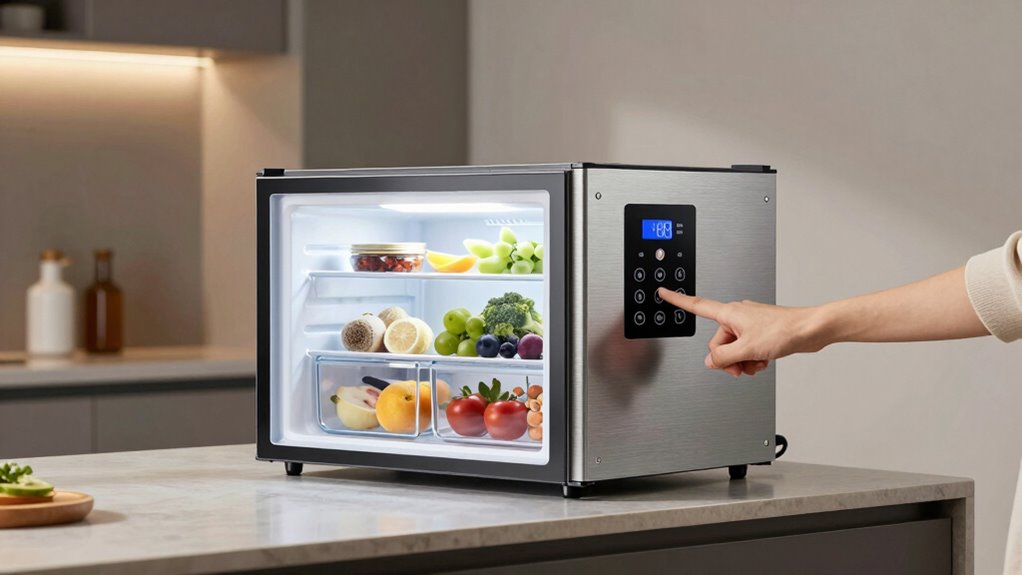
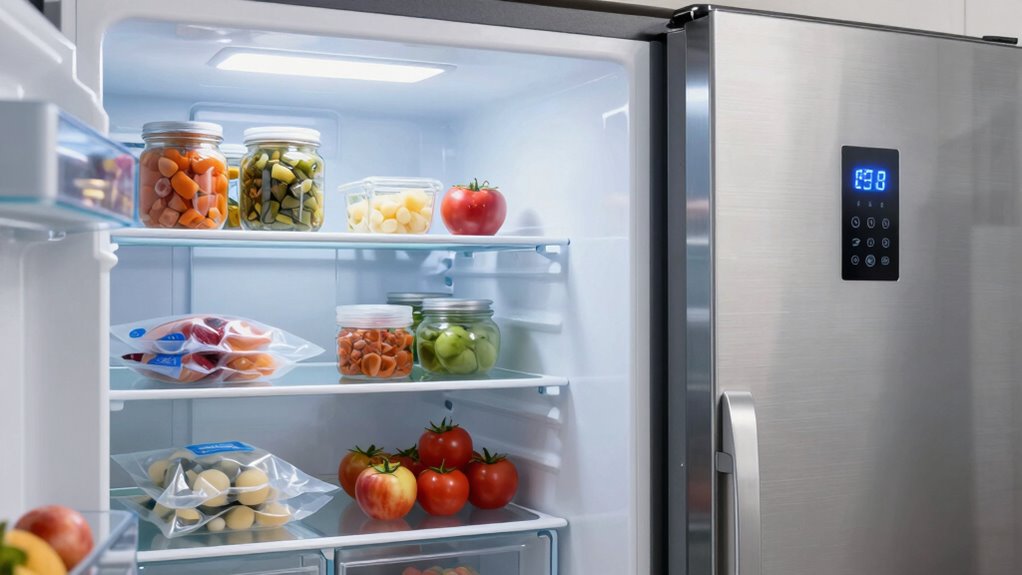
Having a reliable refrigerator backup can be a game-changer during power outages or appliance failures. It guarantees your perishable items stay fresh and safe, giving you peace of mind during unpredictable situations. But before you jump into purchasing one, it’s vital to understand what features matter most. One key aspect is energy efficiency. An energy-efficient backup refrigerator won’t just save you money on electricity bills; it also reduces your overall environmental impact. Look for models with high Energy Star ratings, which indicate they meet strict standards for energy conservation. These units are designed to consume less power without sacrificing cooling performance, making them ideal for emergency use or long-term backups. Additionally, consider the energy consumption of different models to ensure you select one that aligns with your sustainability goals. Understanding biodiversity and its importance can also influence your choice, as selecting energy-efficient appliances contributes to the broader goal of reducing environmental harm. It’s also helpful to explore how energy efficiency can impact the total cost of ownership over the unit’s lifespan, beyond just initial purchase price. Incorporating renewable energy sources into your backup power plan can further enhance your preparedness and environmental responsibility. Being aware of how indoor air quality can be affected by energy-efficient appliances ensures you’re making a health-conscious decision as well.
Choose energy-efficient backup refrigerators with high Energy Star ratings for reliable, eco-friendly preservation during outages.
Another important factor is brand comparison. Not all brands are created equal, and some may offer better reliability, customer support, or added features. Take the time to research reputable brands known for quality and durability. Reading reviews and comparing specifications can help you identify models that stand out in terms of longevity and performance. Keep in mind that a well-known brand might command a higher price, but it often translates into better warranty options and customer service, which can be invaluable if your backup refrigerator encounters issues.
Size and capacity are also essential considerations. You want a unit large enough to store your essential perishable items but not so big that it consumes excessive energy or space. Think about your typical storage needs and available space before making a choice. Additionally, consider the type of backup refrigerator—whether it’s a portable unit, a small stand-alone, or a more substantial chest or upright model. Each has its own pros and cons regarding portability, energy consumption, and ease of maintenance.
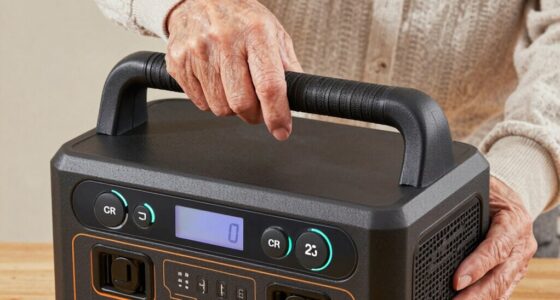
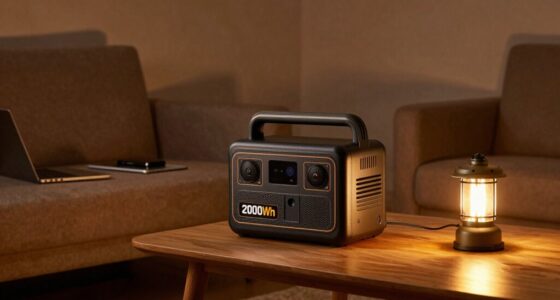
Finally, think about the power source options. Some backup refrigerators are designed to run on battery power, while others can connect to portable generators or solar systems. Determine what will work best for your situation and make sure it’s compatible with your existing backup power solutions. Knowing these details upfront helps you select a unit that’s not only efficient and reliable but also seamlessly integrates into your emergency preparedness plan. By understanding energy efficiency, conducting a thorough brand comparison, and considering your specific needs, you’ll be better equipped to choose a backup refrigerator that provides dependable protection when you need it most.
Products Worth Considering

Roborock Qrevo S Pro Robot Vacuum and Mop with 18,500 Pa Suction

Ring Alarm 5-Piece Home Security Kit

Dyson Cyclone V10 Origin Cordless Vacuum
As an affiliate, we earn on qualifying purchases.
Frequently Asked Questions
What Is the Typical Lifespan of a Refrigerator Backup System?
The typical lifespan of a refrigerator backup system is around 3 to 5 years, depending on usage and maintenance. When considering energy efficiency, newer models often save more power over time. Do a cost comparison to weigh initial investment against long-term savings. Regularly maintaining your backup system guarantees it runs efficiently, extending its lifespan. Always choose a reliable brand to maximize durability and energy efficiency.
How Noisy Are Different Backup Options During Operation?
Imagine you’re trying to sleep, and your backup system kicks in. Most models produce moderate noise levels, comparable to a quiet conversation or background TV. For example, a well-insulated backup like a compressor-based unit minimizes sound, reducing disturbance. The key is sound insulation; better insulation keeps noise levels lower during operation. So, choose a backup option with good sound insulation to guarantee minimal disruption in your home environment.
Are There Any Safety Concerns With Portable Backup Units?
Portable backup units are generally safe if you follow safety regulations and hazard prevention tips. Always read the manufacturer’s instructions carefully, avoid overloading outlets, and keep the unit in a well-ventilated area. Regularly inspect cords and connections for damage. By adhering to safety standards, you minimize risks like electrical shock or fire, ensuring your backup system provides reliable protection without compromising safety.
Can Backup Systems Be Integrated With Smart Home Devices?
Yes, backup systems can be integrated with smart home devices. You should check their integration compatibility to guarantee seamless operation. Many modern backup units connect easily with smart home ecosystems via apps or compatibility protocols like Wi-Fi or Zigbee. This integration allows you to monitor and control your backup system remotely, providing convenience and peace of mind, especially during power outages or emergencies. Always verify compatibility before purchasing.
What Are the Long-Term Maintenance Requirements for Backup Solutions?
You’ll need to regularly check and replace batteries or update software to guarantee your backup system stays reliable. Keep an eye on energy efficiency, as some models consume more power over time. Doing a cost comparison helps you understand ongoing expenses. Scheduled maintenance, like inspecting connections and testing backup functions, keeps your system ready, extending its lifespan and saving you money in the long run.
Conclusion
Ultimately, choosing the right refrigerator backup is like finding the perfect safety net—you hope you won’t need it often, but knowing it’s there provides peace of mind. By understanding your needs and options, you can make a decision that keeps your food fresh and your worries few. Remember, a well-chosen backup isn’t just an extra; it’s a gentle reassurance that your kitchen’s heart stays steady, no matter what surprises come your way.