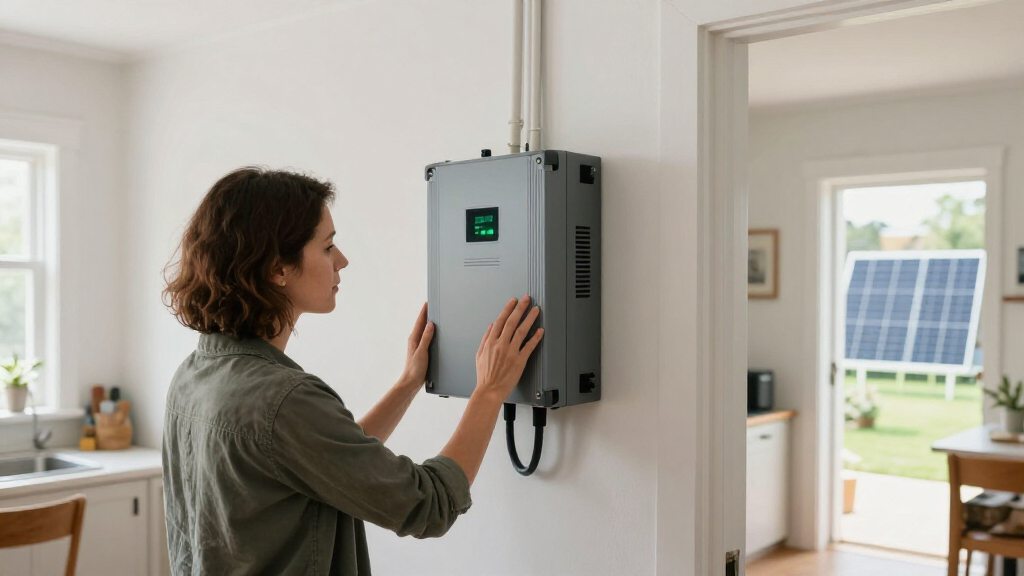

Choosing among the best home batteries depends on whether you need a ready-to-use backup station or batteries to build into a larger system. The Jackery Solar Generator 5000 Plus is my leading pick for powering household circuits because it supplies 120V and 240V output and can connect to a compatible transfer switch. For a modular battery bank, the VATRER POWER 460Ah offers high capacity, a 300A BMS, and self-heating for cold-weather charging. The ECO-WORTHY 314Ah gives solar and RV owners app monitoring and expansion flexibility, while the two-battery ROSINLI pack is a more approachable way to start with smaller 12V storage.

Get backup power and energy gear delivered free — and shop member deals
- Fast, free delivery on millions of items
- Access to Prime Big Deal Days deals on October 6–7
- Prime Video, Amazon Music and more included
The main tradeoff is system simplicity versus flexibility. Jackery combines an inverter and battery in one power station, but home-circuit integration requires additional equipment. The other three products are batteries, so they need compatible charging, inverter, and installation components. I compare them by usable role, stated capacity, power support, cold-weather features, monitoring, and how clearly each can fit a home backup or off-grid plan.
Complete the kit


Key Takeaways
- Jackery Solar Generator 5000 Plus is the only all-in-one power station here with stated 120V/240V output; connecting it to household circuits calls for the compatible transfer switch.
- VATRER POWER 460Ah has the largest stated capacity among the standalone batteries and a 300A continuous-discharge BMS, making it the strongest fit here for higher-demand 12V systems.
- ECO-WORTHY 314Ah balances substantial 4,019.2Wh storage with Bluetooth monitoring and low-temperature charging cutoff, though it weighs 60.4 lb.
- ROSINLI’s two-battery pack is the modular starting point: two 100Ah batteries can be arranged in series or parallel, but the pack is not for engine starting.
- For any standalone battery, plan for a compatible LiFePO4 charger and inverter; the battery itself does not provide Jackery‘s integrated AC output.
| Jackery Solar Generator 5000 Plus Portable Power Station |  | Best overall for household backup | Battery capacity: 5,040Wh | Chemistry: LiFePO4 | Output voltage: 120V/240V | VIEW LATEST PRICE | See Our Full Breakdown |
| VATRER POWER 12.8V 460Ah Self-Heating LiFePO4 RV Battery with App Monitoring |  | Best high-capacity battery bank pick | Chemistry: LiFePO4 | Voltage: 12.8V | Capacity: 460Ah | VIEW LATEST PRICE | See Our Full Breakdown |
| ECO-WORTHY 12.8V 314Ah LiFePO4 Battery with Bluetooth and Low-Temperature Protection |  | Best for monitored solar and RV systems | Chemistry: LiFePO4 | Voltage: 12.8V | Capacity: 314Ah | VIEW LATEST PRICE | See Our Full Breakdown |
| ROSINLI 2-Pack 12V 100Ah Group 24 LiFePO4 Batteries with 100A BMS |  | Best modular starter pack | Quantity: 2 batteries | Chemistry: LiFePO4 | Nominal voltage: 12V | VIEW LATEST PRICE | See Our Full Breakdown |
| home batterie | Chemistry | Capacity | Maximum expanded capacity | Voltage |
|---|---|---|---|---|
| Jackery Solar Generator 5000 P | LiFePO4 | — | 60kWh | — |
| VATRER POWER 12.8V 460Ah Self- | LiFePO4 | 460Ah | — | 12.8V |
| ECO-WORTHY 12.8V 314Ah LiFePO4 | LiFePO4 | 314Ah | 32.15kWh | 12.8V |
| ROSINLI 2-Pack 12V 100Ah Group | LiFePO4 | 100Ah per battery | — | — |
More Details on Our Top Picks
Jackery Solar Generator 5000 Plus Portable Power Station
The Jackery Solar Generator 5000 Plus is the most direct route in this group to powering household equipment: it integrates a 5,040Wh LiFePO4 battery with a stated 7,200W rated output and 120V/240V support. Compared with the other three picks, which are standalone batteries, Jackery already has the power conversion hardware needed to run AC equipment. For a buyer assembling backup around essential circuits, that can simplify the core system decision.
Its bigger advantage is the expansion path. Jackery states a maximum capacity of 60kWh and compatibility with its 60A Smart Transfer Switch, which supports up to 12 circuits at 120V or six at 240V. That gives it a clearer whole-home direction than the 12V batteries here. The catch is that the transfer switch is required for home-circuit integration, and solar panels are optional, so the system plan may involve additional components. The supplied description also does not explain how the quoted 336-hour runtime was calculated, so I would not treat that as a household runtime guarantee.
Compared with VATRER POWER’s 460Ah battery, Jackery is easier to approach as a packaged backup unit but offers less freedom to choose a separate inverter and charging setup. It makes the most sense for buyers who value AC output and an upgrade path over building every component themselves. If you already own a compatible inverter or want a compact 12V battery bank for an RV, ECO-WORTHY or ROSINLI may fit that plan better.
Pros:- Integrated 5,040Wh LiFePO4 power station with stated 7,200W output
- 120V and 240V output options
- Expandable to a stated maximum of 60kWh
- Accepts up to 4,000W of solar input
Cons:- A compatible transfer switch is required to power household circuits
- Solar panels are optional and not included in the described system
- The stated 336-hour runtime lacks a specified load in the provided details
Best for: Homeowners who want an integrated battery-and-inverter power station with 120V/240V output and a path to essential-circuit backup.
Not ideal for: Buyers who want a low-complexity installation without a separate transfer switch, or who need only a small 12V battery for an RV or boat.
- Battery capacity:5,040Wh
- Chemistry:LiFePO4
- Output voltage:120V/240V
- Maximum expanded capacity:60kWh
- Maximum solar input:4,000W
- Transfer switch:Compatible with Jackery 60A Smart Transfer Switch
Our verdict“I rank Jackery first for buyers who want a packaged home-backup power station with high output and an expansion path.”
VATRER POWER 12.8V 460Ah Self-Heating LiFePO4 RV Battery with App Monitoring
For a buyer building around a standalone 12V battery, VATRER POWER’s 460Ah model has the strongest stated capacity in this lineup. It pairs that capacity with a 300A continuous-discharge BMS, a main switch, and app readings for current, voltage, temperature, and cycle life. Compared with ECO-WORTHY’s 314Ah battery, it offers more stored energy and higher discharge support on paper, which can suit systems with demanding loads when the inverter and wiring are matched to the battery.
The automatic self-heating function is a practical difference for installations exposed to cold. Its specified activation range is -4°F to 41°F, while ECO-WORTHY instead lists a low-temperature charging cutoff at -7°C. Self-heating may allow charging under colder conditions, but it adds system behavior that a buyer should understand and monitor. VATRER also supports configurations up to 4P4S, though the provided details do not state the maximum expanded capacity, so I would confirm configuration limits with the manufacturer before designing a larger bank.
This is a battery, not a complete backup station: it does not state AC output or include an inverter in the description. Compared with Jackery, installation takes more system planning; compared with ROSINLI’s two-pack, the VATRER is a higher-capacity, higher-current choice in a single unit. Its size and weight deserve attention before ordering, and app monitoring requires the companion app. I would choose it for a capable off-grid or RV system, not as a plug-in household backup solution.
Pros:- 460Ah capacity with a 300A continuous-discharge BMS
- Automatic self-heating supports charging in cold conditions within the stated range
- App displays current, voltage, temperature, and cycle life
- Expandable in supported configurations up to 4P4S
Cons:- Large, heavy unit may need careful handling and a planned mounting location
- App monitoring requires installing the companion app
- Provided details do not state the maximum expanded capacity
Best for: RV and off-grid users building a higher-capacity 12V system who want self-heating and app-based battery information.
Not ideal for: Buyers seeking an all-in-one AC power station, or anyone unable to accommodate a large battery and compatible installation hardware.
- Chemistry:LiFePO4
- Voltage:12.8V
- Capacity:460Ah
- Continuous discharge:300A
- Dimensions:18.9 × 10.82 × 9.84 in
- Self-heating activation range:-4°F to 41°F
- Warranty:5-year limited
Our verdict“I recommend VATRER POWER for buyers prioritizing standalone 12V capacity, high discharge support, and cold-weather charging features.”
ECO-WORTHY 12.8V 314Ah LiFePO4 Battery with Bluetooth and Low-Temperature Protection
The ECO-WORTHY 314Ah occupies a useful middle ground: its stated 4,019.2Wh capacity is substantial for a 12.8V battery, while Bluetooth monitoring and an onboard status display make it easier to check system state than the basic two-battery ROSINLI pack. A fault-alert buzzer and low-temperature charging cutoff add practical feedback and protection. For an RV or off-grid solar setup where the battery sits away from the main living area, app checks can make routine monitoring more convenient.
Compared with VATRER POWER, ECO-WORTHY has less stated capacity and a 200A BMS rather than 300A continuous discharge, but its displayed energy rating and Bluetooth/SOC indicators give buyers clear visibility into the battery. Its low-temperature charging cutoff is protective, though it does not actively warm the battery like VATRER’s self-heating feature. That difference matters if the system will face cold charging conditions: ECO-WORTHY can stop charging below its stated threshold, while VATRER is designed to heat itself within its activation range.
Expansion is another strength, with supported configurations up to 4P2S or 2P4S and a stated maximum expanded capacity of 32.15kWh. This makes it more adaptable than a single fixed battery, although series and parallel layouts need to follow the manufacturer’s limits and system requirements. At 60.4 lb, it is not an especially easy carry, and the product details warn that orders may arrive in multiple packages at different times. I see it as a strong choice for a monitored 12V bank, rather than a ready-to-connect AC home backup product like Jackery.
Pros:- 4,019.2Wh stated energy capacity in a 12.8V battery
- Bluetooth app, SOC/status LEDs, and fault-alert buzzer
- Low-temperature charging cutoff
- Supports expansion up to a stated 32.15kWh in compatible configurations
Cons:- 60.4 lb weight can make installation and repositioning awkward
- Low-temperature cutoff stops charging rather than heating the battery
- Orders may arrive in multiple packages at different times
Best for: RV, solar, and off-grid owners who want a substantial 12.8V battery with Bluetooth status checks and expansion options.
Not ideal for: Buyers who need active battery heating in freezing conditions or want an integrated inverter and AC outlets.
- Chemistry:LiFePO4
- Voltage:12.8V
- Capacity:314Ah
- Energy:4,019.2Wh
- BMS:200A
- Weight:60.4 lb
- Monitoring:Bluetooth app and SOC/status LED display
- Maximum expanded capacity:32.15kWh
Our verdict“I favor ECO-WORTHY for solar and RV buyers who want meaningful capacity, remote monitoring, and a defined expansion path.”
ROSINLI 2-Pack 12V 100Ah Group 24 LiFePO4 Batteries with 100A BMS
The ROSINLI two-pack is the accessible modular option in this comparison. Each battery is rated at 12V and 100Ah, and the pair can be connected in series or parallel within stated limits of 4S or 4P. That lets buyers start with two batteries and expand or alter the bank arrangement as their system calls for it. At 22.6 lb per battery, each unit is easier to handle than ECO-WORTHY’s 60.4 lb battery or the large VATRER model.
Its smart 100A BMS includes protection against overcharging, over-discharging, overcurrent, and short circuits, plus low-temperature cutoff. This is a sensible feature set for energy storage in an RV, boat, or solar setup, but it is not the high-output choice in the group. The per-battery capacity is much lower than ECO-WORTHY’s 314Ah and VATRER POWER’s 460Ah, so buyers planning longer runtimes or heavier loads may need more batteries and a carefully matched system.
Unlike Jackery, ROSINLI is not a portable AC power station; it needs compatible charging and power-conversion equipment. The product is also explicitly not intended for engine starting, so marine buyers should keep it dedicated to house loads or trolling-motor energy storage. I would choose the pack for a smaller modular system or as a measured first step into LiFePO4 storage. Buyers who already know they need substantial single-unit capacity should compare it closely with the two larger standalone batteries.
Pros:- Two 100Ah LiFePO4 batteries included
- Each unit weighs about 22.6 lb for easier handling
- Smart BMS includes multiple electrical protections and low-temperature cutoff
- Supports series or parallel connections within stated limits
Cons:- Not suitable for engine starting
- Requires a compatible LiFePO4 charger and other system components
- Lower capacity per battery than the ECO-WORTHY and VATRER POWER options
Best for: RV, boat, and solar users who want a pair of manageable 100Ah batteries that can be configured into a larger storage bank.
Not ideal for: Engine-starting needs, high-demand backup loads, or buyers who want an all-in-one AC power station.
- Quantity:2 batteries
- Chemistry:LiFePO4
- Nominal voltage:12V
- Capacity:100Ah per battery
- BMS:Built-in smart 100A BMS
- Maximum configuration:4S or 4P
- Weight:22.6 lb per battery
- Warranty:5 years
Our verdict“I recommend the ROSINLI pack as a flexible starting point for smaller storage systems where handling and modularity matter.”
How We Picked
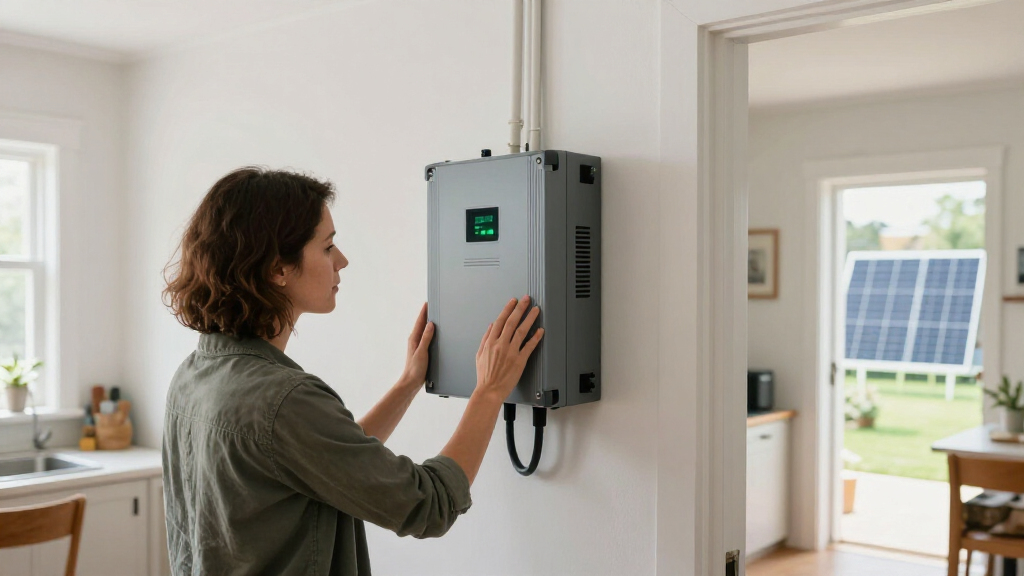
I ranked these four products by how well each serves a distinct home energy need, rather than treating every battery as interchangeable. I looked at the supplied specifications for capacity, voltage, discharge support, chemistry, cold-weather protection, monitoring, expandability, and the extra equipment needed to use the product for backup.
System role mattered most. The Jackery is a complete power station with stated 120V and 240V output, while ECO-WORTHY, VATRER POWER, and ROSINLI are batteries intended to work as part of a larger system. That distinction affects setup: a standalone battery can be a flexible building block, but a buyer must match it with an inverter, charger, wiring, and potentially a transfer switch. Jackery is more direct for backup, though the transfer switch is an added requirement for household circuits.
I also weighed differences that matter in real use. VATRER POWER’s 300A continuous-discharge rating and automatic self-heating set it apart for high-demand and cold-weather battery-bank applications. ECO-WORTHY pairs 4,019.2Wh of stated energy with Bluetooth status checks and low-temperature charging protection. ROSINLI offers two lighter 100Ah units that can be configured in series or parallel, but its per-battery capacity is smaller and it is explicitly not meant for engine starting.
The ranking reflects those roles and the clarity of the fit, not laboratory testing or a claim that one battery will suit every house. The provided descriptions do not specify usable capacity after reserve settings, inverter efficiency, installation costs, or runtime under a defined household load. I use stated specifications and call out those limits so readers can compare options without assuming identical system performance.
Factors to Consider When Choosing Best Home Batteries
Before choosing a home battery, I would decide whether I want an integrated power station or a battery for a custom system. That choice shapes the inverter, charging, wiring, installation, and circuit backup plan as much as the battery capacity does.
Start with the system type
Jackery is the integrated option here: it includes stated 120V/240V output and can pair with a compatible transfer switch for household circuits. The other products are standalone batteries. They need a suitable inverter to run AC appliances and a compatible charging source, such as solar equipment or a charger designed for LiFePO4. If you already have those parts, a standalone battery may fit neatly into your system; if not, include them in your planning.
For essential home circuits, confirm how the system will connect to the home’s electrical panel and which circuits it can support. Jackery lists transfer-switch compatibility and circuit counts, but buyers still need to plan the installation. A 12V battery alone does not directly provide the same household connection.
Match capacity to the loads you need to run
Capacity tells you how much energy a battery stores, while power output tells you what it can run at one time. Jackery states 5,040Wh and 7,200W rated output. ECO-WORTHY lists 4,019.2Wh, VATRER POWER lists 460Ah at 12.8V, and each ROSINLI battery is rated at 100Ah at 12V. Because the latter products are specified in amp-hours, compare energy in watt-hours when you have voltage and capacity details; do not compare Ah figures alone across different voltages.
Make a list of essential devices, their wattage, and the hours you want them to run. Account for startup surges from motors and for conversion losses through an inverter. The product details here do not provide a common test load or usable-capacity figure, so stated capacity cannot by itself promise a particular outage runtime.
Check discharge support and appliance needs
The battery’s BMS and continuous discharge rating help determine whether it can support the load, but the inverter, cables, and system voltage also matter. VATRER’s stated 300A continuous-discharge BMS gives it the strongest stated discharge support among these standalone batteries. ECO-WORTHY lists a 200A BMS, while each ROSINLI battery has a 100A BMS. These figures do not mean every appliance can be connected directly; plan around the complete system specifications.
For buyers with pumps, refrigerators, or other motor-driven equipment, check startup demand as well as normal running power. Jackery gives a 7,200W rated output and a 14,400W surge figure, while the supplied standalone battery descriptions do not provide comparable AC inverter output ratings.
Plan for cold weather
Cold conditions can affect charging, so check the battery’s temperature protections and the conditions where it will be installed. VATRER POWER uses automatic self-heating with a stated activation range from -4°F to 41°F. ECO-WORTHY and ROSINLI list low-temperature charging cutoffs, which can prevent charging when conditions are too cold but do not heat the battery themselves.
These features serve different needs. If the battery can be kept within a suitable temperature range, a cutoff may be enough. If charging in cold conditions is part of the plan, the self-heating design may be more suitable, though it is still important to follow the manufacturer’s temperature and charging instructions.
Think through expansion and installation
Expansion support only helps when the batteries are installed in compatible configurations and paired with equipment designed for the resulting voltage and current. ECO-WORTHY specifies supported layouts and a maximum expanded capacity of 32.15kWh. ROSINLI lists series and parallel support up to 4S or 4P. VATRER lists configurations up to 4P4S but does not provide a maximum expanded capacity in the supplied details. Jackery states expansion to 60kWh within its ecosystem.
Before buying multiple batteries, check whether the manufacturer allows the planned mix of units, and follow its requirements for matching batteries, cabling, fusing, and installation. Also plan for physical handling: ROSINLI’s units weigh 22.6 lb each, while ECO-WORTHY is 60.4 lb. VATRER is described as large and heavy, so its installation location and access path deserve attention.
Decide how much monitoring you want
Monitoring can make it easier to see battery status without opening an enclosure or relying on estimates. ECO-WORTHY pairs Bluetooth app monitoring with SOC and status LEDs plus a fault-alert buzzer. VATRER’s app shows current, voltage, temperature, and cycle life. The ROSINLI description lists a smart BMS and protection functions but no app or display details. Jackery is the power station in this group, though the supplied information does not detail its monitoring interface.
If you prefer to check state of charge and operating conditions from a phone, compare the app features and connection requirements before choosing. If you only need a battery bank and already monitor it through other system equipment, these app features may carry less weight in your decision.
Frequently Asked Questions
Can I connect these batteries directly to my home’s electrical panel?
The Jackery is the only product here described with 120V/240V AC output and compatibility with a home transfer switch. It requires the compatible switch to power household circuits. ECO-WORTHY, VATRER POWER, and ROSINLI are standalone batteries, so they need additional system equipment such as an inverter and suitable charging hardware. Plan any panel connection with equipment and installation methods rated for the intended use.
Which option is best for cold-weather charging?
VATRER POWER stands out because it has automatic self-heating with a stated activation range of -4°F to 41°F. ECO-WORTHY and ROSINLI instead list low-temperature charging cutoffs, which help protect the batteries by stopping charging in cold conditions. Choose based on whether your setup can keep batteries warm enough for charging or would benefit from the self-heating feature.
Which battery has the most stated capacity?
Among the standalone batteries, VATRER POWER lists 460Ah at 12.8V, compared with ECO-WORTHY’s 314Ah at 12.8V and ROSINLI’s 100Ah per battery at 12V. Jackery is specified in watt-hours, with a 5,040Wh capacity and a stated expansion path to 60kWh. Capacity alone does not tell you how long a battery will run your appliances; load, inverter efficiency, and usable-capacity limits also affect runtime.
Do these products include solar panels?
The supplied descriptions do not say that solar panels are included. Jackery accepts up to 4,000W of solar input, while ECO-WORTHY, VATRER POWER, and ROSINLI are batteries intended for compatible systems. Before planning solar charging, check which charge controller or other equipment is required and whether it matches the battery’s voltage and chemistry.
Can the ROSINLI batteries start a vehicle engine?
No. The ROSINLI product details explicitly say the batteries are intended for energy storage and are not for engine starting. They are described for uses such as RVs, boats, trolling motors, solar systems, and off-grid storage. Buyers who need a starter battery should select a product designed for that use.
Conclusion
I would choose the Jackery Solar Generator 5000 Plus for a packaged backup system with 120V/240V output and a path to essential household circuits, provided the transfer-switch requirement fits the installation plan. For a high-capacity standalone bank with cold-weather charging support, VATRER POWER 460Ah is my pick. Solar and RV owners who want Bluetooth status checks and a stated expansion limit should look at ECO-WORTHY 314Ah. If you want smaller, lighter modules to build a modest system over time, the ROSINLI two-pack is the best fit, as long as you do not need engine starting or integrated AC output.
Before committing, size the system around the appliances you intend to run, confirm inverter and charger compatibility, and map out the installation. Those steps matter more than capacity figures in isolation when the goal is dependable home backup.
Fall Picks
fall essentials
As an affiliate, we earn on qualifying purchases.