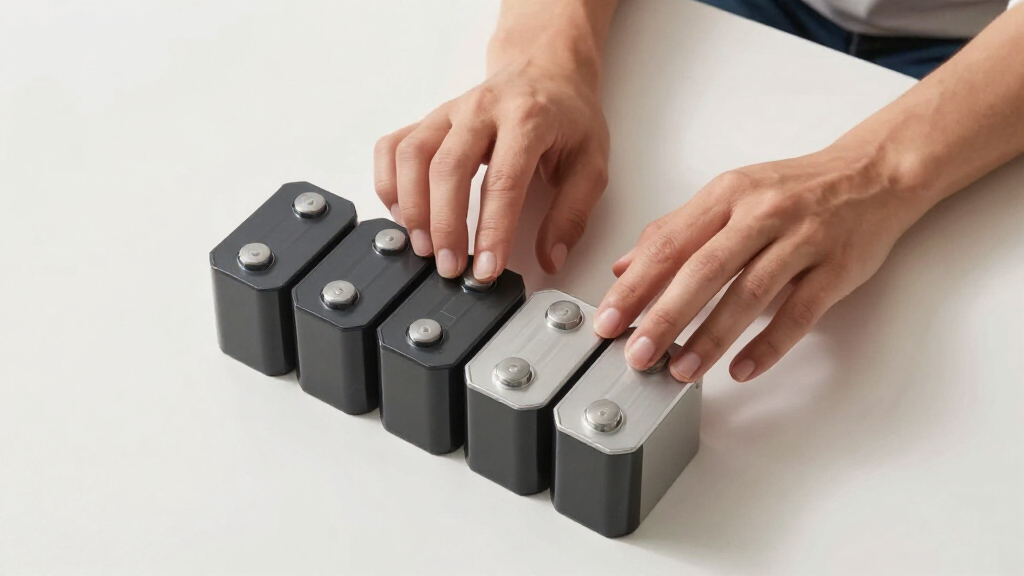

The best commercial battery storage systems in this roundup suit smaller sites and modular installations, with capacity and system integration separating the strongest choices. I’d put the WattCycle 10.24kWh battery and 12kW inverter system first for buyers who want storage and power conversion in one package. The AOUSK four-battery rack pack stands out for a rack-based setup, while the HumsiENK 628Ah battery offers a high-capacity single-unit option. The tradeoff is between integrated equipment, battery capacity, and the added planning needed to configure multi-battery systems. Read on for the full comparison and guidance on matching a system to your site.

Get backup power and energy gear delivered free — and shop member deals
- Fast, free delivery on millions of items
- Access to Prime Big Deal Days deals on October 6–7
- Prime Video, Amazon Music and more included
Key Takeaways
- WattCycle is the clearest starting point for buyers who want an inverter included with a 10.24kWh battery, while the other picks focus on battery storage alone.
- HumsiENK has the largest stated single-battery capacity at 628Ah, which may reduce the number of battery units needed, but buyers should check inverter and installation compatibility.
- AOUSK and the two 2-pack options use multi-battery configurations; their suitability depends on space, wiring, and whether the site can support the intended arrangement.
- The 10kWh wall-mounted unit favors a simpler footprint, while server-rack batteries suit installations designed around rack equipment.
- Capacity figures alone do not establish commercial readiness; usable energy, continuous output, certifications, warranty terms, and service support need confirmation before purchase.
| 10 kWh Wall-Mounted LiFePO4 Solar Storage Battery, 51.2 V 200 Ah |  | Best for Wall-Mounted Expansion | Capacity: 10 kWh | Voltage: 51.2 V | Chemistry: LiFePO4 | VIEW LATEST PRICE | See Our Full Breakdown |
| VPauexii 51.2V 314Ah LiFePO4 Battery with 200A BMS |  | Best Single-Unit Capacity | Model: 51.2V314Ah B | Voltage: 51.2 V | Capacity: 314 Ah / 16,076.8 Wh | VIEW LATEST PRICE | See Our Full Breakdown |
| 48V 314Ah LiFePO4 Lithium Battery Energy Storage, 2-Pack |  | Best for Mobile Positioning | Pack quantity: 2 | Voltage: 48 V | Capacity: 314 Ah | VIEW LATEST PRICE | See Our Full Breakdown |
| WattCycle 10.24kWh LiFePO4 Battery and 12kW Split-Phase Inverter System |  | Best Integrated Backup System | Battery configuration: Two 48 V 100 Ah rack batteries | Total storage: 10.24 kWh | Chemistry: LiFePO4 | VIEW LATEST PRICE | See Our Full Breakdown |
| AOUSK 48V 400Ah LiFePO4 Server Rack Battery, 4-Pack |  | Best Rack-Ready Bulk Storage | Pack quantity: 4 batteries | Voltage: 51.2 V | Capacity: 400 Ah total (4 × 100 Ah) | VIEW LATEST PRICE | See Our Full Breakdown |
| HumsiENK 48V 628Ah LiFePO₄ Battery with Bluetooth, Active Balancing, and LCD |  | Best for High-Capacity Backup | Chemistry: LiFePO₄ | Voltage: 48V | Capacity: 628Ah | VIEW LATEST PRICE | See Our Full Breakdown |
| ECO-WORTHY Powermega 48V 314Ah LiFePO4 Battery, 2-Pack |  | Best for Expandable, Certified Storage | Chemistry: LiFePO4 | Nominal voltage: 51.2V | Capacity: 314Ah per battery | VIEW LATEST PRICE | See Our Full Breakdown |
| commercial battery storage system | Chemistry | Capacity | Voltage | BMS |
|---|---|---|---|---|
| 10 kWh Wall-Mounted LiFePO4 So | LiFePO4 | 10 kWh | 51.2 V | — |
| VPauexii 51.2V 314Ah LiFePO4 B | LiFePO4 | 314 Ah / 16,076.8 Wh | 51.2 V | 200 A |
| 48V 314Ah LiFePO4 Lithium Batt | LiFePO4 | 314 Ah | 48 V | 200 A |
| WattCycle 10.24kWh LiFePO4 Bat | LiFePO4 | — | — | — |
| AOUSK 48V 400Ah LiFePO4 Server | LiFePO4 | 400 Ah total (4 × 100 Ah) | 51.2 V | 100 A per battery |
| HumsiENK 48V 628Ah LiFePO₄ Bat | LiFePO₄ | 628Ah | 48V | — |
| ECO-WORTHY Powermega 48V 314Ah | LiFePO4 | 314Ah per battery | — | 200A with active cell balancing |
More Details on Our Top Picks
10 kWh Wall-Mounted LiFePO4 Solar Storage Battery, 51.2 V 200 Ah
Wall-mounted format and straightforward system growth make this a practical pick for commercial spaces with limited floor area and a compatible 51.2 V inverter. Its 10 kWh capacity is smaller than the VPauexii 51.2V 314Ah Battery’s 16.08 kWh, so it may take more units to cover longer outages or heavier loads. In exchange, this battery supports parallel expansion up to 30 units, more than the VPauexii’s stated limit of 15. The touchscreen and built-in BMS with low-temperature cutoff give operators useful status information and battery protections at the unit. The tradeoffs are broad, unspecified inverter compatibility and manufacturer claims for cycle life and service life that buyers should verify for their application.
Pros:- Wall-mounted design includes brackets, screws, and power cables
- Supports parallel expansion up to 30 batteries
- Touchscreen reports voltage, current, energy, and inverter model
- Built-in BMS includes low-temperature cutoff
Cons:- At 10 kWh, it stores less energy per unit than the VPauexii 314Ah battery
- The listing does not identify specific compatible inverter models
- The stated 6,000-plus cycles and 10-year lifetime are manufacturer claims
Best for: Commercial solar operators who need a wall-mounted 10 kWh battery and expect to scale storage in stages.
Not ideal for: Sites that need high capacity from a single unit or require confirmed compatibility with a specific inverter model.
- Capacity:10 kWh
- Voltage:51.2 V
- Chemistry:LiFePO4
- Cell type:Grade A+ prismatic
- Cycle life:6,000+ cycles (manufacturer stated)
- Parallel expansion:Up to 30 batteries
- Monitoring:Touchscreen for voltage, current, energy, and inverter model
- Warranty/support:5-year solution
Our verdict“Choose this for expandable, wall-mounted storage when its 10 kWh capacity and inverter compatibility fit your site.”
VPauexii 51.2V 314Ah LiFePO4 Battery with 200A BMS
16.08 kWh in one battery gives this VPauexii model an advantage for commercial sites that want substantial storage without starting with a multi-battery bank. It holds considerably more energy per unit than the 10 kWh wall-mounted battery, while the WattCycle system pairs 10.24 kWh of storage with a 12 kW inverter. This VPauexii listing is for a battery, so buyers must plan the inverter and system integration separately. Wi-Fi, Bluetooth, an LCD touchscreen, and CAN/RS485 communication offer several ways to monitor and connect it; a built-in fire suppression device adds another layer of protection. The stated 200A BMS and 250A breaker suit substantial loads, but large parallel installations still require careful design. The 10,000-cycle figure is manufacturer stated, and inverter compatibility should be confirmed.
Pros:- Stores 16,076.8 Wh in a single battery
- Offers Wi-Fi, Bluetooth, and LCD touchscreen monitoring
- Includes CAN, RS485, and RS232 communication ports
- Built-in automatic fire suppression device
Cons:- Battery purchase does not provide the integrated inverter offered by the WattCycle system
- Inverter compatibility still needs confirmation for the intended installation
- The stated cycle life and warranty depend on manufacturer terms
Best for: Commercial operators seeking a high-capacity 51.2 V battery with multiple monitoring options and established CAN or RS485 integration needs.
Not ideal for: Buyers who want a complete battery-and-inverter system in one package or need verified compatibility before purchase.
- Model:51.2V314Ah B
- Voltage:51.2 V
- Capacity:314 Ah / 16,076.8 Wh
- Chemistry:LiFePO4
- BMS:200 A
- Breaker:250 A
- Communications:RS485, CAN, RS232
- Parallel expansion:Up to 15 units; stated maximum 241 kWh
- Warranty:5 years
Our verdict“Pick this when a large single battery and broad monitoring options matter more than an integrated inverter package.”
48V 314Ah LiFePO4 Lithium Battery Energy Storage, 2-Pack
Wheels and handles set this two-pack apart for installers who need to position heavy batteries around a commercial site. Its stated 16.07 kWh storage is close to the VPauexii 314Ah battery’s 16.08 kWh, while both list a 200A BMS and support inverter communication. The VPauexii names Wi-Fi and Bluetooth alongside its LCD, whereas this pack adds display, app, and PC monitoring. RS485 and CAN interfaces help with integration, but compatibility still depends on the selected inverter. Dual breakers add system-level control, though the listing’s description of a 2-pack alongside 16.07 kWh capacity leaves the per-pack capacity unclear. Buyers should resolve that point before sizing a bank. Its stated life of up to 6,000 cycles at 80% state of health is below the VPauexii’s claimed cycle figure.
Pros:- Wheels and handles support positioning during installation
- Provides display, app, and PC monitoring
- RS485 and CAN interfaces support inverter communication
- Includes dual breakers and a 200A BMS
Cons:- The stated 16.07 kWh capacity needs clarification for the 2-pack
- Inverter compatibility must be checked for the intended system
- Its stated cycle life is lower than the VPauexii battery’s claim
Best for: Commercial installers who need a 48 V battery package that can be repositioned during setup and want display, app, and PC monitoring.
Not ideal for: Buyers who need unambiguous per-battery capacity figures or confirmed integration with a specific inverter.
- Pack quantity:2
- Voltage:48 V
- Capacity:314 Ah
- Listed storage capacity:16.07 kWh
- Chemistry:LiFePO4
- BMS:200 A
- Monitoring:Full-color display, Bluetooth/Wi-Fi app, PC monitoring
- Communication:RS485 and CAN
- Cycle life:Up to 6,000 cycles at 80% state of health
Our verdict“Consider this pack when easier on-site positioning matters and the seller confirms the usable capacity of the two-battery set.”
WattCycle 10.24kWh LiFePO4 Battery and 12kW Split-Phase Inverter System
Battery and inverter in one package make the WattCycle system the clearest choice here for buyers planning a complete backup setup rather than assembling components separately. Its 12 kW split-phase output and under-10ms UPS transfer suit sites with 120V/240V loads that need rapid backup response. By comparison, the VPauexii 314Ah is a larger single battery at 16.08 kWh, but its listing does not include an inverter. WattCycle’s 24,000 W maximum solar input and parallel inverter support offer room to build a larger system, though the listed storage starts at 10.24 kWh. Its rack batteries, 100A BMS, and 3A active balancing complete the package. Warranty details are not specified in the listing, so commercial buyers should verify coverage and operating limits before committing.
Pros:- Combines 10.24 kWh of storage with a 12 kW split-phase inverter
- UPS transfer time is stated as under 10 ms
- Accepts up to 24,000 W of solar input
- Supports expansion with additional compatible batteries and inverters
Cons:- Initial storage is lower than the VPauexii battery’s stated 16.08 kWh
- Warranty terms are not provided in the listing text
- Expansion depends on compatible additional batteries and inverters
Best for: Commercial sites that want a packaged 120V/240V split-phase inverter and battery system with fast backup transfer.
Not ideal for: Buyers prioritizing the greatest storage capacity per battery or requiring clearly stated warranty terms in the listing.
- Battery configuration:Two 48 V 100 Ah rack batteries
- Total storage:10.24 kWh
- Chemistry:LiFePO4
- Inverter output:12 kW, 120V/240V split-phase
- Maximum solar input:24,000 W
- UPS transfer time:Under 10 ms
- Battery management:100 A BMS with 3 A active balancing
- Maximum parallel inverters:6; stated total output up to 72 kW
- Maximum parallel batteries:20; stated total capacity up to 102.4 kWh
Our verdict“Choose WattCycle when an integrated split-phase inverter and rapid backup transfer outweigh maximum starting battery capacity.”
AOUSK 48V 400Ah LiFePO4 Server Rack Battery, 4-Pack
20.48 kWh across four rack-format batteries makes AOUSK a strong fit for commercial rooms designed around server racks and modular storage. Its total capacity exceeds both the WattCycle system’s 10.24 kWh and the VPauexii battery’s 16.08 kWh, though WattCycle includes an inverter and AOUSK does not. Each unit has a 100A BMS, with Bluetooth monitoring and CAN/RS485 communication for compatible inverter setups. The 3U metal-shell design supports rack installation, but the listed weight is about 95 lb, making handling and rack loading serious planning factors. Expansion is stated up to 15 batteries, and the listing gives a five-year support term. Buyers should verify inverter compatibility, rack dimensions, and whether the stated weight applies to the full set or each unit.
Pros:- Four batteries provide 20.48 kWh total stated capacity
- 3U rack-compatible format with metal shells
- Bluetooth app monitoring and CAN/RS485 communication
- Includes temperature and electrical protections
Cons:- Listed weight is about 95 lb, with ambiguity about whether it applies per unit or to the set
- Requires compatible inverter and rack setup
- Unlike the WattCycle package, it does not include an inverter
Best for: Commercial solar operators outfitting a compatible server rack who want modular storage totaling 20.48 kWh.
Not ideal for: Sites without rack infrastructure, teams unable to handle heavy battery equipment, or buyers seeking an all-in-one inverter package.
- Pack quantity:4 batteries
- Voltage:51.2 V
- Capacity:400 Ah total (4 × 100 Ah)
- Energy capacity:20.48 kWh total; 5.12 kWh per battery
- Chemistry:LiFePO4
- BMS:100 A per battery
- Communications:Bluetooth, CAN, RS485
- Dimensions:18.89 × 17.4 × 5.23 in
- Warranty support:5 years
Our verdict“Choose AOUSK for rack-based sites that need modular bulk storage and can accommodate its weight and integration requirements.”
HumsiENK 48V 628Ah LiFePO₄ Battery with Bluetooth, Active Balancing, and LCD
The HumsiENK is the strongest fit here for buyers who want 32.15 kWh in one battery rather than building capacity from smaller units. Its stated 10.24 kW continuous output can support substantial household loads, while Bluetooth monitoring and an LCD make battery status easier to check. Compared with the ECO-WORTHY Powermega 2-Pack, it offers twice the stated energy in a single unit, but the ECO-WORTHY pair has UL 1973 certification, a 10-year warranty, and room to expand to additional units. HumsiENK lists a 200A BMS and 3A active balancing, though buyers still need to confirm inverter compatibility and plan for professional system integration. Its wall-mount format and freight delivery also call for suitable installation space and truck access.
Pros:- 32.15 kWh capacity in a single battery
- 10.24 kW stated continuous output for substantial household loads
- Bluetooth app and LCD provide local and wireless status monitoring
- 200A BMS with 3A active cell balancing
Cons:- Requires a compatible inverter and planned installation setup
- Truck freight requires an address that can accept large deliveries
- Provided data does not list a product certification or warranty term
Best for: Homeowners building a large solar backup system who want more than 30 kWh in a single battery and can arrange compatible inverter installation.
Not ideal for: Buyers who need a certified, warranty-documented system or cannot accommodate a wall-mounted battery and truck freight delivery.
- Chemistry:LiFePO₄
- Voltage:48V
- Capacity:628Ah
- Energy:32.15 kWh
- Continuous power:10.24 kW
- BMS current:200A
- Active balancing:3A
- Monitoring and communications:Bluetooth app, LCD, RS485, CAN, and RS232
- Mounting:Wall mount
Our verdict“Choose the HumsiENK if you want high capacity in one battery and have the space, freight access, and inverter support to install it.”
ECO-WORTHY Powermega 48V 314Ah LiFePO4 Battery, 2-Pack
This two-battery set makes the most sense for buyers who value certification and future expansion alongside substantial storage. The pair provides 32.14 kWh total at 16.07 kWh per battery, close to the HumsiENK’s 32.15 kWh in one unit. ECO-WORTHY’s stated UL 1973 certification and 10-year warranty give buyers clearer product credentials, while support for up to 15 parallel units offers a defined path to more capacity. A touchscreen, Wi-Fi, Bluetooth, RS485, and CAN add useful monitoring and inverter connections. The tradeoff is physical: two large batteries shipped on a pallet take more space and require truck access. Compared with the single-unit HumsiENK, this is a more modular choice, but it means managing and installing two units.
Pros:- UL 1973 certified with a stated 10-year warranty
- Two batteries provide 32.14 kWh total and can expand in parallel
- 7-inch touchscreen plus Wi-Fi and Bluetooth monitoring
- 200A BMS with active balancing and listed fire-suppression modules
Cons:- Two large batteries require more space and handling than a single-unit system
- Pallet freight delivery requires truck-accessible address
- Additional batteries and inverter setup add installation planning
Best for: Solar installers and property owners who want a certified two-battery starting system with a stated warranty and a path to expand storage.
Not ideal for: Buyers with limited installation space, no truck-accessible delivery point, or a preference for one large battery instead of two units.
- Chemistry:LiFePO4
- Nominal voltage:51.2V
- Capacity:314Ah per battery
- Energy:16.07 kWh per battery; 32.14 kWh for the 2-pack
- BMS:200A with active cell balancing
- Parallel expansion:Up to 15 units
- Certification and warranty:UL 1973; 10 years
- Monitoring:7-inch HD touchscreen, Wi-Fi, and Bluetooth
- Communications and safety:RS485 and CAN; two-pole circuit breaker and aerosol fire suppression modules
Our verdict“Pick the ECO-WORTHY pair if certification, a stated warranty, and modular expansion matter more than minimizing the number of battery units.”
How We Picked
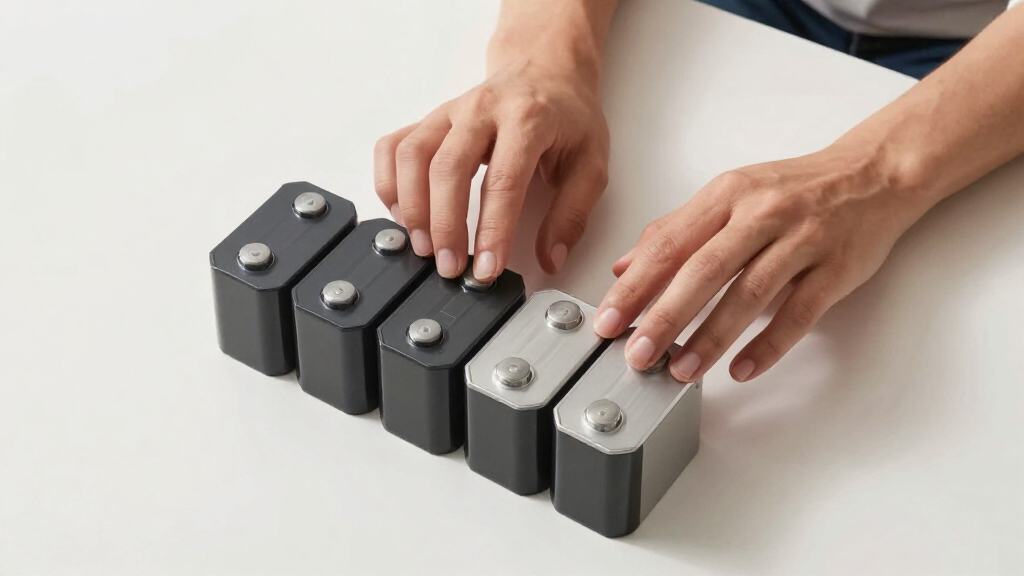
I compared the seven systems on stated battery capacity, system configuration, integration, and the information a buyer needs to plan an installation. I gave weight to whether an inverter is included, whether the product is a single battery or a multi-unit package, and whether its form factor suggests a particular installation approach. Those differences affect equipment planning and the effort required to turn stored energy into usable site power.
The WattCycle system ranks first because its battery and 12kW split-phase inverter are presented together, giving buyers a more integrated starting point. I placed the larger-capacity and multi-battery options next for buyers whose priority is storage scale or rack-based deployment. The wall-mounted 10kWh unit ranks as a more compact option, while products without stated inverter integration require more compatibility checks. Product names and listed specifications do not establish safety certification, operating performance, or suitability for a particular commercial load, so those details should be verified with the seller and installer.
| commercial battery storage system | Chemistry |
|---|---|
| 10 kWh Wall-Mounted LiFePO4 So | LiFePO4 |
| VPauexii 51.2V 314Ah LiFePO4 B | LiFePO4 |
| 48V 314Ah LiFePO4 Lithium Batt | LiFePO4 |
| WattCycle 10.24kWh LiFePO4 Bat | LiFePO4 |
| AOUSK 48V 400Ah LiFePO4 Server | LiFePO4 |
| HumsiENK 48V 628Ah LiFePO₄ Bat | LiFePO₄ |
| ECO-WORTHY Powermega 48V 314Ah | LiFePO4 |
Factors to Consider When Choosing Best Commercial Battery Storage Systems
Commercial storage selection starts with the job the battery must do at your site. Before comparing capacity labels, map the loads, expected runtime, charging source, and installation constraints; those details reveal whether you need an integrated system or a battery bank designed around separate equipment.
Size Storage Around Usable Energy and Load
Estimate the energy your critical loads consume over the backup period you need, then compare that figure with each system’s usable capacity, not just its nominal capacity. Battery management limits, reserve settings, temperature, and inverter losses can reduce the energy available at the AC loads. A common mistake is sizing from a daily utility bill without identifying peak demand or the circuits that must stay online. Ask the installer to model both the expected runtime and the battery’s recommended depth of discharge. Add headroom for load growth only when the battery system and site equipment can support expansion.
Check Power Output and Inverter Fit
Capacity describes stored energy; continuous power and surge capability determine which equipment the system can run at once. List motor starts, compressors, pumps, and other loads with brief high draw, then compare their combined demand with the inverter’s documented output. A battery-only product also needs a compatible inverter, and voltage, communication protocol, charge limits, and phase requirements all matter. An included inverter can simplify equipment coordination, but it still must match the site’s service and electrical design. Have a qualified installer confirm the complete system’s ratings rather than relying on a battery capacity label.
Plan the Installation Footprint and Expansion
Wall-mounted, server-rack, and multi-battery formats impose different demands on the battery room or equipment area. Check clearances, floor loading, access for service, cable routing, and the environmental conditions allowed by the manufacturer. Two-pack and four-pack listings may be attractive for scaling storage, yet parallel operation depends on approved configurations, wiring, and compatible firmware. Confirm how many units may be connected and whether the system needs a central controller or communications hub. Leave room for maintenance and future equipment instead of filling the available footprint on day one.
Verify Protection, Certifications, and Service
For a commercial installation, ask for documentation covering battery safety, inverter compliance, installation requirements, and any permits or inspections required in your jurisdiction. Confirm the BMS protections, operating temperature range, warranty conditions, and who handles service when the system reports a fault. A feature such as Bluetooth monitoring can help with local status checks, but it does not replace remote monitoring or a defined service process. Ask what replacement parts are available and how warranty support works for multi-unit systems. If documentation is missing or unclear, pause procurement until the installer and supplier resolve the gap.
Compare Lifecycle Value, Not Battery Count
Battery count and amp-hour ratings do not show the full cost or value of a storage project. Compare quoted usable energy, expected cycle life under your operating conditions, inverter and balance-of-system equipment, installation, maintenance, and warranty coverage. A lower-capacity integrated package may reduce design work, while a larger battery bank can require added wiring, space, and controls. Ask suppliers to state assumptions behind any projected lifetime or savings estimate, including charge rates and daily cycling. Pay more when documented support, system compatibility, or expansion capability addresses a real site requirement.
Frequently Asked Questions
Are these systems suitable for a large commercial facility?
The listed capacities and 48V configurations point most naturally to smaller commercial sites, workshops, and modular projects. A large facility may need higher-voltage equipment, greater power output, engineered battery cabinets, and utility interconnection support. The product names alone do not confirm those capabilities. Ask an electrical engineer to compare the site’s demand profile with documented system ratings and local code requirements. If the system cannot meet peak demand or required runtime, a larger commercial platform may be a better fit.
Can I connect several batteries to increase storage?
Some listings are multi-battery packages, but that does not prove every model supports additional units or every parallel arrangement. Check the manufacturer’s approved unit count, wiring diagram, BMS communication requirements, and inverter compatibility before planning expansion. Batteries with different ages, capacities, or firmware may not share loads as expected. Ask whether the warranty remains valid in the intended configuration. Have the installer document the final system layout and protection settings.
Does a 314Ah or 628Ah rating tell me how long equipment will run?
Amp-hours describe charge capacity at a stated voltage, but runtime depends on usable energy and the power drawn by connected equipment. Inverter conversion losses, reserve limits, temperature, and battery condition also affect runtime. Request the manufacturer’s usable-kWh figure and continuous discharge rating, then compare them with an actual load estimate. For mixed loads, include both average consumption and short startup surges. A load study is more useful than comparing amp-hour numbers in isolation.
Should I choose the WattCycle package because it includes an inverter?
The WattCycle package can simplify initial system selection because it presents a battery and 12kW split-phase inverter together. That is useful only if the inverter’s phase, output, charging behavior, and communications match the site and battery documentation. A battery-only option may be a better fit when you already have a compatible inverter or need a different power architecture. Compare the complete installed equipment list, not just the included components. Ask the installer to confirm that the battery and inverter are approved to operate together.
What should I confirm before buying a battery-only system?
Confirm that a compatible inverter is available and that its voltage range, charge settings, discharge limits, and communications match the battery. Check whether the inverter is included in the quote, along with wiring, disconnects, monitoring, and any required control equipment. Request safety and compliance documents plus the installation manual before committing. Verify warranty coverage for the complete configuration, since separate suppliers may assign responsibility differently. A written system design can expose missing components before they delay installation.
Conclusion
For the best overall fit among these seven, I’d start with the WattCycle package because it pairs a 10.24kWh battery with a 12kW inverter. Buyers seeking a value-oriented storage bank can compare the 314Ah two-pack options, but should weigh installation and compatibility needs alongside capacity. The AOUSK four-pack is the rack-based choice for sites built around server-rack equipment, while HumsiENK is the pick for buyers prioritizing a large stated capacity in one battery. Beginners should favor a professionally designed package with clear documentation and installer support; there is no basis here to name a verified premium option without fuller warranty, certification, and performance data. Match the final choice to documented load requirements and confirm the complete system design before ordering.
Fall Picks
fall essentials
As an affiliate, we earn on qualifying purchases.