When working with solar panels, always turn off power and disconnect the system to avoid electrical shocks. Wear protective gear, use insulated tools, and steer clear of wet conditions. Be cautious on rooftops or ladders by securing them properly and wearing a harness if needed. Protect yourself from sun exposure by staying hydrated, applying sunscreen, and taking breaks in the shade. Following these safety steps helps prevent common hazards—discover more essential tips as you continue.
Key Takeaways
- Always disconnect the system and wear protective gear before performing maintenance or inspections.
- Regularly inspect panels for damage, corrosion, and loose wiring to prevent electrical hazards.
- Use insulated tools and avoid working in wet conditions to reduce electrical shock risks.
- Limit outdoor work during peak sun hours, stay hydrated, and wear sunscreen to mitigate sun exposure risks.
- Follow proper safety protocols such as securing ladders and using harnesses to prevent falls during installation or repairs.

Have you ever considered the safety risks associated with solar energy systems? While solar power offers clean, renewable energy, it also comes with certain hazards you need to be aware of. One of the key aspects is solar panel maintenance. Regular upkeep is essential to guarantee your system functions efficiently and safely. However, neglecting maintenance can lead to issues like loose wiring, cracked panels, or corrosion, which might cause electrical shorts or fires. Always disconnect the system before performing any maintenance, and wear proper protective gear to avoid electrical shocks or injuries. Proper inspection and cleaning can prevent small problems from escalating into serious hazards, but it’s vital to follow manufacturer guidelines or hire professionals for complex tasks. Additionally, ensuring the system components are properly inspected and maintained can help prevent potential safety issues.
Regular maintenance and proper safety measures are essential for solar system safety and efficiency
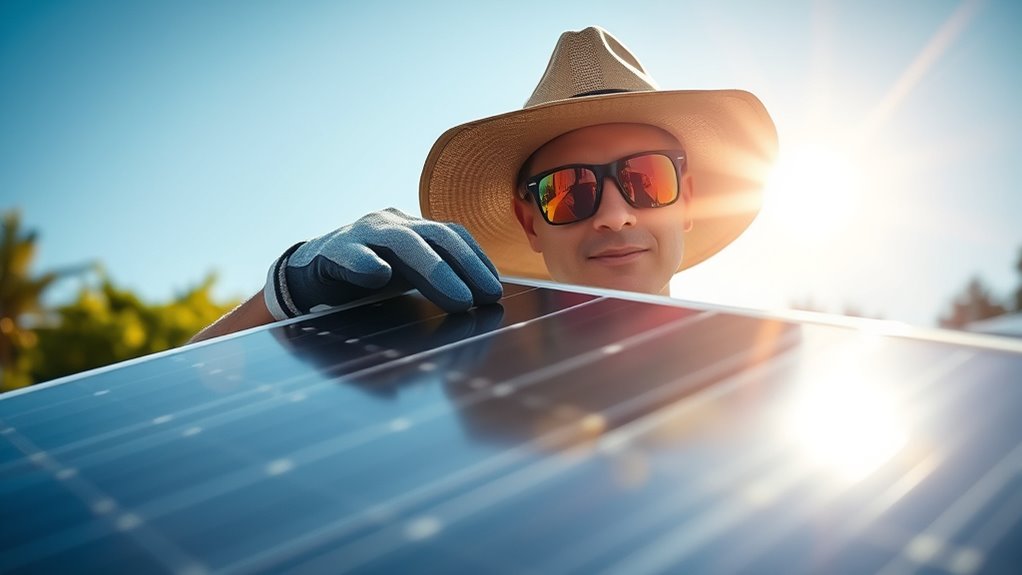
Another significant concern is sun exposure risks. Working on rooftops or ladders under the sun exposes you to heat and UV radiation, which can cause sunburns, heat exhaustion, or even heatstroke if you’re not careful. It’s important to stay hydrated, wear protective clothing, and apply sunscreen during outdoor tasks. Limit your working hours during peak sunlight to reduce the risk of heat-related illnesses. Additionally, prolonged sun exposure can impair your judgment or cause fatigue, increasing the chance of accidents. Take frequent breaks in shaded areas to stay alert and safe.
Electrical hazards also pose a serious danger if you’re not cautious. Solar panels generate direct current (DC) electricity, which can cause shocks if touched improperly. When working on or near your solar system, always turn off the inverter and disconnect the power supply. Use insulated tools to minimize risk, and avoid working in wet conditions, as water conducts electricity and heightens the danger of shocks. If you’re unsure about handling electrical components, it’s better to consult a licensed technician rather than risk injury.
Additionally, the physical installation process itself carries risks. Climbing onto rooftops or using ladders to access solar panels can lead to falls or injuries if safety protocols aren’t followed. Always secure ladders properly, wear slip-resistant footwear, and use harnesses when necessary. Don’t rush through installation or maintenance; take your time and double-check all safety measures. Remember, neglecting these precautions can result in serious injuries or even fatalities.

COOLJOB A3 Cut Resistant Fishing Gloves for Men, Touchscreen Safety Work Gloves with Grip Nitrile Rubber Coating for Glass Handling Wood Carving, Saltwater Fishing Gear, Black, Xlarge, 1 Pair
[Cut-Resistant and Durable] This glove is made from high-performance polyethylene (HPPE) and metal yarn, providing a remarkable A3…
As an affiliate, we earn on qualifying purchases.
As an affiliate, we earn on qualifying purchases.
Frequently Asked Questions
How Do I Safely Maintain My Solar Panel System?
To safely maintain your solar panel system, start with regular solar panel cleaning to prevent dirt buildup that reduces efficiency. Always turn off the system before performing inverter maintenance to avoid electrical shocks. Use proper safety gear like gloves and goggles, and work during daylight hours with stable weather. If you’re unsure, hire a professional to handle complex tasks, ensuring your system stays safe and effective.
What Should I Do if My Solar Panels Get Damaged?
If your solar panels get damaged, first make certain your safety by turning off the system. Inspect the damage carefully, and avoid touching exposed wiring. Document the damage with photos for insurance claims. Contact a licensed technician to evaluate and repair the panels before restarting your system. Filing insurance claims promptly can help cover repair costs and restore your solar energy system efficiently.
Are There Specific Safety Precautions for Rooftop Solar Installations?
When working on rooftop solar installations, you should always follow safety precautions like proper roof anchoring to prevent falls. Guarantee weatherproofing measures are in place to protect electrical components from water damage, especially during storms. Use appropriate safety gear, such as harnesses and helmets, and verify that all electrical connections are secure. Regularly inspect the system for damage or wear, and never work on the roof during adverse weather conditions.
How Can I Identify Electrical Hazards in Solar Systems?
You can identify electrical hazards in solar systems by conducting regular electrical inspections and wiring inspections. Look for frayed or exposed wires, loose connections, or signs of corrosion. Always turn off the system before inspecting and use appropriate tools. If you notice sparks, burning smells, or overheating components, disconnect the system immediately and consult a licensed electrician. Staying vigilant during inspections helps prevent electrical hazards and guarantees your solar system operates safely.
What Are the Long-Term Safety Considerations for Solar Panel Use?
Think of your solar system as a garden that needs ongoing care. Over time, panel degradation signals the need for inspection, guaranteeing safe operation and maximizing system lifespan. Regular maintenance helps identify potential issues early, preventing long-term safety risks. By monitoring performance and addressing wear, you safeguard your investment and ensure your solar setup remains a reliable, safe energy source for years to come.

Klein Tools 68426S Solar Panel Insulating Wrench, Assembly and Disassembly Tool for MC4 Style PV Connectors, 2-Piece
SOLAR INSULATING WRENCH: Designed for MC4 Style PV connectors, facilitating both assembly and disassembly tasks effortlessly
As an affiliate, we earn on qualifying purchases.
As an affiliate, we earn on qualifying purchases.
Conclusion
By staying alert and following safety guidelines, you can navigate solar work like a skilled navigator steering through calm waters. Always inspect equipment, wear proper gear, and be aware of potential hazards to protect yourself from harm. Remember, safety isn’t just a rule—it’s your best shield against accidents. Think of each precaution as a sturdy anchor holding you steady amidst the unpredictable currents of working with solar energy. Stay safe and shine brightly!

62-Pack Solar PV System Label Kit – Code 2020/2023 Compliant Photovoltaic Stickers – UV Resistant & Reflective Vinyl – Complete Solar Warning Labels for Installers, Inspectors & Homeowners
[PASS INSPECTION WITH CONFIDENCE] Don't let a failed inspection delay your project. This comprehensive 62-piece solar label kit…
As an affiliate, we earn on qualifying purchases.
As an affiliate, we earn on qualifying purchases.
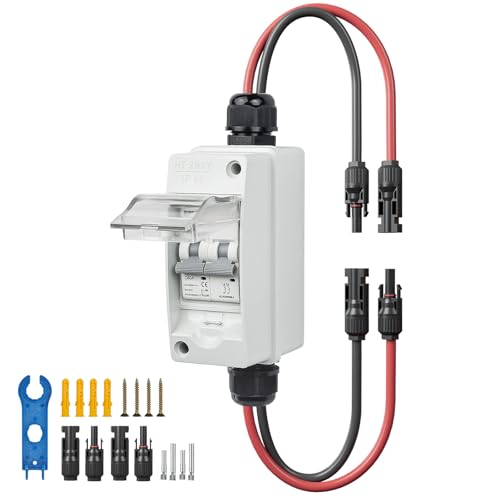
Pjerjzn Solar Panel Disconnect Switch 1000V 60A PV Disconnect Switch Outdoor Miniature Circuit Breaker IP65 for Solar PV Homes Battery (1000V 60 Amp)
𝐏𝐫𝐞𝐦𝐢𝐮𝐦 𝐐𝐮𝐚𝐥𝐢𝐭𝐲: .Pjerjzn solar panel disconnector switch are newly upgraded with connectors that do not differentiate between male…
As an affiliate, we earn on qualifying purchases.
As an affiliate, we earn on qualifying purchases.