

Battery temperature protection matters more than you think because it keeps you safe from fires, explosions, and costly damage caused by overheating. When temperatures exceed safe limits, systems activate alarms, shut-offs, and cooling methods to prevent thermal runaway. Proper thermal management extends your battery’s lifespan, ensures consistent performance, and avoids unexpected failures. Understanding how temperature impacts battery health helps you make smarter choices about safety and maintenance—if you want to learn how to better safeguard your system, keep exploring.
Key Takeaways
- Prevents thermal runaway, which can lead to fires, explosions, and catastrophic failures.
- Maintains optimal battery performance and extends lifespan by avoiding damage from overheating.
- Ensures safety for users and system components through automatic shut-offs and alarms.
- Reduces costly repairs and replacements by managing temperature fluctuations effectively.
- Enhances overall system reliability and safety in applications like electric vehicles and renewable storage.
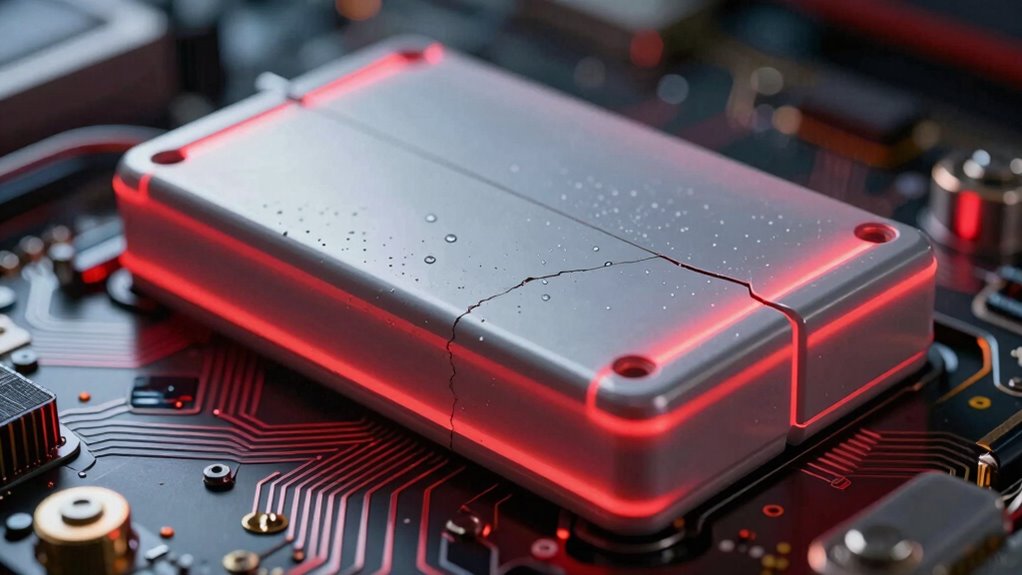
Implementing robust safety protocols is equally important in protecting your batteries from temperature-related issues. These protocols include automatic shut-offs, alarms, or cooling systems that activate when temperatures exceed predefined thresholds. They act as a first line of defense, preventing thermal runaway—a dangerous process where heat causes a rapid increase in temperature, potentially leading to fires or explosions. Safety protocols also involve routine inspections and maintenance, making sure that cooling systems, sensors, and protective devices are functioning correctly. When you follow these protocols diligently, you reduce the likelihood of accidents, ensuring not only your safety but also the integrity of your entire system.
Additionally, understanding thermal management and its impact on system efficiency is crucial, as maintaining optimal temperatures helps prevent internal damage and capacity loss. When batteries operate at *ideal* temperatures, they deliver consistent performance and longer service life. Conversely, neglecting temperature control can lead to uneven wear, capacity loss, and the need for costly replacements. It’s also worth noting that temperature fluctuations can cause physical stress on battery components, increasing the risk of internal damage. That’s why investing in proper cooling systems, thermal insulation, and temperature sensors is essential. These tools help you maintain a stable environment, reducing thermal stress and preserving your batteries’ health over time. Proper thermal regulation techniques can significantly extend the lifespan of batteries by preventing overheating and ensuring uniform temperature distribution. Furthermore, understanding thermal runaway and how it can escalate quickly emphasizes the importance of early detection and intervention.
Being aware of the thermal behavior of batteries can help you anticipate potential issues before they become critical. In the end, protecting your batteries from temperature extremes is about more than just avoiding inconvenience—it’s about ensuring safety, maximizing lifespan, and maintaining system reliability. By prioritizing thermal management and adhering to strict safety protocols, you’re safeguarding your investment and preventing potentially catastrophic failures. Whether you’re managing batteries for electric vehicles, renewable energy storage, or portable devices, understanding the importance of temperature protection helps you make smarter decisions, keep systems running smoothly, and avoid costly setbacks down the line.

12V 100Ah LiFePO4 Lithium Battery, BCI Group 24 Deep Cycle Solar Battery with Low-Temp Protection, 100A BMS, 1280Wh, 15000 Cycles, 10-Year Lifespan for RV, Marine, Trolling Motor, Marine, Solar Use
【Product Overview】Designed for deep cycle energy storage applications, SUPER EMPOWER LiFePO₄ batteries provide reliable power for RV, marine,…
As an affiliate, we earn on qualifying purchases.
As an affiliate, we earn on qualifying purchases.
Frequently Asked Questions
How Does High Temperature Affect Battery Lifespan?
High temperatures can substantially shorten your battery’s lifespan. When it gets too hot, it accelerates chemical reactions inside, causing faster degradation. Proper thermal management and battery cooling help keep temperatures in check, protecting the battery from damage. By maintaining ideal temperature levels, you guarantee your battery lasts longer and performs better. Neglecting thermal management leads to increased wear and reduced overall lifespan, making battery cooling crucial for longevity.
Can Temperature Protection Prevent All Battery Failures?
Battery temperature protection can’t prevent all failures, but it markedly reduces risks. By managing thermal conditions, you protect the battery chemistry from extreme heat, which can cause capacity loss or even dangerous failures. Proper thermal management helps maintain peak performance and longevity. While it’s not foolproof, it’s an essential safeguard that minimizes damage caused by temperature fluctuations, ensuring your battery operates safely and efficiently over time.
What Are the Signs of Temperature-Related Battery Issues?
You might notice your battery heats up unexpectedly, which is a clear sign of overheating. Swelling, loss of charge, or rapid battery drain also point to thermal management issues. Sometimes, these signs appear during hot weather or after intensive use. Keep an eye out for these symptoms, as they indicate temperature-related battery problems. Addressing overheating early can prevent failure and extend your battery’s lifespan.
Is Temperature Protection Necessary for All Types of Batteries?
Yes, temperature protection is necessary for all types of batteries because different battery chemistries react differently to temperature extremes. Thermal management helps prevent overheating and freezing, which can damage the battery and reduce its lifespan. Whether you’re working with lithium-ion, lead-acid, or other chemistries, incorporating temperature protection guarantees safety, ideal performance, and longevity, making it a vital aspect of battery maintenance and design.
How Does Cold Temperature Impact Battery Performance?
Cold temperatures reduce your battery’s performance by decreasing its cold resilience, making it harder to deliver power efficiently. You’ll notice reduced capacity and longer charging times. To combat this, proper temperature calibration is essential, ensuring your battery operates safely and best even in chilly conditions. Protecting against cold impacts extends your battery’s lifespan and maintains reliable performance, especially in environments where temperature fluctuations are common.
Thermal Management System for Lithium-Ion Batteries
As an affiliate, we earn on qualifying purchases.
As an affiliate, we earn on qualifying purchases.
Conclusion
Taking battery temperature protection seriously isn’t just about avoiding minor issues — it can considerably extend your battery’s lifespan and prevent dangerous failures. Did you know that overheating can reduce a lithium-ion battery’s lifespan by up to 50%? By keeping an eye on temperature and ensuring proper protection, you’re not only safeguarding your device but also saving money in the long run. Stay proactive, stay safe, and give your battery the care it deserves.

Victron Energy Smart Battery Sense, Voltage and Temperature Sensor
Victron Energy Smart Battery Sense is a wireless battery voltage and temperature sensor for Victron Energy MPPT Solar…
As an affiliate, we earn on qualifying purchases.
As an affiliate, we earn on qualifying purchases.
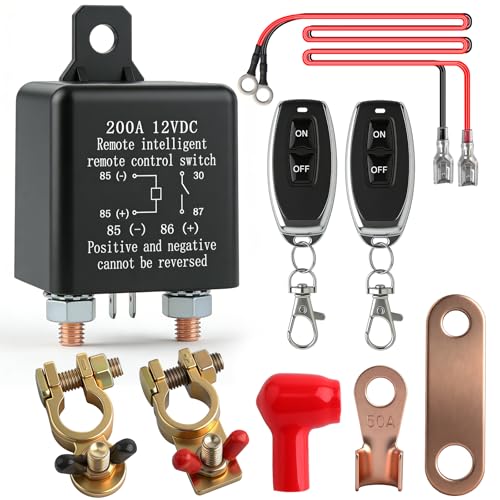
Remote Battery Disconnect Switch 12V, 200A Remote Control Battery Kill Switch, Anti Theft and Battery Drain Automatic Power Shut Off Switch for Car, Auto, ATV, Truck
Ultimate Protection: The remote battery disconnect switch easily solve the problem of battery drain and also protects the…
As an affiliate, we earn on qualifying purchases.
As an affiliate, we earn on qualifying purchases.