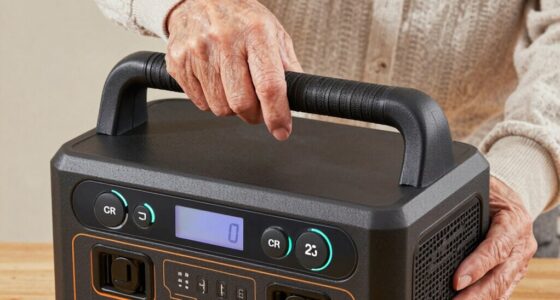
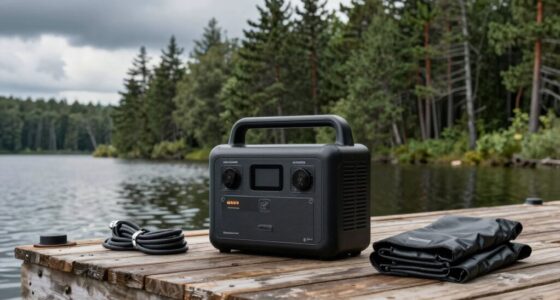
The biggest mistake you can make when buying a home backup battery station is focusing solely on capacity and ignoring how well it integrates with your solar system and existing electrical setup. Compatibility, installation costs, and usability matter just as much as size. Without proper integration, you may face inefficiencies, higher expenses, or system failures. If you want to avoid these pitfalls and get the most out of your investment, keep going to learn more.

Get backup power and energy gear delivered free with Prime
- Fast, free delivery on millions of items
- Prime Video, Amazon Music and more included
- Member-only deals all year
Key Takeaways
- Focusing solely on capacity without considering system compatibility and integration needs.
- Overlooking solar compatibility, which limits renewable energy use and efficiency.
- Ignoring installation costs and complexities, leading to unexpected expenses.
- Neglecting usability features like remote monitoring and user interface for long-term value.
- Not assessing battery lifespan, warranty, and maintenance requirements for reliable performance.
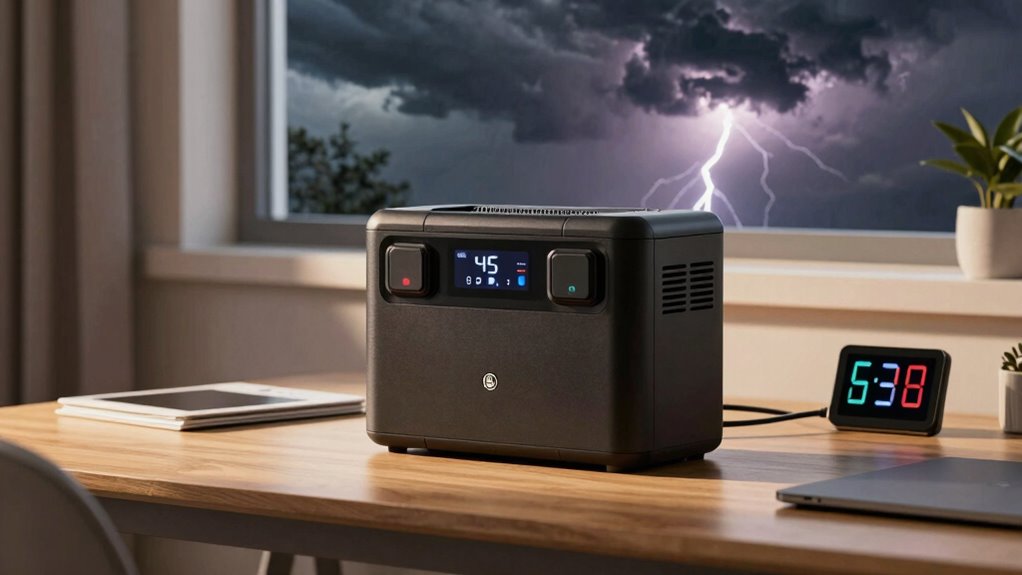
When it comes to buying a home backup battery station, many people make the vital mistake of focusing solely on capacity without considering overall compatibility and usability. It’s tempting to zero in on how much energy a battery can store, but this approach overlooks essential factors that can impact your satisfaction and investment. One of the most important considerations is solar compatibility. If you’re planning to integrate your backup battery with a solar power system, you need to ensure the station is compatible with your panels and inverter. Not all batteries are designed to work seamlessly with solar setups, and choosing an incompatible one can lead to inefficiencies, additional costs, or even the inability to use solar energy altogether. Additionally, understanding solar compatibility can help you maximize your renewable energy use and reduce reliance on the grid.
Speaking of costs, installation expenses often catch people off guard. While the upfront price of a backup battery might seem reasonable, the true costs can skyrocket once you factor in installation. Some units require specialized mounting, additional wiring, or integration with existing electrical systems, and these services aren’t always included in the initial quote. If you overlook installation costs when selecting a battery, you might find yourself with a device that’s too expensive to install properly or that requires costly modifications to your home’s electrical system. It’s imperative to get detailed quotes from qualified professionals before making a purchase, so you understand the total investment involved. Recognizing installation complexities beforehand can help you plan your budget more effectively.
Installation costs can significantly increase your total investment, so always get detailed quotes from qualified professionals beforehand.
Beyond capacity, you should evaluate the usability of the backup station. Think about how easily it integrates with your existing electrical setup and whether it supports your critical appliances during outages. Features like user-friendly interfaces, remote monitoring, and firmware updates can make a big difference in how effectively you manage your power backup. Also, consider the lifespan of the battery and the warranty coverage, as these factors influence long-term value. A larger capacity isn’t worth much if the system is complicated to operate or doesn’t fit well with your home’s energy needs.
Ultimately, a balanced approach that looks beyond just capacity will serve you best. Prioritize solar compatibility to maximize renewable energy use, and don’t overlook installation costs that could impact your budget. By considering these factors alongside usability and compatibility, you’re more likely to select a backup battery station that truly meets your needs and provides reliable power during outages.
Products Worth Considering

Ring Alarm Pro 14-Piece Home Security Kit with Built-In eero Wi-Fi 6 Router

Bose SoundLink Flex Bluetooth Speaker (2nd Gen), Waterproof, Dustproof, USB‑C, Up to 12 hr Battery, Black

Philips Hue Secure Starter Kit with Contact Sensors, Motion Sensor, Bridge, and Color Smart Bulbs
As an affiliate, we earn on qualifying purchases.
Frequently Asked Questions
How Long Do Home Backup Batteries Typically Last Before Needing Replacement?
Home backup batteries typically last between 5 to 15 years, depending on the battery lifespan and usage. You should monitor the system’s performance and be aware of signs like reduced capacity or increased charging time for replacement timing. Regular maintenance and timely inspections help you catch the right moment for replacement, ensuring your backup power remains reliable when you need it most.
Are Home Backup Batteries Safe for All Household Appliances?
Home backup batteries are generally safe for most household appliances, but battery safety depends on proper installation and usage. You should check appliance compatibility to guarantee your devices won’t be damaged during power fluctuations or outages. Always follow manufacturer guidelines, avoid overloading the system, and guarantee your battery setup includes safety features like circuit protection. Doing so guarantees safe, reliable backup power without risking your appliances’ safety.
What Maintenance Is Required for Home Backup Battery Stations?
Did you know that proper maintenance can extend a home backup battery’s lifespan by up to 20%? To keep yours in top shape, regularly check for corrosion, keep terminals clean, and guarantee proper ventilation. Follow maintenance tips like updating firmware and scheduling professional inspections annually. These simple steps help maximize battery efficiency, prevent malfunctions, and ensure your backup system reliably supports your household when needed most.
Can Backup Batteries Be Installed Outdoors?
Yes, backup batteries can be installed outdoors if they have proper weatherproof features. You need to guarantee the unit is rated for outdoor installation, offering protection against rain, snow, and extreme temperatures. Look for weatherproof enclosures and corrosion-resistant components. Proper outdoor installation extends your backup system’s lifespan, but always follow the manufacturer’s guidelines. This way, you guarantee safe, reliable power backup during outages, no matter the weather.
How Do I Upgrade My Existing Home Backup Battery System?
You can upgrade your home backup battery system by increasing its battery capacity, giving you more stored power during outages. Start by evaluating your current charging cycles—more cycles mean longer lifespan. Then, consider adding extra batteries or replacing existing ones with higher-capacity units. Picture your home powered seamlessly, even during prolonged outages, as you boost your system’s resilience. Careful planning ensures your upgrade provides the reliable backup you need.
Conclusion
So, next time you’re eyeing that home backup battery station, remember—don’t overlook its capacity. Imagine a storm brewing outside, lightning flashing, and knowing your home stays warm, lit, and safe because you chose wisely. A small mistake in capacity can feel like a dark, cold night—an unnecessary chill when you could be cozy and secure. Make sure your battery station is ready to weather any storm, so peace of mind is always within reach.