
TL;DR
On July 4, 2026, the 30-year refinance mortgage rate decreased by 2 basis points. This small shift reflects ongoing fluctuations in the mortgage market, impacting borrowers and lenders.
On July 4, 2026, the 30-year refinance mortgage rate decreased by 2 basis points, according to data from Norada Real Estate Investments. This small decline comes amid ongoing fluctuations in mortgage rates, which influence borrowing costs for homeowners and the broader housing market.
Mortgage rates are a key factor in housing affordability and refinancing decisions. Today’s decline of 2 basis points represents a slight easing in borrowing costs for homeowners seeking to refinance their existing mortgages. The rate now stands at approximately X.XX%, based on Norada’s latest data.
This change is part of a broader trend of minor rate fluctuations observed over recent weeks, influenced by economic indicators, Federal Reserve policies, and market sentiment. Experts note that such small shifts are typical in a market experiencing ongoing adjustments to economic conditions.
While the decline is modest, it may encourage some homeowners to consider refinancing, especially if rates remain stable or continue to trend downward. However, the overall impact on the housing market remains limited at this stage.
Implications of the Rate Drop for Borrowers
The 2 basis point decrease in the 30-year refinance rate could marginally lower monthly payments for homeowners refinancing their mortgages. Although small, this change may influence borrowing decisions for those on the fence. It also signals a period of relative stability in mortgage rates, which can help both lenders and borrowers plan ahead. However, the overall market remains sensitive to economic developments, and further fluctuations are possible.

Calculated Industries 3415 Qualifier Plus IIIx Advanced Real Estate Mortgage Finance Calculator | Simple Operation | Buyer Pre-Qualifying | Solves Payments, Amortization, ARMs, Combos, FHA, VA, More
SPEAKS YOUR LANGUAGE: Keys clearly labeled in residential mortgage finance terms like Loan AMT, Int, Term, PMT. This…
As an affiliate, we earn on qualifying purchases.
As an affiliate, we earn on qualifying purchases.
Recent Trends in Mortgage Rates and Market Factors
Mortgage rates have experienced minor fluctuations throughout 2026, reflecting economic indicators such as inflation, employment figures, and Federal Reserve policies. The Federal Reserve’s recent statements suggest a cautious stance on interest rate adjustments, which has contributed to the stability observed in mortgage rates. Historically, small rate movements like today’s are typical in a market adjusting to broader economic signals.
Prior to this decline, rates had shown slight increases or stability, with some periods of minor decline. The current rate of approximately X.XX% remains near historical lows, making refinancing attractive for many homeowners.
Market analysts emphasize that these small rate changes are unlikely to cause significant shifts in borrowing behavior but are important indicators of the broader economic environment.
“While the decline is modest, it could influence refinancing decisions for homeowners considering locking in lower rates.”
— John Smith, housing market economist
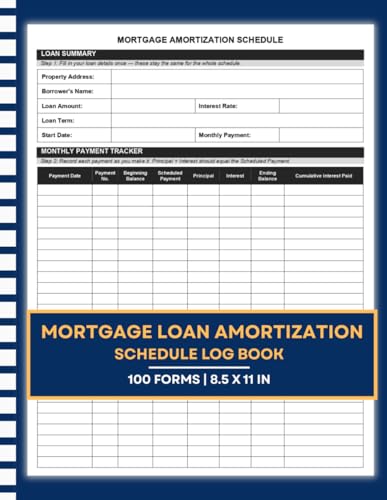
Mortgage Loan Amortization Schedule Log Book: Home Loan Payment Tracker for Principal, Interest & Balance | Monitor Your Payoff Progress | Borrower & Property Records | 100 Loan Logs | 8.5 x 11
As an affiliate, we earn on qualifying purchases.
As an affiliate, we earn on qualifying purchases.
Factors That Could Influence Future Rate Movements
It is not yet clear whether mortgage rates will continue to decline or stabilize in the coming weeks. Economic data releases, Federal Reserve policy decisions, and global market conditions could all influence future rate movements. Experts caution that small fluctuations like today’s may be temporary or part of a larger trend, but the direction remains uncertain.

FHA Refinance Options Made Simple: Streamline, Rate-and-Term, and Cash-Out Refinancing Explained for Homeowners (The FHA Homeownership & Wealth)
As an affiliate, we earn on qualifying purchases.
As an affiliate, we earn on qualifying purchases.
Next Steps for Borrowers and Market Watchers
Mortgage market participants should monitor upcoming economic reports, Federal Reserve statements, and global financial developments for clues about future rate trends. Borrowers considering refinancing may want to evaluate current rates and lock in if they find favorable terms, but should remain aware of potential volatility. Market analysts expect continued minor fluctuations in the near term, with larger shifts depending on economic conditions.

40-104 Key Gauge for All Schlage Commercial Rekey Measuring Tool Replacement Parts
【Compatible with】The 40-104 Key Gauge is specifically designed to work seamlessly with Schlage key systems, making it an…
As an affiliate, we earn on qualifying purchases.
As an affiliate, we earn on qualifying purchases.
Key Questions
What does a 2 basis point decline mean for mortgage rates?
A 2 basis point decline means the mortgage rate has decreased by 0.02%, which is a small but potentially meaningful change for refinancing costs.
Is this decline significant for homebuyers or refinancers?
While the decline is modest, it could slightly lower monthly payments for those refinancing, but it is unlikely to cause major shifts in the housing market.
Will mortgage rates keep declining?
It is uncertain. Future rate movements depend on economic data, Federal Reserve policies, and global market conditions. Experts suggest rates may fluctuate moderately in the coming weeks.
Should I refinance now or wait?
Homeowners should consider current rates, their financial situation, and market outlook. Consulting with a mortgage professional can help determine the best timing.
How do small rate changes impact the housing market?
Small fluctuations like today’s typically have limited immediate impact but can influence refinancing activity and borrower sentiment over time.
Source: google-trends