TL;DR
A pioneering floating waterfall power plant inspired by baobab trees has been launched off Madagascar, utilizing ocean water to produce renewable energy. The project aims to demonstrate eco-friendly energy solutions and marine integration.
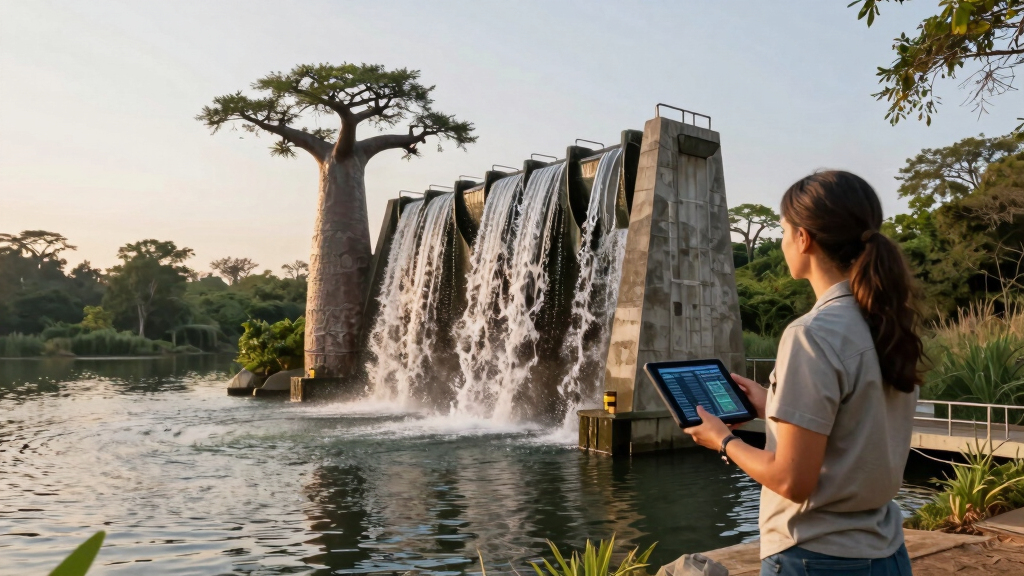
A floating waterfall power plant inspired by baobab trees has begun generating renewable energy off Madagascar, marking a novel approach to marine-based power production. The project, developed by an international team of engineers and designers, aims to harness ocean water through a continuous waterfall system to produce electricity, highlighting innovative sustainable energy solutions.
The power plant features a large, floating structure that directs ocean water through a waterfall system, creating a continuous flow that drives turbines to generate electricity. Its design draws inspiration from the shape and resilience of baobab trees, known for their thick trunks and water-storing capabilities. The project was officially launched in early June 2026 and is now operational, with initial energy output meeting expected benchmarks.
Officials involved in the project confirm that the system uses ocean water diverted through underwater marine domes, which are part of the structure’s design. The entire setup is anchored off Madagascar’s coast, aiming to provide a renewable energy source that minimizes environmental impact and avoids land-based infrastructure. The project is part of broader efforts to develop sustainable marine energy solutions and reduce reliance on fossil fuels in island nations.
Innovative Marine Energy Inspired by Nature
This development is significant because it introduces a new form of renewable energy that leverages ocean water and biomimicry, potentially transforming how island nations and coastal regions generate power. The design’s inspiration from baobab trees emphasizes resilience and water management, qualities crucial for sustainable infrastructure in challenging environments. If successful, this technology could be replicated in other coastal areas, reducing carbon emissions and advancing global renewable energy adoption.

16000W 20000W Wind Turbine Generator Kit – Portable Vertical 3-Blade Helix Power System with Charge Controller for Marine, RV, Home, Industrial Energy – Renewable Energy Solution(220V)
- Vertical Wind Direction Capability: 360° wind direction operation
- Efficient Blade Design: Lightweight, aerodynamic nylon blades
- Wide Operating Temperature: -40℃ to 80℃ range
As an affiliate, we earn on qualifying purchases.
As an affiliate, we earn on qualifying purchases.
Emergence of Floating Waterfall Power Technologies
Floating waterfall systems are an emerging concept in renewable energy, combining marine engineering with ecological design. Previous projects have explored tidal and wave energy, but this installation is among the first to mimic natural structures like baobabs for energy generation. The project aligns with recent trends in ecological architecture and marine innovation, with similar concepts proposed in recent years, though few have reached operational status.
Madagascar’s unique marine environment and the global push for sustainable energy have made it an ideal location for testing such innovative systems. The project builds on ongoing research into marine-based renewable sources and reflects a broader shift toward integrating biomimicry into infrastructure design.
“This system demonstrates how nature-inspired design can lead to effective renewable energy solutions that are environmentally harmonious.”
— an anonymous researcher involved in the project
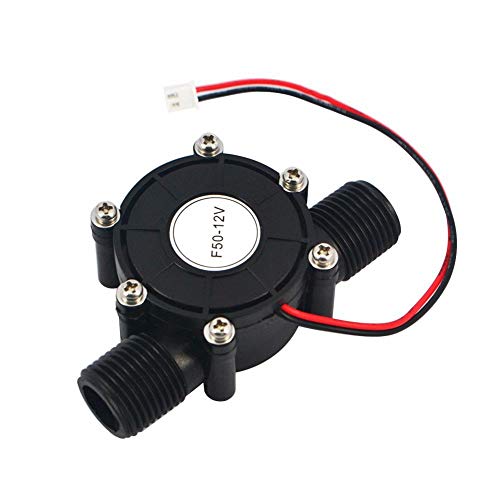
Beduan Micro Water Turbine Generator Hydroelectric Power G1/2" Male Thread 12V Micro Hydro Generator Changeing Tool
- Output Voltage: 12V DC with 1.2Mpa pressure limit
- Low Noise Operation: Mechanical noise ≤55dB
- Long Lifespan: Generator life ≥3000 hours
As an affiliate, we earn on qualifying purchases.
As an affiliate, we earn on qualifying purchases.
Unconfirmed Long-Term Performance and Environmental Impact
It is still unclear how the system will perform over the long term, including durability, maintenance needs, and actual energy output compared to projections. Additionally, the environmental impact on local marine ecosystems remains under study, with ongoing assessments required to confirm ecological safety and sustainability.
ocean water energy harnessing device
As an affiliate, we earn on qualifying purchases.
As an affiliate, we earn on qualifying purchases.
Monitoring, Expansion, and Replication Potential
The immediate next steps include continuous monitoring of the plant’s performance and environmental effects. Researchers and engineers will evaluate its efficiency and ecological footprint over the coming months. If successful, plans for scaling the system or deploying similar projects in other coastal regions are likely to follow, potentially influencing future renewable energy strategies globally.

As an affiliate, we earn on qualifying purchases.
Key Questions
How does the floating waterfall system generate electricity?
Ocean water is directed through a continuous waterfall system that drives turbines, converting kinetic energy into electricity.
Why is the design inspired by baobab trees?
The design draws from the resilience and water-storing characteristics of baobabs, aiming to create a sustainable, nature-inspired energy system.
Is this technology environmentally safe?
Initial assessments suggest minimal environmental impact, but comprehensive ecological studies are ongoing to confirm safety and sustainability.
Can this system be used in other locations?
If proven effective and sustainable, similar floating waterfall systems could be adapted for other coastal and island regions worldwide.
What are the next steps for this project?
Researchers will monitor performance, environmental effects, and explore scaling options for broader deployment.
Source: designboom