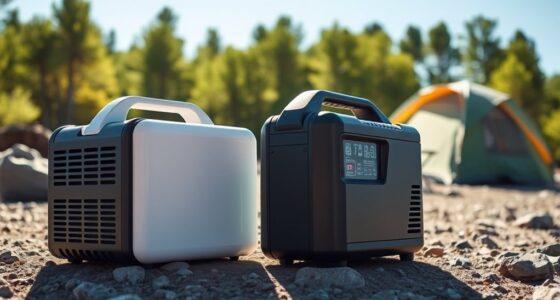
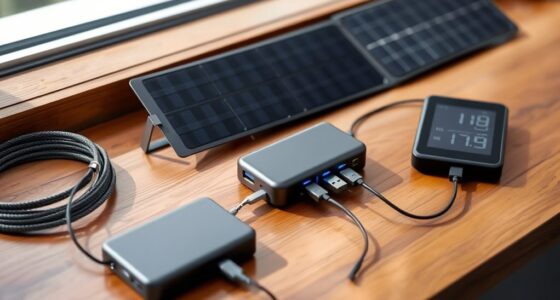
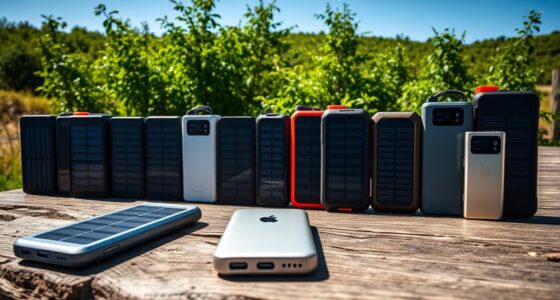
Solar-powered backup batteries provide clean, renewable energy storage for emergencies, outdoor adventures, and home backup needs. The best models balance capacity, portability, and charging speed, but often require tradeoffs between power and size. The Jackery Solar Generator 1000 V2 stands out for its high capacity and fast charging, while the PowerMax 3600 PE offers massive power output for serious backup. Smaller, portable options like the SOARAISE Power Bank excel for on-the-go charging but lack high capacity. Keep reading for a detailed look at the top choices, their strengths, and what to consider when selecting your ideal solar backup system.
Complete the kit


Key Takeaways
- High-capacity models like the PowerMax 3600 PE deliver serious backup power but are less portable and more expensive.
- LiFePO4 battery technology offers longer lifespan and safety benefits, favored in premium picks like Jackery Explorer 1000 V2.
- Portability varies widely; smaller power banks are perfect for camping, but lack the capacity needed for home backup.
- Fast charging and solar input compatibility are critical for minimizing downtime during power outages.
- Price and build quality often correlate; investing more generally yields more durable and capable units.




| solar-powered backup batterie | Capacity | Weight |
|---|---|---|
| Solar Powered Generator 100W w | — | 3.3 lbs |
| Portable Solar Generator with | — | 5 lbs |
| Portable Solar Generator 300W | — | — |
| SOARAISE Solar Power Bank 4800 | 48000mAh | — |
| PowerMax 3600 PE Portable Powe | — | — |
| ECO-WORTHY Cubix100 48V 200Ah | 200Ah | — |
| Jackery Solar Generator 1000 V | 1070Wh | 23.8 lbs |
| 12V 300Ah Lithium LiFePO4 Batt | 300Ah (314Ah nominal) | 57 lbs |
| Jackery Explorer 300 Portable | 292Wh | 7.5 lbs |
| 1000W Portable Power Station | 999Wh | 8.1kg |
| Anker Portable Power Station S | 288Wh | — |
More Details on Our Top Picks
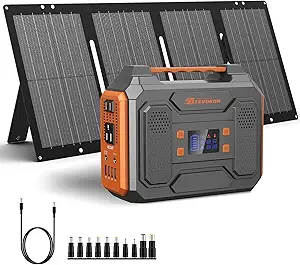
Solar Powered Generator 100W with 40W Solar Panels, Portable Power Station with 146Wh Capacity
This compact solar generator excels at providing emergency power during outdoor adventures due to its lightweight design and multiple output options. Unlike larger units like the PowerMax 3600 PE, its 146Wh capacity limits runtime for multiple devices, making it less suitable for sustained backup. Its 40W solar panel offers quick setup but may struggle under low-light or cloudy conditions, unlike the high-efficiency panels on bigger models. The built-in LED flashlight adds utility, though the device’s 100W AC limit restricts powering larger appliances. This pick is ideal for campers and hikers needing a reliable, portable power source for small devices, but not for those requiring extended off-grid power.
Pros:- Lightweight and highly portable at just 3.3 lbs
- Multiple outputs including AC, USB, and DC for versatile device charging
- Built-in LED flashlight with multiple modes for outdoor use
Cons:- Limited to 100W AC output, unsuitable for larger appliances
- Lack of detailed charging time and runtime info
Best for: Outdoor enthusiasts and emergency prepper who need a lightweight, portable backup for small devices
Not ideal for: Homeowners seeking to backup multiple appliances or run high-power devices during outages
- Power Capacity:146Wh
- Solar Panel Power:40W
- Weight:3.3 lbs
- Outputs:2x110V AC, USB A, USB C, DC 12V
- Battery Management System:Yes
- Charging Time:Not specified
Our verdict“This model is best for those needing a light, portable backup for small devices during outdoor trips or emergencies.”
Portable Solar Generator with 300W Power Station and 40W Solar Panel
Compared to the smaller generator, this unit offers a higher 220Wh battery capacity and a 300W continuous output, making it more capable of handling small appliances during trips. Its 40W solar panel facilitates recharging in outdoor settings, similar to the smaller models, but with better device compatibility thanks to multiple ports, including USB-C PD and AC outlets. However, the 220Wh capacity might fall short for longer use or high-power devices, unlike the PowerMax 3600 PE, which is better suited for extended backup needs. This generator strikes a balance for outdoor users who want moderate power without excessive weight, but it is less ideal for prolonged off-grid power.
Pros:- Lightweight and portable at around 5 lbs
- Multiple device charging options, including high-output USB-C PD
- Includes a high-efficiency 40W solar panel for renewable recharging
Cons:- Limited battery capacity for extended use
- Maximum 300W continuous power may not support high-startup appliances
Best for: Campers and outdoor adventurers who need a portable, versatile power source for small appliances and devices
Not ideal for: People needing continuous, high-capacity backup for home appliances or large devices
- Power Output:300W (600W peak)
- Battery Capacity:220Wh
- Solar Panel:40W
- Weight:5 lbs
- Ports:2 AC, 2 USB-C PD, 3 USB-A, 1 DC
- Dimensions:8.5×6.7×4.1 in
Our verdict“This generator suits outdoor users looking for a portable power unit with moderate capacity and solar recharging capability.”
Portable Solar Generator 300W with 60W Solar Panel – 110V Pure Sine Wave, 280Wh Battery, USB QC3.0, DC, AC Outlets for Camping and Outdoor Use
With a 280Wh battery and a 60W foldable solar panel, this generator provides more power capacity than the smaller options, making it suitable for charging laptops, tablets, and small appliances. Its pure sine wave inverter and multiple ports offer clean power, similar to the PowerMax 3600 PE but on a smaller scale. Nevertheless, the 300W max output limits use with high-startup devices, and the device’s performance may diminish if not regularly charged, unlike larger units with longer cycle lives. This model is a good choice for campers needing a reliable, portable power source for moderate loads, but it isn’t designed for heavy-duty or prolonged backup.
Pros:- Powerful 300W output suitable for small appliances
- Includes a foldable 60W solar panel for easy outdoor charging
- Multiple safety protections and built-in flashlight with SOS mode
Cons:- Limited to devices under 300W or with high startup power
- Performance may decline without regular charging
Best for: Campers and outdoor lovers needing a lightweight, reliable power source for small to medium devices
Not ideal for: Users requiring high wattage support or long-term backup for multiple appliances
- Power Output:300W
- Battery Capacity:280Wh
- Solar Panel:60W
- AC Outlets:2 x 300W max
- USB Ports:3 x 5V/3A, 1 x QC3.0
- Protection Features:Short circuit, over-current, over-voltage, overload, overheating
Our verdict“Ideal for outdoor users who want a portable, safe power solution for small appliances and devices on camping trips.”
SOARAISE Solar Power Bank 48000mAh Wireless Portable Charger with Multiple Cables and Solar Panels
This high-capacity 48,000mAh power bank with four solar panels offers extended off-grid power, making it suitable for long outdoor trips. Its ability to wirelessly charge devices and support fast charging via multiple ports makes it stand out compared to smaller capacity units like the Solar Powered Generator 100W. However, its bulkier size and weight can hinder portability, especially when compared with lighter models like the PowerMax 3600 PE. Solar charging performance depends heavily on sunlight, and the weight may be a drawback for those seeking a truly portable solution. Still, for extended outdoor use where power availability is limited, this model delivers significant capacity and versatility.
Pros:- Massive 48,000mAh capacity for extended device use
- Supports wireless charging and fast wired charging
- Multiple ports allow charging several devices simultaneously
Cons:- Bulkier and heavier than smaller portable options
- Dependent on sunlight for solar recharging, which can be inconsistent
Best for: Outdoor enthusiasts and travelers needing a large-capacity, versatile power source for prolonged use
Not ideal for: Casual users or those with limited space, due to its bulk and weight
- Capacity:48000mAh
- Solar Panels:4 panels
- Ports:2 USB-A, 1 USB-C (input/output)
- Wireless Charging:Yes
Our verdict“This power bank suits those who need high capacity and multiple charging options for extended outdoor adventures, despite its size.”
PowerMax 3600 PE Portable Power Station with 2x200W Solar Panel, 3600W (Peak 7200W) Output, 2016Wh LFP Battery, Fast Charge, Solar Generator for Home Backup and Camping
The PowerMax 3600 PE stands out for its enormous 2016Wh LiFePO₄ battery, capable of powering entire homes or large camping setups. Its 3600W continuous output, with peaks up to 7200W, surpasses all others here, making it suitable for running high-power appliances during outages. The inclusion of 2x200W solar panels allows fast recharging, similar to larger setups, but with the tradeoff of significant weight and size, making portability challenging. Compared with the smaller, lighter units, it offers unmatched capacity and power but isn’t practical for frequent outdoor portability. This model is best for those seeking a reliable, long-term backup with high wattage and fast recharge times, not for lightweight camping or quick outdoor trips.
Pros:- Massive 2016Wh capacity with over 4000 cycle lifespan
- High 3600W continuous power with peaks up to 7200W
- Fast charging in 1.5 hours via AC and solar
Cons:- Heavy and bulky, reducing portability
- Higher price point reflects its advanced capabilities
Best for: Homeowners or off-grid users requiring a reliable, high-capacity backup with fast solar recharge
Not ideal for: Individuals needing a lightweight, portable solution for short outdoor excursions
- Battery Capacity:2016Wh
- Battery Type:LiFePO₄
- Cycle Life:Over 4000 cycles
- Peak Power:7200W
- Continuous Power:3600W
- Fast Charge Time:1.5 hours
Our verdict“This power station is ideal for those needing substantial, reliable backup power for home or off-grid applications, despite its size and weight.”
ECO-WORTHY Cubix100 48V 200Ah LiFePO4 Lithium Battery (2 Pack) with Bluetooth, UL9540 & UL1973 Listed, 10.24KWh Server Rack Battery for Solar & Home Backup
The ECO-WORTHY Cubix100 stands out for its scalability and safety certifications, making it ideal for those building a comprehensive home solar system. Compared with Jackery Solar Generator 1000 V2, it offers expandable capacity up to 163.8kWh, which suits users planning long-term energy independence. The Bluetooth and WiFi monitoring features provide real-time insights, though the reliance on multiple packages could delay setup. Its UL9540 and UL1973 listings reassure safety-conscious buyers, but the lack of clear warranty details might be a concern. This battery pack is perfect for homeowners seeking a flexible, high-capacity solution that can grow over time, rather than quick, portable power.
Pros:- Expandable capacity for future growth
- High safety standards with UL and CEC listings
- Real-time monitoring via Bluetooth and WiFi
- Complete plug-and-play installation kit included
Cons:- May arrive in multiple packages, causing delays
- Warranty information is not fully clarified
Best for: Homeowners wanting a scalable, high-capacity backup system for solar energy storage
Not ideal for: Casual users or renters seeking portable, lightweight backup options
- Voltage:48V
- Capacity:200Ah
- Energy:10.24KWh
- Certifications:UL9540, UL1973, CEC Listed
- Communication:Bluetooth, WiFi, CAN/RS485
- Expansion Capacity:Up to 32 units (163.8kWh)
Our verdict“This pick suits those with a long-term vision for large-scale solar backup and the space to accommodate multiple units.”
Jackery Solar Generator 1000 V2 with 200W Solar Panel, 1070Wh, 1500W AC, Fast Charge, LiFePO4 Battery, USB-C Output, for Outdoor and Emergency Use
The Jackery Solar Generator 1000 V2 excels as a portable power station with a substantial 1070Wh capacity and quick recharge times, making it ideal for outdoor adventures and emergency scenarios. Unlike the Eco-Worthy Cubix100, which is designed for stationary, scalable setups, this model prioritizes mobility and ease of use. Its fast charging from 0% to full in just one hour boosts preparedness, but solar panel and generator are sold separately, adding to initial costs. Weighing 23.8 lbs, it remains portable enough for most outdoor users, though heavier than some compact options. It’s perfect for those needing reliable, quick-to-deploy backup power in a compact form.
Pros:- High-capacity 1070Wh battery suitable for multiple devices
- Fast recharge time of about one hour
- Durable LiFePO4 battery with over 10 years lifespan
- Multiple versatile ports including USB-C and AC outlets
Cons:- Solar panel and additional generator need separate purchase
- Relatively heavy for frequent portability
Best for: Outdoor enthusiasts and emergency preppers needing portable, reliable backup power
Not ideal for: Homeowners seeking a large-scale, expandable solar storage system
- Capacity:1070Wh
- AC Output:1500W
- Surge Peak:3000W
- Weight:23.8 lbs
- Battery Type:LiFePO4
- USB-C Ports:2
Our verdict“This generator is best for users who need portable, fast-charging backup power for outdoor or emergency use, rather than long-term stationary storage.”
12V 300Ah Lithium LiFePO4 Battery with 200A BMS, 4019Wh, Waterproof, for Solar, RV, Backup Power
The 12V 300Ah Lithium LiFePO4 Battery offers a formidable 4019Wh capacity in a waterproof, impact-resistant case, making it ideal for solar setups, RVs, or backup power in tough conditions. Unlike the Jackery Explorer 300, which is designed for portability and short-term use, this model emphasizes durability and long cycle life, with up to 15,000 cycles at 60% DOD. It also includes a built-in BMS for safety and protection, though its performance may drop slightly in cold temperatures below 5°C. Its weight of 57 lbs balances capacity and portability, but it requires regular maintenance like periodic charging. This battery is best for those who need dependable power in challenging environments and can manage its size.
Pros:- High energy capacity with long cycle life
- Waterproof and impact-resistant casing
- Built-in safety protections with BMS
- Suitable for demanding environments
Cons:- Performance drops in cold weather below 5°C
- Requires regular maintenance
Best for: RV owners, off-grid solar systems, and harsh environment backup power users
Not ideal for: Casual campers or those seeking lightweight portable units
- Voltage:12V
- Capacity:300Ah (314Ah nominal)
- Energy Capacity:4019Wh
- Weight:57 lbs
- Cycle Life:Up to 15,000 cycles
- Waterproof Rating:IP65
Our verdict“This battery is suited for users needing durable, high-capacity backup power in rugged or off-grid settings, not for lightweight portability.”
Jackery Explorer 300 Portable Power Station, 292Wh, LiFePO4 Battery, Solar Generator for Outdoors, Camping, Travel, Hunting, Blackout
The Jackery Explorer 300 excels as a compact, lightweight power source for outdoor enthusiasts, weighing only 7.5 lbs with a 292Wh capacity. While it doesn’t match the capacity of larger models like 1000W Portable Power Station, its long-lasting LiFePO4 battery with over 4,000 charge cycles ensures reliability for short trips and emergency needs. Its multiple ports support a variety of devices, but the limited capacity means it won’t run larger appliances or sustain extended outages. Solar charging is possible but requires separate panels, adding to the overall cost. This unit is perfect for campers or travelers prioritizing portability over extended power capacity.
Pros:- Extremely portable and lightweight
- Long-lasting LiFePO4 battery with over 4,000 cycles
- Multiple versatile outputs for various devices
Cons:- Limited capacity restricts powering larger devices
- Solar panel not included
Best for: Camping and outdoor travelers needing lightweight, reliable backup for small devices
Not ideal for: People looking for robust, high-capacity backup solutions for home or prolonged outages
- Capacity:292Wh
- Weight:7.5 lbs
- Charge Cycles:Over 4,000
- Outlets:2 AC, 1 USB-C PD, 2 USB-A, 1 Car port
- Peak Surge:600W
Our verdict“This model is best suited for lightweight, short-term outdoor power needs where portability matters most, not for long-term or high-capacity backup.”
1000W Portable Power Station, 999Wh Solar Generator Backup Battery for Camping, RV, Home Emergency & Outdoor Adventures
The 1000W Portable Power Station offers a substantial 999Wh capacity with a 1000W continuous output, making it suitable for powering multiple devices during outages or outdoor adventures. Unlike the Jackery Explorer 300, which is lightweight and ideal for short trips, this model emphasizes higher capacity and versatility, with multiple output ports including USB-C, DC, and AC. Its weight of 8.1kg is still manageable for most users, but the limited solar input capacity (200W) may slow recharge times in off-grid scenarios. This pick is tailored for users needing reliable, versatile backup power with some portability for larger appliances or longer outages, not for ultralight backpackers.
Pros:- High capacity of 999Wh for extended power needs
- Multiple output options including AC, DC, and USB-C
- Portable with a carrying handle
- Safe with built-in protection features
Cons:- Solar input limited to 200W, affecting recharge speed
- Solar panels are sold separately
Best for: Homeowners or outdoor users requiring high-capacity, versatile backup power for extended outages
Not ideal for: Those seeking ultra-lightweight, portable units for short-term outdoor use
- Rated Power:1000W
- Capacity:999Wh
- Charging Methods:Solar, Car, AC Wall Adapter
- Output Ports:1x AC, 2x DC, 1x Car Outlet, USB-C, USB-A
- Weight:8.1kg
Our verdict“This power station is best for users needing substantial, versatile backup power that balances capacity with portability, not for ultralight outdoor pursuits.”
Anker Portable Power Station SOLIX C300, 288Wh LiFePO4 Battery, 300W Solar Generator, 140W Fast Charging, for Camping, Travel, Emergencies
The Anker SOLIX C300 stands out for its portability combined with a durable LiFePO4 battery, making it ideal for extended outdoor adventures and emergency scenarios. Compared to the PowerMax 3600 PE, which offers a much larger capacity, the C300 sacrifices some power volume for a lighter, more manageable form factor. Its fast USB-C ports enable quick device charging, a significant advantage for those needing rapid power-ups on the go. However, the limited compatibility with certain solar panels, like the Anker SOLIX PS30, can restrict recharging options for some users. The 3,000-cycle lifespan promises long-term reliability, but the lack of detailed weight and dimension info hampers precise portability assessment. This pick makes the most sense for outdoor enthusiasts who prioritize lightweight design and fast USB-C charging, but might not suit those with high power demands or specific solar panel compatibility needs.Pros:- Lightweight and portable, ideal for outdoor use
- Multiple versatile charging options including fast USB-C ports
- Long-lasting LiFePO4 battery with 3,000 cycles
Cons:- Limited compatibility with some solar panels, such as Anker SOLIX PS30
- Lack of detailed weight and dimension information
Best for: Campers and outdoor enthusiasts seeking a lightweight, reliable backup with fast-charging capabilities
Not ideal for: Users needing a high-capacity power station for home backup or those using incompatible solar panels
- Capacity:288Wh
- Battery Type:LiFePO4
- Power Output:300W (600W Surge)
- Charging Ports:3x AC outlets, 1x car socket, 2x USB-C, 1x USB-C (15W), 1x USB-A
- Fast Charging:140W two-way USB-C ports
- Recharging Options:Wall outlet, solar panel, car
Our verdict“This portable power station is best suited for outdoor lovers who need quick, reliable power on the move rather than high-capacity home backup.”
How We Picked
To evaluate these solar-powered backup batteries, I focused on key factors that matter most to buyers: overall performance, capacity, portability, build quality, and versatility. I prioritized models with reliable battery chemistry like LiFePO4 for longevity and safety, and I considered how well each product balances power output with size and weight. Cost-effectiveness was also a factor, highlighting options that provide strong value without sacrificing essential features. Products were ranked based on their suitability for different use cases—be it home backup, outdoor trips, or emergency readiness—ensuring a diverse lineup that covers a range of needs.Factors to Consider When Choosing Solar-powered Backup Batteries
Choosing the right solar-powered backup battery depends on your specific needs, whether it’s for home backup, outdoor adventures, or emergency preparedness. Several factors influence how well a model fits your lifestyle, and understanding these can help avoid costly mistakes and ensure reliable power when needed most.Capacity and Power Output
The core consideration is how much energy the battery can store and deliver. Large-capacity units, such as those with over 2,000Wh, are better suited for whole-home backup, while smaller options are ideal for charging devices or small appliances. Look closely at maximum output wattage to ensure it can power your essential devices without overloads. Remember, higher capacity often means increased size and cost, so match your choice to your typical power needs.Battery Chemistry and Longevity
LiFePO4 batteries are increasingly popular because they last longer—often over 2,000 charge cycles—and are safer than older lithium-ion chemistries. Investing in these can reduce replacement costs over time, especially for frequent use. Lower-quality batteries may degrade faster, leading to decreased capacity and reliability, which can be frustrating during emergencies. Consider the long-term value over initial price, especially if you plan to rely on the unit regularly.Portability and Size
Portability determines where and how you can use your backup battery. Smaller, lightweight units excel for camping, travel, or quick outdoor charging, but may lack the capacity for significant backup. Larger models often require dedicated storage space and are less convenient to move. Think about your typical use case—if you need a portable option, prioritize weight and handle design, but if home backup is your goal, size and ease of setup matter less.Charging Speed and Solar Compatibility
Fast recharging capability reduces downtime and enhances readiness during power outages. Ensure the battery supports high wattage input and is compatible with your solar panel setup—ideally with MPPT charge controllers for maximum efficiency. Some models can accept multiple solar panels or have higher input wattage, speeding up recharge times. Beware of units that only support slow charging, which can leave you waiting hours or days to restore full capacity.Build Quality and Additional Features
Durability, weather resistance, and safety features are essential for outdoor or emergency use. Look for sturdy construction and certifications like UL or CE markings. Additional features like multiple output ports, LCD displays, and app connectivity can enhance usability but often add to the cost. Balance these extras against your budget and specific needs—more features aren’t always necessary for simple device charging.Frequently Asked Questions
Can I run my entire home on a solar-powered backup battery?
While some large-capacity units can power critical appliances during outages, running an entire home typically requires a system with several thousand watt-hours and a robust inverter. Most portable batteries are designed for essential devices or small appliances. For full-home backup, a dedicated solar inverter and larger storage system may be necessary, which can be more complex and expensive but offers comprehensive coverage.How long will a solar-powered backup battery last during a power outage?
The runtime depends heavily on your power consumption and the battery’s capacity. Smaller units may only last a few hours for essential device charging, while larger systems can provide days of backup for critical appliances. It’s important to calculate your total wattage needs and compare them to the battery’s capacity to get a realistic estimate. Regular maintenance and efficient use can also extend runtime during outages.Are solar-powered backup batteries worth the extra cost?
If you experience frequent power outages or want a reliable emergency power source, investing in a solar backup can be worthwhile. The initial cost is higher than traditional generators or batteries, but the renewable energy aspect reduces ongoing fuel expenses and environmental impact. For casual or infrequent use, more affordable options might suffice, but for consistent emergency readiness, the long-term savings and convenience often justify the expense.Can I expand the capacity of my solar backup system later?
Some systems are designed with expandability in mind, allowing you to add more batteries or solar panels over time. Check if the model supports daisy-chaining additional batteries and whether your solar setup is compatible with future upgrades. However, many units have fixed capacities, so planning for your future needs from the start can save costs and hassle down the line.What safety features should I look for in a solar backup battery?
Prioritize units with certifications such as UL or CE for electrical safety. Features like overcharge protection, short circuit prevention, and thermal management help ensure safe operation, especially during extended use or in outdoor environments. Battery chemistry also impacts safety—LiFePO4 is generally considered safer than older lithium-ion types, reducing risks of overheating or fire. Always follow manufacturer guidelines for safe operation and maintenance.Conclusion
For those seeking a reliable, all-around backup power solution, the Jackery Explorer 1000 V2 offers excellent capacity and fast charging, making it the best overall pick. Budget-conscious buyers or campers will find the SOARAISE Power Bank a portable, affordable option, while homeowners requiring serious backup power should consider the PowerMax 3600 PE with its massive capacity. Beginners should prioritize ease of use and safety features, whereas advanced users may opt for expandable systems or high-capacity units like the ECO-WORTHY Cubix100. Your ideal choice depends on your specific needs, power demands, and budget.