TL;DR
The Federal Communications Commission has abolished the limit on how many broadcast TV stations a company can own. This move could lead to increased consolidation in the industry. The decision is confirmed but its broader impact is still unfolding.
The Federal Communications Commission (FCC) has officially eliminated the longstanding limit on the number of broadcast television stations a single company can own, a move that could significantly alter the media ownership landscape in the United States. The decision, announced today, is confirmed and effective immediately, allowing media companies to potentially expand their holdings without restriction. This change matters because it could accelerate media consolidation, impacting competition, diversity of viewpoints, and local news coverage across the country.
The FCC’s vote to remove the ownership cap was approved by a majority of commissioners during a scheduled meeting. The previous rule limited a single company to owning no more than 39% of the national television audience, but this restriction has now been lifted. FCC Chair Jessica Rosenworcel stated that the move aims to ‘modernize media regulations’ and ‘promote efficiency and innovation.’
Media industry executives and legal analysts have responded with mixed reactions. Some see the change as an opportunity for larger broadcasters to grow and streamline operations, while critics warn it could lead to reduced diversity of media voices and increased market dominance by a few large corporations.
FCC officials emphasized that existing rules on local station ownership and cross-ownership of newspapers and broadcast outlets remain in place, but the removal of national ownership limits marks a significant shift in policy. The decision is based on a review initiated last year, which concluded that the old restrictions may be outdated in the current media environment.
Potential Impact on Media Competition and Diversity
This decision could lead to increased market concentration, with fewer companies controlling larger portions of broadcast media. Such consolidation may reduce the diversity of viewpoints available to viewers and impact local news coverage, especially in smaller markets. The move is seen by supporters as a way to foster innovation and efficiency, but critics argue it risks diminishing media pluralism and consumer choice. The long-term effects on the media landscape remain uncertain, and regulatory oversight could evolve further as the industry adjusts.

HIDB TV Antenna for Smart TV Indoor, Digital TV Antenna for Local Channels
- No Monthly Fees: Watch local channels without cable
- Eco-Friendly Material: Made of flame-retardant, moisture-resistant PC material
- Omni-Directional Reception: Receives signals from all directions
As an affiliate, we earn on qualifying purchases.
As an affiliate, we earn on qualifying purchases.
Background on FCC Ownership Rules and Industry Trends
For decades, the FCC has regulated broadcast media ownership to prevent excessive concentration, including limits on the number of stations a single entity can own nationally and locally. The last major update to these rules was in 2004, when the FCC eased some restrictions but kept the national ownership cap in place. In recent years, media companies have increasingly consolidated, driven by technological changes and economic pressures. The FCC initiated a review of ownership rules last year amid industry lobbying and changing market dynamics, which culminated in today’s decision to remove the national limit entirely.
Supporters argue that deregulation can help broadcasters adapt to digital competition and invest more in local content, while opponents warn it could accelerate monopolization and reduce media diversity. The debate reflects broader concerns about the future of media pluralism in the United States.
“This action is about updating our rules to reflect today’s media landscape and promote efficiency and innovation.”
— FCC Chair Jessica Rosenworcel
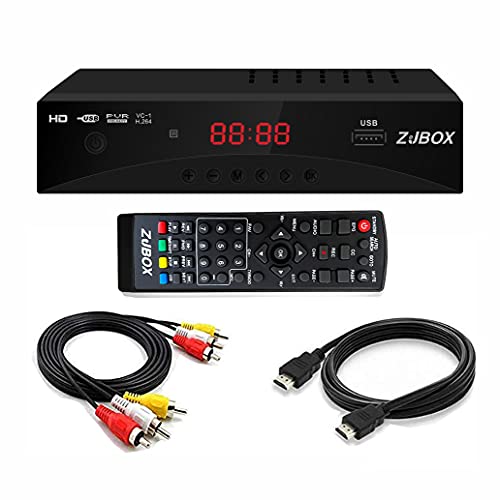
Digital TV Converter Box, ATSC Tv Tuner – ZJBOX for Analog HDTV Live 1080P with Recording&Playback,HDMI Output, Timer Setting Tuner Function Digital Channel Free
- TV Reception: Receives over-the-air ATSC broadcasts
- Video Output: Outputs 1080p Full HD resolution
- Recording & Playback: Records and plays TV programs
As an affiliate, we earn on qualifying purchases.
As an affiliate, we earn on qualifying purchases.
Long-Term Effects on Media Diversity and Competition
It is not yet clear how this policy change will impact media diversity, local news coverage, or consumer choice in the coming years. Industry consolidation could accelerate, but regulatory or market factors may also influence outcomes. The full effects will depend on how broadcasters utilize the new flexibility and whether additional regulations are introduced to mitigate potential negative impacts.
HIDB TV Antenna for Smart TV Indoor, Digital TV Antenna for Local Channels
- No Monthly Fees: Watch local channels without cable
- Eco-Friendly Material: Made of flame-retardant, moisture-resistant PC material
- Omni-Directional Reception: Receives signals from all directions
As an affiliate, we earn on qualifying purchases.
As an affiliate, we earn on qualifying purchases.
Regulatory and Industry Responses in the Coming Months
Expect industry stakeholders to evaluate opportunities for mergers and station acquisitions under the new rules. The FCC may also face legal challenges or calls for further regulation from advocacy groups, lawmakers, and local communities concerned about media diversity. Monitoring how broadcasters respond and any subsequent policy adjustments will be crucial in understanding the full impact of this decision.
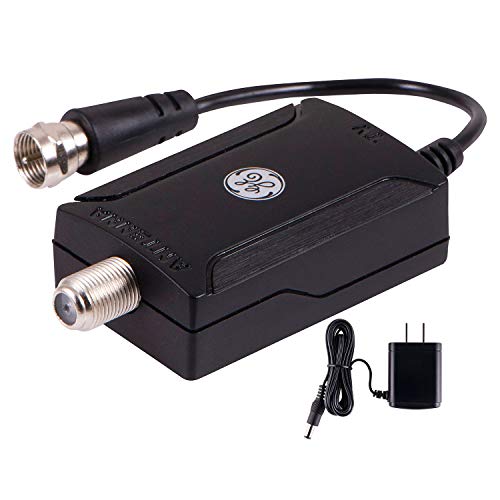
GE Indoor HD Digital TV Antenna Amplifier, Low Noise Antenna Signal Booster, Clears Up Pixelated Low-Strength Channels, Supports HD Smart TV VHF UHF, AC Adapter, Black, 42178
- Universal Compatibility: Works with all TV brands and supports HD, VHF, UHF
- Signal Boosting Technology: Built-in amplifier with LTE filter reduces interference
- Low-Noise Amplifier: Minimizes dropouts and enhances signal strength
As an affiliate, we earn on qualifying purchases.
As an affiliate, we earn on qualifying purchases.
Key Questions
Does this mean media companies can now own unlimited stations?
Yes, the FCC has removed the previous cap on the number of broadcast TV stations a single company can own, allowing potentially unlimited ownership subject to other existing rules.
Will this change affect local news coverage?
Potentially, as increased consolidation could lead to fewer independent local stations, possibly reducing local news diversity and coverage in some markets.
Are there any restrictions still in place after this decision?
Yes, restrictions on local station ownership and cross-ownership with newspapers remain in place, but the national ownership limit has been lifted.
Why did the FCC decide to remove the ownership limit?
The FCC stated the move was to modernize regulations, promote efficiency, and reflect current industry trends, based on a review initiated last year.
Could this decision be reversed or challenged?
Yes, the decision could face legal challenges or regulatory reviews, and future administrations or FCC commissioners might revisit ownership rules.
Source: hn