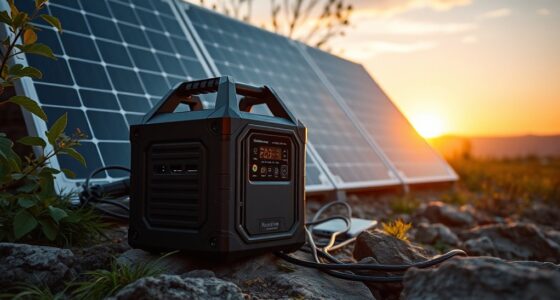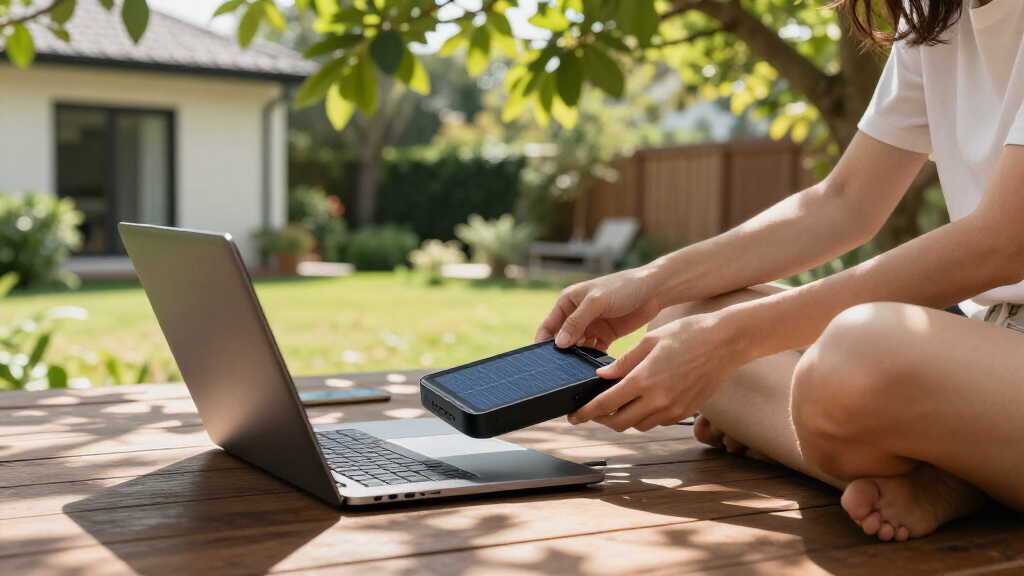

For anyone needing reliable power in outdoor or off-grid situations, solar-powered laptop chargers offer a sustainable solution. The best options combine portability, sufficient wattage, and durable solar panels, but they often involve tradeoffs between size, capacity, and cost. The SinKeu 24000mAh Portable Power Bank stands out for its versatility and built-in AC outlet, making it ideal for travel. Meanwhile, the Portable Solar Generator 300W provides higher power output for extended use, though it’s bulkier and more expensive. Balancing portability with enough power to keep your laptop running can be tricky, so keep reading for our detailed breakdown of the top picks and how to choose the right one for your needs.

Get backup power and energy gear delivered free with Prime
- Fast, free delivery on millions of items
- Prime Video, Amazon Music and more included
- Member-only deals all year
Complete the kit


Key Takeaways
- Higher capacity models like the SOARAISE Solar Power Bank offer more run time but tend to be heavier and pricier.
- Solar panel wattage significantly impacts charging speed; larger panels charge faster but reduce portability.
- Built-in AC outlets provide versatile device compatibility, yet often increase size and weight.
- Battery type, like LiFePO4, affects durability and safety, making some chargers better suited for regular outdoor use.
- Price often correlates with capacity, build quality, and included features; prioritize your main use case to find the best value.
| SinKeu 24000mAh Portable Power Bank with AC Outlet, 88.8Wh Portable Laptop Charger, Outdoor Generator |  | Best Overall for Versatile Outdoor Power | Battery Capacity: 24000 milliamp_hours | Voltage: 90 volts | Power Source: Solar Powered, 110v, Battery Powered, Corded Electric | VIEW LATEST PRICE | See Our Full Breakdown |
| SOARAISE Solar Power Bank 48000mAh Wireless Portable Charger with 4 Cables |  | Best for Extended Outdoor Power and Versatility | Battery Capacity: 48000mAh | Solar Panels: 4 | Ports: 3 (2 USB-A, 1 USB-C) | VIEW LATEST PRICE | See Our Full Breakdown |
| Portable Solar Generator 300W with 60W Solar Panel | 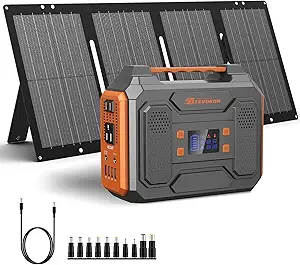 | Best for Emergency and Off-Grid Power | Power Capacity: 300W | Solar Panel: 60W monocrystalline | Outlets: 2 AC, 1 DC, 3 USB-A, 1 Quick Charge USB | VIEW LATEST PRICE | See Our Full Breakdown |
| Portable Power Station 300W, 220Wh Solar Generator Backup Battery Pack |  | Best for Compact Emergency Power | Wattage: 300W | Battery Capacity: 220Wh | Weight: 5 lbs | VIEW LATEST PRICE | See Our Full Breakdown |
| Daran Portable Power Station 89.6Wh LiFePO4 Battery 100W Solar Power Bank, Portable Charger with AC Outlets & PD Fast Charging |  | Best for Small, Long-Lasting Power Needs | Battery Capacity: 89.6Wh | Battery Type: LiFePO4 | Weight: 2.54 pounds | VIEW LATEST PRICE | See Our Full Breakdown |
| Portable Power Station 300W, 110V Solar Generator 280Wh (Without Solar Panel) | 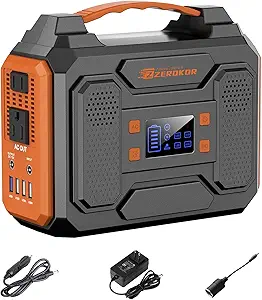 | Best Overall for Versatile Outdoor Power | Power Output: 300W MAX | Battery Capacity: 280Wh | AC Outlets: 2 | VIEW LATEST PRICE | See Our Full Breakdown |
| Takki Solar Generator 120W Peak Portable Power Station with 21W Solar Panel and Battery Power Bank |  | Best for Lightweight Outdoor Power on a Budget | Battery Capacity: 88.8Wh | Weight: 2.29 lbs | Max Power Output: 120W peak | VIEW LATEST PRICE | See Our Full Breakdown |
| Portable Solar Power Bank with AC Outlet 65W 110V |  | Best Compact Power Bank for Emergency and Travel | Battery Capacity: 24000mAh | AC Output: 65W | DC Output: 9V~12.6V/10A MAX | VIEW LATEST PRICE | See Our Full Breakdown |
| Portable Power Station, 146Wh 100W Solar Powered Power Bank with AC Outlet |  | Best for Lightweight Extended Outdoor Use | Battery Capacity: 146Wh | Output Wattage: 100W | Number of Outlets: 7 | VIEW LATEST PRICE | See Our Full Breakdown |
| solar-powered laptop charger | Battery Capacity | Weight |
|---|---|---|
| SinKeu 24000mAh Portable Power | 24000 milliamp_hours | — |
| SOARAISE Solar Power Bank 4800 | 48000mAh | 50 g |
| Portable Solar Generator 300W | — | — |
| Portable Power Station 300W | 220Wh | 5 lbs |
| Daran Portable Power Station 8 | 89.6Wh | 2.54 pounds |
| Portable Power Station 300W | 280Wh | about 5 lbs |
| Takki Solar Generator 120W Pea | 88.8Wh | 2.29 lbs |
| Portable Solar Power Bank with | 24000mAh | — |
| Portable Power Station | 146Wh | 3.3 lbs |
More Details on Our Top Picks
SinKeu 24000mAh Portable Power Bank with AC Outlet, 88.8Wh Portable Laptop Charger, Outdoor Generator
This compact power bank stands out for its high-capacity 24000mAh battery and 88.8Wh energy bank, making it a reliable choice for outdoor activities and emergency backup. Unlike the smaller 89.6Wh Daran, it offers a more substantial power reserve suitable for longer trips, but it comes with a heavier weight of 120g, which might bother some users. The inclusion of a 110V/65W AC outlet allows for charging laptops, alongside multiple USB ports, providing flexible device compatibility. Compared to the Portable Power Station 300W, it offers a more portable form while still supporting multiple devices, though it cannot power high-wattage appliances. Built-in safety protections and an OLED display enhance usability, making it easier to monitor status during outdoor use. Recharging may take longer depending on input, but overall, this model balances capacity and portability effectively for outdoor adventurers and emergency prep.
Pros:- High-capacity 24000mAh battery suitable for multiple devices
- Includes AC outlet for laptop charging and multiple USB ports
- Built-in safety features and OLED display for monitoring status
Cons:- Heavy for some users at 120g
- Limited to 65W AC output, not suitable for high-wattage devices
- Recharging time may be longer depending on input source
Best for: Outdoor enthusiasts needing a portable, multi-device backup with AC outlet support
Not ideal for: Users requiring to power high-wattage appliances or needing ultra-lightweight gear
- Battery Capacity:24000 milliamp_hours
- Voltage:90 volts
- Power Source:Solar Powered, 110v, Battery Powered, Corded Electric
- Number of Ports:5
- Connector Type:USB Type A
- Item Dimensions:6.8 x 3.8 x 1.78 inches
- Battery Weight:120 g
Our verdict“A versatile, portable power bank ideal for outdoor use but less suited for high-wattage appliances.”
SOARAISE Solar Power Bank 48000mAh Wireless Portable Charger with 4 Cables
This 48000mAh power bank, equipped with four solar panels, excels for long outdoor stays thanks to its massive capacity and fast solar charging capabilities. Compared to the SinKeu model, it offers nearly double the capacity but is bulkier, which might limit portability for some users. The inclusion of wireless charging and multiple wired ports enhances device compatibility, although the built-in cables could restrict use with certain devices. Its waterproof, shockproof, and dustproof design makes it particularly resilient against the elements, surpassing the basic safety features of smaller units. However, its size and weight may make it less appealing for those prioritizing lightweight gear. Charging speed depends on sunlight, which may vary, but overall, this model suits outdoor lovers who need a durable, high-capacity charger with multiple charging options.
Pros:- High-capacity 48000mAh for extended outdoor use
- Fast solar charging with 4 solar panels
- Durable waterproof, shockproof, and dustproof design
Cons:- Bulkier size reduces portability for some
- Charging speed depends heavily on sunlight
- Built-in cables may limit compatibility with some devices
Best for: Hikers, campers, and outdoor adventurers needing reliable power for extended periods
Not ideal for: Urban users who prefer compact, lightweight chargers for daily use
- Battery Capacity:48000mAh
- Solar Panels:4
- Ports:3 (2 USB-A, 1 USB-C)
- Wireless Charging:Yes
- Input/Output Voltage:5V
- Dimensions:6.38 x 3.43 x 1.57 inches
- Weight:50 g
Our verdict“A robust, high-capacity solar bank best suited for prolonged outdoor outings where durability and versatility matter most.”
Portable Solar Generator 300W with 60W Solar Panel
This 300W portable solar generator provides a reliable power source for camping and emergency situations, with a 60W foldable solar panel. It excels over smaller power banks by supporting small appliances up to 300W, such as laptops and lights, but cannot handle high-wattage devices like hair dryers or microwaves. Its 20.5% solar conversion efficiency ensures decent recharging performance in sunlight, superior to lower-efficiency models. The multiple outlets, including AC, DC, and USB ports, make it versatile for various devices. Compared with the smaller portable power stations, it offers a good balance of capacity and portability, though the solar panel’s junction box isn’t waterproof, posing a potential risk outdoors. This makes it well-suited for outdoor enthusiasts who need dependable, off-grid power for essential devices.
Pros:- High solar conversion efficiency of 20.5%
- Multiple charging options for off-grid use
- Includes a foldable 60W solar panel for easy setup
Cons:- Limited to 300W output, unsuitable for high-power appliances
- Junction box of solar panel is not waterproof
- Performance declines if not regularly used
Best for: Campers and emergency prepper needing a portable, multi-outlet power source
Not ideal for: Users who need to power appliances over 300W or require fully waterproof solar panels
- Power Capacity:300W
- Solar Panel:60W monocrystalline
- Outlets:2 AC, 1 DC, 3 USB-A, 1 Quick Charge USB
- Recharging Methods:AC wall outlet, 60W solar panel, 12V carport
- Protection Features:Short circuit, over-current, over-voltage, overload, overheating
- Conversion Efficiency:20.5%
- Included Accessories:AC adapter, cigarette lighter adapter, car charging cable, solar panel kit, user manual
Our verdict“A capable solar generator balancing portability and power for outdoor and emergency scenarios, with some limitations on high-wattage appliances.”
Portable Power Station 300W, 220Wh Solar Generator Backup Battery Pack
This 220Wh power station offers a compact solution for charging multiple devices simultaneously, including laptops, phones, and small appliances under 300Wh. It stands out against larger units by its weight of only 5 lbs and its convenient size, making it easy to carry for outdoor activities or emergency kits. While it doesn’t include a solar panel, it supports solar recharge, and its multiple outputs—including AC, USB, and DC—cover most outdoor needs. The 300W maximum wattage limits its ability to power larger appliances like microwaves, but it exceeds the capacity of smaller portable banks like the Daran model for longer device runtime. Its safety features and pure sine wave inverter make it suitable for sensitive electronics, although limited capacity means it’s best for small to medium devices.
Pros:- Lightweight and portable at only 5 lbs
- Multiple charging options including solar, AC, and car
- Can charge multiple devices simultaneously
Cons:- Limited to 220Wh capacity, not for high-power devices
- Solar panel not included, requiring separate purchase
- Maximum AC power of 300W may restrict larger appliance use
Best for: Hikers, travelers, and emergency responders requiring lightweight, reliable backup power
Not ideal for: Users needing to power high-wattage appliances or with large device loads
- Wattage:300W
- Battery Capacity:220Wh
- Weight:5 lbs
- Dimensions:8.5 x 6.7 x 4.1 inches
- Output Ports:2x110V AC, 3 USB (5V/3.1A), 1 USB (5V/3A, 9V/2A), 1 DC vehicle port
- Peak Power:600W
- Safety Features:BMS, short-circuit and overload protection, pure sine wave inverter
Our verdict“A lightweight, all-in-one backup power source ideal for small device charging in outdoor or emergency situations.”
Daran Portable Power Station 89.6Wh LiFePO4 Battery 100W Solar Power Bank, Portable Charger with AC Outlets & PD Fast Charging
This compact 89.6Wh power station excels in portability and long-term durability thanks to its LiFePO4 battery, supporting fast charging and multiple outlets. It surpasses smaller power banks like the portable 220Wh units by offering a longer cycle life, over 3500 cycles, and quieter, fanless operation. While its 100W maximum output limits powering larger devices, it suits small laptops, phones, and accessories well. Compared with larger models like the SinKeu, it sacrifices capacity for ultra-lightweight design, making it perfect for camping or emergency kits where space is limited. The battery’s fast recharge time of just 1.2 hours adds to its convenience, although its capacity may not suffice for high-power devices or prolonged use of power-hungry electronics.
Pros:- Lightweight and compact for portability
- Fast charging with multiple input options
- Long-lasting LiFePO4 battery with over 3500 cycles
Cons:- Limited to devices within 100W power output
- Solar panel not included, requiring separate purchase
- Battery capacity may be insufficient for high-power devices
Best for: Campers and outdoor users needing a lightweight, long-lasting power source for small devices
Not ideal for: Individuals requiring to power or run high-wattage appliances or large electronic loads
- Battery Capacity:89.6Wh
- Battery Type:LiFePO4
- Weight:2.54 pounds
- Dimensions:6.5×3.3×4 inches
- Output Power:100W
- Number of Outlets:7
- Safety Features:Advanced BMS, 12 safety protections
Our verdict“A highly portable, long-lasting power bank best suited for small devices and outdoor use with light power demands.”
Portable Power Station 300W, 110V Solar Generator 280Wh (Without Solar Panel)
This compact power station stands out for its balanced combination of power and portability, offering 300W max output with multiple charging options, including solar, AC, and car. It’s notably lightweight at about 5 lbs, making it suitable for camping, emergency kits, or outdoor activities. Compared with the Takki Solar Generator, it provides higher power capacity but lacks a built-in solar panel, meaning additional purchase is necessary. Its built-in protection features add safety, but it’s not designed for high-power appliances or long-term power needs. This pick makes the most sense for users seeking an all-around portable power source that can handle a variety of devices with safety in mind.
Pros:- Multiple charging options including solar, AC, and car power
- Lightweight and portable for outdoor use
- Built-in protection mechanisms ensure safe operation
Cons:- Limited to devices under 300W; not suitable for high-power appliances
- Solar panel sold separately, adding to overall cost
Best for: Outdoor enthusiasts and emergency preparedness individuals needing versatile, portable power solutions
Not ideal for: Users requiring continuous high-power output or long-term off-grid solutions, as it’s limited to under 300W and not suitable for appliances beyond that range
- Power Output:300W MAX
- Battery Capacity:280Wh
- AC Outlets:2
- DC Output:1 (9V~12.6V/10A MAX)
- USB Ports:3 (5V/3A MAX), 1 QC USB (5V/3A, 9V/2A MAX)
- Weight:about 5 lbs
Our verdict“This power station is ideal for those needing a versatile, portable, and safe power source for outdoor use or emergency preparedness.”
Takki Solar Generator 120W Peak Portable Power Station with 21W Solar Panel and Battery Power Bank
This model excels in portability, weighing just 2.29 lbs and including a foldable 21W solar panel, making it perfect for lightweight outdoor adventures. It offers 88.8Wh of battery capacity and a peak output of 120W, enabling it to power small appliances or devices up to 80W. Compared with the larger Portable Power Station 300W, it sacrifices capacity for extreme portability, but that means it’s less suited for extended use or high-power devices. It supports quick charging via AC or solar, but cannot operate while recharging, limiting its use for continuous power needs. This pick is tailored for users who want a compact, easy-to-carry power source for short trips or emergency use.
Pros:- Extremely lightweight and compact design
- Includes a foldable solar panel for eco-friendly recharging
- Supports multiple charging ports including USB-C and USB
Cons:- Limited to devices under 80W; not suitable for high-power appliances
- Cannot charge devices while the power station itself is recharging
Best for: Hikers, campers, and outdoor users needing a small, quick-charging backup for essential devices
Not ideal for: Individuals needing to power larger appliances or require long-term backup power, as its capacity and output are limited
- Battery Capacity:88.8Wh
- Weight:2.29 lbs
- Max Power Output:120W peak
- Charging Time (AC):2 hours to 80%
- Charging Time (Solar):5-7 hours to 80%
- Dimensions (Power Station):5.7 x 4.13 x 3 inches
Our verdict“This is a great choice for lightweight outdoor use and quick recharging, but limited for extended or high-wattage applications.”
Portable Solar Power Bank with AC Outlet 65W 110V
This power bank offers a 65W AC outlet, making it capable of charging laptops and small appliances, with a 24,000mAh battery that supports multiple recharging options, including solar. Compared with larger units like the Portable Power Station 146Wh, it excels in portability and ease of use, fitting easily into travel bags. However, its limited 65W output restricts it to smaller devices and not high-power appliances. The AC outlet requires manual switching on and off, which could be inconvenient during quick use. It’s best suited for users who prioritize portability and need a reliable backup for laptops, phones, and smaller electronics during outdoor trips or emergencies.
Pros:- Powerful 65W AC outlet suitable for laptops
- Multiple recharging options including solar, wall, and car
- Compact and lightweight design
Cons:- AC output must be manually turned on and off
- Limited to devices under 65W; check device power requirements
Best for: Travelers and outdoor users needing a compact, portable charger for laptops and small devices
Not ideal for: People needing to power larger appliances or requiring automatic AC output switching for frequent use
- Battery Capacity:24000mAh
- AC Output:65W
- DC Output:9V~12.6V/10A MAX
- USB Ports:5V/2.4A Max, 5V/3A 9V/2A MAX
- Solar Panel:30W
- Size:6.89×3.98×1.89 inches
Our verdict“This power bank is perfect for portable, on-the-go charging of laptops and small electronics, but not for high-wattage needs or automatic operation.”
Portable Power Station, 146Wh 100W Solar Powered Power Bank with AC Outlet
This 146Wh power station strikes a balance between capacity and portability, weighing only 3.3 lbs and supporting 100W of output, making it suitable for camping, emergencies, or outdoor activities. It offers multiple outlets and a variety of recharging options including solar, AC, and car, with built-in safety features like an advanced battery management system. While it cannot handle appliances beyond 100W and solar panel is not included, it outperforms smaller models like the Takki in capacity and usability for longer outings. Compared to larger units, it sacrifices some power but gains in ease of transport and quick setup. It’s well-suited for users seeking reliable, lightweight power backup without the bulk of larger stations.
Pros:- Lightweight and portable for outdoor activities
- Supports multiple recharging options including solar, AC, and car
- Includes safety features like battery management system
Cons:- Limited to 100W output; not suitable for high-power appliances
- Solar panel is sold separately, adding extra cost
Best for: Campers, hikers, and outdoor users seeking a lightweight, versatile power source for moderate power needs
Not ideal for: Users needing to operate high-wattage appliances or sustain power for extended periods without recharging
- Battery Capacity:146Wh
- Output Wattage:100W
- Number of Outlets:7
- AC Outlets:2
- USB Ports:4 (including quick charge 3.0 and USB-C)
- Weight:3.3 lbs
Our verdict“This portable station offers a reliable balance of capacity and portability, ideal for outdoor enthusiasts needing moderate power on the go.”

How We Picked
The products in this roundup were selected based on a combination of capacity, charging versatility, build quality, and portability. We prioritized chargers that can reliably power laptops, meaning they offer sufficient wattage and appropriate outlets. Ease of use and durability in outdoor conditions also played key roles, along with user feedback on performance and reliability. Products were ranked to reflect a balance between affordability and advanced features, ensuring there’s a suitable option for different budgets and needs. Our goal was to identify chargers that provide real value for outdoor enthusiasts, travelers, and emergency preparedness without sacrificing essential functionality.Factors to Consider When Choosing Solar-powered Laptop Chargers
Choosing the right solar-powered laptop charger requires considering several key factors beyond mere capacity. Understanding these aspects helps avoid common pitfalls like overpaying for unnecessary features or selecting a device that cannot meet your power demands. Carefully weighing size, solar panel wattage, battery type, and output options ensures you find a charger that fits your specific outdoor or emergency needs while remaining manageable to carry.Power Capacity and Output
The capacity of a solar charger, measured in watt-hours (Wh), determines how long your laptop can run without recharging. Higher capacity units can power devices for extended periods but are often bulkier. Pay attention to the wattage output and whether it supports fast charging or PD (Power Delivery), which can significantly reduce charging time. For frequent or prolonged use, prioritize models with at least 100W output, but for occasional backup, lower wattage might suffice.
Solar Panel Size and Wattage
The solar panel’s wattage influences how quickly the device recharges when exposed to sunlight. Larger panels with higher wattage can top off your power bank faster, but they tend to be heavier and less portable. Consider your typical outdoor environment—if space and weight are critical, smaller panels may be better, even if it means longer recharge times. Some chargers include panels designed for quick setup, which is a plus in variable sunlight conditions.
Build Quality and Durability
Outdoor use demands rugged construction and weather-resistant features. Look for chargers with sturdy casings, water resistance, and reliable battery chemistry like LiFePO4, which offers improved safety and longevity. Cheaper models might save money upfront but could fail quickly in demanding environments. Investing in a well-built unit reduces the risk of damage and ensures consistent performance over time.
Portability and Size
Balancing power and portability is key. Smaller, lightweight models are easier to carry but may have limited capacity or fewer outlets. Larger units can power multiple devices or run longer, but they might be cumbersome for backpacking or daily carry. Consider how often you’ll need to move the charger and in what conditions—this guides whether size or capacity should take priority.
Additional Features and Compatibility
Features like multiple output types (AC, USB-C, USB-A), wireless charging, and LED indicators can enhance usability. Compatibility with your laptop’s charging port (USB-C Power Delivery vs. traditional AC) is essential. Some models also include built-in flashlights or solar panels that fold for easier transport. Weigh these extras against your primary needs to avoid overspending on features you won’t use.
Frequently Asked Questions
Can a solar-powered charger fully power my laptop in one day?
Whether a solar charger can fully power a laptop in one day depends on its capacity, solar panel wattage, and sunlight conditions. Larger, high-wattage panels and batteries can recharge more quickly, making it feasible to top off your device if sunlight is abundant. However, in cloudy weather or with smaller panels, expect slower charging times, so plan for partial recharges or extended durations. Combining a high-capacity battery with a decent solar panel increases the chances of sustained power during outdoor use.
Are solar-powered chargers safe for my laptop?
Most solar-powered chargers designed for laptops include built-in safeguards like voltage regulation and overcharge protection, making them safe for your device. It’s important to verify that the charger offers compatible output ports and voltage levels aligned with your laptop’s requirements. Using a poorly matched or low-quality charger can risk damage, so always check product specs and reviews. Opting for trusted brands with safety certifications adds an extra layer of reassurance.
How long does it take to recharge a solar power bank fully?
Recharging times vary significantly based on capacity, solar panel wattage, and sunlight intensity. Smaller units with built-in panels might take several hours to a full recharge, while larger capacity models with bigger panels may need a full day or more. Keep in mind that actual recharge times can fluctuate with weather conditions, so it’s wise to have realistic expectations. In many cases, a combination of solar exposure and grid charging provides the most reliable and quickest recharge.
Can I charge multiple devices at once with these chargers?
Many solar-powered chargers feature multiple output ports, allowing you to charge a laptop and other devices simultaneously. Power capacity and port types determine how many devices can be supported at once. For example, a charger with a 100W USB-C port and additional USB-A ports can handle several smartphones and smaller gadgets alongside your laptop. Be cautious, though, as drawing maximum power on all ports simultaneously may reduce charging speed or drain the battery faster.
What’s the best way to maximize solar charging efficiency?
To get the most out of your solar charger, position the panels in direct, unobstructed sunlight, ideally at a 45-degree angle for maximum exposure. Clean the panels regularly to remove dust or debris that could block sunlight. Using a portable solar panel with higher wattage can also speed up recharging. Avoid shading and minimize device use during charging to ensure your power bank recharges as quickly as possible, especially in less-than-ideal sunlight conditions.
Conclusion
If you need a lightweight, all-in-one solution for occasional outdoor use, the SinKeu 24000mAh Portable Power Bank offers a balanced mix of capacity and portability. For those seeking long-term power availability, the Portable Solar Generator 300W provides high wattage and multiple outlets—though it comes with added bulk and cost. Beginners or casual campers benefit from simple, easy-to-use models, while advanced users or professionals should consider premium options with faster charging and rugged construction. Match your choice to your typical usage patterns and environment for the best results in 2026.
Columbus Day / Indigenous Peoples' Day Picks
long weekend sales
As an affiliate, we earn on qualifying purchases.