Smart home backup power is shifting towards smarter, more sustainable solutions that integrate renewable energy like solar and advanced batteries. You now expect systems to monitor consumption, prioritize critical devices, and seamlessly switch power sources during outages. These innovations offer quieter operation, remote control, and compatibility with your existing smart ecosystem. As technology advances, your backup system becomes more reliable, eco-friendly, and easier to manage. Keep going to discover how these changes can transform your home’s resilience and efficiency.

Get backup power and energy gear delivered free with Prime
- Fast, free delivery on millions of items
- Prime Video, Amazon Music and more included
- Member-only deals all year
Key Takeaways
- Integrated smart systems enable real-time monitoring and control of backup power, enhancing user convenience and responsiveness.
- Renewable energy sources like solar panels are increasingly used for sustainable, eco-friendly backup power solutions.
- Advanced batteries provide longer-lasting, efficient energy storage, supporting critical devices during outages.
- Compatibility with smart home ecosystems allows seamless management and remote operation of backup power systems.
- Automation and intelligent power prioritization improve reliability, reducing noise and ensuring continuous home security and comfort.

Have you ever been caught off guard by a power outage and wondered how to keep your smart home running smoothly? Today’s connected homes rely heavily on electricity, and when the power goes out unexpectedly, it can disrupt everything from your security system to your smart lighting. That’s why backup power solutions are evolving beyond simple generators. Now, smart home essentials are changing what you expect from backup power, emphasizing seamless integration, sustainability, and efficient power management.
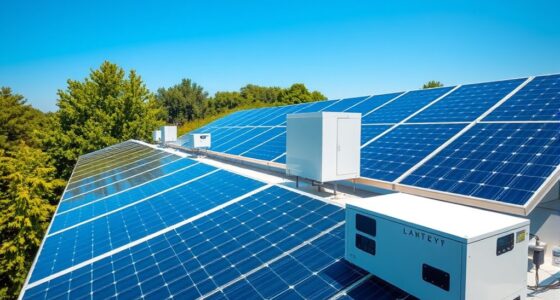
Modern backup systems are increasingly incorporating renewable energy sources, like solar panels, to reduce dependence on traditional generators and fossil fuels. When your smart home utilizes solar power, you’re not just protecting your devices during outages—you’re also supporting a more sustainable lifestyle. These systems are designed to harness renewable energy, storing excess power in advanced batteries for later use. This setup not only minimizes environmental impact but also cuts down on fuel costs and maintenance. Additionally, integrating renewable energy sources into backup systems is becoming more accessible and cost-effective for homeowners. As technology advances, the cost of implementing these systems continues to decrease, making sustainable backup power more attainable.
Power management plays an integral role in maximizing the effectiveness of these backup solutions. Intelligent systems monitor energy consumption in real time, ensuring that power is allocated efficiently during an outage. For example, your smart home can prioritize critical devices like security cameras, refrigerators, or medical equipment, while temporarily shutting down less essential appliances. This smart prioritization prolongs backup power availability, giving you more control and peace of mind. Additionally, power management systems are becoming more sophisticated, allowing for precise control and customization tailored to your household’s needs. Incorporating smart technology into backup power solutions further enhances their adaptability and user experience. Moreover, advancements in energy storage are enabling longer-lasting backup capabilities, which is crucial for extended outages. These improvements mean your system can better adapt to different scenarios, ensuring reliability when it’s needed most.
Another key aspect of changing expectations is the ease of integration. Modern backup power systems are designed to work seamlessly with your existing smart home ecosystem. Through intuitive apps and automation, you can monitor battery levels, switch power sources, or even activate backup modes remotely. This connectivity allows for proactive management, so you’re always prepared before an outage occurs, rather than reacting after the fact. The user-friendly interfaces and automation features are transforming how homeowners interact with their backup solutions, making it more accessible and less intrusive. Furthermore, these advanced systems are becoming more reliable and quieter, blending into your home environment without the noise or bulk of traditional generators. They’re built to be unobtrusive yet powerful, ensuring your smart home remains functional, comfortable, and secure even during extended outages.
As an affiliate, we earn on qualifying purchases.
Frequently Asked Questions
How Long Can Backup Power Sustain a Smart Home During an Outage?
During an outage, your backup power can sustain your smart home for as long as the battery lifespan and power capacity permit. Typically, a well-sized system can run essentials for several hours to over a day, depending on your energy usage. If you optimize device operation and reduce power consumption, your backup system’s duration extends. Regular maintenance and monitoring guarantee your backup power is ready when you need it most.
Are There Specific Backup Power Options for Different Smart Home Devices?
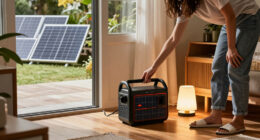
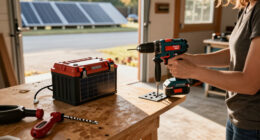
You can choose specific backup power options tailored for your smart home devices, like UPS systems for your Wi-Fi router and smart hubs, or portable batteries for sensors. Proper battery maintenance guarantees longevity, and effective power management helps prioritize essential devices during outages. By matching backup solutions to each device’s needs, you maintain seamless operation, protect your investments, and stay connected when it matters most.
What Is the Average Cost of Installing a Smart Home Backup Power System?
You can expect to spend between $1,000 and $3,000 on installing a smart home backup power system. The cost depends on your home’s size, the battery capacity, and installation complexity. To maximize battery lifespan and cost optimization, choose an efficient system and schedule regular maintenance. Proper planning guarantees you get reliable backup power while extending your system’s longevity, making your investment worthwhile.
How Do Backup Power Systems Impact Smart Home Energy Efficiency?
Think of backup power systems as the heartbeat of your smart home, syncing with the smart grid and enhancing energy storage. They boost efficiency by reducing waste, ensuring power flows only when needed. This harmony minimizes energy consumption and costs. Your system acts like a vigilant guardian, optimizing energy use, and making your home smarter and more sustainable. With this, you’re not just powering your home—you’re powering it wisely.
Can Backup Power Systems Be Integrated With Renewable Energy Sources?
Yes, you can integrate backup power systems with renewable energy sources. By combining renewable integration with energy storage, you guarantee your backup power relies on clean energy like solar or wind, reducing your carbon footprint. This setup allows your system to store excess renewable energy for later use during outages, making your home more sustainable and energy-efficient. It’s a smart way to maximize renewable resources and maintain power reliability.
As an affiliate, we earn on qualifying purchases.
Conclusion
As smart home technology evolves, your backup power needs are shifting in ways you never imagined. Imagine a future where your home stays connected, safe, and secure—even when the grid fails. But what if the next breakthrough is just around the corner, ready to redefine everything you thought you knew about backup power? Stay tuned—because what’s coming next could change how you protect your home forever. Are you prepared for the surprises ahead?
As an affiliate, we earn on qualifying purchases.
smart home generator alternative
As an affiliate, we earn on qualifying purchases.
As an affiliate, we earn on qualifying purchases.
Columbus Day / Indigenous Peoples' Day Picks
long weekend sales
As an affiliate, we earn on qualifying purchases.