Solar energy storage batteries vary enormously in scope, from small portable power stations to 16kWh whole-home systems, and picking the wrong size is the most expensive mistake you can make in this category. The ECO-WORTHY Powermega 48V 314Ah with 10kW hybrid inverter earns my top spot because it bundles battery and inverter into one turnkey whole-home solution, eliminating the compatibility headaches that plague DIY builds. For budget-conscious builders, the 16KWh DIY LiFePO4 battery cabinet offers the lowest cost per kWh if you’re willing to source and assemble cells yourself. If you just need backup for essentials, the ECO-WORTHY Cubix100 server rack battery delivers rack-mounted scalability at a mid-range price. The core tradeoffs in this roundup come down to capacity versus cost, lithium versus AGM chemistry, and integrated systems versus modular DIY builds. Keep reading for the full breakdown.

Get backup power and energy gear delivered free with Prime
- Fast, free delivery on millions of items
- Prime Video, Amazon Music and more included
- Member-only deals all year
Key Takeaways
- Bundled systems like the Powermega (battery plus 10kW inverter) cost more upfront but avoid the compatibility and wiring issues that make separate DIY component purchases risky for beginners.
- The DIY 16kWh cabinet has the lowest cost per kWh in the roundup, but only if you already have the skills to configure a BMS and source quality cells — the box itself ships empty.
- Server rack batteries (Cubix100 line) are the sweet spot for buyers who want to start small at 5kWh and expand later without rewiring, since additional racks stack in parallel.
- AGM and small portable units (200W–300W stations) cost far less but store 20–100x less energy than the 48V systems — they suit camping and device backup, not home energy storage.
- Capacity alone doesn’t determine value: built-in BMS quality, low-temperature protection, and app monitoring separated the top lithium picks from cheaper cells with similar headline specs.
| 16KWh 48V LiFePO4 Battery Box DIY Energy Storage, Cabinet (Cells Excluded) |  | Best for Serious DIY Builders | Capacity: 16kWh (with cells installed) | Voltage: 48V | Cell Type: LiFePO4 (EVE 280Ah or 314Ah recommended) | VIEW LATEST PRICE | See Our Full Breakdown |
| ECO-WORTHY Cubix100 48V 100Ah LiFePO4 Lithium Server Rack Battery |  | Best Turnkey Home Storage | Voltage: 48V (51.2V nominal) | Capacity: 100Ah (~5.12kWh) | Certifications: UL9540, UL1973, CEC Listed | VIEW LATEST PRICE | See Our Full Breakdown |
| 200W Solar Powered Generator with 40W Solar Panel – Portable Power Station |  | Best Budget Backup for Essentials | Capacity: 146Wh | Power Output: 200W | Solar Panel: 40W foldable (included) | VIEW LATEST PRICE | See Our Full Breakdown |
| Deep Cycle AGM Battery 12V 55AH for Solar Energy Storage |  | Best Low-Tech Reliability Pick | Voltage: 12V | Capacity: 55AH (~0.66kWh) | Chemistry: Sealed AGM deep cycle | VIEW LATEST PRICE | See Our Full Breakdown |
| 16KWh 48V LiFePO4 Battery Box DIY Energy Storage, Cabinet (Cells Excluded) |  | Best DIY Pick for Wide Cell Compatibility | Capacity: 16kWh (with cells installed) | Voltage: 48V | Cell Compatibility: Class A LiFePO4 — 280AH, 302AH, 304AH, 314AH | VIEW LATEST PRICE | See Our Full Breakdown |
| ECO-WORTHY Powermega 48V 314Ah LiFePO4 Battery Pack with 10kW Hybrid Inverter |  | Best Complete Whole-Home System | Battery Capacity: 48V 314Ah (two battery pack) | Total Energy: 30kWh+ | Inverter Power: 10kW hybrid | VIEW LATEST PRICE | See Our Full Breakdown |
| 51.2V 300Ah LiFePO4 Lithium Battery – 15.36kWh |  | Best for Outdoor Installation | Voltage: 51.2V | Capacity: 300Ah | Energy: 15.36kWh | VIEW LATEST PRICE | See Our Full Breakdown |
| ECO-WORTHY Cubix100 48V 200Ah LiFePO4 Lithium Server Rack Battery |  | Best Rack-Mounted Modular Pick | VIEW LATEST PRICE | See Our Full Breakdown | |||
| 48V 314Ah LiFePO4 Lithium Battery – 16.07kWh |  | Best High-Capacity Single Unit | Voltage: 48V | Capacity: 314Ah | Energy: 16.07kWh | VIEW LATEST PRICE | See Our Full Breakdown |
| 12V 300Ah Lithium LiFePO4 Battery with APP Monitoring |  | Best for RVs and Mobile Setups | Voltage: 12V | Capacity: 300Ah | Battery Type: LiFePO4 lithium | VIEW LATEST PRICE | See Our Full Breakdown |
| 2-Pack 12V 100Ah LiFePO4 Lithium Battery Group 31 with Built-in 100A BMS |  | Best Value for Mobile Off-Grid Setups | Voltage: 12V | Capacity: 2 x 100Ah (2.56kWh total) | Cycle Life: Up to 15,000 cycles | VIEW LATEST PRICE | See Our Full Breakdown |
| Jackery Explorer 300 Portable Power Station, 292Wh |  | Best Portable Pick | Capacity: 292Wh | Weight: 7.5 lbs | AC Outlets: 2 | VIEW LATEST PRICE | See Our Full Breakdown |
| ECO-WORTHY Solar Panel Kit with LiFePO4 Energy Storage System for Home Backup |  | Best Complete Home Energy System | Panel Power: 6 x 590W (3.54kW total) | Battery Capacity: 2 x 48V 314Ah LiFePO4 | Total Usable Energy: 30kWh+ | VIEW LATEST PRICE | See Our Full Breakdown |
| Portable Solar Generator 300W with 60W Solar Panel | 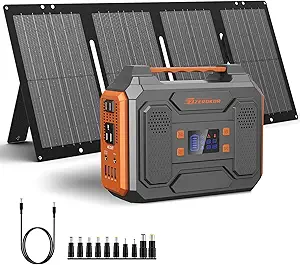 | Best Budget Starter Kit | Output Wattage: 300W | Included Panel: 60W foldable solar panel | Voltage: 110V | VIEW LATEST PRICE | See Our Full Breakdown |
| solar energy storage batterie | Capacity | Voltage |
|---|---|---|
| 16KWh 48V LiFePO4 Battery Box | 16kWh (with cells installed) | 48V |
| ECO-WORTHY Cubix100 48V 100Ah | 100Ah (~5.12kWh) | 48V (51.2V nominal) |
| 200W Solar Powered Generator w | 146Wh | — |
| Deep Cycle AGM Battery 12V 55A | 55AH (~0.66kWh) | 12V |
| 16KWh 48V LiFePO4 Battery Box | 16kWh (with cells installed) | 48V |
| ECO-WORTHY Powermega 48V 314Ah | — | — |
| 51.2V 300Ah LiFePO4 Lithium Ba | 300Ah | 51.2V |
| ECO-WORTHY Cubix100 48V 200Ah | — | — |
| 48V 314Ah LiFePO4 Lithium Batt | 314Ah | 48V |
| 12V 300Ah Lithium LiFePO4 Batt | 300Ah | 12V |
| 2-Pack 12V 100Ah LiFePO4 Lithi | 2 x 100Ah (2.56kWh total) | 12V |
| Jackery Explorer 300 Portable | 292Wh | — |
| ECO-WORTHY Solar Panel Kit wit | — | — |
| Portable Solar Generator 300W | — | 110V |
More Details on Our Top Picks
16KWh 48V LiFePO4 Battery Box DIY Energy Storage, Cabinet (Cells Excluded)
This cabinet stands out as the most flexible foundation in the lineup — but only for buyers who already know what they’re doing. Unlike the ECO-WORTHY Cubix100, which arrives as a complete, certified battery, this kit ships empty: you source your own EVE 280Ah or 314Ah cells and assemble everything yourself. That tradeoff is real. You give up UL certification and plug-and-play installation, but you gain the ability to hand-pick Grade A cells and potentially build a 16kWh bank for far less than pre-built rivals like the 48V 314Ah LiFePO4 battery elsewhere in this guide. The built-in 200A BMS with Bluetooth and Canbus means monitoring is genuinely smart, not an afterthought. Compared to its sibling (B0FGNDLKMV), the difference comes down to wheel options and packaging rather than performance.
Pros:- Built-in 200A smart BMS with Bluetooth, Canbus, and RS485 monitoring
- Compatible with high-quality EVE 280Ah or 314Ah cells for customization
- Durable steel-aluminum alloy casing suited to outdoor and marine use
- Comprehensive accessory kit including busbars, epoxy plate, and monitor
Cons:- Cells are not included, adding significant cost and sourcing effort
- Requires substantial technical skill and time to assemble safely
- No safety certifications like the UL9540-listed ECO-WORTHY options
Best for: Experienced DIY solar builders who want to source their own cells, save money on a 16kWh bank, and control every component
Not ideal for: Anyone wanting a turnkey, certified battery — cells aren’t included, assembly takes real electrical know-how, and there’s no UL listing
- Capacity:16kWh (with cells installed)
- Voltage:48V
- Cell Type:LiFePO4 (EVE 280Ah or 314Ah recommended)
- BMS:200A built-in with Bluetooth, Canbus, RS485
- Material:Steel aluminum alloy
- Wheels:White version includes wheels; black version does not
- Included:Empty cases, BMS, communication board, monitor, busbars, hardware
Our verdict“Buy this if you’re a confident builder chasing maximum capacity per dollar; skip it if you want something that works out of the box.”
ECO-WORTHY Cubix100 48V 100Ah LiFePO4 Lithium Server Rack Battery
If the DIY cabinet above is for tinkerers, the Cubix100 is its opposite: a fully assembled, safety-certified battery you can rack, connect, and monitor from your phone. The trio of UL9540, UL1973, and CEC listings is what separates this pick from nearly every other battery in this roundup — those certifications matter for homeowner’s insurance, permits, and peace of mind. At roughly 5kWh per unit, it’s a smaller building block than the 15–16kWh standalone packs also featured here, but the server-rack form factor scales cleanly to 32 units (163.8kWh), so you can start small and expand without redesigning your system. The main caution: Amazon lists it as non-returnable, so measure your space and verify inverter compatibility before ordering.
Pros:- UL9540, UL1973, and CEC certified for safety and code compliance
- Bluetooth and WiFi monitoring through the ECO-WORTHY app
- Rack design expands to 32 units for up to 163.8kWh
- No assembly or cell sourcing required, unlike DIY cabinet kits
Cons:- Non-returnable through Amazon, so a wrong fit is costly
- Installation still requires technical knowledge of 48V systems
- Higher cost per kWh than sourcing your own cells for a DIY build
Best for: Homeowners who want a certified, app-monitored battery they can expand incrementally as their solar setup grows
Not ideal for: Renters or anyone wanting return flexibility — it’s non-returnable, and the rack format plus 48V system design assumes a permanent installation
- Voltage:48V (51.2V nominal)
- Capacity:100Ah (~5.12kWh)
- Certifications:UL9540, UL1973, CEC Listed
- Communication:CAN/RS485, Bluetooth, WiFi
- Expansion:Up to 32 units (163.8kWh total)
- Form Factor:Server rack mountable
Our verdict“The safest, simplest path into whole-home solar storage — just confirm compatibility before you buy, because there’s no sending it back.”
200W Solar Powered Generator with 40W Solar Panel – Portable Power Station
This isn’t whole-home storage — and that’s exactly the point. At 146Wh and 3 pounds, it solves a completely different problem than the 16kWh DIY cabinet or the ECO-WORTHY Cubix100: keeping phones, a laptop, and a camera alive during an outage or a weekend off-grid. Compared to the Jackery Explorer 300 in this same roundup, it holds roughly half the energy but includes a 40W foldable panel in the box, which the Jackery doesn’t — that makes it a true solar starter kit rather than just a battery. The limits are obvious: 200W output won’t run a fridge, space heater, or power tools, and recharging takes hours. But for emergency device charging at a budget price, the tradeoff is reasonable.
Pros:- Includes a 40W foldable solar panel, unlike most bare power stations
- Ultra-portable at 3 pounds with multiple outlets (2x AC, 4x USB, 1x DC)
- Three recharge options: AC wall, car, and solar
- Built-in protection systems and LED indicators for safe operation
Cons:- 146Wh capacity is exhausted quickly — a few phone charges or one laptop session
- 200W output can’t handle high-wattage appliances
- Full recharging takes several hours even via wall power
Best for: Campers, emergency preppers, and budget buyers who need lightweight power for phones, laptops, and small devices — not appliances
Not ideal for: Anyone hoping to run refrigerators, medical equipment, or whole-home backup — the 146Wh capacity and 200W ceiling rule that out entirely
- Capacity:146Wh
- Power Output:200W
- Solar Panel:40W foldable (included)
- Weight:3.0 lbs
- Dimensions:7.87 x 1.81 x 5.71 inches
- Outlets:2x 110V AC, 4x USB, 1x DC
- Charging Options:AC wall, car, solar panel
Our verdict“A cheap, featherlight insurance policy for devices — buy it for camping and outages, not for powering your home.”
Deep Cycle AGM Battery 12V 55AH for Solar Energy Storage
In a lineup dominated by smart lithium batteries, this AGM unit is the old-school counterpoint — and that’s its appeal. There’s no app, no Bluetooth, no BMS to configure, which makes it the opposite of the ECO-WORTHY Cubix100 in every way. What you get instead is bombproof simplicity: a sealed, maintenance-free lead-acid battery with a flame-resistant UL94 V-0 case that tolerates temperature extremes and vibration better than many lithium options, and can be mounted in any position. The tradeoffs are steep — at 55AH on a 12V platform, you’re storing under 1kWh, versus 5kWh per Cubix100 unit, and the 36-pound weight gives you worse energy density than anything lithium here. But for small, remote, or safety-critical setups where lithium’s electronics are a liability, AGM still earns its place.
Pros:- Completely maintenance-free sealed AGM construction
- Mountable in any position with strong shock and vibration resistance
- Flame-resistant UL94 V-0 ABS case for added safety
- Reliable performance in both high and low temperature extremes
Cons:- Under 1kWh of usable storage — a fraction of any lithium option in this guide
- Heavy at 36 pounds for the energy delivered
- Shorter cycle life and depth-of-discharge limits compared to LiFePO4
Best for: Owners of small off-grid systems, gate openers, RV house circuits, or remote equipment who value rugged, maintenance-free simplicity over capacity
Not ideal for: Anyone building meaningful home storage — under 1kWh of capacity and 36 pounds of weight make it wildly inefficient compared to any LiFePO4 option here
- Voltage:12V
- Capacity:55AH (~0.66kWh)
- Chemistry:Sealed AGM deep cycle
- Weight:36 lbs
- Dimensions:9.04 x 5.45 x 8.15 inches
- Case Material:ABS, UL94 V-0 flame resistant
- Mounting:Any position
Our verdict“Choose this only when rugged simplicity matters more than capacity — for real storage, spend the extra on lithium.”
16KWh 48V LiFePO4 Battery Box DIY Energy Storage, Cabinet (Cells Excluded)
This cabinet is the close sibling of the B0FGNPFMSD battery box above, and the honest comparison is this: functionally, they’re near-identical 16kWh DIY platforms with a 200A-class smart BMS and Bluetooth monitoring. Where this version distinguishes itself is broader cell compatibility — it lists support for 280AH, 302AH, 304AH, and 314AH Class A cells, giving builders more sourcing flexibility when cell prices fluctuate. It also spells out its protection suite (overcharge, over-discharge, over-current, short circuit, temperature), which is reassuring in a product with no third-party certification. The quirks matter too: wheels only come on the white version, and a loaded 16kWh cabinet is heavy enough that you’ll want them. Like its sibling, it demands real electrical competence — this is a project, not a purchase.
Pros:- Broad cell compatibility across 280AH–314AH Class A LiFePO4 cells
- Full protection suite covering overcharge, over-discharge, over-current, short circuit, and temperature
- Bluetooth, Canbus, and RS485 monitoring via built-in BMS
- Rugged steel-aluminum casing for off-grid, RV, and marine use
Cons:- Cells sold separately — the biggest cost and effort still sits with you
- Assembly demands genuine technical knowledge of battery systems
- Wheels only on the white version, despite a very heavy finished build
Best for: DIY builders who want maximum flexibility to shop around for cells at the best price and don’t mind a hands-on assembly project
Not ideal for: Beginners or anyone needing certified, warrantied storage — no cells included, no UL listing, and assembly errors can be dangerous
- Capacity:16kWh (with cells installed)
- Voltage:48V
- Cell Compatibility:Class A LiFePO4 — 280AH, 302AH, 304AH, 314AH
- Material:Steel aluminum alloy
- Communication:Bluetooth, Canbus, RS485
- Protection:Overcharge, over-discharge, over-current, short circuit, temperature
- Wheels:White version only
- Included:Empty cases, BMS, communication board, monitor, busbars, hardware
Our verdict“A strong DIY chassis for cell-savvy builders — but if you’d rather not assemble high-voltage storage, choose the certified Cubix100 instead.”
ECO-WORTHY Powermega 48V 314Ah LiFePO4 Battery Pack with 10kW Hybrid Inverter
This option stands out as the only product in this lineup that arrives as a complete power system rather than just a battery. With over 30kWh of storage and a bundled 10kW hybrid inverter, it eliminates the compatibility guesswork that plagues standalone batteries like the 51.2V 300Ah model, where buyers must verify inverter specs themselves. The 9000+ cycle rating at 80% depth of discharge is also the highest in this batch, translating to a longer service life than the 6000-cycle competitors. That said, this is a serious commitment: it ships on a pallet via freight, sometimes in multiple packages, and one documented quirk is that two inverter versions ship randomly, which can complicate setup documentation. Compared with the rack-mounted ECO-WORTHY Cubix100, the wheels and integrated design make relocation far more practical.
Pros:- Over 30kWh of storage with a matched 10kW hybrid inverter included
- 9000+ cycles at 80% DoD — the longest cycle life in this batch
- Fire suppression, active balancing BMS, and WiFi/Bluetooth monitoring built in
- Wheels make repositioning easier than fixed rack batteries
Cons:- Freight delivery on a pallet, sometimes split across multiple packages
- Two inverter versions ship randomly, which can create setup confusion
- Large physical footprint demands careful pre-installation planning
Best for: Homeowners wanting a turnkey whole-house backup and off-grid solution without piecing together batteries and an inverter separately
Not ideal for: Apartment dwellers or anyone with a small utility closet — the multi-package freight delivery and footprint demand real dedicated space
- Battery Capacity:48V 314Ah (two battery pack)
- Total Energy:30kWh+
- Inverter Power:10kW hybrid
- Cycle Life:9000+ cycles at 80% DoD
- Communication:RS485 / CAN / RS232, Bluetooth, WiFi
- Protection:Active balancing BMS, circuit breaker, fire suppression, alarms
- Shipping:Pallet via truck, may arrive in multiple packages
Our verdict“If you want whole-home backup in one purchase and have the space for it, this is the most complete package here.”
51.2V 300Ah LiFePO4 Lithium Battery – 15.36kWh
What separates this battery from nearly everything else here is its IP65 weatherproof rating, making it one of the few choices that can live outside in a shed or against an exterior wall without an enclosure. The 15.36kWh capacity sits comfortably above the ECO-WORTHY Cubix100’s ~10kWh, which means fewer parallel connections if you’re building toward whole-home storage. The tradeoff for that capacity is 115kg of weight — comparable to the Cubix’s 206 pounds — so plan for a sturdy mounting surface and at least two people during installation. Unlike the Powermega bundle, no inverter is included, and the 150A max discharge current means you’ll need to carefully match it to a compatible hybrid inverter. For scalable, weather-exposed setups, though, this model is hard to beat.
Pros:- IP65 waterproof and dustproof housing suitable for outdoor placement
- 15.36kWh of usable energy in a single unit
- Supports parallel expansion for growing systems
- 6000-cycle lifespan for long-term daily cycling
Cons:- 115kg weight requires sturdy mounting and a two-person install
- No included inverter or charger — must source compatible equipment
- Setup complexity is above what a first-time solar buyer should tackle alone
Best for: Off-grid builders and homeowners who need battery storage in a garage, shed, or semi-exposed outdoor location
Not ideal for: Beginners — there’s no inverter, no display, and setup assumes comfort with LiFePO4-compatible charging gear and CAN/RS485 wiring
- Voltage:51.2V
- Capacity:300Ah
- Energy:15.36kWh
- Cycle Life:6000 cycles
- Protection Rating:IP65
- Max Discharge / Charge Current:150A / 150A
- Weight:115kg (253 lbs)
- Communication:CAN / RS485
Our verdict“This is the pick for experienced builders who need serious outdoor-rated capacity and already own (or will choose) a matching inverter.”
ECO-WORTHY Cubix100 48V 200Ah LiFePO4 Lithium Server Rack Battery
The Cubix100’s server-rack form factor is its defining advantage: where the 48V 314Ah battery relies on wheels and handles for placement, this unit slides into a standard rack, letting you stack capacity cleanly as your needs grow rather than scattering floor-standing batteries around a garage. The 10-year limited warranty is the longest formal coverage in this batch, which matters more than most spec-sheet numbers when you’re investing four figures in storage. Monitoring via Bluetooth and WiFi matches what ECO-WORTHY offers on its bigger Powermega system, so you’re not giving up app-based visibility by choosing the smaller format. The real drawbacks are practical: at 206 pounds it’s genuinely awkward to rack-mount alone, it may arrive split across packages, and it’s marked non-returnable on Amazon despite the warranty — a real risk if your system plans change.
Pros:- Space-efficient rack design that scales by stacking modules
- 10-year limited warranty — the strongest coverage in this roundup
- Bluetooth and WiFi app monitoring built in
- Trusted 48V LiFePO4 chemistry with long cycle life
Cons:- 206-pound weight makes solo rack installation difficult
- Non-returnable on Amazon, so a mismatched purchase is costly
- May arrive in multiple packages, requiring patience during delivery
Best for: Organized builders who want tidy, stackable 48V storage they can expand module by module in a fixed rack
Not ideal for: Anyone who values easy returns or might relocate the system — it’s heavy, rack-locked, and non-returnable once purchased
Our verdict“Buy this if you’re committed to a permanent, modular rack setup and want long warranty backing — skip it if flexibility or return options matter.”
48V 314Ah LiFePO4 Lithium Battery – 16.07kWh
If you want maximum storage in one physical battery without paying for a bundled inverter like the Powermega, this 16.07kWh unit makes a strong case. It edges out the 51.2V 300Ah model on capacity while adding something that model lacks: a full-color onboard display alongside Bluetooth and WiFi app monitoring, so you can check state of charge without pulling out your phone. The 200A BMS with six-layer protection matches the safety posture of pricier options, and the handles-plus-wheels design mirrors ECO-WORTHY’s approach to mobility. My main hesitation is transparency — dimensions and weight aren’t published, which is a real problem when you’re planning an installation space and confirming your floor can support the load. Parallel expansion is supported but adds wiring complexity that first-timers may underestimate.
Pros:- 16.07kWh — the highest capacity in a single unit in this batch
- Full-color display plus Bluetooth/WiFi app monitoring
- 200A BMS with six-layer protection
- Handles and wheels simplify installation compared with rack batteries
Cons:- No published dimensions or weight, complicating space planning
- Requires a carefully matched compatible inverter
- Parallel connections add wiring complexity for larger systems
Best for: Buyers who want the largest single-battery capacity available and prioritize having both a physical display and app monitoring
Not ideal for: Anyone with tight or weight-limited installation spaces — the missing dimension and weight specs make pre-purchase planning a gamble
- Voltage:48V
- Capacity:314Ah
- Energy:16.07kWh
- Cycle Life:Up to 6,000 cycles at 80% SOH
- Protection:200A BMS with six-layer protection
- Monitoring:Full-color display, Bluetooth/WiFi app, RS232
- Communication:RS485, CAN
Our verdict“The strongest single-battery capacity play here, provided you confirm your space and inverter compatibility before ordering.”
12V 300Ah Lithium LiFePO4 Battery with APP Monitoring
Everything else in this batch operates at 48V for whole-home systems — this battery’s 12V architecture makes it the clear choice for a completely different buyer: the RV owner, boater, or van-lifer. Its dual-mode design handles both deep-cycle energy storage and engine starting, something none of the 48V units can do, and the intelligent BMS manages high-current surges for that starting role. At 55.2 pounds, it’s the lightest serious battery here by a wide margin, and its -20°C to 60°C operating range outclasses the 51.2V 300Ah model’s 0°C discharge floor. The headline expandability figure of 61.44kWh is technically true but requires a large series-parallel bank that few mobile users will ever build. Compared with the 2-Pack 12V 100Ah option elsewhere in this roundup, you get triple the capacity per unit at a higher per-battery cost.
Pros:- Dual-function design covers both starting and deep-cycle storage
- Lightest high-capacity option here at 55.2 pounds
- Wide -20°C to 60°C operating range for varied climates
- Fast charging via solar, generator, or 14.6V 70A charger
Cons:- Higher upfront cost than comparable lead-acid or smaller lithium setups
- Requires careful reading of the manual for proper BMS setup
- 55 pounds is still awkward in tight RV compartments
Best for: RV, marine, and van-life users who want one battery to both start engines and run off-grid loads
Not ideal for: Home whole-house backup builders — 12V architecture is inefficient at the scale where 48V systems like the Cubix100 or Powermega operate
- Voltage:12V
- Capacity:300Ah
- Battery Type:LiFePO4 lithium
- Max Expandable Power:61.44kWh
- Operating Temperature:-20°C to 60°C
- Charging Methods:Solar, generator, 14.6V 70A charger
- Weight:55.2 lbs
- Dimensions:15.12″D x 7.64″W x 9.76″H
Our verdict“Mobile power users get the best fit here; stationary home-storage buyers should stay in 48V territory.”
2-Pack 12V 100Ah LiFePO4 Lithium Battery Group 31 with Built-in 100A BMS
Buying batteries in pairs is where this option earns its spot: you get 2.56kWh of 12V LiFePO4 storage at a per-unit price that undercuts most single-battery competitors. Compared with the ECO-WORTHY Cubix100 48V 100Ah server rack battery, this pair trades rack-mounted scalability for flexibility across 12V systems — RVs, boats, and small solar arrays — without needing a 48V conversion. The 15,000-cycle rating and IP65 housing mean these should outlast a decade of daily cycling, and the 100A BMS with low-temp cutoff protects the chemistry where cheaper AGM options like the 12V 55AH deep cycle simply can’t compete. The tradeoffs are real: no engine starting, and you’ll need a lithium-compatible charger, which adds cost if your current gear is lead-acid only.
Pros:- Two-battery value lowers cost per kWh compared with buying singles
- 15,000-cycle lifespan far exceeds AGM deep cycle batteries
- IP65 rating and low-temp protection suit marine and outdoor use
- 22.5 lb per unit makes installation far easier than lead-acid equivalents
Cons:- Cannot handle engine starting or high inrush current demands
- Requires a dedicated lithium-activation charger for best performance
Best for: RV owners and boaters upgrading from AGM who want lightweight, long-lasting 12V storage for mobile solar setups
Not ideal for: Home backup buyers — 2.56kWh total capacity is a fraction of what whole-house systems like the ECO-WORTHY 30kWh kit deliver
- Voltage:12V
- Capacity:2 x 100Ah (2.56kWh total)
- Cycle Life:Up to 15,000 cycles
- Discharge Current:300A for 3 seconds
- Weight:22.48 lbs per battery
- Waterproof Rating:IP65
- Protection:Overheat, overcurrent, overcharge, over-discharge, short circuit
Our verdict“This is the smart pick for mobile 12V users who want pairable lithium storage at a lower cost per kWh than buying solo batteries.”
Jackery Explorer 300 Portable Power Station, 292Wh
Not everyone shopping for solar storage needs kilowatt-hours — some just need grab-and-go power, and that’s exactly what the Explorer 300 delivers at 7.5 lbs. Where the Portable Solar Generator 300W in this roundup bundles a panel but uses basic battery chemistry, Jackery’s LiFePO4 cells rated past 4,000 cycles mean this unit will still be holding real capacity years after cheaper portable units fade. The 100W USB-C PD port plus dual AC outlets cover laptops, cameras, drones, and small appliances without adapters. The honest limitation: 292Wh runs a mini-fridge for a few hours, not a weekend. And unlike the 200W Solar Powered Generator with included 40W panel, you’re buying the station alone here — budget for a Jackery solar panel to complete the loop.
Pros:- LiFePO4 chemistry with 4,000+ cycles outlasts standard lithium portable stations
- 7.5 lb weight makes it genuinely backpack-friendly
- 100W USB-C PD charges modern laptops at full speed
- Solar recharge to 80% in roughly 2.8 hours with adequate panel wattage
Cons:- Solar panel sold separately, adding to total cost
- 292Wh capacity limits runtime on anything beyond small electronics
Best for: Campers, van lifers, and remote workers who need lightweight everyday device charging with premium battery longevity
Not ideal for: Emergency home backup planners — 292Wh won’t sustain refrigeration or medical devices through an outage
- Capacity:292Wh
- Weight:7.5 lbs
- AC Outlets:2
- USB-C Port:100W PD
- USB-A Ports:2
- Car Port:120W
- Charge Cycles:Over 4,000
- Solar Charge Time:Approx. 2.8 hours to 80%
Our verdict“The Explorer 300 makes the most sense for buyers prioritizing portability and battery lifespan over raw capacity.”
ECO-WORTHY Solar Panel Kit with LiFePO4 Energy Storage System for Home Backup
This is the only turnkey option in the lineup: panels, inverter, and batteries arrive as one engineered package, eliminating the compatibility guesswork that plagues DIY builds like the 16KWh 48V Battery Box, which ships without cells at all. With 3.54kW of panel input feeding two 48V 314Ah batteries through a 10kW hybrid inverter, you get over 30kWh of usable storage — double what the standalone 51.2V 300Ah battery provides, plus generation to refill it daily. The WiFi and Bluetooth monitoring lets you track consumption from your phone, and the active BMS with fire suppression addresses the safety anxiety that keeps many homeowners out of lithium. The tradeoffs: this is a truck-delivery, multi-person installation project, and it costs more than most cars — it’s an investment, not an accessory.
Pros:- Complete package removes compatibility risk between panels, inverter, and batteries
- 30kWh+ usable energy supports whole-home loads through multi-day outages
- 9,000+ cycles at 80% depth of discharge for a 20-year service life
- Fire suppression and active BMS provide enterprise-grade safety
Cons:- Heavy freight delivery and substantial installation effort required
- Inverter appearance varies between units, which may bother detail-oriented installs
Best for: Homeowners wanting whole-house backup or full off-grid living without sourcing components separately
Not ideal for: Renters and apartment dwellers — the system requires permanent installation, truck freight delivery, and significant roof or ground space
- Panel Power:6 x 590W (3.54kW total)
- Battery Capacity:2 x 48V 314Ah LiFePO4
- Total Usable Energy:30kWh+
- Inverter Power:10kW hybrid
- Cycle Life:9,000+ cycles at 80% DoD
- Monitoring:WiFi, Bluetooth, LCD display
- Protection:Active BMS, circuit breaker, fire suppression
Our verdict“For buyers who want to replace grid dependence in one purchase rather than assembling a system piecemeal, this kit justifies its premium.”
Portable Solar Generator 300W with 60W Solar Panel
For first-time solar buyers, the appeal here is simple: everything works out of the box. Unlike the Jackery Explorer 300, which requires buying a panel separately, this bundles a 60W foldable solar panel, letting you experience genuine off-grid charging on day one for a fraction of a premium setup. Compared with the 200W Solar Generator with 40W panel elsewhere in this roundup, the higher 60W panel output means noticeably faster recharges between uses. The triple charging paths (AC, DC, solar) and built-in flashlight round out a capable camping companion. But the compromises are the reason it’s the budget pick rather than the portable pick: a hard 300W output ceiling that can damage the unit if exceeded, and a junction box that must stay dry — a real limitation for unpredictable weather.
Pros:- Includes 60W foldable solar panel, no separate purchase needed
- AC, DC, and solar recharge options add flexibility
- Overload and short-circuit protection built in
- Higher panel wattage than comparable budget kits speeds recharging
Cons:- Hard 300W limit — exceeding it can damage the generator
- Junction box is not waterproof, restricting use in wet conditions
Best for: Budget-conscious campers and emergency-prep beginners who want a complete solar generator kit under one purchase
Not ideal for: Buyers powering anything beyond phones, lights, and small fans — exceeding 300W risks damaging the unit
- Output Wattage:300W
- Included Panel:60W foldable solar panel
- Voltage:110V
- Power Sources:Solar, AC, DC
- Protection:Overload, short circuit
- Additional Features:Built-in flashlight, portable design
Our verdict“This kit makes the most sense as a low-cost first step into solar power where completeness matters more than capacity.”
How We Picked
I evaluated every option in this roundup against usable capacity, cost per kWh, chemistry safety, and expandability, because those four factors drive long-term satisfaction more than any single headline spec. LiFePO4 chemistry earned preference over AGM for its longer cycle life (typically 3,000–6,000 cycles versus 500–1,200), while built-in BMS features like low-temp cutoff and app monitoring separated polished lithium packs from bare cells. For whole-home contenders, I weighed whether the system included an inverter and how much installation complexity remained.
The ranking also reflects who each product actually serves. A 292Wh portable station isn’t a worse product than a 16kWh battery bank — it’s a different tool — so I grouped entries by scale and judged them against their intended job. Products that hide costs (empty cabinets requiring separate cell purchases, kits without inverters) were penalized on value unless their modular approach genuinely lowered the total build price. This is why turnkey 48V systems with integrated battery management rank highest for most buyers, while DIY cabinets rank best only for experienced builders.
Factors to Consider When Choosing Solar Energy Storage Batteries
Choosing a solar storage battery is less about finding the ‘best’ product and more about matching capacity and chemistry to how you actually use power. These are the factors that most often trip buyers up.Calculate Your Real Daily Usage Before Shopping
The single most common mistake is buying capacity based on guesswork. Add up the wattage of the appliances you need to run and multiply by the hours per day you run them — a refrigerator alone typically consumes 1.5–2kWh daily, while a modest off-grid cabin needs 5–10kWh. Once you have that number, size your battery at roughly 1.5–2x daily usage to cover cloudy days and battery depth-of-discharge limits. Buyers who skip this step either overspend on a 16kWh system for what’s really a 3kWh need, or buy a small portable station that dies before dinner during an outage.
Lithium LiFePO4 Versus AGM: The Chemistry Tradeoff
AGM batteries like the 12V 55Ah deep cycle unit cost less upfront and tolerate cold better, but they only deliver 50% usable capacity versus 80–100% for lithium, and they last a fraction as many cycles. Run the math over ten years and LiFePO4 almost always wins on cost per usable kWh, even at double the sticker price. AGM still makes sense for occasional-use cabins, extreme-cold environments without heating, or buyers who genuinely can’t stretch the budget. For daily-cycled solar storage, lithium is the defensible default in 2026.
12V, 48V, and Why Voltage Changes Everything
System voltage determines how much power you can move without massive cabling. A 12V battery bank supplying 5kW draws over 400 amps — requiring thick, expensive copper — while a 48V bank does the same job at a manageable ~100 amps. That’s why every whole-home option in this roundup runs at 48V, and why 12V batteries (like the 300Ah lithium or the 100Ah two-pack) are confined to RVs, boats, and small off-grid setups. If you think you’ll ever scale to whole-home backup, start at 48V even if your initial capacity needs are small, because converting later means replacing everything.
Watch for Hidden Costs in DIY and Kit Products
Several products in this category advertise impressive capacity at attractive prices while requiring additional purchases. An empty DIY cabinet still needs cells, a BMS, busbars, and often an inverter before it stores a single watt — the listed price can be less than half the finished build cost. Similarly, solar kits without inverters can’t power standard household AC devices on their own. Before buying, tally the complete system cost including inverter, wiring, breakers, and installation, then compare that figure against turnkey options. DIY only wins when your labor is free and you trust your cell sourcing.
Cycle Life, Depth of Discharge, and Warranty Fine Print
Manufacturers quote cycle life under ideal conditions — moderate temperature, partial discharge, matched charging — so treat headline numbers like ‘6000 cycles’ as a ceiling, not a promise. What matters more is the warranty’s guaranteed throughput or capacity retention at year ten, and whether the company is likely to exist to honor it. Established brands with US-based support consistently outperform no-name cells with identical advertised specs. Also check depth-of-discharge limits: a battery rated at 6,000 cycles to 80% DoD may only reach 3,000 at full discharge.
Portable Stations Are Not Home Storage
It’s tempting to see a 300W portable generator with a solar panel as a cheap entry into energy independence, but these serve a fundamentally different job. A 292Wh station runs a laptop and phone for a day; it cannot run a refrigerator overnight. Where portables genuinely excel is camping, van life, emergency device charging, and as a complement to a larger system for power take-along. If home backup is your eventual goal, money spent on small stations delays the real purchase — though they remain worthwhile as a first step for learning your consumption habits before committing to a 48V system.
Frequently Asked Questions
Is the DIY 16kWh battery cabinet actually cheaper than a pre-built battery?
On paper, yes — when you amortize the empty cabinet cost across 16kWh of self-sourced cells, the per-kWh price typically undercuts pre-built packs by 20–40%. The catch is that you absorb all the risk: cell quality varies wildly between suppliers, mismatched cells degrade the whole pack, and there’s no single warranty behind the finished build. You’ll also need a compatible BMS, busbars, and the confidence to assemble high-amperage connections safely. For experienced builders who buy matched Grade A cells, it’s the best value in this roundup. For everyone else, the savings evaporate the first time a cheap cell fails.
Do I need a hybrid inverter, or can I add one later?
Batteries store and release DC power; every household device needs AC, so an inverter is non-negotiable for home use. Buying battery and inverter together, as with the Powermega’s bundled 10kW unit, guarantees compatibility and simplifies installation, which is why I ranked it best overall for whole-home buyers. Buying separately gives you flexibility to size each component independently, but you must verify the inverter supports your battery’s communication protocol — many BMS-to-inverter mismatches cause charging faults or worse. If you’re starting with a small rack battery and expanding, choose an inverter brand with a documented compatibility list for your battery’s protocol.
Can I start with one server rack battery and add more later?
Yes, and that scalability is the strongest argument for the rack form factor. The ECO-WORTHY Cubix100 line is designed for parallel expansion — start with the 100Ah (roughly 5kWh) unit and add matching racks as your needs or budget grow, sharing a single inverter connection. The main rules are to add the same model and chemistry rather than mixing capacities or brands, and to confirm your inverter and busbar sizing can handle the final intended capacity. This approach spreads a $10,000-plus investment over years instead of demanding it upfront. It’s the smartest path for buyers who know they want whole-home storage but can’t fund it in one purchase.
How many kilowatt-hours do I actually need for backup during an outage?
For essentials-only backup — refrigerator, lights, internet, phone charging, and a few hours of TV — plan on 3–5kWh per day, so a single 5kWh rack battery gets you one day and a 16kWh system covers two to three days without sun. Whole-home backup including air conditioning or electric water heating pushes needs to 15–30kWh daily, which is why the larger 48V systems dominate that use case. Pair the battery with adequate solar panels (roughly 1.5x your daily kWh need in panel capacity) to recharge during extended outages. Under-sizing is the most common regret I see reported, so if you’re between two capacities, take the larger one.
Are cheap AGM batteries good enough, or should I stretch for lithium?
AGM works fine when your usage is light and infrequent — a weekend cabin cycled 50 times a year will wear out an AGM bank on calendar age before cycle count, making lithium’s longevity advantage irrelevant. For daily cycling, the math flips hard: AGM’s 50% usable depth and 500–1,200 cycle life mean replacing the bank several times over lithium’s lifespan, and AGM’s heavier weight makes installation harder. AGM also handles sub-freezing charging better than unprotected lithium, though quality LiFePO4 packs with low-temp cutoffs close that gap. Stretch for lithium if this is daily home storage; stick with AGM only for occasional, cold-climate, or tightly budget-constrained uses.
Conclusion
For best overall, the ECO-WORTHY Powermega 48V 314Ah with its 10kW hybrid inverter is the most complete whole-home solution in this lineup — one purchase, one warranty, genuine 16kWh of capacity. The best value depends on your skill level: the DIY 16kWh cabinet wins on cost per kWh for experienced builders, while the ECO-WORTHY Solar Panel Kit offers the best turnkey price for everyone else. For best premium, the 51.2V 300Ah pack with built-in 200A BMS and the 48V 314Ah standalone battery deliver maximum capacity with premium management features for large off-grid homes.
Best for beginners goes to the Cubix100 48V 100Ah server rack battery — modest upfront cost, no assembly required, and a clear expansion path by adding racks later. For specific needs: the 2-pack of 12V 100Ah lithium batteries suits RV and marine owners, the 12V 300Ah with app monitoring fits mixed storage-and-starting applications, and the Jackery Explorer 300 and small portable solar generators serve campers and anyone wanting emergency device power rather than home backup. Whatever you choose, size for your measured daily usage, not your ambition — that single discipline separates satisfied owners from regretful ones.