To set power expectations for high-draw appliances, start by checking their wattage or amperage ratings on labels or manuals. Compare these with your household circuit capacity—usually 15 or 20 amps—to avoid overloads. Use dedicated outlets and heavy-duty cords for safe operation. Regularly monitor energy use with smart plugs or meters to track consumption. Managing your appliances properly helps prevent electrical issues, and if you want to master this process, there’s more useful advice ahead.

Get backup power and energy gear delivered free with Prime
- Fast, free delivery on millions of items
- Prime Video, Amazon Music and more included
- Member-only deals all year
Key Takeaways
- Check the wattage or amperage ratings on the appliance label and compare with your household circuit capacity.
- Use energy meters or smart plugs to monitor real-time power consumption of high-draw appliances.
- Ensure high-energy devices are plugged into dedicated outlets to prevent overloads.
- Regularly review your electrical load to avoid exceeding circuit capacity and causing safety hazards.
- Spread the use of high-draw appliances throughout the day and during off-peak hours to manage power expectations.
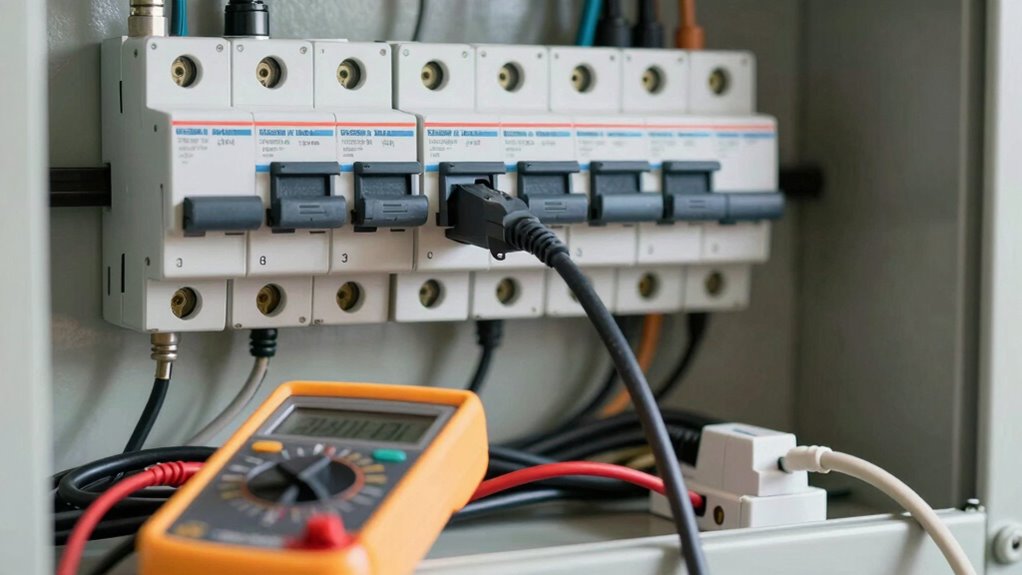
When managing high-draw appliances, setting realistic power expectations is vital to prevent overloads and guarantee safety. These appliances, such as space heaters, air conditioners, or large kitchen devices, consume significant energy, and if not properly managed, they can cause electrical issues or even fires. Understanding their energy consumption helps you plan your electrical load and avoid exceeding your circuit’s capacity. Before plugging in a high-draw appliance, check its wattage or amperage ratings. This information is typically found on the label or in the user manual. Comparing these figures with your circuit’s maximum capacity—usually 15 or 20 amps in household circuits—gives you a clear idea of what your electrical system can handle. Overestimating your needs can lead to frequent tripped breakers or, worse, overheating wires. Underestimating, however, risks overloads, which can damage your appliances and create unsafe conditions. Proper circuit management is essential to maintain electrical safety and performance. Additionally, understanding the power draw of your appliances can help you optimize energy efficiency and reduce utility costs. Being aware of your electrical system’s capacity also enables you to make informed decisions about appliance placement and usage, further enhancing safety. Regularly reviewing your electrical load helps identify potential overloads before they become hazardous. Implementing safety precautions is vital when integrating high-draw appliances into your home. Always use dedicated outlets for these devices whenever possible, as sharing outlets can lead to overloads. Avoid daisy-chaining multiple high-energy appliances on a single power strip or extension cord, since this increases the risk of overheating and fires. Use high-quality extension cords designed for heavy-duty use, and ensure they’re rated for the appliance’s power requirements. Regularly inspect cords and plugs for signs of wear or damage, and replace any compromised equipment immediately. Installing circuit breakers with surge protection can further shield your home from electrical surges caused by high energy demands. These safety precautions help you manage energy consumption more effectively while reducing potential hazards. Monitoring your appliances’ energy consumption is another key step in setting realistic power expectations. You can use energy meters or smart plugs that track real-time power usage, giving you insights into how much energy your high-draw appliances use during operation. This information allows you to adjust your usage habits—such as running certain appliances during off-peak hours or limiting their continuous operation—to stay within safe limits. Additionally, spreading out the use of high-energy devices throughout the day prevents sudden spikes in energy consumption that could strain your electrical system. Being proactive in understanding and managing your appliances’ energy needs ensures you stay safe, extend the lifespan of your equipment, and avoid unnecessary electrical issues. Proper power management is a crucial aspect of safe and efficient appliance operation.
Products Worth Considering

Samsung 55-Inch S90H OLED 4K UHD Smart TV Bundle with Full-Motion Mount and Surge Protector

Blueair Blue Pure 211i Max Smart Air Purifier for Large Rooms

Philips Hue Bridge Pro Starter Kit with 4 A19 E26 Color Smart Bulbs
As an affiliate, we earn on qualifying purchases.
Frequently Asked Questions
How Do I Calculate the Power Consumption of My Appliances Accurately?
To accurately calculate your appliances’ power consumption, start with their wattage ratings, usually found on labels or manuals. Use a power measurement device like a wattmeter to monitor real-time energy efficiency and actual usage. Multiply the wattage by the hours of operation to find daily energy consumption. This method gives you precise data, helping you manage your energy costs and understand each appliance’s true power draw.
What Safety Precautions Should I Take When Managing High-Draw Appliances?
When managing high-draw appliances, prioritize electrical wiring safety by guaranteeing all connections are secure and compliant with electrical codes. Always check that your circuit breaker can handle the appliance’s power load and never overload it. Turn off the power before maintenance, and use proper insulation. Regularly inspect wiring for wear or damage, and consider consulting a professional to prevent electrical hazards and ensure circuit breaker safety.
Can I Use a Standard Outlet for High-Power Appliances?
You shouldn’t use a standard outlet for high-power appliances because outlet compatibility and circuit capacity matter. Most standard outlets can’t handle the electrical load, risking overloads or fires. Check your appliance’s power requirements and compare them to your circuit’s capacity. If your appliance draws a lot of power, consider dedicated outlets or upgrading your circuit to guarantee safe operation and prevent electrical hazards.
How Do Power Expectations Differ Between Residential and Commercial Settings?
In residential settings, power expectations focus on energy efficiency and safety, using standard outlets and limited power management. Commercial environments handle higher power demands, requiring specialized outlets and advanced power management systems to guarantee efficiency and prevent overloads. You’ll need to take into account the increased energy needs and proper infrastructure to maintain safety and optimize performance, especially when managing high-draw appliances in these different settings.
What Are Signs That My Appliance Is Drawing More Power Than Expected?
Imagine your appliance as a steady heartbeat; if it suddenly races or stutters, it’s a sign it’s drawing more power than expected. Watch for frequent power surges or overheating, which signal decreased appliance efficiency. Unusual noise or flickering lights also hint at excess power draw. Recognizing these signs helps prevent damage and guarantees your appliance operates safely within its power limits.
Conclusion
Remember, a stitch in time saves nine, so don’t wait until your breaker trips to set proper power expectations. By understanding your high-draw appliances and managing their usage, you keep your electrical system running smoothly and avoid surprises. Stay proactive, monitor your energy consumption, and set realistic expectations. Doing so not only protects your appliances but also keeps your home safe and efficient—because a little planning today prevents bigger problems tomorrow.