
TL;DR

Get backup power and energy gear delivered free — and shop member deals
- Fast, free delivery on millions of items
- Access to Prime Big Deal Days deals on October 6–7
- Prime Video, Amazon Music and more included
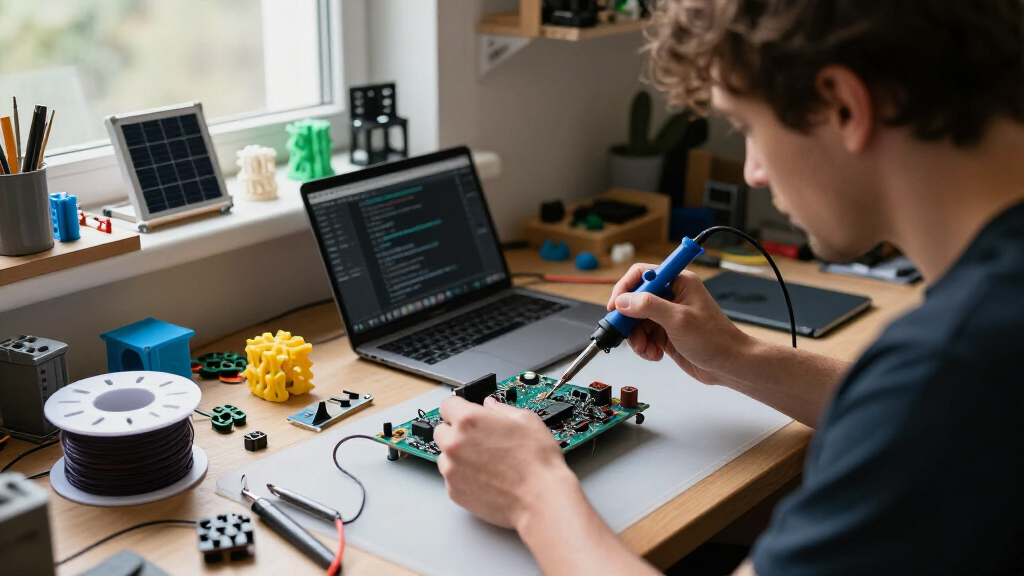
A hobbyist taught themselves PCB design, 3D printing, and C programming solely to improve their music experience. This unconventional motivation underscores a DIY spirit and technical curiosity.
A hobbyist has revealed that they learned PCB design, 3D printing, and C programming entirely to improve their music listening experience. This unusual motivation highlights a personal pursuit of technical skills driven by a passion for music, rather than traditional engineering or hobbyist projects.
The individual, whose identity has not been disclosed, started learning these complex skills independently over the past year. They aimed to create custom audio equipment, such as speakers or headphone amplifiers, that would deliver superior sound quality. According to the person, their motivation was purely personal, with no commercial intent or professional requirement. Experts confirm that mastering PCB design, 3D printing, and C is a significant undertaking, typically pursued by electronics enthusiasts or engineers, making this case notable for its unusual motivation. The person reports success in building a custom audio device, which they say has markedly improved their listening experience. It is unclear whether they plan to share their designs publicly or keep them as a personal project.DIY Tech Skills Driven by Personal Passion for Music
This story illustrates how personal interests can motivate individuals to acquire advanced technical skills typically associated with engineering or industrial design. It underscores a trend of self-education in niche areas, driven by specific passions. For music enthusiasts, this demonstrates a potential pathway to customize and improve audio equipment outside commercial offerings. The case also highlights the growing accessibility of learning resources for complex skills like PCB design, 3D printing, and programming, empowering hobbyists to pursue highly specialized projects for personal satisfaction and performance gains.As an affiliate, we earn on qualifying purchases.
Unusual Motivation for Technical Self-Learning
Self-education in electronics and programming is increasingly common, often driven by professional or hobbyist goals. However, learning PCB design, 3D printing, and C specifically to enhance a personal music experience is rare. The individual’s journey reflects a broader trend of DIY innovation, where enthusiasts leverage accessible tools and online resources to create customized solutions. Prior examples include hobbyists building custom speakers or audio amplifiers, but few have reported learning such a broad skill set solely for audio enhancement. This case adds a unique perspective on how personal passions can drive complex technical learning.“I wanted better sound quality for my music, so I decided to learn everything needed to build my own equipment.”
— the individual involved
As an affiliate, we earn on qualifying purchases.
Extent of Technical Skills and Future Plans Unclear
It is not yet clear how far the individual has progressed in their projects or whether they plan to share their designs publicly. Details about the specific equipment they built or are building remain undisclosed, and whether they intend to pursue further innovations is unknown.As an affiliate, we earn on qualifying purchases.
Potential Sharing of Designs or Further Projects
The individual has indicated they may document their process or share their creations online. Observers will watch for updates on their projects, which could inspire others to pursue DIY audio enhancements. Additionally, experts anticipate that their success might encourage more hobbyists to explore complex skills driven by personal passions.As an affiliate, we earn on qualifying purchases.
Key Questions
Why did this person learn such advanced skills?
They learned these skills specifically to improve their music listening experience, demonstrating a unique personal motivation rather than professional or hobbyist reasons.
What skills did they learn?
They learned PCB design, 3D printing, and C programming, which are typically used in electronics and hardware development.
Is this a common reason to learn these skills?
No, it is highly unusual. Most individuals learn these skills for professional projects, engineering, or hobbyist electronics, not solely for audio purposes.
Will they share their project publicly?
The individual has hinted at possibly documenting or sharing their work, but no official plans have been announced.
Could this inspire others to learn similar skills?
Yes, this story may motivate others to pursue technical skills driven by personal passions, especially in niche areas like audio customization.
Source: hn
Fall Picks
fall essentials
As an affiliate, we earn on qualifying purchases.