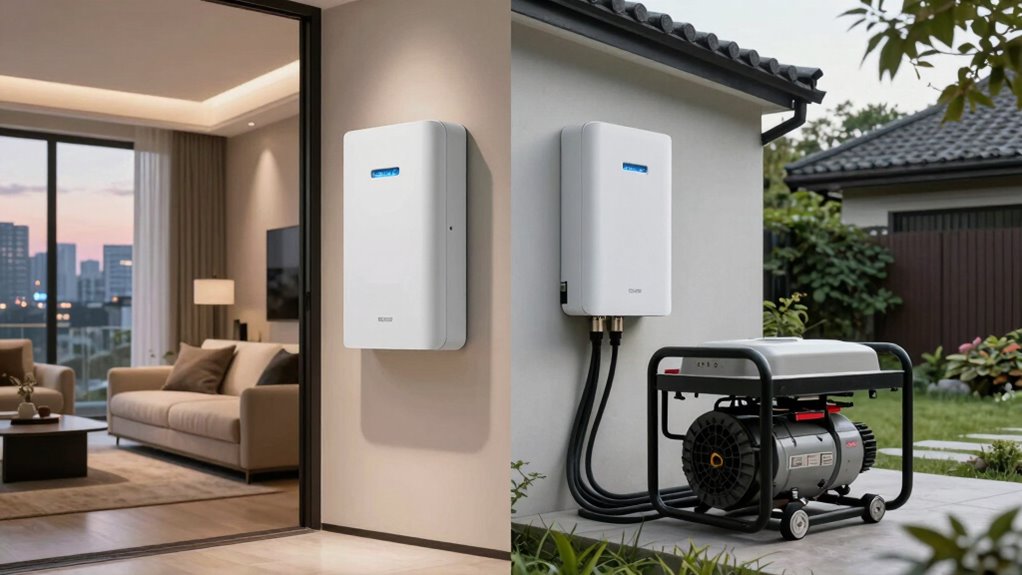

When installing backup power in a condo, you need to follow stricter rules than in a house. Condos have shared spaces, safety regulations, and building codes to take into account, which often limit where and what type of generator you can use. You may need approval from management and compliance with noise and ventilation standards. To make certain you stay within the rules and keep everyone safe, it’s important to understand the specific regulations—more details are just ahead.
Key Takeaways
- Condos often restrict generator installation locations and require approvals due to shared space and noise regulations.
- Building codes and safety standards are typically more stringent for condo backup power systems.
- Condo associations may mandate regular maintenance proof and compliance checks, unlike individual homes.
- Noise, ventilation, and fuel storage rules are stricter in condos to prevent disturbances and hazards.
- Use of smart technology and safety protocols is essential for managing backup power safely in condo settings.

Having backup power in your condo isn’t just a convenience — it’s often a necessity during outages. When the power goes out, you want to keep essential appliances running, guarantee your safety, and avoid the discomfort of darkness or spoiled food. Unlike houses, condos typically have specific rules and limitations around backup power systems, making it essential to understand the differences and plan accordingly.
One key aspect is generator maintenance. Condo associations usually have regulations about the type of backup systems permitted, often favoring smaller, quiet generators designed for shared spaces. Regular generator maintenance becomes critical to guarantee your system operates when needed. Neglecting maintenance can lead to failures during outages, leaving you unprotected when you need backup power most. You’ll want to schedule periodic inspections, check fuel levels, and listen for unusual noises to keep your generator in top shape. Some condos require proof of maintenance or certifications to guarantee safety and compliance with building codes.
Regular generator maintenance ensures reliable backup power and compliance with condo safety regulations.
Power outage planning in a condo setting also involves understanding the rules about installation and use. Many associations restrict where and how you can set up a generator, often limiting it to designated areas for safety and noise concerns. You might need approval before installing any backup power system, and certain types of generators could be prohibited altogether. It’s smart to review your condo’s governing documents or speak with the management to clarify what’s allowed. Preparing a list of essential devices to power during an outage will help you determine the generator size you need, making sure you don’t overbuy or underprepare. Additionally, understanding building code compliance can help ensure your setup meets legal requirements and safety standards. Ensuring your system aligns with local regulations is equally important to avoid potential penalties or safety issues. Regularly consulting with professionals about backup power regulations can help you stay current with any updates or changes in rules.
Condo backup power rules also extend to safety protocols. Since space is limited, you must follow strict guidelines to avoid carbon monoxide risks, fire hazards, and noise complaints. Proper placement and ventilation are essential, and many condos require professional installation to meet safety standards. Additionally, you should have a clear power outage plan that includes how to operate your generator safely and efficiently. This plan should cover steps like turning the generator on, managing load, and shutting it down correctly to prevent damage or hazards. Understanding smart home technology insights can also help you integrate automated or remote monitoring systems for enhanced safety and convenience during outages.

SIOKIUU 2500W Portable Generator Super Quiet Inverter Generator Ultra Lightweight for Home Backup Outdoor Camping, CO Sensor Protect, EPA, ECO Mode
- Extended Runtime: Up to 17 hours on a full tank
- High Power Output: 2500W peak, 1900W running power
- Clean Power: Less than 3% THD for sensitive devices
As an affiliate, we earn on qualifying purchases.
As an affiliate, we earn on qualifying purchases.
Frequently Asked Questions
Are Condo Backup Power Systems Covered by Building Insurance?
Yes, condo backup power systems are typically covered by building insurance, but you should check your policy for specifics. If a power failure causes damage, insurance claims may cover repairs. Remember, proper maintenance procedures are essential to prevent issues and guarantee coverage. Keep records of inspections and repairs to support your claims. Regularly review your policy so you’re aware of what’s covered and what isn’t, especially regarding backup systems.
Can Residents Install Their Own Backup Generators in Condos?
You can’t just install any generator you want in your condo—it’s like trying to fit a spaceship into a shoebox! Generator installation in condos usually requires approval from the condo board and adherence to strict rules. Plus, your insurance coverage might not cover damages caused by DIY installations. Always check with building management and your insurer before installing a backup generator, or you could face hefty fines and uncovered damages.
How Are Backup Power Costs Typically Allocated Among Condo Residents?
You typically share backup power costs among condo residents through shared expenses, which are included in your monthly fees or special assessments. Individual maintenance might cover basic systems, but larger or more advanced backup generators often require contributions from all residents. It’s crucial to review your condo association’s rules, as they determine how these costs are allocated. Clear agreements ensure everyone understands their financial responsibilities for backup power.
What Are the Noise Restrictions for Condo Backup Generators?
Think of your condo’s backup generator as a silent guardian—its noise levels are strictly regulated. You must keep the generator’s soundproofing requirements in check, ensuring it doesn’t disturb neighbors. Many condos limit noise to a specific decibel level, especially during quiet hours. By adhering to these rules, you maintain harmony, just like a well-orchestrated symphony, avoiding complaints and keeping peace within your community.
Are There Specific Safety Regulations for Condo Backup Power Systems?
Yes, there are specific safety regulations for condo backup power systems. You need to prioritize fire safety by installing fire suppression devices and ensuring proper ventilation. Regular maintenance protocols are essential, including routine inspections, testing, and servicing to prevent malfunctions. Adhering to local codes and manufacturer guidelines helps guarantee your system operates safely and effectively, minimizing risks of fire hazards and ensuring reliable backup power during emergencies.

CyberPower CP1500PFCLCD PFC Sinewave UPS Battery Backup and Surge Protector
- Power Capacity: 1500VA/1000W PFC sine wave UPS
- Outlets: 12 outlets with surge and battery backup
- Power Cord: 5-foot right-angle power cord
As an affiliate, we earn on qualifying purchases.
As an affiliate, we earn on qualifying purchases.
Conclusion
Just like a captain navigates through stormy seas, understanding your condo’s backup power rules keeps you steady during outages. Remember, the rules differ from those of a house—think of it as a unique island with its own customs. Stay informed, and you’ll avoid being caught in the dark when the storm hits. Embrace this knowledge, and you’ll be the hero of your own story, confidently steering through any blackout with calm and clarity.
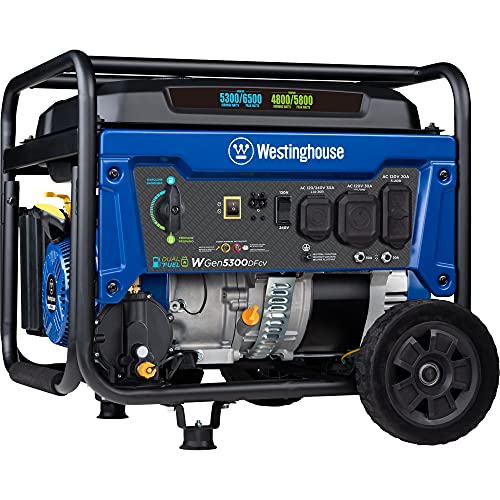
Westinghouse 6500 Watt Dual Fuel Home Backup Portable Generator, Transfer Switch Ready 30A Outlet, RV Ready 30A Outlet, CO Sensor
- Power Output (Gasoline): 5300W running, 6500W peak
- Power Output (Propane): 4800W running, 5800W peak
- Fuel Capacity and Runtime: 4.7-gallon tank, up to 14.5 hours
As an affiliate, we earn on qualifying purchases.
As an affiliate, we earn on qualifying purchases.

Generac 0J93230SSM 20Kw-22Kw SM 999 Maintenance Kit (Synthetic Oil)
- Genuine OEM Generac parts: Includes authentic Generac components
- Compatible with specific engine models: Fits designated Generac engines
- Synthetic oil included: Contains high-quality synthetic oil
As an affiliate, we earn on qualifying purchases.
As an affiliate, we earn on qualifying purchases.