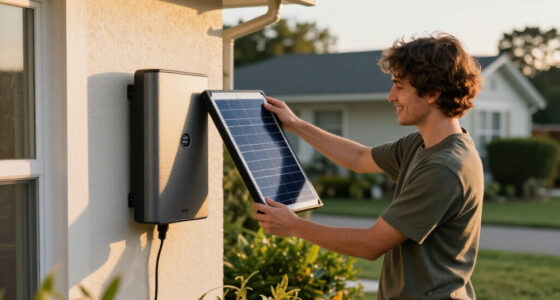
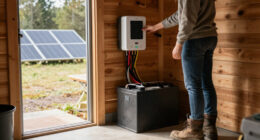
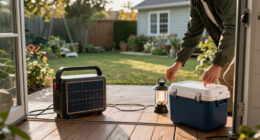
During a power outage, you should first prioritize devices that guarantee safety and communication, like cell phones, radios, and flashlights. Keep medical equipment and backup power sources ready, and close refrigerator doors to conserve food. Use generators safely for essential appliances, and turn off non-essentials to extend battery life. Planning ahead and knowing what to power first helps you stay safe and comfortable. Keep going to discover more tips to stay prepared and in control.

Get backup power and energy gear delivered free with Prime
- Fast, free delivery on millions of items
- Prime Video, Amazon Music and more included
- Member-only deals all year
Key Takeaways
- Identify and power essential devices first, such as communication, medical, and safety equipment.
- Conserve battery life by turning off non-essential devices and disabling unused features.
- Use backup power sources like generators or portable chargers for critical appliances.
- Keep food safety devices, like refrigerators, running by limiting door openings and prioritizing their power.
- Regularly monitor device usage and switch power to high-priority items as needed to extend overall operational time.

During a power outage, knowing which devices to prioritize can make a significant difference in maintaining safety and comfort. When the lights go out unexpectedly, your first concern should be ensuring you can communicate effectively and stay informed. Emergency communication devices like cell phones, battery-powered radios, or emergency alert systems need to be at the top of your list. These devices are essential for receiving updates about the outage, weather alerts, or emergency instructions from authorities. To keep them operational, you must manage your battery wisely, conserving power for critical moments.
Battery management becomes crucial during extended outages. It’s wise to keep spare batteries or portable power banks ready beforehand. Consider investing in a solar charger or hand-crank generator to supplement your power sources. When using your devices, turn off non-essential applications and disable features like Bluetooth or Wi-Fi if not in use to extend battery life. Prioritize charging your communication devices first, since staying connected can be a lifeline in emergencies. Avoid draining their batteries on activities that aren’t urgent, such as streaming or gaming, to ensure they last longer when it matters most.
Additionally, you want to focus on devices that provide safety and comfort, such as flashlights, portable fans, and medical equipment. Battery-powered flashlights are vital for navigating your home safely in the dark, especially if the outage extends into the night. If you rely on medical devices, ensure they have backup power sources, like batteries or generators, and keep them fully charged. This way, you’re prepared to maintain health and well-being without relying solely on the main power grid. Recognizing power outage preparedness and planning ahead can help reduce stress and ensure you’re ready for unexpected disruptions.
It’s also important to think about your refrigeration needs. While conserving energy, keep refrigerator and freezer doors closed as much as possible to prevent food spoilage. If you have a portable generator, only use it for essential appliances, and make sure you follow safety guidelines to prevent carbon monoxide poisoning. Remember, not all devices need to be powered at once — prioritize those that support safety, communication, and health. Understanding the importance of home appliance management can help you make smarter decisions during outages. Additionally, knowing how to properly manage backup power can prolong the usability of your essential devices during extended outages. Proper power conservation strategies, including awareness of regional flavor and product preferences, can further extend the life of your critical devices and supplies during prolonged disruptions.
Products Worth Considering
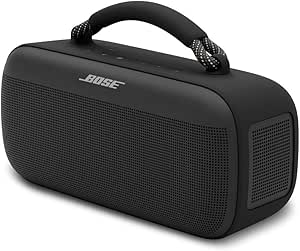
Bose SoundLink Max Portable Bluetooth Speaker, IP67 Waterproof and Dustproof, Up to 20 Hours of Battery Life, Black

TCL 85-Inch QM64L QD-Mini LED 4K Smart Fire TV

Ring Battery Doorbell Pro, 1536p HD+ Head-to-Toe Video
As an affiliate, we earn on qualifying purchases.
Frequently Asked Questions
How Do I Determine Which Devices Are Essential During a Blackout?
You should start with a device categorization, listing essentials like medical equipment, communication tools, and refrigeration. Conduct a priority assessment by evaluating each device’s importance for safety, health, or communication. Focus on devices that keep you connected, provide crucial health support, or preserve food. This way, you guarantee your most critical needs are met first, helping you manage the outage efficiently and stay safe until power is restored.
What Safety Precautions Should I Take When Managing Multiple Devices?
You should always prioritize device safety by unplugging devices when not in use to prevent surges and damage. Use power management strategies like connecting critical devices to surge protectors and avoiding overloading outlets. Keep a fire extinguisher nearby, and never handle electrical devices with wet hands. Regularly inspect cords for damage, and guarantee proper ventilation to prevent overheating. These precautions help keep you safe while managing multiple devices during a power outage.
How Long Can I Expect My Backup Power Sources to Last?
You might find it surprising, but your backup power sources typically last between a few hours to over a day, depending on their capacity. Proper battery maintenance and efficient power management extend their life, giving you more time during outages. Keep devices charged and unplug unnecessary electronics to conserve power. Regularly check your backup system’s health to verify it’s ready when you need it most, making those critical moments less stressful.
Should I Prioritize Devices Based on Their Energy Consumption?
Yes, you should prioritize devices based on their energy efficiency and device hierarchy. Focus on essential devices that are energy-efficient first, like LED lights or low-power communication devices. Avoid high-energy-consuming equipment unless absolutely necessary. By doing this, you conserve your backup power, ensuring that critical devices stay operational longer. Always consider each device’s importance and energy needs to make the most of your available backup power during an outage.
What Are the Best Methods to Conserve Power During an Outage?
To conserve power during an outage, focus on using energy-efficient gadgets that consume less energy, helping you extend your power supply. Additionally, consider renewable energy options like portable solar chargers or generators to supplement your power needs. Limit device usage to essential ones, turn off unused electronics, and reduce lighting. These strategies help you manage your energy better, ensuring you have power when you need it most.
Conclusion
Prioritizing devices during a power outage might seem like a hassle, but it’s truly about protecting what matters most. By focusing on essential devices like your fridge, phone, and medical equipment first, you guarantee safety and connectivity. Sure, it’s tempting to keep everything running, but smart prioritization prevents unnecessary battery drain. Stay calm, plan ahead, and you’ll handle the outage smoothly—because being prepared makes all the difference when the power’s out.