To prolong your battery life during long-term storage, keep it around 50% charged and store it in a cool, dry place away from heat and direct sunlight. Avoid fully charging or draining the battery, and check its level periodically, recharging when it drops considerably. Use a proper storage environment with good ventilation, and don’t ignore temperature or humidity. Keep these tips in mind, and you’ll discover how to maximize your battery’s health over time.
Key Takeaways
- Store devices with batteries around 50% charge in cool, dry, and well-ventilated areas.
- Recheck battery levels periodically and recharge to 50% if they drop significantly during storage.
- Avoid storing devices in hot environments or exposing them to direct sunlight or heat sources.
- Keep storage environments dry, free from humidity, and away from moisture that can cause corrosion.
- Limit extended storage time and avoid keeping devices fully charged or completely drained to preserve battery health.

Have you ever wondered how to make your device’s battery last longer? It all starts with understanding the importance of proper charging habits and storage conditions. Your battery’s lifespan depends heavily on how you handle it day to day and during periods of infrequent use. Small adjustments in your charging routines can make a significant difference over time, preventing unnecessary strain and degradation. For example, avoiding frequent full discharges and not keeping your device plugged in at 100% for extended periods can help preserve battery health. Instead, aim to keep your battery level between 20% and 80%, which reduces stress on the cells and minimizes aging. When you’re charging, use the original charger or a certified one to guarantee proper voltage and current flow. Fast chargers might seem convenient, but they can generate excess heat and accelerate battery wear if used frequently. Keep in mind that heat is one of the biggest enemies of battery longevity, so avoid charging your device in hot environments or covering it while charging. Proper battery management practices can further extend the overall lifespan of your device’s battery.
Storage conditions are equally vital when it comes to long-term battery health. If you’re planning to store your device for an extended period, don’t just turn it off and forget about it. Instead, make sure the battery is around 50% charged before storing it. Fully charging or completely draining the battery before storage can lead to capacity loss over time. Store your device in a cool, dry place, away from direct sunlight or sources of heat, as high temperatures speed up chemical reactions inside the battery, causing it to degrade faster. Also, keep it in a well-ventilated area; avoiding humid environments prevents corrosion and potential damage. If you’re storing the device for several months, check on it periodically and recharge to 50% if the battery level drops considerably. This practice helps maintain the chemical stability of the battery and prevents it from falling into a deep discharge state, which can be harmful.

54.6V 2A Ebike Charger for 48v 13S Li-ion Battery
- Voltage and Current: 54.6V 2A output for 48V batteries
- Compatibility: Suitable for 48V-54.6V Li-ion batteries
- Protection Features: Voltage, over-current, over-temperature, short-circuit protection
As an affiliate, we earn on qualifying purchases.
As an affiliate, we earn on qualifying purchases.
Frequently Asked Questions
How Does Temperature Affect Battery Storage Duration?
Temperature critically influences how long your battery remains functional. If you keep it in a steady, moderate temperature, it maintains ideal temperature stability, preventing deterioration. Avoid extreme heat or cold, as thermal cycling causes expansion and contraction, damaging internal components. Fluctuating temperatures hasten capacity loss, so storing your battery in a cool, consistent environment helps preserve its health longer. Proper temperature control guarantees your battery stays dependable over extended periods.
Should I Fully Charge or Discharge Batteries Before Storage?
You should partially charge your batteries before storage, ideally around 50-60%, based on their battery chemistry. Fully discharging can cause damage, and a full charge might lead to capacity loss over time. Store your batteries in proper storage containers that protect them from temperature fluctuations and moisture. This approach helps maintain their health, ensuring they’re ready for use when needed without risking long-term damage.
How Often Should I Check Stored Batteries for Maintenance?
You should check your stored batteries every 3 to 6 months to guarantee battery safety and peak performance. During these checks, inspect storage containers for leaks or corrosion, and recharge batteries if their voltage drops considerably. Regular maintenance prevents potential hazards and extends battery life. Always handle batteries carefully, wear protective gear, and store them in appropriate containers to avoid damage or accidents.
Can Storage Methods Vary Between Different Battery Types?
Did you know that improper storage can reduce battery capacity by up to 50%? Storage methods do vary depending on battery chemistry, so you should choose specific storage containers for each type. For example, lithium-ion batteries need to be stored in a cool, dry place, while lead-acid batteries require vented containers. Understanding these differences helps preserve your batteries’ health and performance over time.
What Are the Signs of Battery Degradation During Storage?
During storage, you’ll notice battery degradation through reduced battery capacity, meaning it doesn’t hold a charge as long. Swelling, leakage, or corrosion are signs that storage safety might be compromised. You might also see increased internal resistance, causing the device to perform poorly. Keep an eye out for these signs to guarantee your battery remains safe and functional over time. Regular checks help prevent potential hazards and maintain ideal performance.
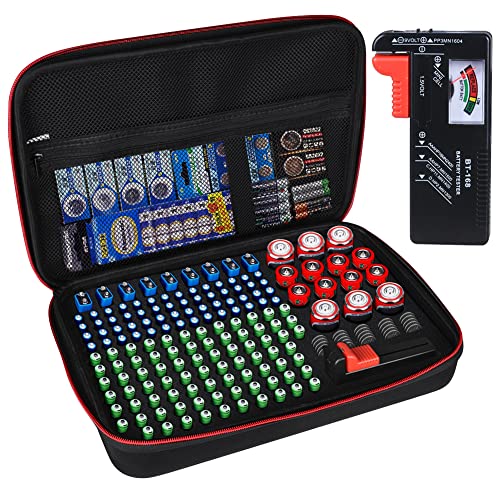
Battery Organizer Storage Box with Tester, Battery Vault Case Fireproof Waterproof Explosionproof Holder Box with Tester BT-168 Checker Carrying Case Container Bag Fit for 200+ Batteries AA AAA C D 9V
- Fireproof and Waterproof Material: Made of silicone-coated fiberglass for safety
- High Capacity Storage: Holds over 200 batteries of various sizes
- Secure and Safe Design: Double zipper and durable handle for safety
As an affiliate, we earn on qualifying purchases.
As an affiliate, we earn on qualifying purchases.
Conclusion
By following these storage tips, you can extend your battery’s lifespan considerably. Did you know that storing a lithium-ion battery at 40% charge can help it last up to three times longer? Keeping your batteries in a cool, dry place and avoiding full charges during storage can make a big difference. Take these simple steps, and you’ll enjoy better performance and longer-lasting batteries over time. Your devices will thank you for it!

VLITEX Lithium Battery Storage Box XL (Extra Large) | Engineered in Germany | Fireproof E-Fiberglass & Silicone Fabric | Certified Lipo Safe Bag Container
- Battery Safeguard: Protects lithium batteries during use and transport
- German Engineering: Designed and developed in Germany for over 20 years
- Fireproof Material: Made with multi-layered E-glass fiber and silicone
As an affiliate, we earn on qualifying purchases.
As an affiliate, we earn on qualifying purchases.
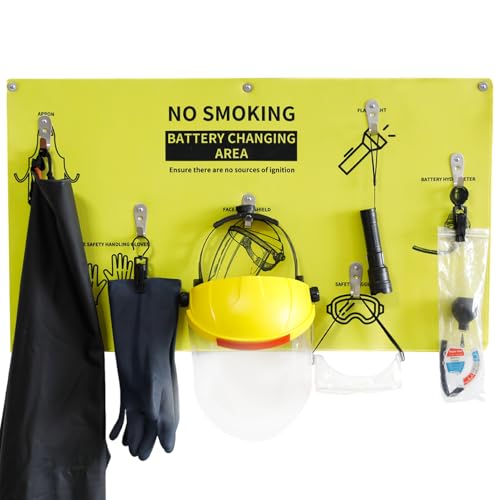
7-in-1 Complete Battery PPE Kit for Forklift Battery Maintenance
- Complete PPE Kit: Includes gloves, goggles, shield, apron, hydrometer, flashlight, wall-mount
- Reduces Maintenance Hazards: Provides protective gear for safe handling
- Wall-Mounted Storage: Keeps all equipment organized and accessible
As an affiliate, we earn on qualifying purchases.
As an affiliate, we earn on qualifying purchases.