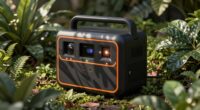
During a winter outage, you should prioritize powering emergency heating systems like space heaters and backup units first to prevent hypothermia and keep your home livable. Make sure essential safety devices such as LED flashlights, radios, and charged cell phones stay working for updates and communication. Keep medications, water, and non-perishable food accessible. Planning ahead and understanding your backup options can make a big difference—continue on to discover more tips for staying safe.

Get backup power and energy gear delivered free with Prime
- Fast, free delivery on millions of items
- Prime Video, Amazon Music and more included
- Member-only deals all year
Key Takeaways
- Power emergency heating systems first to prevent hypothermia and maintain safe indoor temperatures.
- Keep essential safety devices like flashlights and radios powered to stay informed.
- Ensure critical medications and water supplies are accessible and maintained with backup power.
- Prioritize powering communication devices and chargers for mobile phones.
- Use backup generators to supply energy to vital appliances and prevent damage to essential systems.
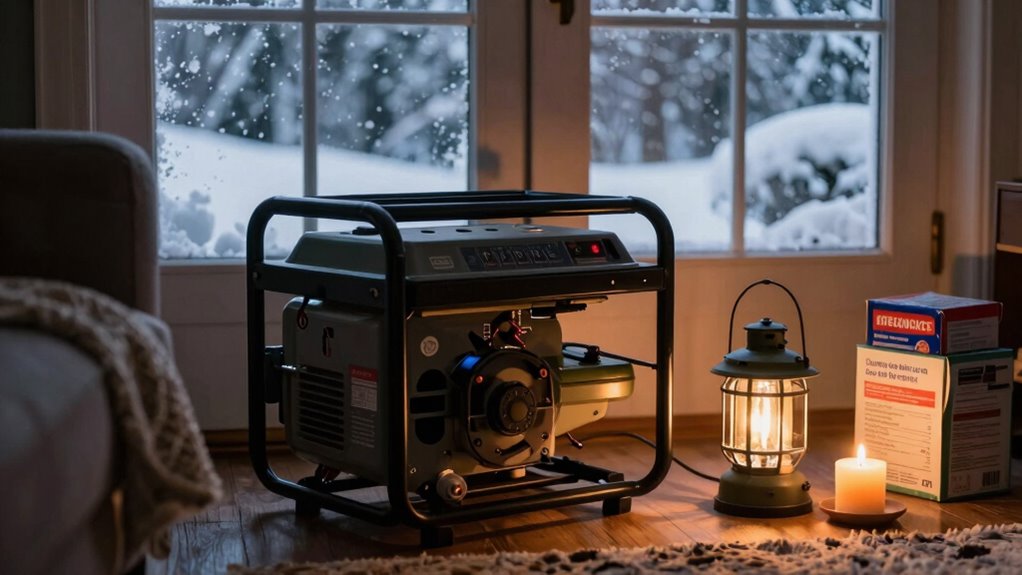
During a winter outage, knowing which devices to power first can make a significant difference in maintaining safety and comfort. When the power goes out unexpectedly, your top priority should be keeping warm and guaranteeing safety, which means prioritizing emergency heating and essential devices. Emergency heating systems, such as portable space heaters or backup heating units, are essential because they help prevent hypothermia and keep your living space livable. If you already have a generator or other power backup options, make sure they’re ready to go. These backup options can provide reliable power to your essential appliances and heating systems, but you must know how to operate them properly and safely.
Start by powering your heating system first if it’s connected to a generator or has a dedicated backup. This guarantees that your home stays warm and reduces the risk of cold-related health issues. If you rely on space heaters, choose the safest and most energy-efficient models and keep them away from curtains or flammable materials. Remember, proper ventilation is fundamental to avoid carbon monoxide buildup when using any fuel-based heating device. If you have a generator, connect it to your furnace or space heater using an extension cord rated for the load, but never run a generator indoors or in an enclosed space to prevent dangerous carbon monoxide poisoning. Additionally, understanding power backup options and their proper use can significantly improve your preparedness during outages.
Beyond heating, focus on powering essential devices that support safety, such as LED flashlights, battery-operated radios, and charging stations for your cell phones. These backup power options keep you informed and connected, which is critical during an emergency. Keep a stock of fully charged portable chargers or power banks, so you can recharge your devices when blackout persists. It’s also helpful to familiarize yourself with the different types of home generators, including their capacity and safety features, to ensure you choose the right solution for your needs. Learning about generator safety is crucial to prevent accidents and ensure proper operation during a blackout.
In addition to emergency heating, guarantee you have easy access to your supply of bottled water, non-perishable food, and any necessary medications. If you have a generator, plan ahead for fueling it, and always operate it outdoors in a well-ventilated area. Having a plan for which devices to power first and understanding your power backup options will help you stay safe and comfortable through the worst of the winter outage. This preparation minimizes risks and keeps your household protected until the power is restored.
portable space heater with safety features
As an affiliate, we earn on qualifying purchases.
As an affiliate, we earn on qualifying purchases.
Frequently Asked Questions
How Long Can Essential Devices Run on Backup Power?
Essential devices can run on backup power for several hours, depending on your battery maintenance and the capacity of your power source. To maximize runtime, practice power conservation by turning off unnecessary devices and lowering power usage. Keep your batteries well-maintained to guarantee reliable backup when needed. Regularly check your power sources and store extra batteries or fuel, so you’re prepared for longer outages.
Should I Prioritize Heating Over Refrigeration During an Outage?
Think of your home as a ship steering icy waters—your first priority is keeping the engine running, which in winter means prioritizing heating over refrigeration. During an outage, you should focus on alternative heating to keep your family safe and warm. Appliance prioritization ensures your heating system stays operational, preventing frozen pipes and health risks. Refrigeration can often be delayed temporarily, but warmth is essential for survival in cold conditions.
What Safety Precautions Are Necessary When Using Backup Generators?
When using backup generators, you need to prioritize safety. Place your generator outdoors, away from windows and vents, to prevent carbon monoxide buildup. Always handle fuel with care, refilling only when the generator is off and cooled down to avoid spills or fires. Never run your generator inside your home, garage, or enclosed spaces. Regularly check for leaks and guarantee proper ventilation to keep yourself and your family safe.
How Can I Extend the Life of My Backup Power Sources?
To extend your backup power sources’ life, prioritize regular battery maintenance by checking connections, cleaning terminals, and testing capacity. Keep batteries charged and avoid deep discharges. For solar-powered backups, guarantee panels are clean and unobstructed to maximize solar efficiency. Proper storage during off-seasons also helps, preventing deterioration. Regular maintenance and optimizing solar input will make your backup systems more reliable and long-lasting during winter outages.
What Are the Signs of Power Source Failure During Winter Outages?
A stitch in time saves nine, so watch for signs of power source failure during winter outages. You might notice flickering lights, unexplained outages, or a sudden drop in backup battery capacity. Keep emergency supplies handy and verify your communication methods like radios or cell phones stay charged. If your backup system isn’t functioning properly, it’s time to troubleshoot or replace components before the outage worsens, keeping your home safe and connected.
As an affiliate, we earn on qualifying purchases.
Conclusion
As the cold bites deeper and darkness blankets your home, focus on what keeps you safe and warm—your essential appliances. Imagine the glow of a lantern illuminating a cozy corner, or the hum of a generator restoring life to your efforts. Prioritize your heat source, your fridge, and your communication devices, and you’ll weather the storm more comfortably. Keep these essentials alive, and you’ll find warmth even in winter’s harshest moments.
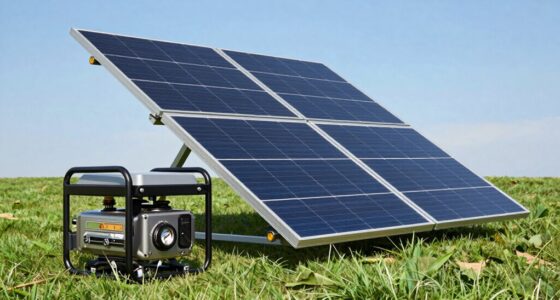
home backup generator for winter outages
As an affiliate, we earn on qualifying purchases.
As an affiliate, we earn on qualifying purchases.
portable phone charger power bank
As an affiliate, we earn on qualifying purchases.
As an affiliate, we earn on qualifying purchases.
Columbus Day / Indigenous Peoples' Day Picks
long weekend sales
As an affiliate, we earn on qualifying purchases.