
TL;DR
London Underground has initiated face scanning at certain stations to improve security and operational efficiency. The technology is currently in testing phases, with full deployment still unconfirmed. Privacy concerns are mounting as passengers and privacy advocates question the implications.
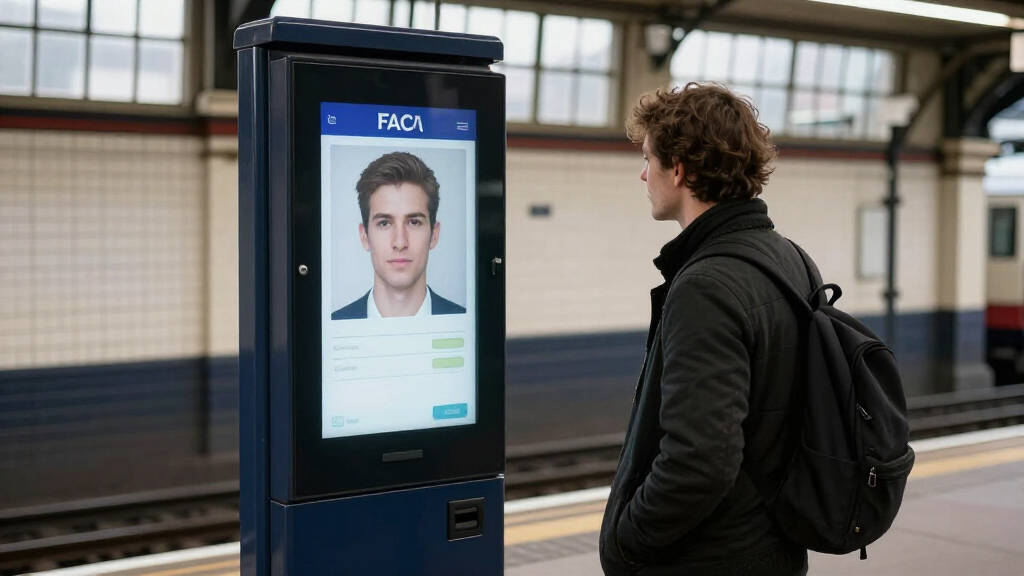
London Underground has begun implementing face scanning technology at select stations, marking a major step in biometric surveillance within the transit system. The initiative aims to enhance security and streamline passenger flow, but it has sparked privacy debates. The rollout is currently in testing phases, with officials emphasizing that the system is not yet fully operational across all stations.

Get backup power and energy gear delivered free with Prime
- Fast, free delivery on millions of items
- Prime Video, Amazon Music and more included
- Member-only deals all year
According to Transport for London (TfL), face scanning technology is being tested at a limited number of stations as part of a pilot program. The system captures images of passengers’ faces to verify identities against security databases, with the goal of identifying individuals on watchlists or suspected of criminal activity. TfL has stated that the data collected is stored securely and used solely for security purposes, with strict compliance to data protection laws.
Passengers at the participating stations have reported noticing new cameras equipped with facial recognition software. TfL confirmed that no data has yet been used to make arrests or enforce penalties, emphasizing that the project is still in the evaluation phase. The pilot includes monitoring the system’s accuracy, speed, and impact on passenger flow.
Privacy groups and opposition politicians have raised concerns about the potential for mass surveillance and misuse of biometric data. The UK’s Information Commissioner’s Office (ICO) has indicated it is monitoring the project and has advised TfL to ensure transparency and robust data safeguards.
Security and Privacy Implications of Face Scanning in Transit
This development signals a shift toward increased biometric surveillance in public spaces, raising questions about privacy rights and data security. While officials cite security benefits, critics warn of potential misuse, data breaches, and the erosion of civil liberties. The pilot’s success or failure could influence future policies on biometric data collection in the UK and beyond.
Products Worth Considering

Ring Alarm 5-Piece Home Security Kit

Ring Alarm 8-Piece Home Security System Kit

Ring Alarm 14-Piece Security Kit
As an affiliate, we earn on qualifying purchases.
Previous Use of Biometric Tech in UK Public Transit
Biometric technology has been gradually introduced in the UK, primarily for border control and airport security. The London Underground’s face scanning trial is among the first large-scale efforts to deploy such technology in a public transit environment. Similar systems have been tested elsewhere in Europe and Asia, often with mixed public reception. The move follows broader discussions on surveillance, data privacy, and security in the UK post-Brexit and amid rising concerns over terrorism and crime.
“The face recognition pilot is designed to enhance security and improve passenger experience. We are committed to transparency and data protection.”
— Transport for London spokesperson
Unclear Scope and Future of Face Scanning Deployment
It remains uncertain whether face scanning will be expanded to all London Underground stations or remain limited to pilot sites. Details about data storage duration, access controls, and potential integration with other security systems are still under development. Officials have not confirmed whether the technology could be used for non-security purposes, such as targeted advertising or commercial profiling.
Next Steps in Testing and Policy Development
TfL plans to continue monitoring the pilot’s effectiveness over the coming months, with a decision on broader deployment expected after comprehensive evaluation. Privacy regulators and advocacy groups are likely to scrutinize the project further, potentially prompting calls for legislative oversight or new regulations. Public feedback and transparency reports will be critical in shaping the future of biometric surveillance in London’s transit system.
Key Questions
Is face scanning mandatory for all passengers?
No, currently the face scanning system is only being tested at select stations and is not mandatory for passengers. It is part of a pilot program to assess its effectiveness and impact.
What data is collected during face scans?
The system captures facial images to verify identities against security watchlists. According to TfL, the data is stored securely and used solely for security purposes during the pilot phase.
Could this technology be used for purposes other than security?
Officials have not confirmed any plans beyond security-related use. However, privacy groups express concern about potential future uses, such as targeted marketing or profiling.
How long will the pilot program last?
Transport for London has not specified an exact timeline but indicated that the pilot will run for several months to evaluate effectiveness, accuracy, and public response.
What are the privacy safeguards in place?
According to TfL, data is stored securely, access is restricted, and the system complies with UK data protection laws. Transparency and oversight are ongoing concerns raised by critics.
Source: hn