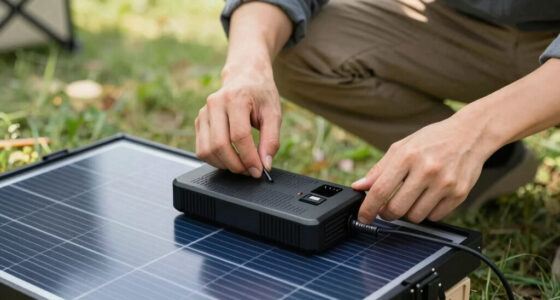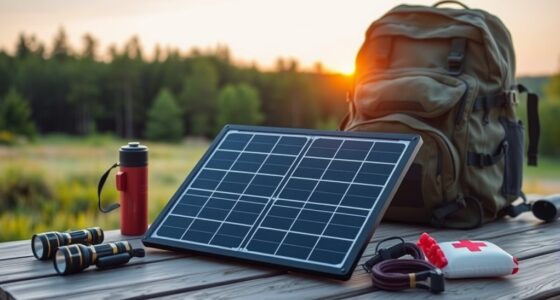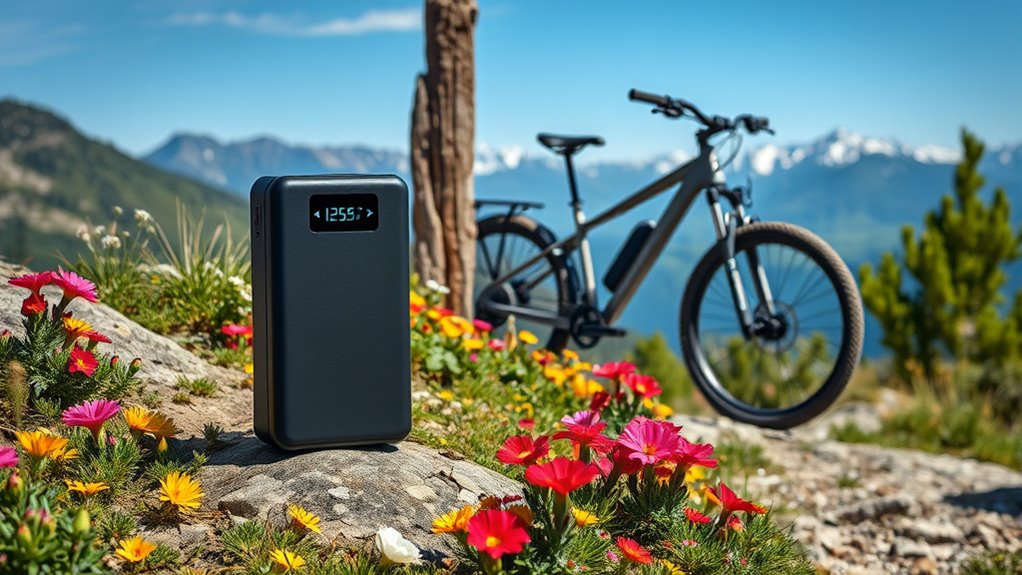

If you’re looking for a reliable portable power station to keep your electric bike charged during outdoor adventures or emergencies, you’re in the right place. The best models balance capacity, portability, and recharge speed, but often require tradeoffs between size and power output. The Jackery Explorer 290 stands out as an excellent overall choice for its compact design and dependable performance, while the ALLPOWERS R1500 LITE offers impressive capacity for longer trips. For heavy-duty needs, the Portable Power Station 3000W provides substantial power but comes with a larger size and higher cost. Continue reading for a complete breakdown of these options and what to consider when selecting a portable power station for your electric bike.

Get backup power and energy gear delivered free with Prime
- Fast, free delivery on millions of items
- Prime Video, Amazon Music and more included
- Member-only deals all year
Complete the kit


Key Takeaways
- Higher capacity models like the ALLPOWERS R1500 LITE deliver longer runtime but tend to be bulkier and more expensive.
- Compact options such as the Jackery Explorer 290 are ideal for lightweight, short-term use but may lack enough power for extended trips.
- Fast charging and multiple AC ports are common features in premium models, yet they often come with a higher price tag.
- LiFePO4 battery technology enhances longevity and safety, making it a key factor for frequent use or long-term investment.
- Size and weight vary significantly, so consider your transportation method and storage space when choosing a model.


| portable power station for electric bike | Weight | Capacity | Battery Capacity |
|---|---|---|---|
| Jackery Portable Power Station | 7.1 pounds | 290Wh | — |
| ALLPOWERS R1500 LITE Portable | 15kg | — | 1056Wh |
| Portable Power Station 3000W | 75 pounds | — | 2560Wh |
| OUPES Mega 1 Portable Power St | — | — | 1024Wh |
| EnginStar Portable Power Stati | 6.5 lbs | — | 296Wh |
| EnginStar Portable Power Stati | 6.5 pounds | 296Wh | — |
| Portable Power Station 300W | 5.73 lbs | — | 192Wh |
| Anker Solar Generator SOLIX C3 | — | 288Wh | — |
| EBL Portable Power Station 100 | 21 pounds | 999Wh | — |
| DaranEner Portable Power Stati | 5.73 lbs | 192Wh | — |
| Portable Power Station 300W | 5 lbs | — | 220Wh/60000mAh |
| BLUETTI Elite 30 V2 Portable P | 9.4 lbs | 288Wh | — |
More Details on Our Top Picks
Jackery Portable Power Station Explorer 290, 290Wh Backup Lithium Battery, 110V/200W Pure Sine Wave AC Outlet, Solar Generator (Solar Panel Not Included) for Outdoors Camping Travel Hunting Blackout
The Jackery Explorer 290 stands out for its compact size and ease of portability, making it an excellent choice for campers and outdoor enthusiasts who need reliable power without extra bulk. Compared with larger units like the OUPES Mega 1, it offers less capacity but excels in weight and simplicity, perfect for shorter trips. The pure sine wave inverter safeguards sensitive electronics, and multiple charging methods add versatility. The main tradeoff is its limited capacity—suitable for small devices but not for powering larger appliances or extended use. Its 290Wh battery and 200W continuous output make it ideal for phones, cameras, and small gadgets, but not for running power tools or high-demand equipment for long periods.
Pros:- Very portable and lightweight at just over 7 pounds
- Multiple charging options including solar, wall, and car
- Pure sine wave inverter protects sensitive electronics
- Clear LCD display for real-time power info
Cons:- Limited capacity restricts use to small electronics
- Solar panel not included, adding extra cost
Best for: Hikers, campers, and outdoor adventurers needing lightweight backup power for essential electronics
Not ideal for: Users seeking to power larger appliances or run multiple devices over extended periods
- Capacity:290Wh
- AC Output:110V/200W
- Ports:1 AC, 2 USB-A, 1 12V DC
- Weight:7.1 pounds
- Recharge Time:5-6.5 hours
- Inverter Type:Pure sine wave
- Display:LCD
Our verdict“This power station is perfect for outdoor lovers who prioritize portability and basic device charging over high capacity.”
ALLPOWERS R1500 LITE Portable Power Station 1056Wh, 1600W Solar Generator with LiFePO4 Battery and Fast Charging
The ALLPOWERS R1500 LITE offers a substantial 1056Wh capacity and supports 1600W continuous power, making it well-suited for backup power during outages or longer camping trips. Unlike the smaller Jackery Explorer 290, it’s designed for more demanding applications and can handle multiple devices simultaneously via four AC outlets and versatile USB ports. Its LiFePO4 battery provides over 3500 cycles, promising longevity. The main drawback is its weight—about 15kg—which reduces portability, especially for casual outdoor users. It’s best for those who need reliable power over longer periods or for multiple devices, but less so for lightweight, on-the-go use where portability is a priority.
Pros:- High-capacity 1056Wh lithium battery with long lifespan
- Supports multiple charging methods including solar, wall, and car
- Powerful 1600W continuous output with surge up to 3200W
- Long runtime of 8-10 hours under typical use
Cons:- Heavy and less portable at 15kg
- Setup can be complex for first-time users
Best for: Homeowners or campers needing a dependable, long-lasting power source for multiple devices
Not ideal for: Individuals seeking a lightweight, easily portable solution for short outdoor trips
- Battery Capacity:1056Wh
- Power Output:1600W
- Surge Power:3200W
- Weight:15kg
- Charging Methods:Solar, Wall, Car
- Number of AC Outlets:4
- Battery Type:LiFePO4
Our verdict“This unit makes sense for users needing serious backup power or extended camping capacity, accepting its weight as a tradeoff for capacity.”
Portable Power Station 3000W (5000W Surge), 2560Wh LiFePO4 Solar Generator with Wheels, Fast Charge, 4 AC Ports, UPS Backup for RV, Camping, Home Use, Van Life
The Portable Power Station 3000W combines high capacity with impressive power delivery, featuring a 2560Wh LiFePO4 battery and 3000W continuous output. Its ability to surge to 5000W allows it to run larger appliances, making it a strong choice for RVs, home backup, or off-grid situations. Compared with smaller units like the Jackery 290, it’s significantly heavier and bulkier but offers unmatched power and expandability, including a foldable handle and all-terrain wheels. The main downside is its weight—around 75 pounds—and a higher price tag. It’s best for users who need serious power for extended periods or larger appliances, but it’s overkill for casual or lightweight outdoor use.
Pros:- Massive 2560Wh battery capacity for long-term use
- Supports expansion up to 5kWh for larger power demands
- Fast recharge in 1.6 hours and multiple output options
- Robust build with wheels and foldable handle for mobility
Cons:- Heavy and less portable at 75 pounds
- Higher cost and complex setup for expansion
Best for: RVers, homeowners, and off-grid users needing reliable, high-capacity power
Not ideal for: Lightweight outdoor enthusiasts or casual users wanting portability over power
- Wattage:3000W
- Battery Capacity:2560Wh
- Peak Power:5000W
- Charge Time:1.6 hours
- Weight:75 pounds
- Outputs:4 AC, USB-C, USB-A, DC
- Expansion Support:Up to 5kWh
Our verdict“This unit suits those who require high power, long runtime, and expandability, accepting its size and cost as necessary tradeoffs.”
OUPES Mega 1 Portable Power Station 2000W (Surge 4500W), 1024Wh LiFePO4 Battery Generator, Expandable to 5kWh, UPS, for Home Backup Power, Camping, Road Trips
The OUPES Mega 1 provides a balanced mix of capacity and power, with a 1024Wh LiFePO4 battery supporting 2000W continuous output and a 4500W surge. Its ability to expand up to 5kWh makes it suitable for both home backup and extended outdoor use, similar to the ALLPOWERS R1500 LITE, but with more emphasis on quick charging and smart control via app. It’s a good middle ground for users who want a portable yet flexible power solution, though its runtime—around 1 hour at full load—is limited, and setup for expansion involves additional accessories. The unit’s design makes it attractive for those wanting reliable power with room to grow, but it’s less ideal for those prioritizing ultra-lightweight portability.
Pros:- Fast 0-80% charge in 36 minutes
- Expandable capacity up to 5kWh
- Reliable UPS with quick transfer time
- Smart app control for monitoring and management
Cons:- Limited runtime at full load (~1 hour)
- Setup complexity for expansion and accessories
Best for: Campers and homeowners who need a flexible, expandable power system with reliable UPS features
Not ideal for: Users seeking ultralight solutions or long runtime under heavy loads
- Battery Capacity:1024Wh
- Power Output:2000W
- Surge Power:4500W
- Charge Time:36 minutes
- Runtime:Approximately 1 hour
- Expandability:Up to 5kWh
- Additional Features:App control, UPS
Our verdict“This power station suits those who need rapid charging, expandability, and smart control in a versatile package, accepting limited runtime as a tradeoff.”
EnginStar Portable Power Station 300W Solar Generator 296Wh
The EnginStar 300W Solar Generator offers a pocket-sized power solution with its 296Wh capacity, making it ideal for emergency situations, camping, or RV use where portability is key. While it cannot power large appliances like the ALLPOWERS R1500 or OUPES Mega 1, it excels in charging phones, laptops, and small gadgets swiftly and reliably. Its lightweight design of just 6.5 pounds makes it a clear choice for those who need power on the go. The main consideration is its limited output power—supporting devices under 300W—meaning it won’t handle larger appliances or extended use. Plus, solar panel purchase is separate, adding to the overall cost.
Pros:- Extremely lightweight and compact for easy carrying
- Multiple charging options including solar, wall, and car
- Built-in LED light and large LCD display
- Smart battery management system for safety
Cons:- Supports only devices under 300W, limiting its use
- Longer charging time of about 7 hours
- Solar panel sold separately
Best for: Travelers, outdoor enthusiasts, and emergency prepper needing ultra-portable power for essential devices
Not ideal for: Users wanting to run larger appliances or require long runtime during outages
- Power:300W
- Battery Capacity:296Wh
- Weight:6.5 lbs
- Dimensions:9 x 5.5 x 7.5 inches
- Charging Time:about 7 hours
- Outputs:2 AC, 2 DC, 2 USB
Our verdict“This compact generator is ideal for quick, emergency power needs and light outdoor use, accepting its limited capacity for portability benefits.”
EnginStar Portable Power Station 300W 296Wh Battery Bank with 110V Pure Sine Wave AC Outlet for Outdoors Camping and Emergency
This EnginStar model stands out for its portability and versatility, especially compared to larger stations like the DaranEner 192Wh. Its 296Wh capacity and 300W pure sine wave outlets make it suitable for phones, laptops, and small appliances, but it can’t handle high-power devices such as hair dryers or coffee makers. Its multiple charging options—solar, wall, and car—offer flexibility, yet the solar panel isn’t included, adding to initial setup costs. Weighing only 6.5 pounds, it’s easy to carry, but it requires regular maintenance and full charges every few months to keep the battery healthy. This pick makes the most sense for outdoor enthusiasts needing a lightweight, reliable power source for essential devices during camping or emergencies.
Pros:- Compact and lightweight for easy transport
- Multiple charging methods including solar, wall, and car
- Pure sine wave outlets protect sensitive electronics
Cons:- Solar panel sold separately, increasing initial cost
- Limited to 300W output, unsuitable for high-power devices
Best for: Hikers, campers, or emergency prepper who need lightweight, portable power for small devices
Not ideal for: Users needing to power high-wattage appliances or run heavy-duty equipment for extended periods
- Capacity:296Wh
- Power Output:300W
- AC Outlets:2 (110V pure sine wave)
- Dimensions:9 x 5.5 x 7.5 inches
- Weight:6.5 pounds
- Battery Type:Lithium-ion
Our verdict“This power station is ideal for outdoor users needing portable, reliable power for small devices, but not for heavy appliances.”
Portable Power Station 300W, 600W Peak LiFePO4 Battery with 192Wh, 10ms UPS, Fast Charge, Solar Generator for Camping Emergency Travel Home
Compared to the EnginStar, this station offers a slightly lower capacity of 192Wh, but compensates with rapid 1-hour recharging and a 10ms UPS switch, making it ideal for users who prioritize uninterrupted power during outages or outdoor adventures. Its LiFePO4 chemistry ensures long cycle life—over 4000 cycles—outlasting many competitors like the Anker SOLIX C300. While it includes multiple outlets—AC, USB-C, USB-A, and car port—solar charging is sold separately, and it can’t power high-wattage appliances like hair dryers. Weighing just 5.73 pounds, it’s highly portable but not suitable for appliances exceeding 300W. This device is perfect for campers and emergency users who value durability, quick recharge, and seamless power continuity.
Pros:- Fast recharge in just 1 hour
- Seamless 10ms UPS switch for uninterrupted power
- Long-lasting LiFePO4 battery with over 4000 cycles
Cons:- Solar panel sold separately, adding to total cost
- Limited to 300W power output, not for high-wattage appliances
Best for: Outdoor enthusiasts and emergency preparedness users needing fast recharging and reliable UPS power
Not ideal for: Those requiring to run high-power devices or needing solar charging included in the package
- Wattage:300 watts
- Battery Capacity:192Wh
- Total Outlets:6
- Cycle Life:4000+ cycles
- Dimensions:9.4″L x 7.3″W x 5.4″H
- Weight:5.73 lbs
Our verdict“This model excels for users seeking rapid recharge, seamless power transfer, and durability in a lightweight package, but isn’t suited for high-wattage needs.”
Anker Solar Generator SOLIX C300 with 60W Solar Panel, 288Wh Portable Power Station, 300W (600W Surge), LiFePO4 Battery, 140W Two-Way Fast Charging
The Anker SOLIX C300 offers a balanced mix of capacity and rapid recharging, with 288Wh and a 300W continuous output, slightly exceeding the others like the DaranEner in capacity. Its multiple ports—including USB-C, USB-A, AC, and car socket—allow versatile device charging, while the 60W solar panel supports eco-friendly recharging. However, it’s not compatible with some high-wattage USB-C panels like the Anker SOLIX PS30, limiting flexibility for solar recharging options. Weighing unknown in weight and dimensions, portability is less defined, but the long 5-year warranty offers peace of mind. This station suits outdoor travelers and campers who want fast, versatile recharging with solar options but don’t need high-wattage appliances.
Pros:- Portable and lightweight design suitable for outdoors
- Multiple device charging ports including USB-C and AC
- Fast recharging via wall, solar, or car power sources
Cons:- Limited compatibility with certain solar panels
- Weight and dimensions not specified, affecting portability assessment
Best for: Campers and outdoor adventurers seeking quick, flexible charging options with solar recharge capability
Not ideal for: Users needing to power high-wattage appliances or those requiring detailed size and weight info for portability
- Capacity:288Wh
- Power Output:300W (600W Surge)
- Battery Type:LiFePO4
- Charging Ports:3× AC, 1× car socket, 2× USB-C, 1× USB-C (15W), 1× USB-A
- Solar Panel Power:60W
- Recharging Time:80% in 50 minutes
Our verdict“This station works best for outdoor users wanting quick, versatile recharging options with eco-friendly solar support, but with some compatibility limitations.”
EBL Portable Power Station 1000W Solar Generator 999Wh with Wireless Charging and Multiple Ports
Compared with smaller units like the EnginStar or DaranEner, the EBL offers a substantial 999Wh capacity, making it suitable for longer trips or backup power at home, but its weight of 21 pounds limits portability. Its 1000W continuous output handles appliances that others can’t, such as small refrigerators or power tools, but it’s not designed for very high-wattage appliances like large microwave ovens. The wireless charging feature adds convenience, and multiple ports—including USB-C, USB-A, and AC—cover most device needs. However, its longer charging time of 7-8 hours and bulkier size make it less ideal for quick trips or frequent transport. This station makes sense for those needing extended, high-capacity power in a semi-permanent or backup setting rather than lightweight outdoor use.
Pros:- Extensive 999Wh capacity for long-term use
- Supports wireless charging for compatible devices
- Multiple ports including fast USB-C and AC outlets
Cons:- Heavy at 21 pounds, less portable
- Longer charging time of 7-8 hours
Best for: Home backup users or RV travelers needing high capacity and multiple device support
Not ideal for: Lightweight backpackers or users who prioritize portability above all
- Wattage:1000W
- Capacity:999Wh
- Ports:Multiple including wireless charging
- Weight:21 pounds
- Runtime:212 hours
- Dimensions:10″L x 15″W x 10″H
Our verdict“This power station suits users seeking high capacity and multiple device support for home or RV backup, but is less practical for frequent, lightweight travel.”
DaranEner Portable Power Station, 192Wh LiFePO4 Battery Backup Solar Generator with 2 300W AC Outlets, USB-C PD 60W Fast Charge, for Camping, Outdoor, Home, Emergency
The DaranEner offers a lower capacity of 192Wh but compensates with a long cycle life of over 3500 cycles and fast recharge options, making it suitable for users who want reliable, durable power in a compact form. Its 2 AC outlets and multiple USB ports support a variety of devices, though it can’t handle high-wattage appliances above 300W. The inclusion of a built-in LED flashlight enhances usability during outdoor activities or emergencies. Compared to the EnginStar, it’s smaller and lighter, but its limited wattage makes it less suitable for powering larger appliances or heavy-duty tools. It’s an excellent choice for minimal, reliable power in a lightweight package, especially for those who prioritize longevity and quick recharges.
Pros:- Long cycle life with over 3500 cycles
- Fast recharging with AC, car, or solar
- Built-in LED flashlight for outdoor use
Cons:- Limited to 300W appliances
- Solar panel and cables not included
Best for: Campers, outdoor enthusiasts, or emergency users needing durable, long-lasting backup power for small devices
Not ideal for: People who need to run high-wattage appliances or need detailed size and weight info for portability planning
- Capacity:192Wh
- AC Outlets:2 (300W each, peak 600W)
- USB-C PD:60W
- Cycle Life:3500+ cycles
- Weight:5.73 lbs
- Built-in Light:Yes, 4 modes including SOS
Our verdict“This model is ideal for those seeking a compact, durable power source with quick recharging and long lifespan, but not for high-wattage appliances.”
Portable Power Station 300W, Outdoor Solar Generator Backup Battery Pack 220Wh/60000mAh, Portable Laptop Charger with 110V AC Outlet
This portable power station stands out for its lightweight and highly portable design, making it an excellent choice for quick outdoor adventures or emergency backup where space and weight matter. Compared with the BLUETTI Elite 30 V2, which offers more power and a larger capacity, this model emphasizes ease of carry over prolonged use. Its 220Wh capacity limits runtime for multiple devices, especially if you rely heavily on power-hungry gadgets. The inclusion of multiple outlets and a built-in LED light enhances its utility in outdoor or emergency scenarios, but it can’t support high-wattage appliances. Solar recharging is possible but requires an additional purchase, which could be inconvenient for those seeking an all-in-one solution. The device’s support for devices under 300W makes it suitable for phones, tablets, and small laptops, but not for larger appliances or power tools.
Pros:- Extremely lightweight at just 5 lbs for easy portability
- Multiple recharging options including solar compatibility
- Supports several devices simultaneously with multiple output ports
- Built-in LED light useful for outdoor or emergency scenarios
Cons:- Limited capacity — only 220Wh, not suitable for extended use
- Supports devices under 300W, so not for high-power appliances
- Solar panel not included, requiring extra investment
Best for: Campers, hikers, or emergency prep enthusiasts needing a lightweight, quick-charging backup for small devices
Not ideal for: Users who require sustained power for larger appliances or longer utility use, due to its limited capacity
- Wattage:300 watts
- Battery Capacity:220Wh/60000mAh
- Dimensions:8.5 x 6.7 x 4.1 inches
- Weight:5 lbs
- Output Ports:2x110V AC, 3 USB (5V/3.1A Max), 1 USB (5V/3A, 9V/2A), 1 DC vehicle port
- Recharging Options:AC wall, car, solar (not included)
- Battery Cycles:Over 1000
- Safety Features:BMS, short-circuit, over-power protection, pure sine wave
Our verdict“This power station fits best for short-term, portable use where size and weight are critical, but it falls short for prolonged or high-power needs.”
BLUETTI Elite 30 V2 Portable Power Station 600W, 288Wh LiFePO4 Battery with UPS for Emergency and Outdoor Use
The BLUETTI Elite 30 V2 offers a substantial step up in capacity and power output compared to the smaller Portable Power Station 300W, making it suitable for users needing to run multiple devices or slightly larger electronics. Its 288Wh capacity and 600W continuous power output are particularly advantageous for outdoor camping, road trips, or emergency situations where reliable, sustained power is essential. The built-in UPS with a 10ms response time provides peace of mind for critical devices like medical equipment or communication gear, a feature not available on smaller models like the Portable Power Station 300W. While it is heavier at 9.4 lbs, it remains portable enough for most outdoor uses. Limitations include its capacity, which isn’t sufficient for heavy-duty appliances, and the need for compatible solar panels for efficient solar charging. The price isn’t specified but is typically higher, reflecting its advanced features and capacity.
Pros:- High surge capacity supporting various devices up to 1500W
- Reliable UPS feature for critical electronics with rapid response
- Supports multiple charging methods including solar, AC, and car
- Lightweight and portable at under 10 lbs for its capacity
Cons:- Limited capacity for heavy-duty or long-duration appliance use
- Requires compatible solar panels for solar recharging, adding extra cost
- Price likely higher due to advanced features
Best for: Outdoor enthusiasts, small business owners, or home emergency planners needing reliable, high surge capacity backup
Not ideal for: Individuals seeking a lightweight, budget-friendly backup for only basic devices or extended power needs
- Capacity:288Wh
- Weight:9.4 lbs
- Continuous Power:600W
- Surge Power:1500W
- Charging Time:0-80% in 45 mins, 0-100% in 70 mins
- Charging Modes:AC wall, solar, car
- UPS Response Time:10ms
- Battery Type:LiFePO4
Our verdict“This power station strikes a balance between portability and power, ideal for those who need dependable backup with surge support and UPS but not for extended heavy-duty use.”

How We Picked
These products were evaluated based on a combination of capacity, portability, build quality, charging speed, and versatility. Priority was given to models that balance power output with ease of transport, as electric bike users need reliable, lightweight options that can handle frequent recharges. We also considered battery technology, with LiFePO4 batteries favored for their safety and longevity. Price-to-performance ratio played a key role, ensuring each pick offers meaningful value for specific user needs. The ranking reflects a mix of overall performance, user convenience, and suitability for different activity levels, from casual rides to extended adventures.Factors to Consider When Choosing Portable Power Station For Electric Bike
Selecting the right portable power station for your electric bike involves understanding several key factors. Beyond just capacity, you’ll want to consider portability, charging options, battery technology, and overall durability. Making an informed choice can prevent common mistakes like overpaying for unnecessary capacity or choosing a model that’s too bulky for your needs. Here are some factors to guide your decision:Capacity and Power Output
Capacity, measured in watt-hours (Wh), determines how long your power station can keep your bike charged. For most electric bikes, a model with at least 300Wh provides decent runtime, but longer trips may require 1000Wh or more. Power output, especially in watts (W), affects how quickly the station can recharge your bike or power other devices. Be aware that higher capacity often means increased size and weight, so weigh your portability needs against runtime requirements.
Portability and Size
Size and weight are critical, especially if you’ll be carrying the power station on your bike or in a backpack. Compact, lightweight models like the Jackery Explorer 290 are easier to transport but may have limited capacity. Larger units with wheels, like the Portable Power Station 3000W, suit those with vehicle access or storage space. Consider your typical riding distance and carrying capacity to strike the right balance between power and portability.
Battery Technology
LiFePO4 batteries are increasingly common and valued for their safety, longer cycle life, and resistance to overheating. They tend to be more expensive but are a worthwhile investment if you plan frequent use or long-term ownership. Standard lithium-ion batteries can be cheaper but may degrade faster over time. Choosing the right battery technology can significantly influence your power station’s durability and safety.
Charging Options and Speed
Fast charging features allow you to replenish the power station quickly, minimizing downtime between rides. Multiple charging ports, including USB-C, AC, and solar inputs, increase versatility, letting you recharge via solar panels or wall outlets. If you’re often on the move, look for models with high input wattage and support for rapid recharging to keep your power source ready when needed.
Durability and Build Quality
Outdoor use demands rugged construction with good weather resistance. Water and dust resistance ratings (like IP ratings) can add peace of mind when riding in varied conditions. Additionally, shock-absorbing features or reinforced casings help protect the unit during transport. Investing in a durable model ensures your power station will withstand rough handling and environmental challenges.
Frequently Asked Questions
How long will a portable power station charge my electric bike?
The runtime depends on the capacity of the power station and your bike’s energy consumption. For example, a 300Wh model might recharge a typical e-bike battery of around 250Wh once, providing a full charge. Larger units with 1000Wh or more can support multiple charges or extended rides. Always check your bike’s wattage draw and select a power station with sufficient capacity to meet your trip length, considering efficiency losses in the process.
Can I use solar panels to recharge my portable power station for my electric bike?
Yes, many models support solar panel recharging, which is ideal for off-grid adventures or reducing reliance on grid power. Make sure the power station has compatible input ports and supports the wattage your solar panels can deliver. Solar recharging is usually slower than wall outlets, so plan accordingly for your trip duration and solar conditions. Investing in a high-wattage solar panel can significantly cut down recharging time on long trips.
What is the best battery technology for longevity and safety?
LiFePO4 batteries are widely regarded for their long cycle life, thermal stability, and safety compared to traditional lithium-ion batteries. They resist overheating and thermal runaway, making them suitable for frequent outdoor use. Although more expensive initially, LiFePO4 options tend to last longer, reducing replacement costs over time. For regular use or extended adventures, choosing a power station with this technology can be a wise investment.
Is a higher capacity always better for electric bike use?
Not necessarily. While higher capacity means longer runtime, it also results in increased size, weight, and cost. For short commutes or casual riding, a smaller model like 300-600Wh may suffice and be easier to carry. For longer trips or if you plan to power additional devices, larger capacities are more suitable. Balance your needs with portability to avoid over- or under-investing in capacity.
How important is fast charging for my electric bike trips?
Fast charging can be a significant advantage if you frequently need quick turnarounds between rides. It allows you to recharge your power station in a few hours rather than overnight, which is especially useful during multi-day trips. However, fast charging features often come at a higher price and may impact battery longevity if used excessively. Consider your typical usage pattern to determine if this feature justifies the extra cost.
Conclusion
For casual riders and those prioritizing portability, the Jackery Explorer 290 offers a compact, reliable choice. If you need extended runtime for longer adventures, the ALLPOWERS R1500 LITE provides impressive capacity with good durability. The Portable Power Station 3000W makes sense for heavy-duty users who require maximum power, despite its bulk. Beginners should focus on models with straightforward interfaces and manageable size, while experienced users might prefer premium options with faster recharge times and advanced battery tech. Your ideal choice depends on how much power and portability you need—balance these factors carefully to match your riding style and trip duration.
As an affiliate, we earn on qualifying purchases.Veterans Day Picks

Shark Matrix Plus 2-in-1 Robot Vacuum and Mop with 60-Day Self-Emptying Base