
TL;DR

Get backup power and energy gear delivered free — and shop member deals
- Fast, free delivery on millions of items
- Access to Prime Big Deal Days deals on October 6–7
- Prime Video, Amazon Music and more included
California Gov. Gavin Newsom signed a bill legalizing balcony solar on Sept. 30, 2026. Canary Media reports that about half of U.S. states are considering legislation to allow plug-in solar, but the supplied report does not list each state or the status of its bills.
California Gov. Gavin Newsom signed a bill legalizing balcony solar on Sept. 30, 2026, according to Canary Media, as states across the country consider rules for small plug-in solar systems. The report says about half of U.S. states are weighing legislation, but it does not provide a complete state-by-state list or bill statuses in the supplied material.
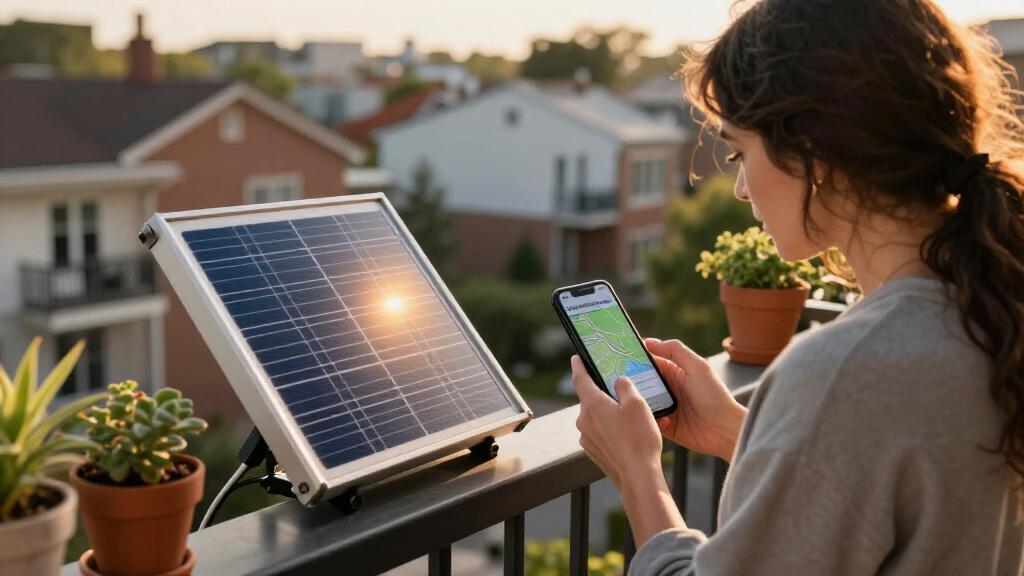
Balcony solar generally refers to small, do-it-yourself solar kits that can connect to a standard electrical outlet. Supporters say the systems could let residents produce some electricity at home without installing a conventional rooftop array. The report describes these kits as a potential way to reduce household energy costs, but it does not provide performance or savings data.
California is the latest confirmed state action identified in the report: Newsom signed a bill on Sept. 30. Canary Media says legislation is being considered in about half of the states. That broad figure indicates widespread policy interest, but the source material does not name the other states, specify how many bills have been introduced, or explain the status of each proposal.
Canary Media says it is tracking legislative activity using information from Bright Saver and bill-tracking databases. The publication describes its state map as an ongoing tracker and asks readers to share updates it may not yet include. A bill being considered is not the same as a law taking effect; the supplied report confirms California’s enactment but does not set out the implementation details.
Households Seek More Control Over Power Costs
The debate concerns whether residents can use a relatively small solar system without the process associated with a standard rooftop installation. For renters and people whose homes are unsuitable for rooftop panels, plug-in equipment may offer another way to generate some electricity. Whether it is practical for a particular household depends on the system, the home and the rules that apply.
Supporters frame the policies as an energy affordability measure amid high power prices. Cora Stryker, co-founder of nonprofit Bright Saver, told Canary Media that legislators are focused on helping constituents meet energy needs. That is an argument for the policy, not evidence in the supplied report that the systems have achieved particular savings or work equally well in every state.
State laws matter because permission to connect equipment, safety requirements and implementation can affect whether residents can use these systems. The report confirms a California law was signed, but does not explain its specific requirements or how it interacts with local rules and utility procedures. Readers should not assume that a law in one state automatically permits the same setup elsewhere.
As an affiliate, we earn on qualifying purchases.
From Policy Proposals to State Rules
Canary Media originally published its report on April 6, 2026, and updated it on Oct. 2, 2026. The update identifies Newsom’s Sept. 30 signing as the latest action. The article’s subject is the developing effort to establish state rules for plug-in solar, rather than a single national policy.
The report says advocates promote the kits as a way to generate electricity using a standard outlet and without subsidies, government incentives or utility permission. Those points are presented as supporters’ description of the systems; the supplied material does not detail the technical, regulatory or safety conditions behind them. It also does not include the bill text, so the exact scope of California’s law cannot be established from this source alone.
Canary Media attributes its tracker information to Bright Saver and legislative bill databases. The source provides a national estimate and identifies California’s action, but not the full map or a list of pending proposals. State-level conclusions beyond those details would require checking the tracker or the relevant legislative records.
As an affiliate, we earn on qualifying purchases.
State-by-State Status Still Needs Checking
The supplied report does not identify which states besides California are considering bills, whether proposals have advanced or stalled, or when any might take effect. It also does not provide the text of California’s law, its start date, system limits, technical requirements or enforcement details. Those points should not be inferred from the signing announcement.
Claims that plug-in kits can lower bills are attributed to supporters. The material contains no independent cost analysis, measured household savings, system-output figures or comparison of outcomes across states. It also does not explain how individual utilities, building conditions or applicable electrical requirements may affect use.
The article’s estimate that about half of states are considering legislation is a broad count, not a state-by-state accounting. The exact number and the definition of “considering” are not specified in the provided text. The status of any individual state proposal may have changed since the Oct. 2 update.
As an affiliate, we earn on qualifying purchases.
Track Bill Text and Implementation Dates
The next developments to watch are the publication of the full California law’s requirements and updates on bills in other states. Legislative records can establish whether proposals are pending, amended, passed or signed; state agencies and utilities may provide additional details about implementation. Canary Media says it will continue monitoring activity and invites readers to send updates to its newsroom.
Residents checking whether balcony solar is permitted where they live should consult current state and local rules rather than relying on the national estimate. The supplied report does not offer instructions for installation or confirm that every plug-in kit meets applicable requirements. The practical answer will depend on the law and guidance in force in each location.
As an affiliate, we earn on qualifying purchases.
Key Questions
Where has balcony solar been legalized, according to the report?
The supplied report confirms that California enacted a law when Gov. Gavin Newsom signed a bill on Sept. 30, 2026. It does not identify other states where balcony solar is already legal.
How many states are considering balcony-solar legislation?
Canary Media says about half of U.S. states are considering legislation. The supplied material does not give a precise count or name those states.
What is balcony solar?
In the report, the term refers to small do-it-yourself solar kits that can connect to a standard electrical outlet. The source does not provide technical specifications for particular products.
Will a plug-in solar kit lower my electricity bill?
Supporters say the systems can save users money, but the supplied report includes no measured savings or cost analysis. Actual results are not established by the material and may depend on the system and household circumstances.
Where can I check the rules in my state?
Check current state legislative records and relevant state or local guidance. The supplied report does not include its full state-by-state map, and a proposal under consideration is not the same as an enacted law.
Source: rss
Fall Picks
fall essentials
As an affiliate, we earn on qualifying purchases.