TL;DR

Get backup power and energy gear delivered free with Prime
- Fast, free delivery on millions of items
- Prime Video, Amazon Music and more included
- Member-only deals all year
Ukraine added an estimated 1.6–1.9 GWh of energy storage in the first half of 2026, according to preliminary assessments by the Solar Energy Association of Ukraine. The association’s indicative full-year outlook is about 3.2 GWh, but says deployment depends on security, financing and grid connections.
Ukraine added an estimated 1.6–1.9 GWh of energy storage in the first half of 2026, according to preliminary assessments by the Solar Energy Association of Ukraine (SEAU). The association’s indicative outlook is for about 3.2 GWh over the full year, a pace that would make storage a significant part of efforts to keep electricity available amid wartime damage and interruptions.
SEAU’s range is a preliminary estimate, rather than a finalized tally. Its full-year figure is an outlook, and the association has tied it to conditions including security, access to financing and grid connections. The source report does not provide a breakdown of the H1 storage additions by project size, technology or market segment.
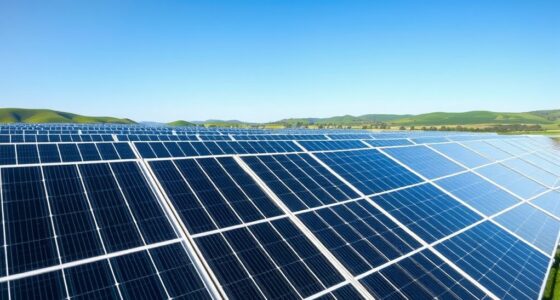
SEAU also estimated that Ukraine added as much as 1.1 GW of solar capacity in the first half of the year. It put total installed solar capacity at 9.4–9.7 GW by mid-2026 and expects about 2 GW of new solar capacity for the year. The association said smaller installations, mainly intended for self-consumption, could account for around 80% of new solar installations in 2026 by number, not by capacity.
SEAU Chairman Vladyslav Sokolovskyi told pv magazine that the 2026 solar and storage outlook remains conditional. He said the estimate for storage includes several market segments, among them portable battery systems commonly used for backup power in Ukraine. That makes the headline capacity figure broader than a count of grid-scale battery projects alone.
Storage for Wartime Power Resilience
The estimated additions matter because batteries can provide backup electricity when supply from the wider power system is interrupted. Sokolovskyi said distributed generation and storage support businesses, households and critical infrastructure during wartime. For businesses, he said, the value can include avoiding losses by keeping essential operations running.
Storage can also let users consume more of the solar power they generate and reduce electricity costs, according to Sokolovskyi. Those benefits depend on where systems are installed, how they are used and whether they can connect to the grid; the source material does not quantify their effect on outage duration, electricity prices or national supply.
SEAU cited estimates from Ukrainian energy experts that the power system needs around 10 GW of new and restored generating capacity across technologies. Sokolovskyi linked generation shortages and network damage to recurring outages and increased reliance on electricity imports from neighboring EU countries. The H1 storage estimate is one indicator of investment, but does not show how much capacity is available during outages or how it is distributed geographically.
A Market Expanding During War
SEAU’s assessment follows reported growth in both solar and battery capacity. The association said Ukraine added approximately 800 MW of solar in 2024 and 1.5 GW in 2025, and expects additions to reach around 2 GW in 2026. These solar figures provide context for the storage outlook, but they are separate measures and should not be combined into a single capacity total.
SEAU’s market data put new battery storage capacity at 2.9 GWh in 2025, which the association described as making Ukraine Europe’s fourth-largest market that year. Sokolovskyi cautioned that this measure covered multiple market segments, including portable batteries. The report does not specify a comparable segment-by-segment breakdown for either 2025 or H1 2026.
The report also points to policy and procurement activity. Ukraine updated solar feed-in tariffs earlier in 2026 and later introduced time windows for eligibility. The state-owned JSC Guaranteed Buyer was due to run two solar auctions later in the week, offering a combined 150 MW. Those auctions concern solar procurement; the report does not say they directly account for the storage estimate.
“Our 2026 outlook for both solar and storage remains conditional on security, access to financing and grid connections.”
— Vladyslav Sokolovskyi, SEAU chairman, speaking to pv magazine
Limits of the H1 Estimate
The 1.6–1.9 GWh figure is preliminary, and SEAU has not published in the source report a final H1 total or a detailed breakdown by type of system, location or use. Since the estimate includes portable batteries as well as other market segments, its relationship to grid-connected storage capacity is not specified.
The full-year outlook of about 3.2 GWh is also conditional. SEAU identified security, financing and grid connections as factors that could affect deployment, while Sokolovskyi said forecasting through the end of 2027 is particularly difficult under current conditions. The report does not establish how much of the anticipated capacity has already been financed, ordered or connected.
Conditions Shaping Year-End Growth
The next benchmark is whether additions continue in the second half of 2026 and approach SEAU’s indicative full-year outlook. The association said infrastructure restoration and protection, support for distributed generation, insurance and guarantees against war-related investment risks, and more predictable grid connections are among the priorities for market development.
SEAU also called for deeper integration with the EU electricity market, more accessible concessional financing and microgrids that combine solar and storage with other energy sources where needed. These are recommendations from the association, not confirmed commitments or completed policy changes. The report provides no date for a final storage tally; the full-year figure will remain an outlook until measured additions are reported.
Key Questions
How much energy storage did Ukraine add in H1 2026?
SEAU’s preliminary estimate is 1.6–1.9 GWh. It is not presented as a finalized total.
What is the forecast for all of 2026?
SEAU’s indicative outlook is about 3.2 GWh of storage additions for the year. The association says that outlook depends on security, financing and grid connections.
Does the estimate cover only large grid batteries?
No such limitation is stated. SEAU chairman Vladyslav Sokolovskyi said the market figure includes multiple segments, including portable battery systems used for backup power. The report does not give a breakdown of the H1 estimate by segment.
How much solar capacity did Ukraine add in the same period?
SEAU estimated that Ukraine added as much as 1.1 GW of solar capacity in H1 2026. It estimated total installed solar capacity at 9.4–9.7 GW by midyear.
Source: rss
Fall Picks
fall essentials
As an affiliate, we earn on qualifying purchases.