
TL;DR
A resident of Malta has filled his apartment with items he has rescued, collected, and cherished. This personal project has gained significant attention, highlighting themes of preservation and personal attachment.
A man living in Malta has transformed his apartment into a personal sanctuary filled with objects he has rescued, collected, and loved, drawing increased attention from local media and social platforms. This development highlights a unique form of personal expression and attachment to objects, resonating with a broader audience interested in preservation and storytelling through possessions.
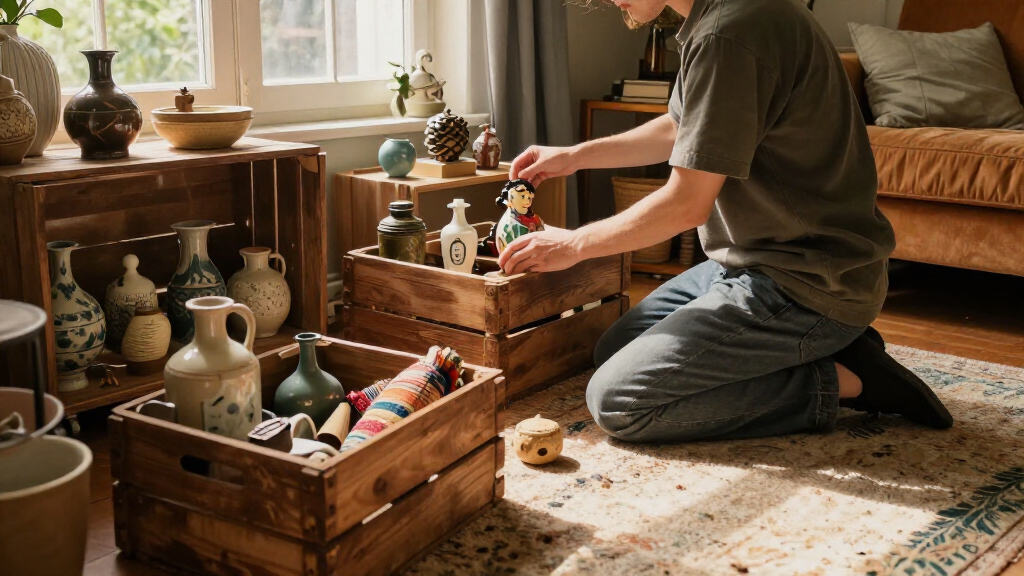
The individual, whose identity has not been publicly disclosed, has dedicated his living space to items that hold personal significance. These include vintage furniture, salvaged artifacts, and personal mementos, all carefully curated and displayed throughout his apartment. The collection reportedly started as a hobby but has since become a defining aspect of his daily life, with neighbors and visitors noting the emotional value attached to each object.
Local media reports indicate that the man has rescued many of his possessions from discarded sites, markets, and even during community clean-up events. He describes his approach as a form of environmental and cultural preservation, aiming to give new life to items that might otherwise be discarded or forgotten. The collection includes both functional objects and sentimental keepsakes, such as photographs, handwritten notes, and small artworks.
While the exact size of his collection remains unconfirmed, sources suggest that his apartment is densely packed, with narrow pathways and carefully arranged displays. The man has expressed that his collection serves as a daily reminder of stories, memories, and the importance of caring for objects that tell personal histories. The local community has shown curiosity and admiration, with some visitors sharing their own stories of rescued items and personal collections.
Cultural and Personal Significance of Rescued Collections
This story underscores the growing interest in personal collections as a form of self-expression and cultural preservation. The man’s dedication highlights how objects can serve as tangible links to memories, history, and identity. Such collections challenge the notion of disposability in modern society, emphasizing instead the value of caring for and maintaining meaningful possessions.
For many, this approach to collecting and rescuing items reflects broader trends in sustainability, anti-consumerism, and emotional well-being. It also raises questions about the boundaries of personal space and the ways individuals create environments that reflect their values and stories. The case in Malta exemplifies how personal attachment to objects can foster community interest and dialogue around preservation and history.
As an affiliate, we earn on qualifying purchases.
Rise of Personal Collections and Rescued Items in Society
Interest in personal collections and rescued objects has been gaining attention globally, often linked to movements promoting sustainability and emotional attachment to possessions. The trend is reflected in social media platforms where individuals share stories of salvaging, restoring, and repurposing items. While this phenomenon is not new, recent spikes in coverage suggest a renewed fascination, possibly driven by broader societal shifts toward environmental consciousness and a desire for meaningful personal narratives.
In Malta, this interest is amplified by local culture’s deep roots in craftsmanship, history, and community storytelling. The individual’s collection aligns with these cultural values, emphasizing preservation over disposal. However, it remains unclear whether this is an isolated case or part of a larger movement within the country or region.
Experts suggest that such personal projects can serve as acts of resistance against mass consumerism, fostering a sense of identity and continuity. The social and emotional benefits of maintaining meaningful collections are also recognized in psychological studies, which link personal attachment to objects with well-being and resilience.
As an affiliate, we earn on qualifying purchases.
Extent of the Collection and Broader Movement
It is not yet clear how large or organized the man’s collection is, or whether this represents a wider movement within Malta or beyond. Details about his motivations beyond personal attachment remain limited, and there is no official confirmation that this is part of a larger cultural phenomenon.
Further investigation is needed to determine whether similar projects are emerging elsewhere and how they are perceived by the community and authorities.
As an affiliate, we earn on qualifying purchases.
Potential Impact and Future Developments
Interest in this case may lead to more media coverage and discussions about personal preservation, sustainability, and cultural identity. Local authorities or cultural organizations might explore ways to support or showcase such personal projects, potentially turning individual collections into community assets or exhibitions.
As the story gains attention, the individual may choose to expand or formalize his collection, or share his story publicly. Researchers and cultural commentators may also analyze this phenomenon as part of broader societal shifts.
As an affiliate, we earn on qualifying purchases.
Key Questions
Why did the man start collecting and rescuing objects?
The exact motivation remains personal, but he has expressed a desire to preserve stories and give new life to items that might otherwise be discarded, reflecting his values around sustainability and cultural memory.
Is this collection open to the public?
No, the collection is in his private apartment. There has been no indication that he plans to display or share it publicly beyond informal visits or social media sharing.
Does this trend have wider societal implications?
It may reflect broader movements toward sustainability, emotional attachment to possessions, and cultural preservation, but whether it indicates a larger societal shift remains to be seen.
Are there any legal or safety concerns with such dense collections?
There are no reported legal issues. However, safety considerations, such as fire hazards or structural integrity, should be addressed if personal collections are extensive and densely packed.
Source: rss