Choosing a solar panel for a power station is more technical than it looks because you need to take into account efficiency, environmental impact, durability, and technology type. Higher efficiency panels generate more power but tend to cost more, and climate conditions affect performance. You also want panels that last long, are eco-friendly, and suited to your space. If you keep exploring, you’ll uncover how to balance these factors for the best investment.

Get backup power and energy gear delivered free with Prime
- Fast, free delivery on millions of items
- Prime Video, Amazon Music and more included
- Member-only deals all year
Key Takeaways
- Evaluate panel efficiency against available space and energy requirements to optimize output and cost-effectiveness.
- Consider environmental impact, manufacturing sustainability, and recyclability for eco-friendly power station choices.
- Assess durability and weather resistance to ensure consistent performance under diverse climate conditions.
- Understand different technology types—monocrystalline, polycrystalline, thin-film—and select based on budget and space constraints.
- Analyze lifespan, warranties, and long-term costs to ensure the investment’s durability and overall value.
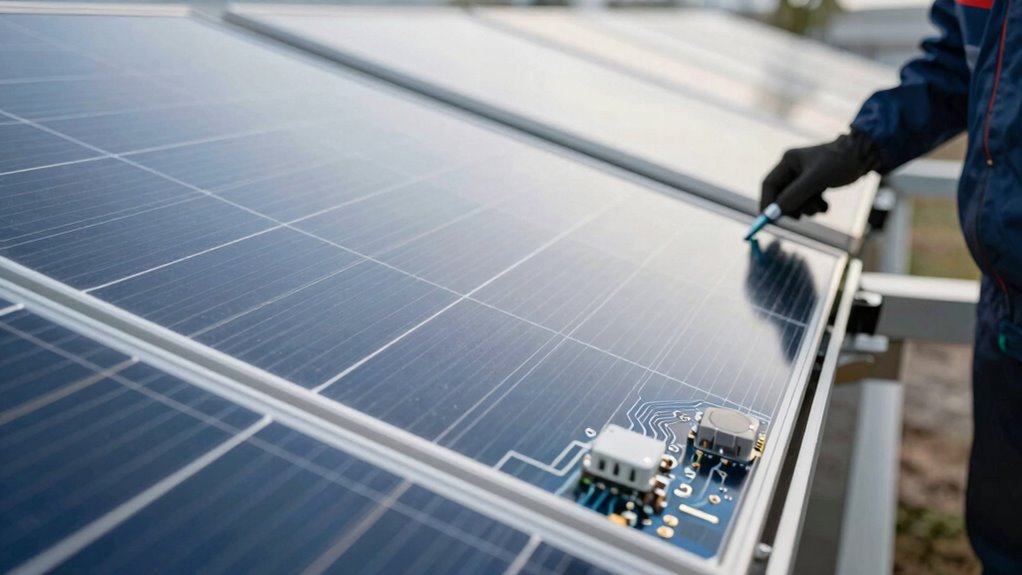
Are you unsure how to pick the right solar panel for your needs? Choosing a solar panel for your power station isn’t as straightforward as it might seem. It involves understanding key factors like solar panel efficiency and environmental impact to make an informed decision. Solar panel efficiency measures how well a panel converts sunlight into electricity. The higher the efficiency, the more power you’ll generate from a limited space, which is especially important if you have spatial constraints or want to maximize energy output. However, higher efficiency panels often come with a higher price tag, so you need to weigh the cost against your specific energy demands. You also want to take into account the environmental impact of the panels you select. Some solar panels use materials or manufacturing processes that are more eco-friendly, reducing your overall carbon footprint. Choosing environmentally conscious options can support your commitment to sustainability, but it’s vital to research the manufacturing practices and recyclability of the panels you’re considering. Additionally, understanding the solar panel technology can help you select the most suitable option for your setup. Beyond efficiency and environmental impact, you should think about durability and how well the panels will perform under different weather conditions. Power stations often operate in various climates, so selecting panels with proven resilience to snow, hail, or high temperatures ensures longevity and consistent performance. Additionally, the angle and placement of your panels are critical to optimizing energy production. Panels that are highly efficient but poorly positioned won’t deliver the expected output, wasting your investment. Another technical aspect to keep in mind is the type of solar panel technology available, such as monocrystalline, polycrystalline, or thin-film. Monocrystalline panels typically offer higher efficiency and better performance in low-light conditions, but they tend to be more expensive. Polycrystalline panels are usually more affordable but slightly less efficient. Thin-film panels are lightweight and flexible, making them suitable for unconventional setups, but they often have lower efficiency levels. Your choice depends on your budget, space, and environmental priorities. It’s also important to consider the manufacturing process, as some methods produce panels with a lower environmental impact than others. A thorough understanding of manufacturing methods can help you select panels that align with your sustainability goals. Moreover, researching the lifespan of different panels can give you insight into their long-term performance and value. Finally, it’s worth considering the long-term costs and warranties associated with your panels. Higher-quality panels with longer warranties may cost more initially but can save you money over time through increased durability and reduced maintenance needs. By carefully weighing these factors—efficiency, environmental impact, durability, technology, and costs—you’ll be better equipped to choose a solar panel that aligns with your energy goals and environmental values. Remember, the right panel isn’t just about immediate output; it’s about sustainable, reliable performance over many years.
high efficiency monocrystalline solar panels
As an affiliate, we earn on qualifying purchases.
As an affiliate, we earn on qualifying purchases.
Frequently Asked Questions
How Does Temperature Affect Solar Panel Efficiency?
Temperature affects your solar panel efficiency because higher temperatures reduce its power output. Panel cooling helps mitigate this, but it’s essential to take into account temperature coefficients—these indicate how much your panel’s efficiency drops with rising temperatures. When temperatures climb, your panels perform less effectively, so selecting panels with favorable temperature coefficients and implementing cooling methods can help maintain ideal energy production.
What Is the Lifespan of Different Solar Panel Types?
Think of solar panels like wise old trees, each with a different lifespan. Monocrystalline panels last around 25-30 years, showing slow panel degradation due to their durable silicon material. Polycrystalline panels typically endure 20-25 years, while thin-film panels have a shorter life of about 10-15 years because of less material durability. Proper maintenance can extend these lifespans, helping your solar investment stand strong over time.
How Do Shading and Dirt Impact Performance?
Shading impact and dust accumulation considerably reduce your solar panel’s performance. When shading occurs, even partially, it limits sunlight absorption, decreasing energy output. Dust build-up on panels blocks sunlight, further diminishing efficiency. To maintain ideal performance, regularly clean your panels and minimize shading sources like trees or nearby structures. Ensuring clear, clean panels allows maximum sunlight absorption, boosting energy production and extending your system’s overall lifespan.
Are There Specific Certifications to Look For?
You should look for certification standards like UL, IEC, or IEEE, which guarantee safety and performance. Quality labels such as TUV or ENERGY STAR also indicate reliable, efficient panels. While shiny labels catch your eye, don’t forget that real performance depends on verified standards. Certification assures your solar panel meets rigorous tests, giving you peace of mind, much like a trusted brand in everyday life.
How Does Warranty Coverage Vary Among Panels?
Warranty coverage varies among panels, with terms ranging from 10 to 25 years. You should consider the manufacturer’s reputation because it influences warranty reliability and customer support. Some brands offer extensive warranties covering both product defects and performance, while others might limit coverage. Always read the warranty terms carefully to understand what’s included, and choose panels from reputable manufacturers to guarantee you get dependable coverage over time.
eco-friendly polycrystalline solar panels
As an affiliate, we earn on qualifying purchases.
As an affiliate, we earn on qualifying purchases.
Conclusion
So, choosing the right solar panel isn’t just a simple pick — it’s like selecting the crown jewel for your power kingdom! Get it wrong, and your entire energy empire might crumble into a useless pile of glass and wires. But nail it, and you’ll be wielding the solar power equivalent of a superhero’s superpower, lighting up your world with unstoppable, limitless energy. Trust me, this decision could turn you into the ultimate solar legend!
flexible thin-film solar panels for portable power stations
As an affiliate, we earn on qualifying purchases.
As an affiliate, we earn on qualifying purchases.
solar panel with long warranty for power station
As an affiliate, we earn on qualifying purchases.
As an affiliate, we earn on qualifying purchases.
Halloween Picks
halloween
As an affiliate, we earn on qualifying purchases.