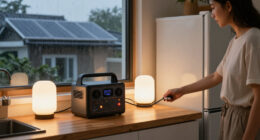
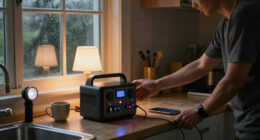
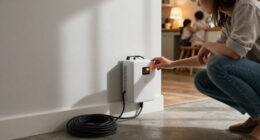
To choose a battery box for your DIY solar storage, focus on safety, durability, and environmental resistance. Make certain it has proper ventilation, secure terminals, and sturdy materials like weather-resistant plastics or coated metals. It should fit your batteries comfortably with easy access and safety features like latches. Consider your installation environment—outdoor or indoor—to select the right material. Paying attention to these factors helps protect your system and investment—keep exploring to learn more about making the best choice.

Get backup power and energy gear delivered free with Prime
- Fast, free delivery on millions of items
- Prime Video, Amazon Music and more included
- Member-only deals all year
Key Takeaways
- Ensure the battery box is made from weather-resistant, durable materials suitable for your installation environment.
- Check for proper ventilation and secure, insulated terminals to prevent leaks, short circuits, and gas buildup.
- Choose a size that comfortably fits your batteries, allowing space for wiring, ventilation, and maintenance access.
- Prioritize safety features like secure latches, impact resistance, and protection against moisture, dust, and environmental factors.
- Select a high-quality, well-designed box that enhances system safety, longevity, and performance for your DIY solar storage.

Are you planning a DIY solar storage system and wondering how to pick the right battery box? Choosing the correct battery box is a crucial step in ensuring your setup is safe, efficient, and long-lasting. The right box protects your batteries from external damage, prevents electrical hazards, and keeps your system running smoothly. When selecting a battery box, you need to pay close attention to battery safety. This means ensuring the box is designed to contain potential leaks, prevent short circuits, and withstand heat or sparks that may occur during operation. A well-designed battery box features proper ventilation to minimize the risk of gas buildup, which is especially important if you’re working with lead-acid batteries. You should also consider whether the box has secure, insulated terminals to prevent accidental contact or sparks. Safety isn’t just about the box’s design; it’s about how well it shields you and your system from potential hazards. Additionally, choosing a box made from material durability ensures it can endure environmental conditions and protect your batteries over time. Proper material selection also plays a vital role in resisting corrosion and other environmental factors that could compromise the box’s integrity. Considering the material’s resistance to environmental factors can help prevent issues like rust or UV degradation that might otherwise shorten the lifespan of your battery enclosure.
Material durability is another critical factor. The battery box needs to withstand the environmental conditions where you’ll install it. If you plan to set it up outdoors, look for a box made from weather-resistant materials like high-density polyethylene or metal with a protective coating. These materials resist corrosion, UV rays, and moisture, ensuring your battery storage remains intact over time. For indoor setups, durability still matters—your box should resist impacts, vibrations, and temperature fluctuations. Metal boxes with insulated linings often provide superior durability but must be properly vented to prevent gas buildup. Plastic options, especially those made from tough, UV-stabilized polymers, can also be durable and lightweight, making installation easier and safer. Considering the material selection can also help in customizing your setup according to specific environmental conditions you expect to encounter. Properly selecting the right material not only extends the lifespan of your battery box but also enhances safety by reducing the risk of material failure.
Beyond safety and durability, consider the size and capacity of the box. It should comfortably fit your batteries with some room for ventilation and wiring. A cramped space can lead to overheating or difficulty in maintenance. Also, look for features like secure latches, easy access panels, and compatibility with your battery type. Proper insulation and sealing help protect against dust, dirt, and moisture, which can compromise both safety and longevity. When all these factors come together, you’ll be able to choose a battery box that not only safeguards your investment but also enhances the overall safety and performance of your solar storage system. In the end, investing in a quality, well-designed battery box is a smart step toward a safe and reliable DIY solar project.
Products Worth Considering

Bose SoundLink Plus Portable Bluetooth Speaker, Wireless Outdoor Speaker, Up to 20 Hours Battery Life, Waterproof and Dustproof, Black

Bose SoundLink Flex Bluetooth Speaker (2nd Gen), Waterproof, Dustproof, USB‑C, Up to 12 hr Battery, Black

Philips Hue Secure Starter Kit with Contact Sensors, Motion Sensor, Bridge, and Color Smart Bulbs
As an affiliate, we earn on qualifying purchases.
Frequently Asked Questions
Can I Upgrade My Battery Box Later?
Yes, you can upgrade your battery box later, but consider the battery capacity and power management features. When upgrading, make sure the new box supports larger batteries and integrates seamlessly with your existing system. Check if it offers proper ventilation, safety features, and compatibility with your current setup. Upgrading allows you to increase storage and efficiency, but always verify that the new box aligns with your power needs and management system.
How Do I Connect Multiple Battery Boxes?
Did you know that properly connecting multiple battery boxes can increase your system’s capacity by over 50%? To connect them, you’ll typically use series or parallel connection methods, depending on your needed voltage and capacity. Series connections boost voltage, while parallel connections increase capacity. Make certain all batteries are compatible and use proper cabling and fuses for safety. Follow manufacturer instructions carefully to maintain ideal battery capacity and system performance.
What Safety Features Should I Look For?
When selecting a battery box, prioritize safety features like proper venting and insulation to prevent heat buildup. Look for battery safety features such as overcharge and short-circuit protection, which help avoid accidents. Fire prevention is vital; choose boxes with fire-resistant materials and secure lids to contain potential sparks or leaks. These features guarantee your setup remains safe, reliable, and minimizes risks during operation.
Are There Weatherproof Options Available?
Yes, weatherproof options are available for battery boxes, and they’re designed with weatherproof materials that withstand outdoor elements. These boxes offer outdoor durability, protecting your batteries from rain, snow, and UV exposure. By choosing a weatherproof battery box, you guarantee your solar storage remains safe and functional regardless of the weather. Always check for IP ratings or outdoor-specific features to confirm they’re built for outdoor use and tough conditions.
How Long Do Battery Boxes Typically Last?
Battery boxes typically last between 5 to 15 years, depending on usage and maintenance. To prolong their lifespan, you should regularly check for corrosion, keep them clean, and guarantee proper ventilation. Proper maintenance tips include avoiding overcharging, keeping the batteries at ideal temperature, and inspecting connections. Investing in a weatherproof battery box can also protect your batteries from environmental damage, helping you maximize their longevity and performance.
Conclusion
Choosing the right battery box is like picking a sturdy home for your solar energy treasure. I once saw a DIYer’s setup fail because the box couldn’t handle the heat, reminding me how essential proper protection is. Just as a strong foundation keeps a house safe, a well-chosen battery box ensures your solar storage stays secure and efficient. Invest time now, and you’ll enjoy reliable energy, just like a well-built home that stands the test of time.