
TL;DR

Get backup power and energy gear delivered free with Prime
- Fast, free delivery on millions of items
- Prime Video, Amazon Music and more included
- Member-only deals all year
A GreenBuildingAdvisor report traced an unusually high two-year run of energy use by a heat-pump water heater to a combination of increased hot-water demand and dirty equipment. The homeowner could not measure each factor’s contribution separately, and says a warmer basement after renovations may have limited winter use.
A homeowner’s heat-pump water heater used substantially more energy in 2024 and 2025 as a family member who preferred baths moved in and remodeling dust accumulated on the unit’s filter and coil, according to a GreenBuildingAdvisor report. The monthly data showed energy use returning toward its earlier pattern after the family member moved out in July 2025 and the equipment was cleaned, but the homeowner said the effects of higher hot-water demand and dirty components could not be separated precisely.
Author Allison A. Bailes III said his records showed the water heater’s annual electricity use in 2024 was 89% higher than in 2020, with another abnormally high year in 2025. The report does not give a total number of kilowatt-hours for those annual comparisons. Bailes said the household had tracked electricity bills since moving into the home in 2019 and also monitored the water heater separately.
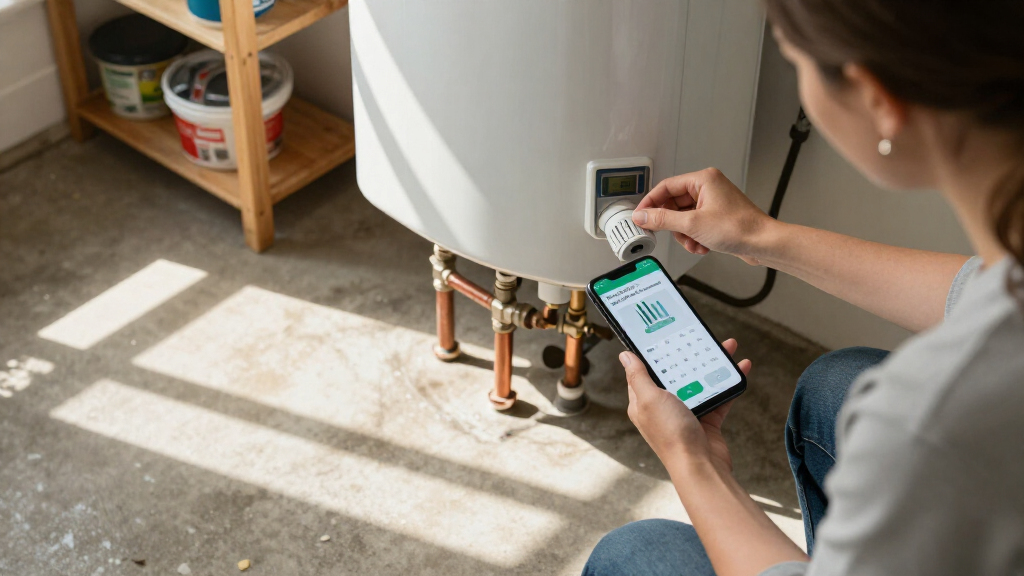
The timing initially pointed toward a basement remodel that began in February 2024. Dust from the work could have reached the heat-pump water heater, which draws heat from surrounding air; Bailes found a heavily soiled filter and said the coil and other components could also become dirty. He cleaned the coil in April 2025, and the monthly graph showed a sharp drop in use in July. That sequence suggested maintenance may have helped, but it did not establish that cleaning alone caused the decline.
A closer look at the timeline changed the explanation. Energy use began rising steeply near the end of 2023, before renovation started. Bailes said his stepson, who preferred baths to showers, moved in in August 2023 and left at the end of July 2025. The increase began after the move-in and fell back toward normal after the move-out, making added hot-water use another likely contributor. The available records did not include monthly hot-water volume, so the report could not quantify how much each factor added.
Why Hot-Water Use and Maintenance Matter
The report illustrates why a higher energy bill does not always point to a single equipment fault. A heat-pump water heater’s consumption can change with both how much hot water a household uses and the condition of the unit’s air filter and heat-transfer coil. If a household looks only at annual totals, these influences can overlap and make it difficult to identify what changed.
For homeowners, the distinction matters when deciding whether to adjust habits, clean equipment or call for service. A filter clogged with construction dust can impede operation, while more baths, showers or other hot-water use can increase the workload even when the appliance is functioning normally. The report’s figures describe one home and do not establish a typical increase for other households or units.
Bailes also noted that the basement became conditioned space during the renovation. Before the winter of 2024-25, it was unheated; afterward, warmer surrounding air may have helped the heat-pump water heater operate more efficiently. He said that change may have reduced winter energy use, even as dust made the equipment less efficient. That means the recorded totals reflected several factors acting at once, not a controlled test of one cause.
Products Worth Considering

Levoit Vital 100S-P Air Purifier with Washable Pre-Filter

Coway Mighty AP-1512HH(W) Air Purifier, White

Ring Alarm 8-Piece Kit (2nd Gen) Home Security System
As an affiliate, we earn on qualifying purchases.
How the Household Timeline Changed the Explanation
Bailes’ report compares monthly energy use from 2020 onward. In the earlier pattern, consumption was generally higher in winter—about 60 kilowatt-hours per month—and lower in summer, at roughly 20 to 30 kWh per month. He described a gradual rise between 2020 and 2023, followed by higher use in 2024 and 2025. These monthly figures are his household’s observations, not a benchmark for all heat-pump water heaters.
The first apparent clue was a steep reduction in the monthly graph in July 2025, a few months after Bailes cleaned the coil. But the rise had started before the basement work, and the household’s hot-water demand changed when his stepson moved in. After the stepson left at the end of July 2025, use moved back toward normal. The report also notes that the 2026 annual figure included an estimate for the final four months of that year, so it was not a complete observed annual total.
Heat-pump water heaters draw heat from the air around them, unlike conventional electric-resistance or gas storage heaters in the particular way emphasized by the report. That makes the surrounding air and the cleanliness of the air path relevant to performance. Bailes recommended covering and turning off the unit during dusty remodeling work, checking and cleaning its filter, and cleaning the coil and other components when needed.
“The jolt in energy use those two years actually was caused by both things.”
— Allison A. Bailes III, GreenBuildingAdvisor contributor
What the Energy Records Cannot Separate
The report does not quantify how much energy was added by the stepson’s baths, the dirty filter, the coil or other components. It also does not provide monthly hot-water volumes, controlled comparisons, or a complete breakdown of the water heater’s energy use by operating mode. The timing of cleaning and the later drop in consumption support a possible maintenance effect, but do not prove its size or show that cleaning was the only cause.
Other conditions may also have influenced the data, including seasonal temperatures and the change from an unheated to a conditioned basement. Bailes said the warmer basement likely reduced winter peaks, but the report does not estimate that effect. The 2026 figure is partly an estimate, so it cannot be treated as a final annual comparison.
Checks Homeowners Can Make Next
Homeowners investigating a rise can compare monthly energy readings with changes in household size, bathing habits, renovation activity and seasonal conditions. For a heat-pump water heater, the report recommends inspecting the filter regularly and cleaning it when needed, as well as checking the coil and other components for dust. Follow the manufacturer’s instructions; if cleaning requires opening electrical or sealed components, or the cause remains unclear, consult a qualified technician rather than attempting repairs beyond routine maintenance.
During dusty work, Bailes recommends turning off and covering the water heater to limit contamination, while following the appliance maker’s guidance for safe shutdown and restart. The next useful evidence would be continued monthly energy tracking alongside hot-water-use data. That would help distinguish whether a future increase follows higher demand, reduced equipment performance or a change in the space around the unit.
Key Questions
What caused the water heater’s energy use to rise?
The report points to two likely contributors: more hot-water use after a family member moved in and dust buildup on the heat-pump water heater’s filter and coil during basement renovation. The author could not measure each factor’s contribution separately.
Did cleaning the coil bring energy use back down?
The author cleaned the coil in April 2025, and the monthly data showed a sharp drop in July. That timing is consistent with cleaning helping, but it does not prove cleaning alone caused the drop; the family member also moved out at the end of July.
How much did energy use increase?
The report says annual use in 2024 was 89% higher than in 2020. It does not provide the total annual kilowatt-hours for that comparison. Earlier monthly use was about 60 kWh in winter and 20 to 30 kWh in summer.
Can a basement temperature affect a heat-pump water heater?
It can affect the air available to the unit, which draws heat from its surroundings. Bailes said moving the water heater into a heated, conditioned basement may have improved efficiency and reduced winter energy use, though he did not quantify the effect.
What maintenance does the report recommend?
Check and clean the filter regularly, clean the coil and other components when dirty, and cover and turn off the unit during dusty remodeling work according to the manufacturer’s instructions. Seek qualified service if the problem persists or work goes beyond routine cleaning.
Source: greenbuildingadvisor.com