
TL;DR
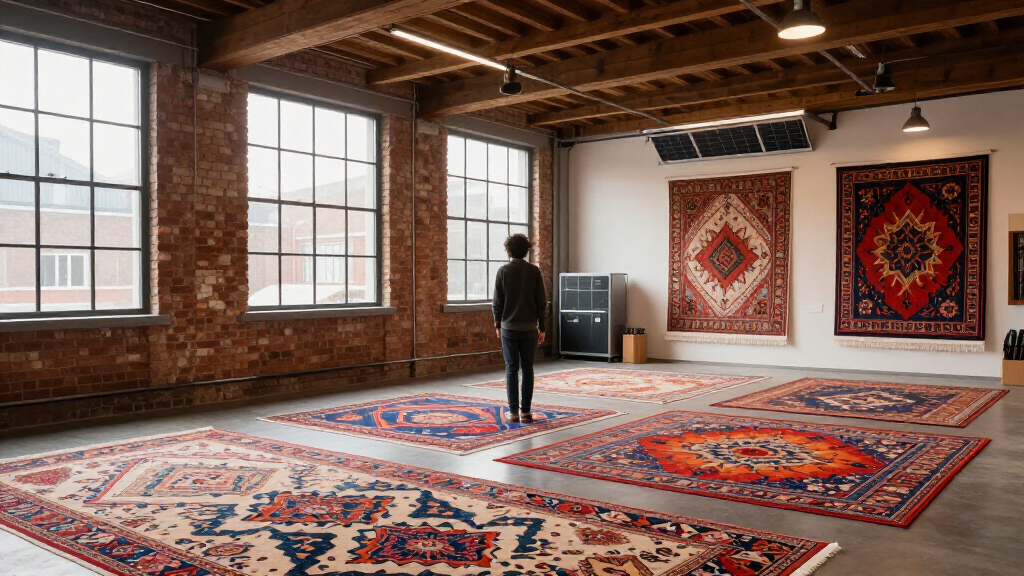
A former textile warehouse in Mumbai has been transformed into a Jaipur Rugs showroom showcasing fractal-inspired designs. The project highlights innovative use of industrial space and modern artistic expression.
A historic textile warehouse in Mumbai has been converted into a Jaipur Rugs showroom featuring fractal-inspired designs. The transformation aims to blend the city’s industrial heritage with contemporary artistic expression, drawing attention from design enthusiasts and industry insiders.

Get backup power and energy gear delivered free with Prime
- Fast, free delivery on millions of items
- Prime Video, Amazon Music and more included
- Member-only deals all year
Why This Transformation Represents Innovation in Heritage Spaces
This project demonstrates how industrial heritage sites can be revitalized through contemporary design, attracting new audiences and promoting sustainable reuse of old structures. It also positions Jaipur Rugs as a leader in integrating art, design, and tradition, potentially influencing future showroom concepts in India and beyond. For Mumbai, it underscores the city’s evolving identity as a hub for creative industries that honor history while embracing innovation.Products Worth Considering

Dyson Cyclone V10 Origin Cordless Vacuum

Roborock Q7 M5+ Robot Vacuum and Mop with Self-Emptying Dock

eufy C28 Robot Vacuum and Mop with 15,000 Pa Suction
As an affiliate, we earn on qualifying purchases.
Mumbai’s Industrial Legacy and Design Revival Trends
Mumbai has a long history of textile manufacturing, with many warehouses and mills dating back to the colonial era. Over recent decades, many of these structures fell into disuse or were demolished, prompting a movement toward adaptive reuse. The trend of transforming old industrial spaces into art galleries, showrooms, and creative hubs has gained momentum, supported by government initiatives and private investments. Jaipur Rugs, a renowned Indian rug manufacturer known for its innovative designs, has previously collaborated on projects blending tradition with modern aesthetics. This latest development continues that trajectory, aligning with Mumbai’s broader efforts to foster creative industries and preserve its industrial heritage.Unconfirmed Details About Project Funding and Future Plans
It is not yet clear who funded the renovation or whether there are plans for additional similar projects in other cities. Details about the long-term operational plans for the showroom and its integration into Mumbai’s broader creative ecosystem remain under discussion.Upcoming Events and Expansion Possibilities for the Showroom
The showroom is set to host design exhibitions and cultural events in the coming months to attract visitors and industry professionals. Jaipur Rugs has hinted at potential expansion of similar projects in other heritage sites across India, though specific locations and timelines have not been confirmed. Monitoring local development plans and industry announcements will provide further updates.Key Questions
What is the significance of the fractal designs in the showroom?
The fractal patterns reflect mathematical beauty and complexity, symbolizing innovation and modern artistic expression within traditional craft forms.
Is the building protected as a heritage site?
The warehouse retains much of its original structure, but it has not been officially designated as a heritage site. Its renovation focused on adaptive reuse for commercial and cultural purposes.
Will the showroom feature only rugs or other products as well?
While the primary focus is on Jaipur Rugs’ collection, the showroom may include other home decor items in future exhibitions, emphasizing design versatility.
Are there plans to replicate this project in other cities?
Jaipur Rugs and local authorities have expressed interest in similar initiatives, but specific plans or timelines have not yet been announced.
Source: local