
TL;DR
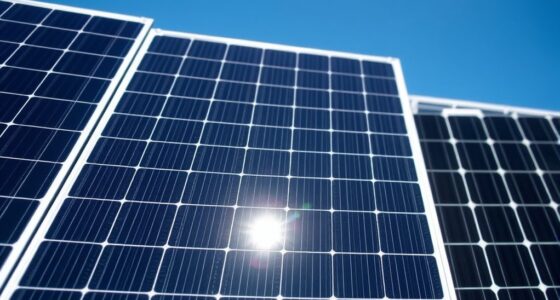
Trinasolar has achieved a new world record for tandem perovskite-silicon solar module efficiency at 29.2%. This development indicates significant progress in solar technology, with potential cost and performance benefits. The achievement is verified by TÜV SÜD and signals ongoing commercial development.
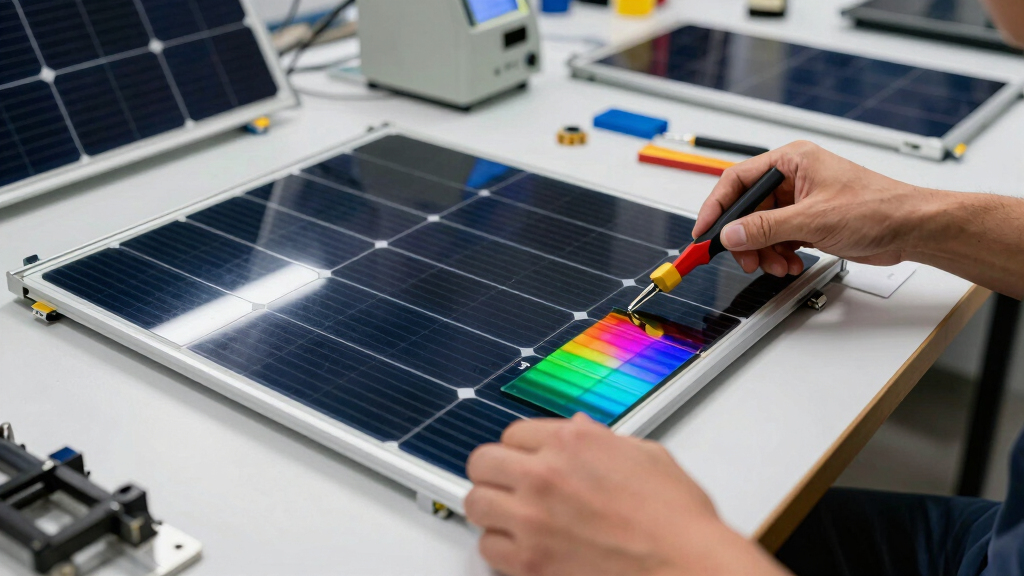
Chinese solar manufacturer Trinasolar has set a new world record for tandem perovskite-silicon solar module efficiency at 29.2%, verified by TÜV SÜD, marking a significant advance in solar technology.
The record-breaking module, with a power output of 907 watts, was announced by Trinasolar on June 9, 2024. The module is designed for industrial applications, indicating progress toward commercial availability.
This achievement follows a series of industry records and reflects the increasing integration of perovskite materials with silicon solar cells, which can enhance performance while reducing costs. The module’s efficiency surpasses previous benchmarks, demonstrating the rapid development of tandem perovskite-silicon technology.
While the module’s size and certification suggest readiness for market deployment, it remains uncertain when fully commercial products will be available, and whether manufacturing can scale to meet global demand.
Potential Impact of Record Efficiency on Solar Industry
The new efficiency record underscores the potential for perovskite-silicon tandem solar cells to revolutionize solar power by delivering higher output at lower costs. This could accelerate adoption of solar energy, reduce land and infrastructure expenses, and improve the competitiveness of solar compared to fossil fuels.
Furthermore, the development signals ongoing innovation despite political and policy uncertainties, especially in the U.S., where federal support for next-generation solar technologies faces challenges. The progress made by Trinasolar and other companies demonstrates the resilience of the industry and its importance for global clean energy transition.

AlphaGlass 5V 270mW Mini Perovskite Solar Panel, Indoor & Outdoor Ambient Light Energy Harvesting Module for DIY Electronics, IoT Devices, Sensors, and Wearables
Works Indoors & Outdoors – Generates power from ambient indoor lighting, window light, and sunlight
As an affiliate, we earn on qualifying purchases.
As an affiliate, we earn on qualifying purchases.
Advances in Solar Cell Efficiency and Industry Trends
Over the past year, multiple solar efficiency records have been set, including a 34.2% efficiency for triple III-V germanium modules by Fraunhofer and a 29.2% efficiency for tandem perovskite-silicon modules by Trinasolar. The latter reflects a broader industry trend toward integrating perovskite materials, which are inexpensive and highly efficient, into existing silicon-based solar cells.
Despite shifting U.S. energy policies and funding uncertainties, research in both government and private sectors continues to push the boundaries of solar technology. Notably, U.S. companies like Tandem PV are developing similar perovskite-enhanced modules, indicating sustained innovation in the field.
“The verification of 29.2% efficiency confirms the robustness of Trinasolar’s module and its readiness for industrial application.”
— TÜV SÜD certification representative
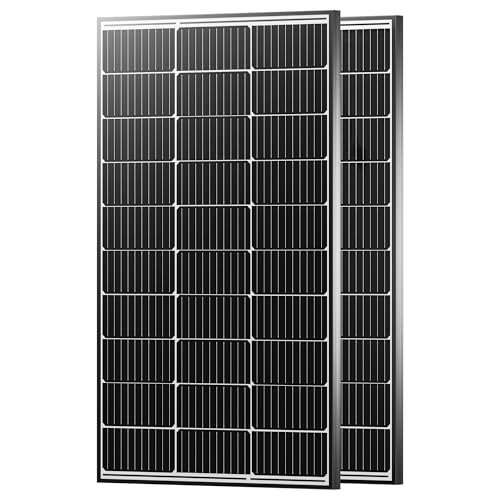
JJN 200 Watt Solar Panels, 12V 100W Solar Panel 2PCS,10BB Monocrystalline 23% High Efficiency PV Module Power Charger for RV, Home, Farm, Boat, Caravan and Off-Grid Applications
[23% High Efficiency]This package contains the solar panel only. JJN 200 watt solar panels utilize high-efficiency Grade A+…
As an affiliate, we earn on qualifying purchases.
As an affiliate, we earn on qualifying purchases.
Remaining Questions About Commercial Deployment
It is not yet clear when Trinasolar’s record-breaking module will be available for mass production and widespread commercial use. Details on manufacturing scalability, long-term durability, and cost reductions are still emerging.
Additionally, the exact timeline for regulatory approvals and market entry remains uncertain, especially given geopolitical and supply chain considerations.

860 watt Bifacial Solar Panels,UL61730 Certified 2PCS 430W 24V/48V High Efficiency Solar Panel with A+ Grade Solar Cells for Residential Farm Garden Off Grid Home
1. UL61730 Certified & 30-Year Long Lifespan ETL certified to meet North American safety standards, ensuring compliance with…
As an affiliate, we earn on qualifying purchases.
As an affiliate, we earn on qualifying purchases.
Next Steps for Commercialization and Industry Adoption
Trinasolar and other industry players are expected to move toward scaling manufacturing processes and conducting longer-term durability testing. Market introduction could occur within the next 12-18 months, depending on certification and supply chain readiness.
Further research and development will likely focus on improving stability, reducing costs, and integrating these modules into larger solar projects, potentially transforming the solar energy landscape in the near future.
860 watt Bifacial Solar Panels,UL61730 Certified 2PCS 430W 24V/48V High Efficiency Solar Panel with A+ Grade Solar Cells for Residential Farm Garden Off Grid Home
1. UL61730 Certified & 30-Year Long Lifespan ETL certified to meet North American safety standards, ensuring compliance with…
As an affiliate, we earn on qualifying purchases.
As an affiliate, we earn on qualifying purchases.
Key Questions
What makes tandem perovskite-silicon solar modules more efficient?
Perovskite materials can be combined with silicon to boost light absorption and conversion efficiency, allowing more electricity to be generated from the same amount of sunlight.
When might these record-breaking modules become commercially available?
While the technology is promising, commercial availability depends on scaling manufacturing, certification, and durability testing, which could take 12-18 months or longer.
How could this development affect the cost of solar energy?
Higher efficiency modules can reduce overall system costs by requiring less land, fewer materials, and lower installation expenses, potentially making solar more affordable globally.
Does this record mean that all solar panels will soon be more efficient?
Not necessarily. This record pertains to specific laboratory modules; commercial products may take time to reach similar performance levels, and other factors like durability and cost will influence market adoption.
Source: CleanTechnica