TL;DR

Get backup power and energy gear delivered free with Prime
- Fast, free delivery on millions of items
- Prime Video, Amazon Music and more included
- Member-only deals all year
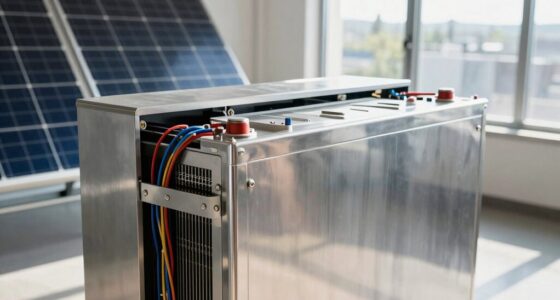
India’s Solar Energy Corp. of India (SECI) has issued tenders for developing 1.2 GW of renewable energy projects integrated with energy storage systems. The projects will supply reliable, peak-time power under 25-year PPAs, marking a significant step toward dispatchable renewables.
India’s Solar Energy Corp. of India (SECI) has officially invited bids for 1.2 GW of renewable energy projects coupled with energy storage systems, aiming to deliver dispatchable power during peak demand periods. This initiative is part of India’s broader effort to enhance grid stability and increase renewable capacity, with successful bidders signing 25-year power purchase agreements (PPAs).
The tenders target projects that will generate 1.2 GW of renewable energy, integrated with energy storage systems capable of providing 4,800 MWh of assured peak power daily. The projects will be developed on a build-own-operate (BOO) basis, with developers responsible for establishing generation, storage, and transmission infrastructure up to the delivery point. Land acquisition and grid connectivity are within the developer’s scope.
Developers must submit bids for capacities ranging from 50 MW to 600 MW, with the total capacity awarded to any single bidder capped at 600 MW. The projects can be located anywhere in India, but renewable assets and storage systems must be co-located within each project site. The government aims to secure reliable power supply during high-demand periods, reducing reliance on fossil fuels and enhancing grid resilience.
Implications for India’s Renewable Energy Goals
This development marks a significant step toward India’s goal of reaching 500 GW of non-fossil fuel capacity by 2030. By integrating storage with renewable generation, the projects will provide dispatchable power, addressing intermittency issues and supporting grid stability. The initiative could also attract more private investment into renewable and storage technologies, accelerating India’s energy transition and reducing carbon emissions.
As an affiliate, we earn on qualifying purchases.
India’s Renewable Capacity Expansion and Storage Push
India has rapidly expanded its renewable capacity, reaching over 150 GW as of 2025. The government has emphasized the importance of integrating storage solutions to make renewable power more reliable and dispatchable. Previous tenders have focused on solar and wind projects, but this latest initiative explicitly combines generation with storage to ensure power availability during peak hours. The move aligns with global trends toward grid modernization and flexible renewable resources.
“This tender signifies India’s commitment to integrating storage with renewables, which is critical for achieving a stable, reliable grid amid increasing renewable penetration.”
— an anonymous researcher
As an affiliate, we earn on qualifying purchases.
Details on Project Implementation and Timeline
While the tender details are clear regarding capacity, location flexibility, and contractual terms, it is not yet confirmed when the bidding process will conclude or when projects are expected to be operational. Specific timelines for land acquisition, grid connection, and project commissioning are still to be announced. Additionally, the exact criteria for bid evaluation and selection remain unspecified.
As an affiliate, we earn on qualifying purchases.
Next Steps in Bid Submission and Project Development
Developers will prepare and submit their bids in accordance with the tender guidelines, with the deadline likely set within the next few months. SECI will evaluate submissions and announce successful bidders, after which project development, including land procurement and infrastructure setup, will commence. The timeline for project completion and commissioning is expected to be outlined in subsequent official communications.
renewable energy storage solutions
As an affiliate, we earn on qualifying purchases.
As an affiliate, we earn on qualifying purchases.
Key Questions
What is the purpose of this tender?
The tender aims to develop 1.2 GW of renewable energy projects with integrated storage to provide dispatchable power during peak demand periods across India.
Who can participate in the bidding process?
Any qualified renewable energy developer capable of building and operating projects within the specified capacity range can submit bids, subject to meeting project and financial criteria outlined by SECI.
What are the benefits of integrating storage with renewable projects?
Storage allows renewable projects to supply power during periods of low sunlight or wind, increasing reliability, reducing grid stress, and enabling better integration of renewable energy into the national grid.
When are the projects expected to be operational?
The exact timeline has not been announced; it will depend on the bidding process, project approvals, and construction timelines, which are typically several years from bid award.
How does this initiative align with India’s climate commitments?
It supports India’s goal of expanding renewable capacity and reducing dependence on fossil fuels, contributing to its climate targets and global climate commitments.
Source: PV Magazine
Fall Picks
fall essentials
As an affiliate, we earn on qualifying purchases.