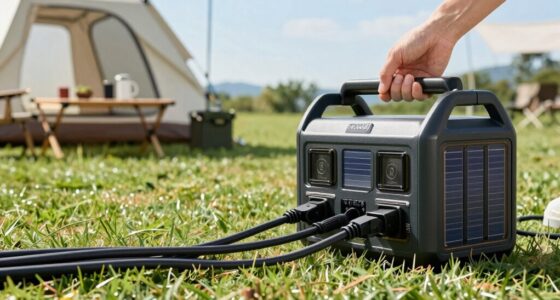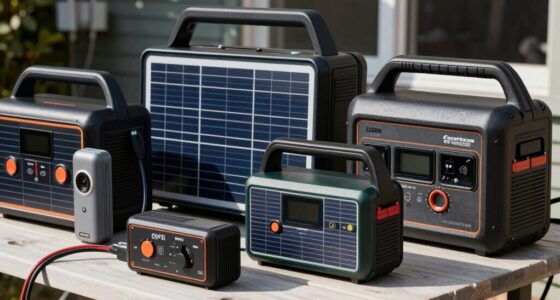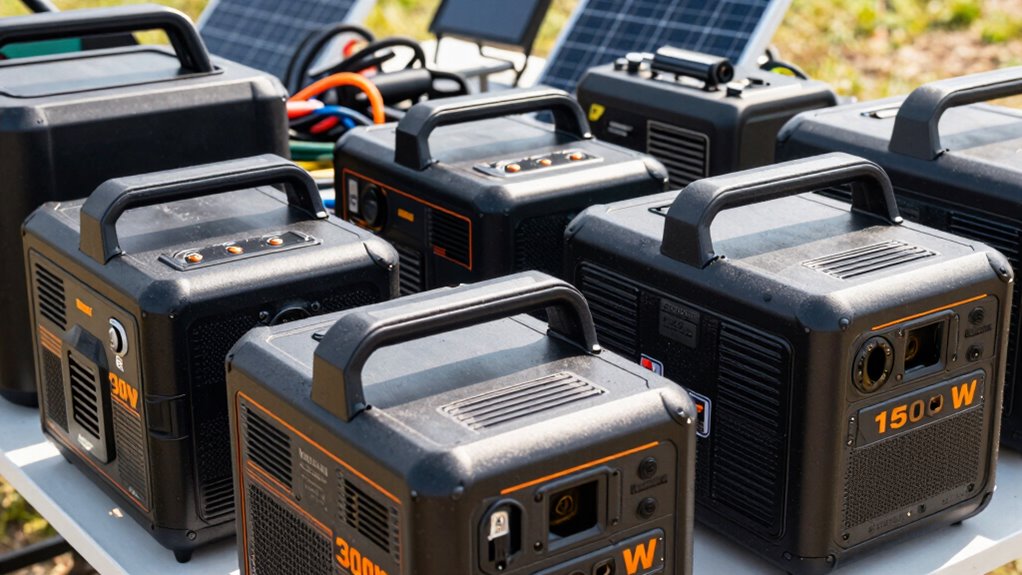

Many buyers think that a higher wattage rating means better performance, but that’s not the full picture. Wattage alone doesn’t tell you how well a generator will power your devices or for how long. Factors like battery capacity and inverter efficiency are just as important. Focusing only on wattage can lead to mismatched expectations. Keep exploring these key specs, and you’ll better understand what really makes a solar generator work for your needs.

Get backup power and energy gear delivered free — and shop member deals
- Fast, free delivery on millions of items
- Access to Prime Big Deal Days deals on October 6–7
- Prime Video, Amazon Music and more included
Key Takeaways
- Buyers often assume higher wattage means better overall performance, ignoring other important specs like battery capacity and inverter efficiency.
- Many believe wattage alone determines a generator’s ability to power multiple devices or long-term use.
- Overemphasis on wattage can lead to choosing units with insufficient battery capacity for extended runtime.
- Consumers may overlook inverter efficiency, which affects actual usable power and energy consumption.
- Focusing solely on wattage can cause misjudgments; a holistic view of specs ensures better performance and reliability.
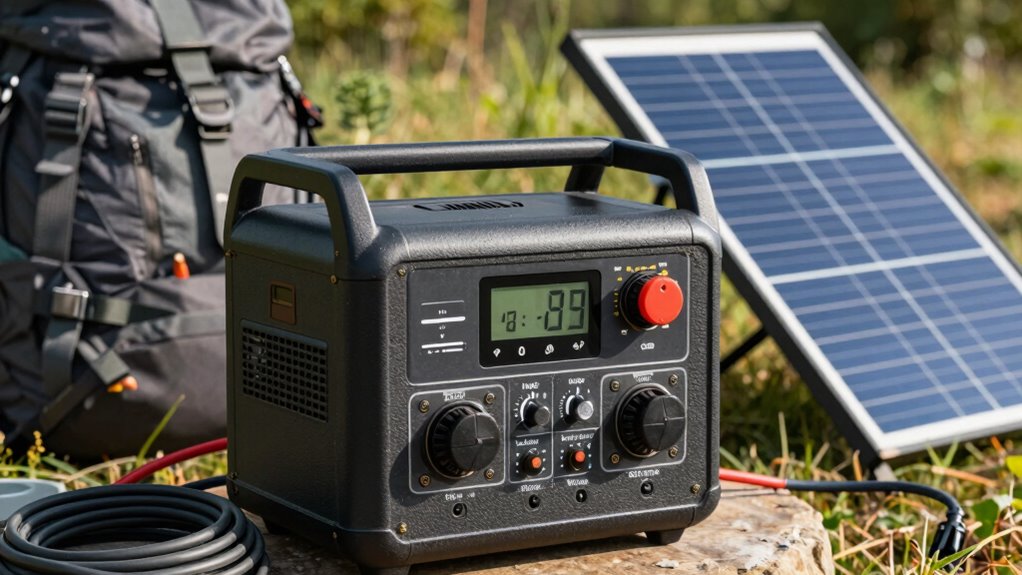
Many buyers assume that a higher wattage solar generator automatically means better performance, but that’s a common misconception. Wattage alone doesn’t paint the full picture of what a solar generator can actually do. Instead, you should focus on other key factors like battery capacity and inverter efficiency to get a realistic sense of its capabilities. A higher wattage rating might suggest more power output, but if the battery capacity is small, you’ll find yourself recharging or swapping batteries more often than you’d like. Battery capacity determines how much energy the generator can store, which directly impacts how long you can run your devices. If you plan to power larger appliances or need longer runtime, look for a generator with a substantial battery capacity, regardless of its wattage rating.
Wattage isn’t everything; prioritize battery capacity and inverter efficiency for reliable, long-lasting power.
Inverter efficiency is another critical aspect that many overlook. The inverter converts the stored DC power from the battery into AC power usable by your devices. Even a generator with a high wattage rating won’t perform well if its inverter isn’t efficient. An inverter with high efficiency minimizes energy loss during this conversion process, meaning more of your stored energy gets used effectively. Conversely, low inverter efficiency results in wasted energy, forcing you to rely on larger battery capacities to compensate. This energy loss can lead to increased costs and heavier, bulkier units, which might not suit your portability needs. Understanding how power conversion works is essential for maximizing the effectiveness of your solar generator. Additionally, considering battery management systems can help prolong the lifespan of your generator and ensure consistent performance over time.
It’s tempting to equate wattage with overall power, but that’s only part of the story. You need to evaluate whether the generator’s battery capacity aligns with your power demands. For example, powering a refrigerator, laptop, and small appliances over an extended period requires both a sufficiently large battery capacity and a high inverter efficiency to optimize runtime. Even if a generator boasts a high wattage, without enough battery capacity or with poor inverter efficiency, it won’t deliver the performance you expect. Additionally, understanding the power output capabilities in relation to your specific device requirements is crucial for making an informed purchase.
In your search for a solar generator, prioritize understanding how these factors work together. Don’t get sidetracked by wattage numbers alone; instead, look at the full specs—battery capacity and inverter efficiency—to determine if the unit can meet your needs. This thorough approach helps ensure you invest in a generator that’s reliable, efficient, and truly capable of powering your essentials, whether for camping, emergency backup, or off-grid living.
As an affiliate, we earn on qualifying purchases.
Frequently Asked Questions
How Does Inverter Efficiency Affect Solar Generator Performance?
Inverter efficiency directly impacts your solar generator’s performance, as better inverter technology means less power loss during power conversion. Higher power conversion efficiency guarantees more of the generated solar energy is usable, maximizing runtime and output. When you choose a solar generator with a high-efficiency inverter, you get more reliable and efficient power, making your investment more worthwhile by reducing energy waste and improving overall system functionality.
Can Solar Generator Wattage Handle Surge or Startup Power?
Yes, solar generator wattage can handle surge or startup power, but you need to check its peak power rating. Peak power indicates the maximum surge the generator can handle during startup, ensuring power stability for devices that draw high initial currents. Always choose a generator with a higher peak power than your device’s startup needs to prevent overloads and maintain reliable operation during startup.
What’s the Impact of Battery Capacity on Overall Wattage?
Think your solar generator’s wattage is all that matters? Think again. Battery capacity directly impacts your overall wattage, influencing how long and how much power you can draw. With better battery lifespan and smarter power scaling, you can extend usage and optimize performance. So, don’t just chase high wattage numbers—consider how battery capacity and scaling options can make your solar setup truly reliable and long-lasting.
How Do Environmental Conditions Influence Wattage Output?
Environmental conditions greatly influence your solar generator’s wattage output. Proper solar panel placement guarantees maximum sunlight exposure, boosting efficiency. Weather variability, like clouds or rain, reduces sunlight, lowering wattage. To optimize performance, position panels where they receive direct sunlight most of the day, and monitor weather patterns. Being aware of these factors helps you maintain consistent power output, making sure your solar generator works effectively regardless of changing environmental conditions.
Is Higher Wattage Always Better for My Specific Needs?
While it might seem like more wattage is always better, wattage misconceptions can lead you astray. Higher wattage doesn’t necessarily mean better power capacity for your needs; it’s about matching the generator’s output to your specific devices. If you choose a unit with excessive wattage, you might pay extra without benefit. Focus on understanding your power requirements first, then select a solar generator that offers the right balance for your situation.
efficient inverter solar generator
As an affiliate, we earn on qualifying purchases.
As an affiliate, we earn on qualifying purchases.
Conclusion
Remember, understanding wattage helps you choose the right solar generator, but it’s not just about numbers. For example, a typical laptop needs around 50 watts, while a fridge can require up to 700 watts. Nearly 60% of buyers misjudge their power needs, leading to underperformance or overspending. By accurately evaluating your daily energy use, you’ll avoid surprises and ensure your solar setup keeps everything running smoothly—making your energy independence a real possibility.
solar generator with large battery capacity
As an affiliate, we earn on qualifying purchases.
As an affiliate, we earn on qualifying purchases.
As an affiliate, we earn on qualifying purchases.
Fall Picks
fall essentials
As an affiliate, we earn on qualifying purchases.