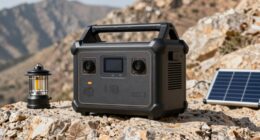
To build a reliable two-unit solar generator backup, you should focus on proper energy storage, ensuring each unit has enough capacity for critical needs. Seamlessly connect your solar panels, batteries, and inverter for maximum efficiency, using transfer switches or automatic disconnects. Position your units strategically to reduce waste and enhance reliability. Regular maintenance and system checks keep everything ready during outages. Keep exploring for detailed steps to create a resilient and efficient backup system.

Get backup power and energy gear delivered free — and shop member deals
- Fast, free delivery on millions of items
- Access to Prime Big Deal Days deals on October 6–7
- Prime Video, Amazon Music and more included
Key Takeaways
- Plan capacity for each unit to ensure sufficient backup for critical appliances during outages.
- Integrate solar panels, batteries, and inverters for optimal efficiency and minimal energy loss.
- Position units strategically to reduce energy waste and enable easy maintenance access.
- Incorporate transfer switches or automatic disconnects for seamless switching between units.
- Regularly monitor and maintain batteries, connections, and system components to ensure reliability.

Are you prepared for power outages? Building a two-unit solar generator backup strategy can keep your essential appliances running smoothly during grid failures. To do this effectively, you need to understand the importance of energy storage and proper system integration. Energy storage allows you to store excess solar energy generated during the day for use when the sun isn’t shining. This guarantees your backup system isn’t just a temporary fix but a reliable source of power whenever you need it. By investing in quality batteries and managing their capacity, you can extend your backup power duration and maintain a steady supply during outages.
Effective energy storage with quality batteries ensures reliable, extended backup power during outages.
System integration plays an essential role in creating a seamless backup setup. You want your solar units, batteries, and inverter to work together harmoniously. Proper system integration means connecting your solar panels to the batteries and inverter in a way that maximizes efficiency and minimizes energy loss. It also involves installing transfer switches or automatic disconnects, so your backup system can switch effortlessly from the grid to your solar setup without manual intervention. This integration ensures that your two units operate in tandem, sharing load and backup responsibilities, which increases overall reliability. Additionally, understanding system efficiency can help you optimize your setup for maximum performance. Proper placement and configuration of each component also contribute to reducing energy waste and improving overall system performance.
When planning your two-unit solar generator backup, consider the placement and capacity of each unit. Having two units provides redundancy; if one fails or needs maintenance, the other can still supply power. Make sure each unit has enough energy storage capacity to meet your critical needs for a certain period, especially during extended outages. You should also think about load prioritization—deciding which appliances or systems are essential and ensuring they are prioritized during backup operation. This way, you make the most of your stored energy and extend your outage resilience. Recognizing the significance of energy management can help you better allocate your stored power and prolong backup duration. Additionally, considering system scalability during initial planning can make future upgrades easier and more cost-effective.
Balancing your system is key. Proper system integration allows your units to work together efficiently, avoiding overloading some parts while underutilizing others. Regular maintenance and monitoring are essential to keep your backup system functioning effectively. Check your batteries, connections, and inverter settings periodically to ensure everything runs smoothly when you need it most. Additionally, consider future scalability—building a system that can accommodate more units or increased energy storage if your needs grow.
Ultimately, a well-designed two-unit solar generator backup strategy hinges on thoughtful energy storage choices and seamless system integration. This approach not only provides peace of mind during outages but also helps you harness solar energy efficiently, saving money and reducing your carbon footprint. With careful planning and ongoing maintenance, your backup system can be a dependable, sustainable solution for years to come.
As an affiliate, we earn on qualifying purchases.
Frequently Asked Questions
How Do I Choose the Right Solar Generator Models for My Needs?
To choose the right solar generator models, consider your power needs first. Look at battery capacity—larger capacities support longer usage during outages. Guarantee the inverter is compatible with your appliances’ wattage requirements. Check for multiple outlets and features like portability or expandability. Compare models based on efficiency and durability. By focusing on these factors, you’ll pick a solar generator that reliably powers your essentials and fits your backup strategy.
What Safety Precautions Are Necessary During Installation?
You must prioritize safety during installation by following fire safety and avoiding electrical hazards. Wear protective gear, such as gloves and goggles, to prevent injuries. Guarantee all power sources are disconnected before working, and double-check wiring connections. Keep a fire extinguisher nearby, and work in a well-ventilated area. Stay alert to electrical hazards, and don’t rush the process—safety is key to a successful, hazard-free setup.
How Long Does a Typical Two-Unit Solar Backup System Last?
A typical two-unit solar backup system lasts around 10 to 15 years, depending on battery capacity and maintenance. The battery capacity determines how much energy your system can store and supply during outages. Proper upkeep, like regular checks and replacements, helps extend the system lifespan. Keep an eye on battery health, and you’ll guarantee your backup system remains reliable for years, providing seamless power during emergencies.
Can I Expand My Solar System in the Future?
Yes, you can expand your solar system in the future. To do so, consider your energy storage capacity and how it will integrate with the grid. Upgrading your batteries guarantees you store enough energy for additional panels or units. Also, check local regulations and grid integration requirements to make sure your expanded system works seamlessly with the existing setup, maximizing efficiency and reliability.
What Maintenance Is Required for Optimal Performance?
You’re likely to find that regular maintenance keeps your solar system running smoothly. Check your batteries’ lifespan and guarantee they’re not overcharged or drained. Set a cleaning schedule to remove dirt and debris from panels, maximizing efficiency. Inspect connections periodically for corrosion or wear. By staying proactive, you prevent unexpected issues and extend your system’s life, making sure your solar backup always performs at its best.
As an affiliate, we earn on qualifying purchases.
Conclusion
So, now you’re all set with your shiny two-unit solar backup plan—because who doesn’t love pretending they’re a mini power grid? Just remember, when the apocalypse arrives and your solar setup is all that stands between you and darkness, don’t forget to thank your future self for being so brilliantly prepared. Or, you know, just enjoy the glow of your lights and the sweet satisfaction of outsmarting the grid. Either way, you’re winning.
automatic transfer switch for solar
As an affiliate, we earn on qualifying purchases.
As an affiliate, we earn on qualifying purchases.
As an affiliate, we earn on qualifying purchases.
Fall Picks
fall essentials
As an affiliate, we earn on qualifying purchases.