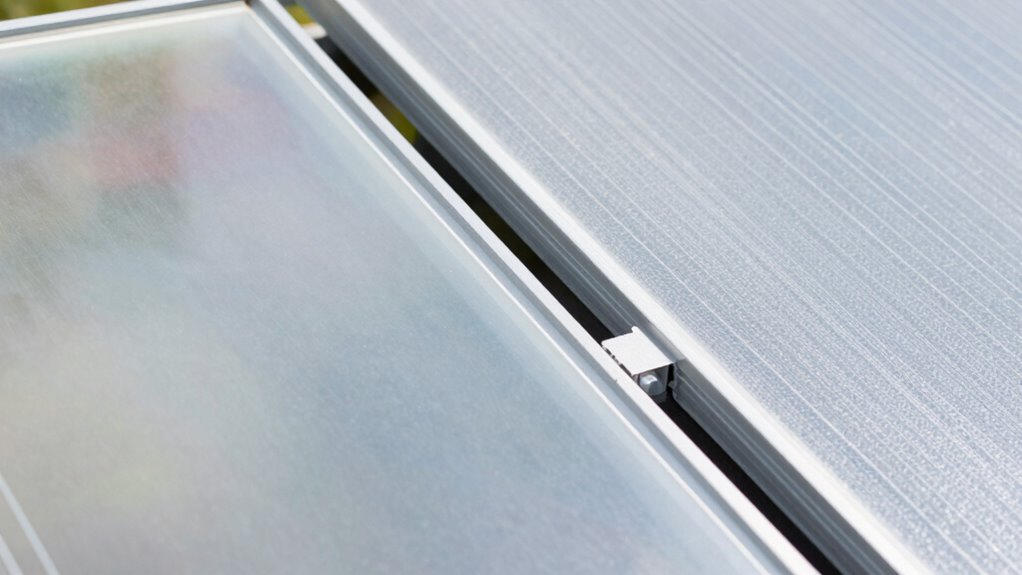
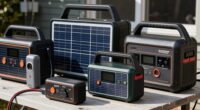
ETFE and PET are both materials used for solar panel surfaces, but they differ in durability, cost, and application. ETFE is highly durable, resistant to UV, dirt, and extreme weather, making it ideal for long-term outdoor use. It’s lightweight and costs more initially but requires less maintenance. PET is cheaper and flexible, suitable for temporary or less demanding setups, but it degrades faster under UV exposure. Exploring further reveals how these materials impact performance and longevity.
Key Takeaways
- ETFE offers higher durability, UV resistance, and longer lifespan compared to PET, making it suitable for harsh environments.
- PET is more affordable and flexible but less resistant to UV and weather, suitable for temporary or budget projects.
- ETFE provides better transparency and light transmission, optimizing solar energy collection and plant growth in agricultural uses.
- PET surfaces may degrade faster under prolonged exposure, requiring more frequent replacements or protective coatings.
- ETFE’s higher initial investment is offset by lower maintenance costs and greater long-term efficiency.
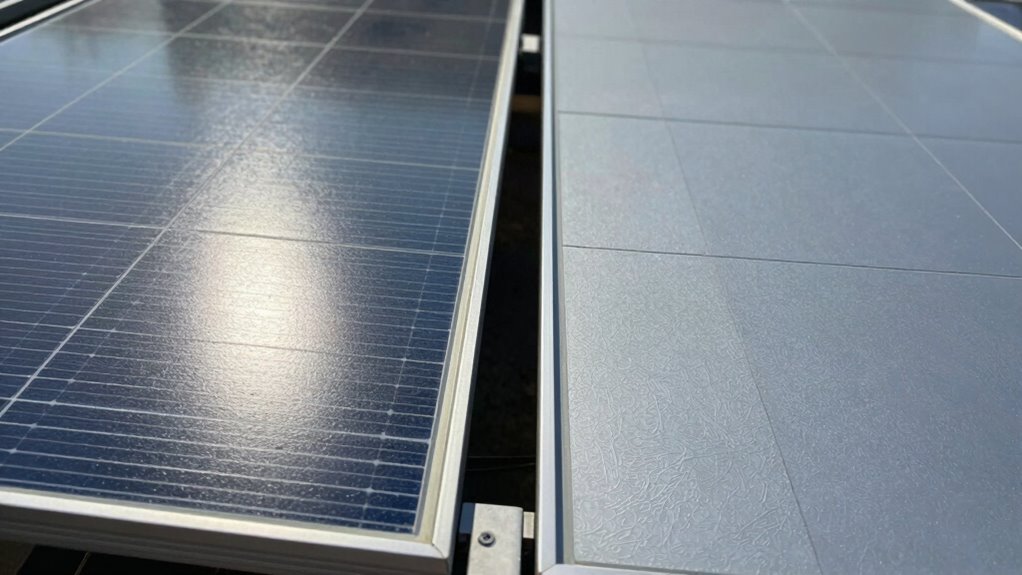
When choosing materials for solar panel surfaces, understanding the differences between ETFE and PET can substantially impact your project’s durability and efficiency. If you’re installing on an urban rooftop, you’ll need materials that withstand daily exposure to pollution, temperature fluctuations, and weather elements. ETFE (ethylene tetrafluoroethylene) and PET (polyethylene terephthalate) are both popular options, but they serve different needs. ETFE is known for its exceptional durability, high light transmittance, and resistance to UV radiation, making it ideal for urban rooftop installations where longevity matters. Its lightweight nature allows for easier installation and less structural stress, which is crucial in tightly packed city environments. ETFE’s resistance to dirt accumulation also means less maintenance over time, helping you keep your solar system efficient despite urban pollution.
ETFE offers superior durability, high light transmittance, and UV resistance—ideal for long-lasting urban rooftop solar installations.
On the other hand, PET is more affordable and widely used for less demanding applications. Its flexibility and ease of manufacturing make it suitable for large-scale projects, but it tends to degrade faster under prolonged UV exposure and extreme weather conditions. For urban rooftops, where weather variability can be unpredictable, PET may require more frequent replacements or protective coatings, increasing long-term costs. If your project involves agricultural integration—like solar panels over crop fields or greenhouses—material choice becomes even more critical. ETFE’s transparency facilitates light transmission for plants, and its robust nature means it can handle environmental stresses like wind, rain, or pests, which are common in agricultural settings. PET might be more vulnerable to moisture and environmental wear in these contexts, potentially affecting crop growth and system longevity.
Durability is a key factor when selecting materials for rooftop or agricultural applications. ETFE’s resilience ensures your investment remains intact over many years, reducing maintenance costs and downtime. Its ability to withstand extreme weather, pollution, and UV exposure makes it a preferred choice for challenging environments. Additionally, the long-term structure of ETFE contributes to its sustainability and cost-effectiveness over time. Conversely, PET’s lower cost and ease of processing appeal to projects with tight budgets or temporary setups, but its shorter lifespan means you’ll need to weigh initial savings against future replacement costs.
Ultimately, your decision hinges on balancing budget, environmental exposure, and project goals. For urban rooftops where space is limited and longevity is vital, ETFE offers superior performance. For agricultural integration, if maximizing crop growth and minimizing maintenance are priorities, ETFE’s light transmission and durability make it the better option. While PET can serve in less demanding roles, in most cases, opting for ETFE ensures your solar surface remains efficient and reliable for years to come.
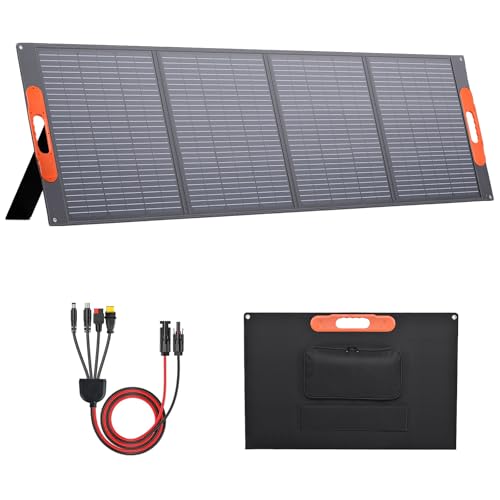
400W Foldable Solar Panel, Monocrystalline Solar Panel, Waterproof ETFE Surfaces (IP67), 24% Conversion Rate, Includes 4-in-1 MC4s Adapter Cable, Ideal for Powers Stations, RVs, Hiking, Camping
【High Conversion Efficiency】The portable solar panel high-efficiency monocrystalline 182 solar cells boast a 24% conversion efficiency. This solar…
As an affiliate, we earn on qualifying purchases.
As an affiliate, we earn on qualifying purchases.
Frequently Asked Questions
How Do ETFE and PET Surfaces Affect Solar Panel Efficiency?
ETFE and PET surfaces impact your solar panel efficiency through durability and transparency differences. ETFE offers higher durability, resisting UV and weather damage, which helps maintain efficiency longer. Its transparency is superior, allowing more sunlight to reach the panels. PET, while less durable, is more affordable but may degrade faster, reducing efficiency over time. Your choice affects how well your solar system performs and lasts.
What Are the Environmental Impacts of ETFE Versus PET?
You’ll find ETFE’s environmental impact dramatically lower than PET’s, making it the superhero of eco-friendly manufacturing. ETFE’s superior material durability means it lasts longer, reducing waste and the need for frequent replacements. Its production process uses fewer harmful chemicals, while PET’s manufacturing can release more pollutants. Choosing ETFE helps you minimize your carbon footprint, supporting sustainability while enjoying a resilient, eco-conscious solar surface.
Can ETFE or PET Surfaces Be Recycled Easily?
ETFE and PET surfaces can be recycled, but they pose different recycling challenges due to their manufacturing processes. ETFE is more durable and can be recycled more effectively, yet it requires specialized facilities. PET, being common plastic, is easier to recycle generally, but contamination and degradation during use can complicate the process. Overall, both materials demand specific recycling methods to manage their environmental impacts.
Which Surface Material Offers Better UV Resistance?
A stitch in time saves nine, so choosing the right surface matters. ETFE offers better UV resistance than PET, resisting UV degradation and maintaining surface durability over time. ETFE’s superior chemical and environmental resilience guarantees your solar panels stay clearer and stronger longer. If UV exposure concerns you most, ETFE is the smarter choice, helping your panels perform efficiently and last for many years.
How Do Cost Differences Influence Material Selection?
Cost differences considerably influence your material selection, especially when considering durability and weather resistance. ETFE tends to be more expensive upfront but offers superior material durability and weather resistance, making it ideal for long-term performance. PET, being more affordable, may suffice for short-term projects but might require replacement sooner due to lower durability. Balancing initial costs with long-term benefits is key to choosing the right surface material for your solar panels.
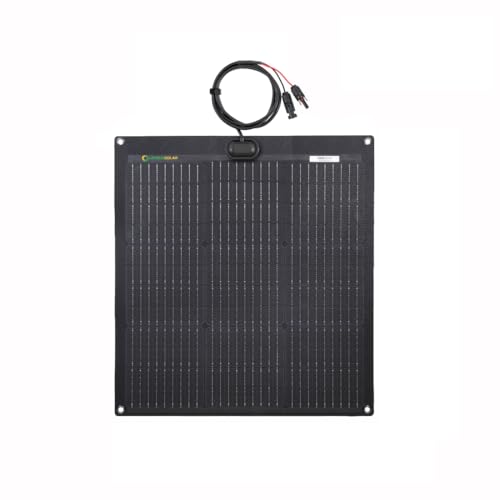
Lensunsolar 50W ETFE Flexible Solar Panel, 23×21.1inch, PERC 9BB 23.5%+ Efficiency Solar Cells, for Campers, RVs, Boats,Tent
1. Solar cell: Grade A PERC Monocrystalline solar cells with much higher efficiency and more durability than other…
As an affiliate, we earn on qualifying purchases.
As an affiliate, we earn on qualifying purchases.
Conclusion
When choosing between ETFE and PET for solar panel surfaces, it’s clear that each has its strengths and weaknesses. ETFE offers superior durability and transparency, making it ideal for demanding environments. PET, on the other hand, is more budget-friendly and easier to work with. Ultimately, you get what you pay for, but understanding your specific needs helps you make the right call. Remember, the devil is in the details—choose wisely to get the best long-term results.

Voltaic Systems 5.5 Watt 6 Volt Small Solar Panel – ETFE | Panel Made with High Performance Monocrystalline Cells | Waterproof, UV and Scratch-Resistant
OUTPUT | 5.5 Watts at 6 Volts. Monocrystalline cells – 20% efficient
As an affiliate, we earn on qualifying purchases.
As an affiliate, we earn on qualifying purchases.

Solar Panel Coating | Anti Dust | Self-Cleaning | Anti-Soiling | Anti-Snow | Hydrophobic | Graphene Infused | Anti-Abrasion | Protection up to 5YRS | 10H Hardness | Eco-Friendly | Ceramic Coating
✅Maximizes solar power generation by enhancing sunlight penetration and preventing power losses from dust and dirt accumulation.
As an affiliate, we earn on qualifying purchases.
As an affiliate, we earn on qualifying purchases.