The best home energy storage system for backup and solar depends on whether you need a portable plug-in unit or a larger 48V setup built around household circuits. I rank the ECO-WORTHY 48V system with a 10kW inverter best overall for its balance of substantial stored energy and higher output, while the PowerMega 10kW hybrid system stands out for buyers building a solar-centered installation and the Jackery HomePower 3600 Plus for people who value a simpler portable package. The main tradeoffs are capacity versus portability, integrated convenience versus installation flexibility, and inverter output versus the loads you actually need to run. A large battery alone does not guarantee whole-home backup, since wiring, transfer equipment, and load limits matter too. Read on for how these seven options compare and which type of system fits your backup plan.

Get backup power and energy gear delivered free — and shop member deals
- Fast, free delivery on millions of items
- Access to Prime Big Deal Days deals on October 6–7
- Prime Video, Amazon Music and more included
Key Takeaways
- Inverter output separates two similar large ECO-WORTHY systems: both list 10,240Wh of battery capacity, but the 5,000W and 10kW inverter versions suit different loads and installation plans.
- The PowerMega is the solar-system pick: its 10kW hybrid inverter and 48V, 314Ah battery configuration make it the most installation-oriented option in this group.
- Jackery’s two systems favor portability and packaged convenience: the HomePower 3600 Plus offers a larger portable setup, while the HomePower 2000 Plus v2 is a smaller-capacity choice with 2,400W output.
- The ECO-WORTHY kit and the standalone Cubix100 serve different roles: the kit is aimed at a bundled solar-and-storage approach, while the 48V, 200Ah rack battery is a component for a compatible system rather than a complete backup solution by itself.
- Capacity and output answer different questions: watt-hours help estimate how long loads may run, while inverter watts determine which loads can run at once; neither specification alone establishes whole-home readiness.
| ECO-WORTHY 48V Home Backup Power Station with 10240Wh LiFePO4 Battery and 5000W Inverter |  | Best for Modular 48V Backup | Battery capacity: 10,240Wh; two 51.2V 100Ah LiFePO4 batteries | Inverter output: 5,000W | Peak output: 10,000W | VIEW ON AMAZON | See Our Full Breakdown |
| Jackery HomePower 3600 Plus Portable Power Station with Extra Battery & 2x200W Solar Panels |  | Best Portable Home Backup | Battery capacity: 3,584Wh | Expandable capacity: Up to 21kWh per unit or 43kWh with multiple units | Output: 3,600W | VIEW ON AMAZON | See Our Full Breakdown |
| ECO-WORTHY Solar Panel Kit with LiFePO4 Energy Storage System for Home Backup |  | Best Complete Solar-and-Storage Package | Solar panels: Six monocrystalline panels, 590W each | Battery capacity: Two 48V 314Ah LiFePO4 batteries | Usable energy: More than 30kWh | VIEW ON AMAZON | See Our Full Breakdown |
| ECO-WORTHY PowerMega 48V 314Ah LiFePO4 Energy Storage System with 10kW Hybrid Inverter, Bluetooth & WiFi |  | Best High-Output Battery-and-Inverter System | Battery capacity: 51.2V, 314Ah; 16.1kWh stated usable energy | Inverter output: 10,000W | Output voltage: 240V | VIEW ON AMAZON | See Our Full Breakdown |
| ECO-WORTHY Cubix100 48V 200Ah LiFePO4 Lithium Server Rack Battery |  | Best Expandable Rack Battery | Battery voltage: 51.2V | Capacity: 200Ah | Battery chemistry: LiFePO4 | VIEW ON AMAZON | See Our Full Breakdown |
| Jackery HomePower 2000 Plus v2 with 2x200W Solar Panels, 2048Wh, 2400W Output |  | Best Portable Expandable Backup | Battery capacity: 2,048Wh | Battery type: LFP | Output wattage: 2,200W listed; product title states 2,400W | VIEW ON AMAZON | See Our Full Breakdown |
| ECO-WORTHY 48V Home Backup Power Station with 10240Wh Battery and 10kW Inverter |  | Best for High-Output Home Backup | Battery capacity: 10,240Wh | Battery configuration: Two 51.2V 100Ah LiFePO4 batteries | Inverter output: 10,000W | VIEW ON AMAZON | See Our Full Breakdown |
| home energy storage systems for backup and solar | Battery capacity | Dimensions | Weight |
|---|---|---|---|
| ECO-WORTHY 48V Home Backup Pow | 10,240Wh; two 51.2V 100Ah LiFePO4 batteries | 20.55 x 17.13 x 5.63 inches | 223.8 pounds |
| Jackery HomePower 3600 Plus Po | 3,584Wh | 15.2 x 12.2 x 19.3 inches | 77.2 pounds |
| ECO-WORTHY Solar Panel Kit wit | Two 48V 314Ah LiFePO4 batteries | — | — |
| ECO-WORTHY PowerMega 48V 314Ah | 51.2V, 314Ah; 16.1kWh stated usable energy | 32.56 x 20.47 x 9.92 inches | 293.2 pounds |
| ECO-WORTHY Cubix100 48V 200Ah | — | 22.09 x 19.02 x 5.63 inches | 206 pounds |
| Jackery HomePower 2000 Plus v2 | 2,048Wh | 14.37 x 10.24 x 10.73 in | 40.6 lb |
| ECO-WORTHY 48V Home Backup Pow | 10,240Wh | 20.55 x 17.13 x 5.63 in | — |
More Details on Our Top Picks
ECO-WORTHY 48V Home Backup Power Station with 10240Wh LiFePO4 Battery and 5000W Inverter
This system suits buyers who want a substantial battery-and-inverter setup without stepping up to a 10kW inverter. Its 10.24kWh of LiFePO4 storage and 5,000W pure sine wave output can support a range of household backup loads, while expandable batteries and inverters leave room to build out later. Bluetooth and WiFi monitoring make system status easier to check, though the multiple components mean setup takes more planning than with the portable Jackery HomePower 3600 Plus. It also weighs 223.8 pounds, so placement is a serious installation decision rather than a casual move. The ECO-WORTHY PowerMega offers higher inverter output and a larger single battery, but this model may suit buyers who prefer a modular arrangement and a lower output ceiling.
Pros:- 10.24kWh of LiFePO4 battery capacity for substantial outage coverage
- 5,000W pure sine wave inverter with 10,000W peak output
- Expandable design supports additional batteries and inverters
- Bluetooth and WiFi monitoring plus stated UL1973 and UL1741 certifications
Cons:- At 223.8 pounds, the system needs a planned installation location and help moving it
- Multiple components make setup more involved than a portable all-in-one unit
- Its 5,000W inverter provides less output than the 10kW ECO-WORTHY PowerMega
Best for: Homeowners planning a fixed 48V backup system who want expandable LiFePO4 storage and app-based monitoring.
Not ideal for: Buyers who need a lightweight, ready-to-move power station or want a simpler setup with fewer separate components.
- Battery capacity:10,240Wh; two 51.2V 100Ah LiFePO4 batteries
- Inverter output:5,000W
- Peak output:10,000W
- Waveform:Pure sine wave
- Battery voltage:51.2V
- Monitoring:Bluetooth and WiFi
- Dimensions:20.55 x 17.13 x 5.63 inches
- Weight:223.8 pounds
Our verdict“Choose this modular ECO-WORTHY system if you want substantial fixed-home backup with room to expand and can manage a heavy, multi-component installation.”
Jackery HomePower 3600 Plus Portable Power Station with Extra Battery & 2x200W Solar Panels
The HomePower 3600 Plus is the clearest fit here for buyers who need backup they can also move: its rolling luggage-style design is more transport-friendly than the fixed, pallet-scale ECO-WORTHY systems. It supplies 3,600W from a 3,584Wh LFP battery, with expansion available for longer runtimes and parallel operation supporting 120V and 240V. Multiple charging paths give solar owners flexibility, and the stated charging times make replenishing between outages easier to plan. The compromise is that its base capacity is much smaller than the ECO-WORTHY 10.24kWh station, and reaching the stated maximum capacity requires additional units. At 77.2 pounds, it is portable in design, not light to carry. Buyers should also verify which panels and batteries are included, since accessories may ship separately.
Pros:- 3,600W output can run a range of household appliances
- Expandable capacity supports longer backup use as the system grows
- Luggage-style form factor and wheels make relocation easier than fixed battery systems
- AC, solar, and hybrid charging options provide flexibility
Cons:- Base capacity of 3,584Wh is far below the larger ECO-WORTHY battery systems
- At 77.2 pounds, lifting and carrying it still takes effort
- Maximum capacity depends on additional units, and solar panels or batteries may ship separately
Best for: Households that want a movable backup station for essential appliances, occasional outdoor use, and solar recharging.
Not ideal for: Homeowners seeking a single fixed system with substantial overnight capacity or high-power whole-home backup without adding units.
- Battery capacity:3,584Wh
- Expandable capacity:Up to 21kWh per unit or 43kWh with multiple units
- Output:3,600W
- Voltage:120V and 240V in parallel
- Battery chemistry:LFP (lithium iron phosphate)
- Charging time:AC: 2.5 hours; solar: 4 hours; hybrid AC+DC: 2 hours
- Dimensions:15.2 x 12.2 x 19.3 inches
- Weight:77.2 pounds
Our verdict“Pick the Jackery if portability and flexible charging matter more than the larger stored-energy reserves of the ECO-WORTHY systems.”
ECO-WORTHY Solar Panel Kit with LiFePO4 Energy Storage System for Home Backup
This package is the most complete solar-plus-storage choice in this batch: it pairs six 590W panels with two 48V 314Ah batteries and a 10kW hybrid inverter. More than 30kWh of stated usable energy gives it a much longer backup runway than the Jackery HomePower 3600 Plus, while the panels provide a direct path to solar charging rather than leaving panel selection entirely to the buyer. Its 120V and 240V output also suits broader household backup needs. That scale comes with a substantial installation burden: the equipment is heavy, ships on a pallet, and is better suited to a planned site and professional help than a quick plug-in setup. Compared with the ECO-WORTHY PowerMega, this kit adds the solar array and states more than 30kWh usable energy, but demands more space and handling.
Pros:- More than 30kWh of stated usable storage for extended backup and off-grid use
- Includes six 590W monocrystalline solar panels and a 10kW hybrid inverter
- 120V and 240V output supports a broad range of household loads
- Monitoring options include WiFi, Bluetooth, RS485, CAN, and RS232
Cons:- Large, heavy equipment calls for careful site planning and professional installation
- Pallet freight can require special delivery handling
- A larger integrated system takes more space and planning than the PowerMega battery-and-inverter setup
Best for: Homeowners or off-grid property owners planning a professionally installed solar-and-battery system with extended backup capacity.
Not ideal for: Renters, apartment dwellers, or buyers who need a compact portable station or cannot accommodate pallet delivery and a substantial installation.
- Solar panels:Six monocrystalline panels, 590W each
- Battery capacity:Two 48V 314Ah LiFePO4 batteries
- Usable energy:More than 30kWh
- Inverter power:10kW hybrid inverter
- Output voltage:120V and 240V
- Communications:RS485, CAN, RS232, Bluetooth, and WiFi
- Cycle life:More than 9,000 cycles at 80% depth of discharge
- Panel dimensions:89.68 x 44.65 x 1.18 inches
Our verdict“Choose this package if you want panels, substantial storage, and a hybrid inverter together and have the space and installation support to handle a full system.”
ECO-WORTHY PowerMega 48V 314Ah LiFePO4 Energy Storage System with 10kW Hybrid Inverter, Bluetooth & WiFi
The PowerMega is a strong match for buyers who need 10kW inverter output but do not need the full solar-panel package included with the ECO-WORTHY Solar Panel Kit. Its 51.2V 314Ah LiFePO4 battery provides 16.1kWh of stated usable storage, a large step up from the ECO-WORTHY 5,000W station’s 10.24kWh and lower output. WiFi and Bluetooth monitoring, active battery management, and single- or split-phase flexibility make it suited to a fixed home backup or off-grid installation. The price of that capacity is physical scale: at 293.2 pounds, it needs freight planning and a chosen location before delivery. The solar kit is the more ready-made solar option, while this system makes more sense if panels are already installed or will be selected separately.
Pros:- 10kW inverter output for higher-demand household backup
- 16.1kWh of stated usable LiFePO4 storage
- Active BMS and Bluetooth and WiFi monitoring
- Supports single-phase and split-phase output
Cons:- At 293.2 pounds, placement and installation require significant planning
- Solar panels are not listed as part of this system, unlike the ECO-WORTHY Solar Panel Kit
- Freight delivery may complicate timing and handling
Best for: Homeowners with existing or separately planned solar panels who need high inverter output and substantial fixed battery storage.
Not ideal for: Buyers who need a portable unit, want panels bundled in the system, or cannot manage freight delivery and a 293-pound installation.
- Battery capacity:51.2V, 314Ah; 16.1kWh stated usable energy
- Inverter output:10,000W
- Output voltage:240V
- Waveform:Pure sine wave
- Frequency:60Hz
- Monitoring:Bluetooth and WiFi
- Dimensions:32.56 x 20.47 x 9.92 inches
- Weight:293.2 pounds
Our verdict“Choose the PowerMega for high-output fixed backup with substantial storage when you can source solar panels separately and handle a heavy installation.”
ECO-WORTHY Cubix100 48V 200Ah LiFePO4 Lithium Server Rack Battery
The Cubix100 is a battery component, not a complete backup system: buyers still need a compatible inverter and solar or charging equipment. That makes it a more flexible building block than the all-in-one Jackery HomePower 3600 Plus, but also a less immediate route to outage protection. Its 51.2V, 200Ah LiFePO4 capacity provides 10.24kWh of stored energy, and its rack format with CAN/RS485 communication suits installations designed around compatible equipment. Bluetooth and WiFi monitoring add visibility, while the stated expansion potential can appeal to people building storage in stages. Installation is not light work—the battery weighs 206 pounds—and the product data identifies it as non-returnable, so compatibility and delivery planning deserve extra care before ordering.
Pros:- 10.24kWh capacity in a 51.2V LiFePO4 battery
- Rack format supports compatible storage-system layouts
- CAN/RS485 communication plus Bluetooth and WiFi monitoring
- Stated expansion capacity reaches up to 163.8kWh
Cons:- Battery only; an inverter and charging or solar equipment are needed for a working backup system
- 206-pound weight makes installation difficult without suitable handling equipment or assistance
- Listed as non-returnable, making compatibility checks especially important before purchase
Best for: Solar installers and technically prepared homeowners building a compatible 48V rack system that they may expand over time.
Not ideal for: Buyers who want a ready-to-run backup station with inverter, outlets, or solar panels included, or who need easy returns and simple lifting.
- Battery voltage:51.2V
- Capacity:200Ah
- Battery chemistry:LiFePO4
- Communications:CAN and RS485
- Monitoring:Bluetooth and WiFi
- Maximum expansion:Up to 163.8kWh
- Dimensions:22.09 x 19.02 x 5.63 inches
- Weight:206 pounds
- Warranty:10-year limited warranty
Our verdict“Pick the Cubix100 if you are assembling a compatible rack-based system and value staged expansion over an all-in-one backup package.”
Jackery HomePower 2000 Plus v2 with 2x200W Solar Panels, 2048Wh, 2400W Output
The Jackery HomePower 2000 Plus v2 suits buyers who want backup power that can move between home, a vehicle, and outdoor use. Its 2,048Wh LFP battery and expandable capacity of up to 12kWh give it room to grow from a compact outage setup into a more substantial reserve. At 40.6 pounds, it is portable compared with fixed 48V systems such as the ECO-WORTHY 10kW Home Backup Power Station, though it is still a substantial lift. Smart energy management and USB-C charging add convenience for essential devices. The tradeoff is output: its listed 2,200W rating is a better fit for selected essentials than for running several high-draw household appliances at once. Choose the ECO-WORTHY system instead if high-output, whole-home-style backup matters more than portability.
Pros:- 2,048Wh LFP battery with capacity expandable to 12kWh
- Portable form factor compared with fixed 48V backup systems
- Smart energy management supports planning for essential loads
- Fast-charging USB-C ports are useful for phones, tablets, and laptops
Cons:- 2,200W listed output can limit support for high-draw appliances
- At 40.6 pounds, it is portable but not light enough for effortless carrying
- The supplied pair of 200W solar panels may recharge more slowly than a larger solar array
Best for: Households seeking a portable LFP backup unit for essential circuits, devices, and occasional RV use, with the option to add capacity later.
Not ideal for: Buyers who need to run multiple high-wattage appliances or want a permanently installed, high-output 48V home system.
- Battery capacity:2,048Wh
- Battery type:LFP
- Output wattage:2,200W listed; product title states 2,400W
- Expandable capacity:Up to 12kWh
- Power source:Battery powered
- Voltage:120V
- Weight:40.6 lb
- Dimensions:14.37 x 10.24 x 10.73 in
- Included solar panels:2 x 200W
Our verdict“Choose the Jackery if portability and expandable essential-load backup matter more than the higher output of a fixed 48V system.”
ECO-WORTHY 48V Home Backup Power Station with 10240Wh Battery and 10kW Inverter
The ECO-WORTHY 48V Home Backup Power Station is the stronger match for households that need more than a portable power station can provide. Its 10,240Wh LiFePO4 battery pairs with a 10,000W pure sine wave inverter, giving it far more capacity and output headroom than the Jackery HomePower 2000 Plus v2. Expansion support for up to six inverters and 32 batteries also leaves room to build a larger backup system. Bluetooth and Wi-Fi monitoring help track the system, while the listed UL1973 and UL1741 certifications offer relevant safety credentials. The cost of that capability is a more involved installation: separate components and technical setup make it less approachable than Jackery’s portable unit. This is better suited to a planned home energy system than a grab-and-go backup box.
Pros:- 10,240Wh LiFePO4 battery provides substantial stored energy for outages
- 10,000W inverter offers much more output headroom than portable options such as the Jackery HomePower 2000 Plus v2
- Expandable configuration supports up to six inverters and 32 batteries
- Bluetooth and Wi-Fi monitoring plus listed UL1973 and UL1741 certifications
Cons:- Setup is complex and may require electrical or system-integration expertise
- Separate component shipment adds planning and handling demands
- A large 48V system is less portable and less convenient for occasional or mobile use
Best for: Homeowners planning a high-output 48V backup system who can manage a technical installation or arrange qualified help.
Not ideal for: Renters, buyers who need a ready-to-use portable station, or households looking for a simple plug-in backup solution.
- Battery capacity:10,240Wh
- Battery configuration:Two 51.2V 100Ah LiFePO4 batteries
- Inverter output:10,000W
- Output type:Pure sine wave
- Output voltage:120V
- Input voltage:48V
- Power source:Solar and battery
- Expansion:Up to 6 inverters and 32 batteries
- Dimensions:20.55 x 17.13 x 5.63 in
Our verdict“Pick this ECO-WORTHY system if high output and future expansion justify a more involved 48V installation.”
How We Picked
I compared these seven systems by how well their stated configurations match backup and solar use, not by treating the largest battery as an automatic winner. The main criteria were usable energy capacity, inverter output, system completeness, solar integration, installation demands, portability, and flexibility to expand or pair components. I also separated complete or packaged power stations from batteries and kits, since buyers should not assume that a component provides the same ready-to-use backup as an integrated unit.
The ranking favors options with a clear fit for common home backup needs and a practical balance of capacity, output, and system design. That places the ECO-WORTHY 10kW-inverter backup station first for buyers seeking substantial capacity and higher output, with the PowerMega close behind for a more solar-centered hybrid setup. Portable Jackery models rank better for simpler, movable backup than for large fixed household loads, while the rack battery ranks lower as a standalone recommendation because it requires compatible equipment. Product suitability still depends on wiring, local electrical requirements, and the loads a buyer plans to support.
Factors to Consider When Choosing 7 Best Home Energy Storage Systems For Backup And Solar
Before choosing a system, I would start with the backup plan rather than the product’s headline capacity. These decisions affect how long equipment runs, what can operate at the same time, and whether the system can connect safely to household circuits or solar panels.
Size for Essential Loads, Not the Whole House by Default
List the loads you expect to keep running during an outage, such as a refrigerator, lights, communications equipment, or a medical device. Check both each appliance’s running wattage and its startup surge, since motors can briefly demand more power than their normal draw. Add up the loads that may run together to set a minimum inverter-output target. Then estimate energy use over the hours you need backup; a system’s watt-hours speak to runtime, not the number of appliances it can power at once. A common mistake is choosing a large battery while overlooking a low inverter limit. If your plan includes central air conditioning, an electric range, or other high-demand equipment, confirm compatibility with the specific system and installation before buying.
Check How the System Connects to Your Home
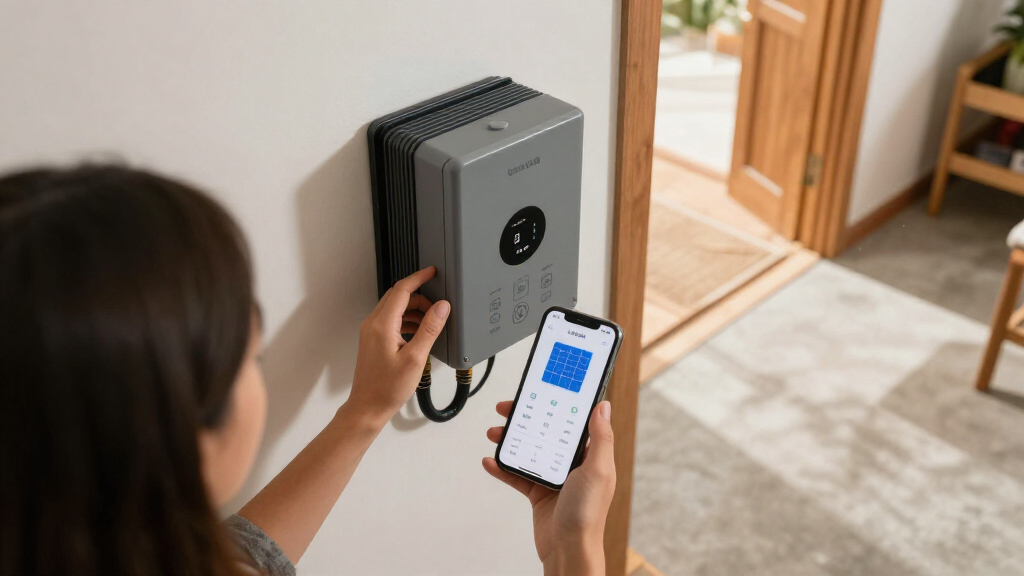
A portable power station can supply selected appliances through its outlets, while a fixed installation may connect to home circuits through transfer equipment or another approved configuration. Those are different backup experiences, even when the systems have similar battery capacity. Decide whether you want to plug devices in individually or power chosen circuits, and ask what additional hardware and professional work the setup needs. Never assume that a product labeled for home backup can feed household wiring on its own. Connection methods, permits, and electrical rules vary by location, so consult a qualified installer for fixed wiring. The more direct the home integration you want, the more important installation planning becomes.
Match Solar Equipment and Charging to Your Routine
Solar compatibility depends on more than whether panels are included in a bundle. Check the system’s permitted solar input, connector and voltage requirements, and whether your existing panels fall within those limits. A bundled panel package may simplify a small portable setup, but it may not meet the charging needs of a larger household battery. Think about when you need energy: daily solar self-use, recharging between outages, or occasional off-grid power can call for different panel capacity and charging speed. Also check whether the system can accept grid charging and how it behaves when solar production is low. Buying panels before confirming electrical compatibility can leave you with equipment that cannot be connected as planned.
Treat Expandability as a Compatibility Question
Expandable systems can offer a path to more stored energy, but the word “expandable” does not mean any battery can be added. Confirm which battery models, quantities, firmware, and inverter configurations are supported, and whether expansion changes available output or only runtime. A standalone 48V rack battery, for example, needs a compatible inverter and suitable protection and connections to function as part of a complete system. Ask whether added batteries can be mixed with the original unit and what happens to warranty coverage when components are combined. Expansion may be useful when backup needs are expected to grow, but it can add cost, space, setup work, and configuration limits. Compare the complete installed system you intend to build, not just the first battery.
Choose Between Portability and Fixed-System Capability
Portable stations make sense when you want to move power between rooms, take it off-site, or avoid planning a permanent installation. Their convenience can come with lower capacity or output than a fixed 48V arrangement designed around a hybrid inverter. Larger fixed systems can support a more integrated solar and household setup, but they take more planning and may need qualified installation. Consider where the equipment will sit, how heavy components are, and whether the area meets the manufacturer’s ventilation and temperature guidance. Do not assume that a portable unit can be permanently wired into a home just because it has substantial output. Select the format that fits your daily use as well as your outage plan.
Compare Complete-System Needs, Not Battery Specifications Alone
A battery’s voltage and capacity do not tell you whether it includes an inverter, solar charging, transfer equipment, or the connections needed for your home. Before comparing bundles with standalone components, write down everything needed for a working system and identify what is already available. Include appropriate wiring, protection devices, mounting or storage requirements, and installation labor where relevant. A bundle can reduce compatibility guesswork, but only if its included parts match your intended use. A separate battery can suit experienced buyers who already have compatible equipment, yet it may create extra work for someone starting from scratch. Comparing complete, usable configurations gives a clearer picture of fit than comparing battery capacity alone.
Frequently Asked Questions
Is the ECO-WORTHY 10kW-inverter system better than the 5,000W version for every home?
No. The 10kW inverter version is aimed at buyers whose planned loads or installation design call for higher output, while the 5,000W version may suit a smaller set of backed-up circuits. Both list 10,240Wh of storage, so the inverter difference does not automatically mean longer runtime. Check appliance running and startup demands, then compare those figures with the inverter’s limits. A higher-output unit is a poor match if your backup plan only covers modest loads and you do not need its added capability.
Can the Cubix100 battery power my home without buying other equipment?
The Cubix100 is a 48V rack battery, not a complete power station with an integrated inverter and household outlets. You need compatible equipment to convert battery power for AC appliances, along with the correct connections and protective components. Compatibility includes more than matching voltage: confirm the inverter supports the battery and its communication or operating requirements. If you want a ready-to-use portable option, one of the Jackery units is a more direct starting point. If you already have a compatible 48V system, the rack battery may fit a different role.
Are the solar panels included with a Jackery package enough to recharge it during an outage?
Not necessarily; recharge time depends on sunlight, panel placement, weather, system input limits, and how much power the battery is supplying at the same time. The included panels provide a starting point, but buyers should not assume they will quickly refill a depleted battery under all conditions. Check the power station’s solar input specifications and compare them with the panel package and any additional panels you plan to use. Also consider whether grid charging is available between outages. For longer backup periods, daily energy use and realistic solar production matter as much as the battery’s stated capacity.
Should I choose a portable power station or a 48V hybrid system for home backup?
Choose a portable station when movable power, simpler appliance-level use, and a packaged setup matter more than permanent home integration. A 48V hybrid system is better suited to a planned installation that needs to coordinate a larger battery with solar and higher-output equipment. The latter usually calls for more attention to wiring, component compatibility, and installer requirements. Compare the loads you want to back up and how you expect to connect them before selecting a format. Neither style automatically provides whole-home backup without the right configuration.
How do I know whether a system can run my refrigerator and other appliances together?
Check the combined running wattage of the appliances you plan to use at once, then account for the refrigerator’s startup surge and any other motor-driven loads. The inverter’s output limit determines whether those devices can operate together; the battery’s energy capacity helps estimate how long they may run. Leave headroom rather than planning to operate continuously at the stated maximum. For uncertain appliance demands, consult the appliance labels or manufacturer specifications and ask the power-system supplier about surge limits. A load plan is more reliable than choosing by battery capacity alone.
Conclusion
For a balanced fixed backup setup, I recommend the ECO-WORTHY 48V station with a 10kW inverter as the best overall pick, provided its installation and output suit your home. Buyers prioritizing a solar-centered hybrid configuration should look first at the PowerMega, while the 5,000W ECO-WORTHY station may be the better value fit when its lower output meets the load plan. For beginners who want a more approachable portable package, the Jackery HomePower 3600 Plus is the clearest starting point; the smaller HomePower 2000 Plus v2 makes sense when compact capacity is enough. Choose the Cubix100 for a compatible 48V system build, not as a standalone backup unit, and consider the ECO-WORTHY solar kit if a bundled solar-and-storage approach matches your installation. Before committing, confirm load limits, solar compatibility, and the equipment needed to connect the system safely.
Halloween Picks
halloween
As an affiliate, we earn on qualifying purchases.