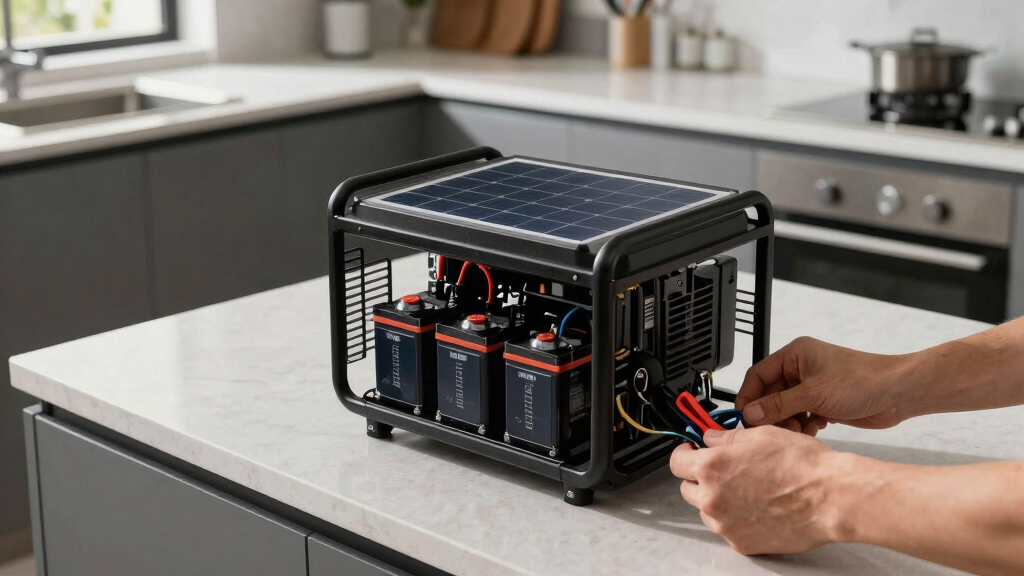

Solar-powered backup generators offer a clean, quiet, and sustainable way to keep your essentials running during outages or outdoor adventures. The best models deliver enough power for critical devices, while others prioritize portability or large capacity. The main tradeoffs involve balancing size, weight, power output, and price. A compact unit might be easy to carry but could lack the capacity needed for serious backup. Conversely, larger models provide more energy but may be heavy and less portable. Continue reading for a detailed comparison of the top options and what makes each one stand out.

Get backup power and energy gear delivered free with Prime
- Fast, free delivery on millions of items
- Prime Video, Amazon Music and more included
- Member-only deals all year
Complete the kit


Key Takeaways
- Top models balance power capacity with portability, catering to both home backup and outdoor use.
- LiFePO4 batteries are a common feature, offering longer lifespan and safer chemistry.
- The best picks include both all-in-one units with built-in solar panels and expandable systems for greater flexibility.
- Price varies widely, with premium options offering higher capacity and faster charging, but at a significant cost.
- Size and weight are critical factors—smaller units are ideal for camping, while larger ones suit home backup needs.


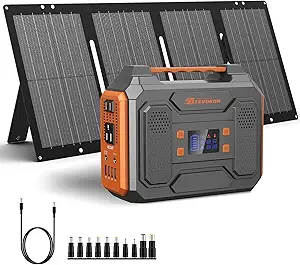


| solar-powered backup generator | Weight | Capacity |
|---|---|---|
| MARBERO 237Wh Portable Solar G | — | — |
| BROWEY 1600W | 26 pounds | 1024Wh |
| Jackery Solar Generator 300 wi | 7.5 lbs | 292Wh |
| BLAVOR Portable Power Station | — | 1024Wh |
| Jackery Portable Power Station | 7.5 lbs | 292Wh |
| EnginStar Portable Power Stati | 6.5 lbs | — |
| Jackery HomePower 3600 Plus Po | 77.2 lbs | — |
| EF ECOFLOW Portable Power Stat | — | — |
| Jackery Explorer 1000 v2 Porta | 23.8 lbs | 1070Wh |
| Portable Solar Generator 300W | Not specified | — |
| Jackery Solar Generator 1000 v | 23.8 lbs | 1070Wh |
| EcoFlow Portable Power Station | — | — |
More Details on Our Top Picks
MARBERO 237Wh Portable Solar Generator with Foldable 60W Solar Panel Set for Camping and Outdoor Use
The MARBERO 237Wh stands out for its portability and ease of use during outdoor adventures or emergencies. Its lightweight design makes it ideal for camping, hiking, or quick power needs where minimal weight matters. Compared with larger options like the BROWEY 1024Wh, it offers less capacity but excels in compactness and simplicity. The built-in solar panel enables off-grid charging, but the limited battery capacity means it won’t sustain high-power appliances or long outages. It’s perfect for charging phones, small devices, and LED lights, but not suited for more demanding power needs.
Pros:- Extremely portable and lightweight for outdoor use
- Multiple charging options including AC, USB, and solar
- Efficient smart charging with protection features
Cons:- Limited to devices under 300W, unsuitable for larger appliances
- Battery capacity may fall short for extended power needs
- Relies on direct sunlight for optimal solar charging, less effective in cloudy conditions
Best for: Campers, hikers, or emergency kits needing lightweight, portable power for small devices
Not ideal for: Users needing to run high-wattage appliances or sustain power during extended outages
- Battery Capacity:237Wh / 64000mAh
- AC Output:2 outlets, 300W pure sine wave (375W peak)
- USB Ports:2 USB-A QC3.0, 2 USB-A, 1 USB-C PD
- DC Output:12-16.8V/10A
- Solar Panel:Foldable 60W, 21.5-23.5% efficiency
- Additional Features:LED flashlight with modes
Our verdict“This power station is ideal for lightweight outdoor power needs but not for high-demand or long-duration use.”
BROWEY 1600W (3200W Peak) Portable Power Station with 1024Wh LiFePO4 Battery and Built-in Solar Panel
The BROWEY 1024Wh offers a significant upgrade in capacity and power, making it suitable for powering multiple devices or small appliances during camping or emergencies. Its built-in 40W solar panel allows for convenient recharging without external panels, unlike the Jackery Explorer 300 which requires separate solar panels. While its 1600W continuous output supports more devices simultaneously, its weight of 26 pounds makes it less ideal for frequent portage. The lithium iron phosphate (LiFePO4) battery promises longer lifespan and safety, but the limited solar input speed and weight are tradeoffs.
Pros:- High-capacity 1024Wh LiFePO4 battery with long cycle life
- Built-in 40W solar panel simplifies charging setup
- Supports multiple devices with 8 outlets and high power output
Cons:- Relatively heavy at 26 pounds, less portable
- Limited to 1600W continuous power, not for high-wattage appliances
- Requires sunlight or external power for optimal solar charging
Best for: Preppers, families, or outdoor enthusiasts needing reliable, long-lasting off-grid power with moderate portability
Not ideal for: Individuals seeking ultralight equipment or those who need to move the device frequently
- Power Output:1600W (3200W peak)
- Capacity:1024Wh
- Battery Type:LiFePO4
- Built-in Solar Panel:Yes, 40W
- Number of Outlets:8
- Weight:26 pounds
Our verdict“This model suits users who prioritize large capacity and safety over portability and need a reliable off-grid power source.”
Jackery Solar Generator 300 with 40W Solar Panel, 292Wh Portable Power Station for Camping and Outdoors
The Jackery Solar Generator 300 emphasizes portability and versatility, weighing only 7.5 pounds, making it an excellent choice for outdoor enthusiasts who need quick, reliable power. Its LiFePO4 battery ensures over 4,000 charge cycles, providing long-term durability. Unlike the BLAVOR 1024Wh, it offers less capacity but is easier to carry and set up. It requires a separate purchase of the solar panel, which adds a step but allows flexibility. Its 292Wh capacity is sufficient for phones, tablets, small cameras, and lights, but it won’t support larger appliances or longer outages without external power.
Pros:- Extremely lightweight and portable for outdoor use
- Long-lasting LiFePO4 battery with over 4,000 cycles
- Multiple charging options including USB-C PD and AC
Cons:- Requires separate purchase of solar panel
- Limited to 300W rated output, not suitable for high-power devices
- Charging larger devices may be slow
Best for: Travelers, hikers, or casual campers seeking a lightweight, reliable backup power solution
Not ideal for: Users looking to power high-wattage devices or needing long-term off-grid solutions
- Weight:7.5 lbs
- Capacity:292Wh
- AC Outlets:2
- USB-C Port:100W PD
- Charge Cycles:over 4,000
- Solar Panel:40W
Our verdict“This portable power station is perfect for lightweight outdoor activities where portability and reliability matter most.”
BLAVOR Portable Power Station 1600W with Built-in Solar Panel, 1024Wh LiFePO4 Battery, 100W USB-C Fast Charge, for Home Backup, Camping, RV
The BLAVOR 1024Wh combines large capacity and high peak power, making it suitable for running household appliances or supporting RV and home backup. Its built-in 40W solar panel provides renewable energy, reducing reliance on grid power. The device supports multiple charging options, including fast USB-C, and can power appliances up to 1600W rated with a peak of 3200W. Compared to smaller, lighter options like the Jackery Explorer 300, it’s heavier and bulkier but offers significantly more power and versatility. This model is best for users who need a substantial, reliable power reserve with renewable charging, despite the added weight and cost.
Pros:- Large 1024Wh capacity with durable LiFePO4 battery
- Built-in 40W solar panel for renewable recharge
- Supports high peak power up to 3200W with fast USB-C charging
Cons:- Heavy and bulky, less portable
- Higher price point due to capacity and features
- Solar input limited to 40W, slower recharging in cloudy conditions
Best for: Homeowners, RV travelers, or outdoor users who need high power and large capacity for multiple devices or appliances
Not ideal for: Individuals seeking ultra-light portable power or minimal emergency backup
- Capacity:1024Wh
- Peak Power:3200W
- Rated Power:1600W
- Battery Type:LiFePO4
- Solar Panel:Built-in 40W
- Charging Methods:Wall, car, solar
Our verdict“This power station makes the most sense for users needing substantial backup power with renewable options, accepting portability tradeoffs.”
Jackery Portable Power Station Explorer 300, 292Wh Backup LiFePO4 Battery, Solar Generator for Outdoors Camping Travel Hunting
The Jackery Explorer 300 offers a compact, durable solution for outdoor power needs, weighing just 7.5 pounds. Its long-lasting LiFePO4 battery supports over 4,000 cycles, making it a reliable choice for campers and travelers. While it doesn’t include a solar panel, it supports solar charging with an external panel, adding flexibility. Its 292Wh capacity isn’t enough for high-energy appliances but handles phones, small devices, and LED lights well. The device’s multiple outlets, including USB-C, make it versatile for various portable electronics. Compared with larger units like the BLAVOR 1024Wh, it sacrifices capacity for lightweight convenience.
Pros:- Very lightweight and portable with built-in handle
- Long battery lifespan with over 4,000 cycles
- Multiple device charging options including USB-C PD
Cons:- Solar panel sold separately, adding extra cost
- Limited to 300W output, not for high-wattage devices
- Charging larger devices can be slow depending on input source
Best for: Outdoor enthusiasts, travelers, or outdoor workers needing a lightweight, dependable backup power source
Not ideal for: Users who require high-wattage or long-duration power support for home appliances
- Weight:7.5 lbs
- Capacity:292Wh
- Ports:2 AC, 1 USB-C PD, 2 USB-A, 1 car port
- Charge Cycles:over 4,000
- Solar Panel:Not included, external required
Our verdict“This model excels for lightweight, reliable outdoor power but isn’t designed for powering larger appliances or long-term outages.”
EnginStar Portable Power Station 300W Solar Generator 296Wh with Dual AC Outlets
This lightweight 296Wh power station stands out for its portability, making it ideal for outdoor enthusiasts and emergency kits. Unlike larger units like the Jackery Explorer 1000, it prioritizes ease of carry over high capacity, which limits its ability to power larger appliances or multiple devices simultaneously. Its multiple charging options, including solar, wall, and car, offer flexibility, but the 7-hour charging time and device capacity under 300Wh mean it’s best suited for small electronics or short-term emergency use rather than running household appliances. The built-in LED light and LCD display enhance usability in outdoor or power outage scenarios.
Pros:- Extremely portable at just 6.5 lbs, ideal for on-the-go use
- Multiple charging options including solar, car, and wall outlets
- Built-in LED flashlight and clear LCD display for easy operation
Cons:- Supports devices only under 300Wh, limiting larger appliances
- Charging takes around 7 hours, which might be slow for urgent needs
Best for: Campers, hikers, and emergency preparedness kits needing lightweight backup power for small devices
Not ideal for: Homeowners wanting to run refrigerators or high-power tools during outages, due to limited capacity and output
- Power Output:300W
- Battery Capacity:296Wh
- Weight:6.5 lbs
- Dimensions:9 x 5.5 x 7.5 inches
- AC Outlets:2 (110V pure sine wave)
- USB Ports:2 (5V/3.1A), USB-C (18W)
Our verdict“This unit is perfect for those seeking a lightweight, versatile backup for small electronics during outdoor adventures or short emergencies.”
Jackery HomePower 3600 Plus Portable Power Station, 3600W AC Output, 3584Wh LFP Solar Generator, Expandable up to 21kWh, Home Backup, RV
The Jackery HomePower 3600 Plus offers an impressive 3584Wh capacity with high-temperature resistant LFP batteries, making it well-suited for powering entire households or RVs during outages. Compared with smaller units like the ECOFLOW DELTA Pro, it provides a much larger raw capacity, although at 77.2 pounds, portability becomes limited—this is a machine for stationary backup rather than frequent transport. Its ability to expand to 21kWh and support multiple charging methods makes it versatile, but the limited runtime of about 2 hours at full load indicates it’s better suited for short-term backup rather than extended power supply. The design includes wheels and a telescopic handle to ease movement around the home or campsite.
Pros:- Massive capacity expandable to 21kWh for long-term backup
- Supports multiple charging methods including solar, AC, and gas generator
- Portable design with wheels and telescopic handle for easier movement
Cons:- Heavy weight at over 77 pounds, limiting portability
- Runtime of only 2 hours at full load may require additional units for extended use
Best for: Homeowners and RV travelers needing a powerful, expandable backup system
Not ideal for: Individuals seeking a lightweight, portable unit for outdoor day trips, due to its weight and size
- Wattage:3600 watts
- Battery Capacity:3584Wh
- Expandable Capacity:up to 21kWh
- Weight:77.2 lbs
- Dimensions:15.2″L x 12.2″W x 19.3″H
- Charging Options:solar, AC, gas generator
Our verdict“This generator is ideal for those who need a high-capacity, expandable power backup for home or RV use, and can handle its weight.”
EF ECOFLOW Portable Power Station 3600Wh DELTA Pro, 120V AC Outlets x 5, 3600W, Fast Charge, LiFePO4 Battery, Solar Generator for Home, Camping, RV, Emergencies
The ECOFLOW DELTA Pro offers robust 3600Wh capacity with a 120V/4500W output, supporting multiple devices simultaneously—ideal for home backup or large outdoor setups. Its fast charging technology, capable of reaching full charge in just 2.7 hours, rivals similar high-capacity units like Jackery’s offerings, but with the advantage of up to 15 outlets for versatile device management. The LiFePO4 battery ensures longevity with a 10-year lifespan, making it a premium option for those prioritizing durability and high output. However, the unit’s weight and size can be prohibitive for frequent outdoor portage, and price is often on the higher end, reflecting its premium features.
Pros:- Large 3600Wh capacity with multiple outlets for extensive device support
- Fast charging in under 3 hours with multiple charging options
- Durable LiFePO4 battery with 10-year lifespan
Cons:- Heavy and bulky, limiting portability for outdoor adventures
- Price point likely exceeds casual or budget users’ expectations
Best for: Homeowners or serious outdoor enthusiasts seeking a high-capacity, multi-device capable power station
Not ideal for: Travelers needing lightweight, easily portable units, given its bulk and weight
- Wattage:3600Wh
- Power Output:4500W
- Number of Outlets:15
- Fast Charging:2.7 hours
- Battery Type:LiFePO4
Our verdict“This model suits users who need reliable, high-capacity power with fast recharge times and are less concerned about portability.”
Jackery Explorer 1000 v2 Portable Power Station, 1070Wh LiFePO4 Battery, 1500W AC/100W USB-C Output, Fast 1-Hour Charging, Solar Generator for Camping, Emergency, RV, Off-Grid
The Jackery Explorer 1000 v2 combines a solid 1070Wh capacity with a lightweight 23.8-pound frame, making it a versatile choice for outdoor camping, emergencies, and off-grid living. Its 1500W AC output and multiple ports—including USB-C and USB-A—support a wide range of devices, while the fast one-hour recharge method minimizes downtime. Compared to larger, less portable units like the EcoFlow Delta Pro, it emphasizes mobility without sacrificing power. However, it requires Jackery’s specific solar panels to recharge via solar, which adds to the cost and limits compatibility. Its balance of capacity, weight, and rapid charging makes it a favorite for portable outdoor applications.
Pros:- Lightweight at under 24 lbs, easy to carry for outdoor activities
- Fast 1-hour charging minimizes wait times
- Multiple ports including USB-C and AC outputs for versatility
Cons:- Requires Jackery-specific solar panels for solar input, limiting options
- Limited capacity compared to larger units for extensive power needs
Best for: Campers, hikers, and small-scale emergency responders who need reliable power on the move
Not ideal for: Users needing to power large appliances or run extended home backup systems, due to limited capacity
- Capacity:1070Wh
- AC Output:1500W
- Weight:23.8 lbs
- Fast Charging:1 hour
- Battery Type:LiFePO4
Our verdict“This generator offers a well-rounded, portable solution for outdoor adventurers and emergency situations requiring reliable, quick-charging power.”
Portable Solar Generator 300W with Foldable 60W Solar Panel, 280Wh Battery, USB/DC/AC Outlets for Camping and Outdoor Use
This 280Wh unit with a foldable 60W solar panel offers a compact, affordable backup for small electronics and outdoor activities. Its high solar conversion efficiency of 20.5% helps maximize charging in sunny conditions, but with a capacity of only 280Wh, it can’t support high-power appliances or prolonged outages. The multiple outlets—including AC, DC, and USB—make it flexible for charging smartphones, tablets, and small gadgets, but its performance declines if not regularly charged, and it isn’t waterproof, requiring careful handling outdoors. Compared to larger, more robust units like the EcoFlow Delta Pro, it’s best suited for short trips or emergency light support rather than sustained power needs.
Pros:- High solar conversion efficiency of 20.5% for quick solar charging
- Multiple charging options including AC, DC, USB, and solar
- Compact, foldable design for easy transport and storage
Cons:- Limited capacity of 280Wh restricts use to small electronics
- Not waterproof, requiring careful outdoor handling
Best for: Budget-conscious campers and outdoor enthusiasts needing lightweight, quick-charging power for small devices
Not ideal for: Users needing to run high-power appliances or sustain long-term power during outages, due to limited capacity
- Power Output:300W
- Battery Capacity:280Wh
- Solar Panel:60W foldable monocrystalline
- Conversion Efficiency:20.5%
- Weight:Not specified
Our verdict“This unit is a smart choice for budget-minded outdoor users needing reliable, portable power for small gadgets in sunny conditions.”
Jackery Solar Generator 1000 v2 with 200W Solar Panel, Portable Power Station with 1070Wh Capacity, Fast Charging, Off-Grid and Emergency Use
The Jackery Solar Generator 1000 v2 stands out for its high-capacity 1070Wh battery and lightweight design, making it ideal for those who need reliable power on the go. Compared with the EcoFlow DELTA 2, it offers similar capacity but weighs less, enhancing portability. Its fast charging feature—achieving a full charge in just 3 hours—reduces downtime, although it requires enabling an emergency mode to access the 1-hour fast charge. The unit’s multiple ports, including USB-C and AC outlets, support a range of devices, but solar panel and power station are shipped separately, potentially delaying setup. Its 23.8 lbs weight makes it manageable for outdoor use, yet it cannot be shipped to PO boxes, limiting delivery options. Overall, this model suits outdoor enthusiasts and emergency prepper who prioritize portability without sacrificing capacity.
Pros:- High-capacity 1070Wh battery supports multiple devices simultaneously
- Fast charging reduces downtime with a 3-hour full charge
- Lightweight at 23.8 lbs with a foldable handle for easy transport
- Versatile ports including USB-C, USB-A, DC, and AC outlets
Cons:- Requires enabling emergency charging mode for fast 1-hour charge
- Solar panel and power station shipped separately, causing potential delays
- Not deliverable to PO Box addresses
Best for: Families or individuals needing portable, high-capacity backup power for outdoor adventures or emergency situations
Not ideal for: Home users seeking a ready-to-use, all-in-one backup system due to the separate solar panel and shipping restrictions
- Capacity:1070Wh
- AC Output:1500W
- Surge Peak:3000W
- Battery Type:LiFePO4
- Weight:23.8 lbs
- Charging Time:1 hour (fast charge), 3 hours (full with 600W charger), 6 hours (solar panel)
Our verdict“This pick makes the most sense for those prioritizing portability and capacity in outdoor or emergency scenarios.”
EcoFlow Portable Power Station DELTA 2, 1024Wh LiFePO4 Battery, 1800W AC/100W USB-C, Solar Generator for Home Backup, Camping & RVs
The EcoFlow DELTA 2 excels in delivering a robust 1800W AC output, making it suitable for powering larger appliances or multiple devices simultaneously. While the Jackery 1000 v2 offers comparable capacity, the DELTA 2’s higher power output and ability to expand capacity up to 3kWh give it a clear advantage for those with higher energy demands. Its rapid charging—0 to 80% in 50 minutes—speeds up recovery times, though the unit’s weight and bulk make it less portable for outdoor trips. The model’s support for solar charging enhances off-grid usability, and its 15 outlets provide versatile options for complex setups. However, the higher price point could deter budget-conscious buyers, and its size may be impractical for compact storage or frequent transport. This is an ideal choice for homeowners or RV owners requiring substantial, expandable backup power.
Pros:- High 1800W continuous AC output supports most appliances
- Rapid 0-80% charge in 50 minutes improves readiness
- Expandable capacity up to 3kWh for long-term backup needs
- Supports solar charging, ideal for off-grid use
Cons:- Relatively heavy and bulky, less portable
- Higher price may be a barrier for some users
- Base capacity limited to 1024Wh without expansion
Best for: Homeowners, RV travelers, or campers needing high wattage and the ability to expand capacity for long-term off-grid power
Not ideal for: People seeking a lightweight, portable solution for occasional outdoor use due to its weight and size
- Wattage:1800W
- Battery Capacity:1024Wh
- USB-C Power:100W
- Charge Time:0-80% in 50 minutes
- Expandable Capacity:Up to 3kWh
- Additional Features:Supports solar, 15 outlets, inverter
Our verdict“This model makes the most sense for users who need high, expandable power and are less concerned with portability.”
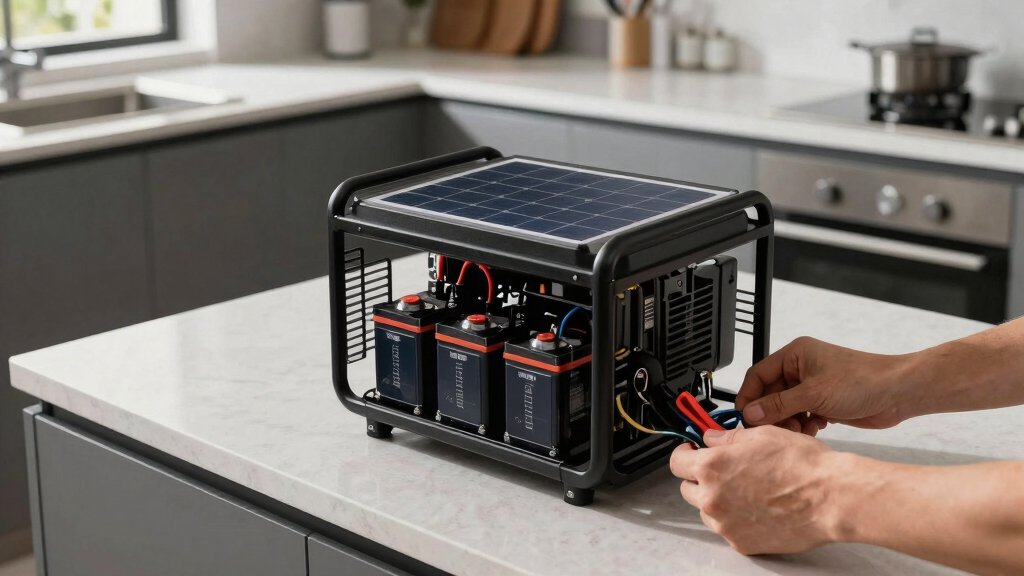
How We Picked
These products were evaluated based on several key criteria: power output, battery capacity, build quality, and usability. I prioritized systems that can reliably serve as backup power sources or outdoor companions, emphasizing durability and ease of use. The inclusion of integrated solar panels versus expandable systems was also considered, as well as value for money. Products with proven safety features and longer lifespans received higher rankings. This approach ensures the selections cater to a range of needs, from emergency preparedness to outdoor recreation, with clear distinctions in performance and price.Factors to Consider When Choosing Solar-powered Backup Generators
Choosing the right solar-powered backup generator involves understanding your specific power needs, portability preferences, and budget. Beyond just capacity, consider how quickly the unit can recharge via solar or grid, its weight for portability, and the type of batteries used for longevity. Being aware of potential limitations, such as reduced run time at high loads or the need for compatible solar panels, helps avoid costly mistakes. A careful approach ensures you select a system that provides reliable power when most needed without overspending on features you won’t use.Power Capacity and Output
Assess your essential devices and their power requirements to determine the necessary capacity. Larger units like the EcoFlow DELTA 2 or Jackery Explorer 1000 v2 provide sufficient wattage for home backup or multiple devices. Smaller, portable models are better suited for camping or emergency use with limited appliances. Keep in mind that peak power output matters for starting heavy loads like refrigerators or power tools. Balancing capacity with your typical power draw prevents overpaying for unused capacity or running out of power unexpectedly.
Battery Chemistry and Lifespan
LiFePO4 batteries are increasingly common in these generators because they last longer and are safer than traditional lithium-ion options. This chemistry allows for more charge cycles, reducing replacement costs over time. Cheaper models with less durable batteries might seem appealing initially but could lead to earlier failures. Investing in higher-quality batteries makes sense if you plan to rely on the generator for frequent use or long-term backup. Always check the warranty and expected lifespan to ensure your investment pays off.
Portability and Size
Size and weight significantly influence how and where you can use your generator. Compact units like the Jackery Solar Generator 300 are ideal for backpacking or quick outdoor trips. Larger models such as the Jackery HomePower 3600 Plus or EcoFlow DELTA 2 are better suited for home backup but are less portable. Consider whether you need a lightweight option for frequent transport or a more substantial system for stationary use. Remember, larger capacity often correlates with increased weight, so prioritize your primary use case to avoid frustration.
Solar Panel Compatibility and Recharging
Not all generators come with integrated solar panels, and compatibility varies. Some systems, like the BLAVOR Portable Power Station, include built-in panels, simplifying setup but possibly limiting maximum solar input. Others, such as the Jackery Explorer series, are designed for use with separate panels, offering more flexibility but requiring additional investment. Consider your typical sunlight conditions and how quickly you need to recharge—faster recharge times often justify higher upfront costs. Ensuring your solar panels match your generator’s specifications is key to efficient recharging.
Price and Overall Value
Price ranges from budget-friendly options to premium systems with extensive capacity and features. Cheaper models may lack advanced safety features, have shorter lifespans, or offer limited power output, which could compromise reliability. Higher-priced units tend to deliver better build quality, longer-lasting batteries, and faster recharging capabilities. Balance your budget against your power needs and usage frequency. Sometimes investing more upfront results in greater long-term savings and peace of mind, especially for critical backup scenarios.
Frequently Asked Questions
Can I run my home appliances directly from a solar-powered backup generator?
Running household appliances depends on the generator’s wattage capacity and the power draw of your devices. Many units support standard outlets suitable for small to medium appliances, but heavy-duty items like refrigerators or air conditioners may require higher wattage models or multiple units. It’s important to check the continuous and surge power ratings to ensure compatibility. Additionally, some appliances may need special adapters or inverters. Proper sizing and understanding your home’s energy needs are essential to make this feasible.
How long can a solar backup generator power my devices during an outage?
The runtime depends primarily on the generator’s battery capacity and the load applied. Smaller units may last only a few hours for a few devices, while larger systems like the Jackery Explorer 1000 or EcoFlow DELTA 2 can power essential appliances for days. To maximize runtime, limit the connected devices to those most critical and avoid overloading the system. Recharging via solar can extend operational time, but actual recharge rates depend on sunlight conditions and panel wattage. Planning for capacity based on your typical outage duration helps ensure reliability.
Is it worth paying extra for integrated solar panels vs. separate panels?
Integrated solar panels offer convenience and quick setup, reducing the need for additional equipment. However, they often have lower wattage output and less flexibility in positioning compared to separate panels. Separate panels generally provide higher wattage options and can be oriented independently for maximum efficiency. If portability and simplicity are priorities, integrated panels might be preferable; for higher power needs or flexibility, separate panels could be a better investment. Evaluate your typical usage patterns and space constraints before deciding.
How do LiFePO4 batteries compare to traditional lithium-ion batteries in these generators?
LiFePO4 batteries are known for their longer lifespan, enhanced safety, and stability under high temperatures, making them ideal for backup power systems. They typically support more charge cycles—often 2,000 or more—compared to standard lithium-ion batteries, which might last around 500-1,000 cycles. Although LiFePO4 models tend to be more expensive initially, their durability can reduce replacement costs over time. Choosing a generator with LiFePO4 batteries can provide more reliable, long-term performance, especially in critical backup scenarios.
What are common mistakes to avoid when selecting a solar backup generator?
One common mistake is oversizing the system without considering actual power needs, leading to unnecessary expense and weight. Conversely, underestimating requirements can leave you without power during critical moments. Not checking compatibility between solar panels and the generator can cause inefficient recharging. Ignoring battery chemistry and lifespan might result in short-lived systems that require early replacement. Lastly, neglecting portability needs or not factoring in future expansion plans can limit your satisfaction and system flexibility. Careful planning tailored to your specific use case prevents these pitfalls.
Conclusion
For most users seeking reliable backup power at home, the EcoFlow DELTA 2 stands out as the best overall choice, thanks to its high capacity and fast recharge. Those prioritizing affordability and portability may find the Jackery Solar Generator 300 or Portable Solar Generator 300W better suited to outdoor use. If you’re looking for a premium, expandable system capable of powering entire homes, the Jackery HomePower 3600 Plus or EF ECOFLOW DELTA Pro offer substantial capacity but at a higher cost. Beginners or occasional users should focus on smaller, simpler units, while emergency preparedness enthusiasts might prefer larger, more robust systems. Tailoring your choice to your specific needs ensures you get the most value and performance from your solar backup generator.
Halloween Picks
halloween
As an affiliate, we earn on qualifying purchases.