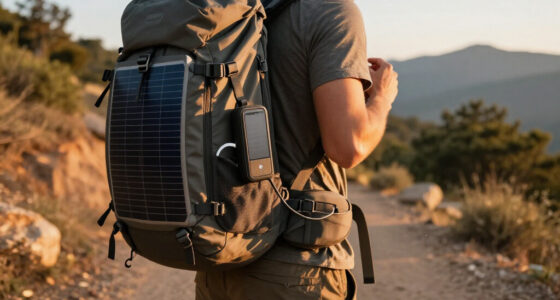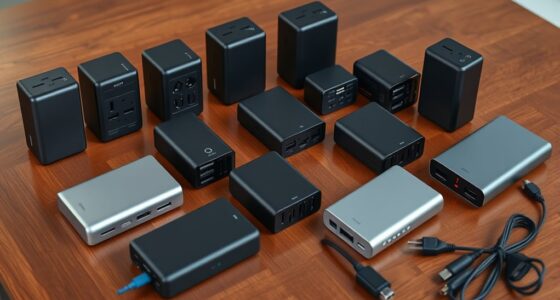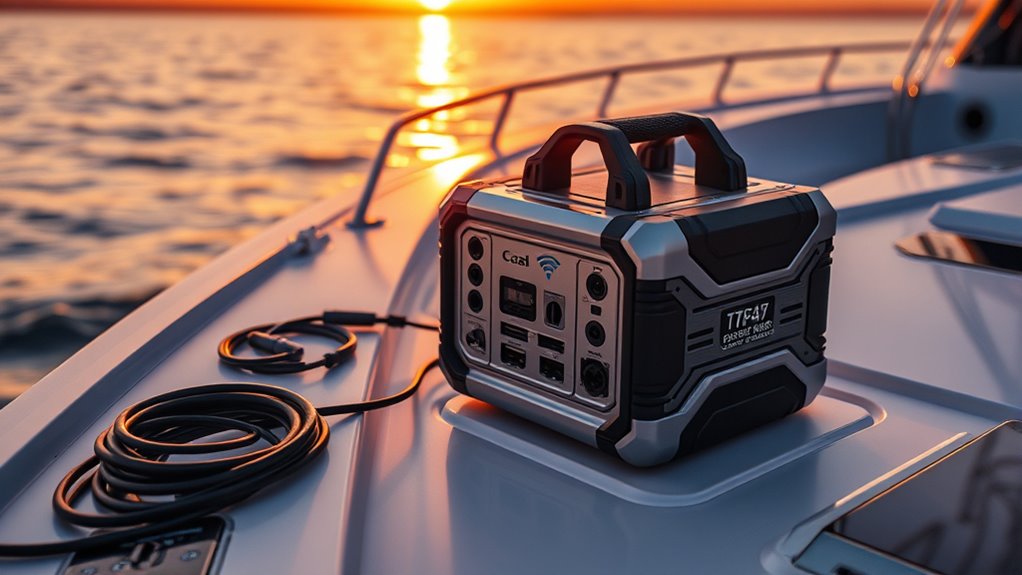

A power station bundle for boat use has to juggle three competing demands: enough capacity to run a fridge, trolling motor, or electronics overnight, enough solar input to recharge at anchor, and a physical size that fits cramped onboard storage. After comparing 11 bundles side by side, the ALLWEI 2400W with 400W panel and expansion battery stands out as the best overall pick for larger vessels thanks to its huge 2048Wh capacity and expandability, while the Jackery Solar Generator 1000 v2 hits a sweet spot of capacity, fast recharge, and trusted build for weekend cruisers. Budget-conscious or small-boat owners should shortlist the UDPOWER S1200 kit, which delivers near-kilowatt-hour capacity with a 120W panel at a modest footprint. The main tradeoff you’ll face is LiFePO4 chemistry and expansion versus portability and price — big kits like the ABOK Ark3600 power a cabin cruiser but weigh as much as a passenger. Read on for the full ranked breakdown, the reasoning behind each pick, and who should skip which bundle.

Get backup power and energy gear delivered free with Prime
- Fast, free delivery on millions of items
- Prime Video, Amazon Music and more included
- Member-only deals all year
Complete the kit


Key Takeaways
- Capacity clustering revealed three tiers in this lineup: compact sub-300Wh units (DARAN, Jackery Explorer 300, BLUETTI Elite 30 V2, DYNESS) for day trips, mid-range ~1kWh kits (UDPOWER, Jackery 1000 v2, EBL, 1000W LiFePO4) for overnight anchoring, and high-capacity systems (ALLWEI 2400W, ABOK Ark3600) for liveaboards and cabin cruisers.
- LiFePO4 chemistry separated the long-term winners from the short-term bargains — every top-ranked bundle uses it, while the Jackery Explorer 300’s older NMC cell chemistry is why it ranks below capacity-similar rivals despite its trusted name.
- Solar panel wattage in bundled kits rarely matches the station’s recharge potential; the Jackery 1000 v2’s 200W panel and ALLWEI’s 400W array stood out for real-world anchorage recharging, while 40W–120W panels on budget kits are trickle chargers at best.
- Expansion capability proved to be the hidden differentiator: only the ALLWEI supports adding a second battery pack, which matters for boaters whose power needs grow after the first season.
- Weight-to-capacity ratio was the biggest practical constraint for smaller vessels — the ABOK Ark3600 offers the most power but its multi-panel, multi-unit kit is realistically a wheel-it-up-the-dock solution, not a dinghy-friendly one.
| DARAN 350W Portable Power Station with 40W Solar Panel |  | Best Budget Boat Bundle | Capacity: 288Wh | AC Output: 350W (600W surge) | Battery Type: LiFePO4, 3,000+ cycles | VIEW ON AMAZON | See Our Full Breakdown |
| DARAN NEO300L Portable Power Station, 288Wh LiFePO4 |  | Best Station-Only Starter | Capacity: 288Wh | AC Output: 350W rated, 600W surge, pure sine | Battery Type: LiFePO4 with BMS protection | VIEW ON AMAZON | See Our Full Breakdown |
| ALLWEI 2400W Portable Power Station with 400W Solar Panel and 2048Wh Expansion Battery |  | Best Premium Liveaboard System | Output Power: 2400W | Capacity: 2048Wh, expandable to 10,240Wh | Included Solar Panel: 400W (up to 1200W solar input) | VIEW ON AMAZON | See Our Full Breakdown |
| Jackery Explorer 300 Portable Power Station, 292Wh |  | Best Lightweight Dinghy Pick | Capacity: 292Wh | AC Output: 300W (600W peak) | Battery Type: LiFePO4, 4,000+ cycles | VIEW ON AMAZON | See Our Full Breakdown |
| UDPOWER S1200 1190Wh Solar Generator Kit with 120W Panel |  | Best Weekend Cruiser Value | Capacity: 1190Wh | AC Output: 1800W (5 outlets, pure sine wave) | Battery Type: LiFePO4, 4,000+ cycles (~15 years) | VIEW ON AMAZON | See Our Full Breakdown |
| Jackery Solar Generator 1000 v2 and 200W Solar Panel |  | Best Overall for Boaters | Capacity: 1,070Wh | AC Output: 1,500W (3,000W surge) | Battery Chemistry: LiFePO4, 4,000+ cycles | VIEW ON AMAZON | See Our Full Breakdown |
| DYNESS Portable Power Station 300W, 256Wh Solar Generator |  | Best Budget Cabin Backup | Capacity: 256Wh | AC Output: 300W, 110V pure sine wave | Battery Chemistry: LiFePO4 | VIEW ON AMAZON | See Our Full Breakdown |
| 1000W Portable Power Station 1024Wh LiFePO4 |  | Best for Remote Work Aboard | Capacity: 1,024Wh | AC Output: 1,000W continuous, 2× 110V outlets | Battery Chemistry: Automotive-grade LiFePO4 | VIEW ON AMAZON | See Our Full Breakdown |
| ABOK Ark3600 Portable Power Station with 3×200W Solar Panels |  | Best Premium Liveaboard Setup | Capacity: 3,840Wh, expandable to 11,520Wh | AC Output: 3,600W rated | Battery Chemistry: EV-grade LiFePO4, 4,000+ cycles | VIEW ON AMAZON | See Our Full Breakdown |
| EBL 1000W Portable Power Station with 200W Solar Panel |  | Best Value Complete Bundle | Output Power: 1,000W | Battery Type: Lithium | Ports: 2 AC, 3 USB QC, 1 USB-C PD, 2 DC 12V, 1 car socket, 1 10W wireless pad | VIEW ON AMAZON | See Our Full Breakdown |
| BLUETTI Elite 30 V2 Portable Power Station 288Wh 600W LFP Solar Generator |  | Best Compact Companion for Day Trips | Capacity: 288Wh | Continuous Output: 600W | Surge / Power Lifting Mode: 1500W | VIEW ON AMAZON | See Our Full Breakdown |
| power station bundle for boat | Capacity | Ports | AC Output | Weight |
|---|---|---|---|---|
| DARAN 350W Portable Power Stat | 288Wh | 2× AC, 1× 60W USB-C PD, 2× 18W USB-A, 1× 12V car socket | 350W (600W surge) | 8.2 lbs |
| DARAN NEO300L Portable Power S | 288Wh | 2× AC, 1× 60W USB-C PD, 2× 18W USB-A, 1× DC I/O | 350W rated, 600W surge, pure sine | 8.2 lbs |
| ALLWEI 2400W Portable Power St | 2048Wh, expandable to 10,240Wh | — | — | — |
| Jackery Explorer 300 Portable | 292Wh | 2× AC, 1× 100W USB-C PD, 2× USB-A, 1× 120W car port | 300W (600W peak) | 7.1 lbs |
| UDPOWER S1200 1190Wh Solar Gen | 1190Wh | 5× AC, 2× 100W USB-C, 4× USB-A, car port, 2× DC5521 | 1800W (5 outlets, pure sine wave) | — |
| Jackery Solar Generator 1000 v | 1,070Wh | 3 AC, 2 USB-C (100W PD), 1 USB-A, 1 DC car port | 1,500W (3,000W surge) | 23.8 lbs |
| DYNESS Portable Power Station | 256Wh | 1 AC, 1 USB-C, 1 USB-A, 2 DC, 1 car outlet | 300W, 110V pure sine wave | — |
| 1000W Portable Power Station 1 | 1,024Wh | 2 AC, 1 USB-C 60W PD, 2 USB-A | 1,000W continuous, 2× 110V outlets | 27.73 lbs |
| ABOK Ark3600 Portable Power St | 3,840Wh, expandable to 11,520Wh | 15 total, including AC 30A, 4× AC 20A, USB-C PD 100W, XT60, cigarette lighter | 3,600W rated | — |
| EBL 1000W Portable Power Stati | — | 2 AC, 3 USB QC, 1 USB-C PD, 2 DC 12V, 1 car socket, 1 10W wireless pad | — | — |
| BLUETTI Elite 30 V2 Portable P | 288Wh | — | — | 9.4 lbs |
More Details on Our Top Picks
DARAN 350W Portable Power Station with 40W Solar Panel
For small-boat owners who want a complete solar kit without overspending, this DARAN bundle makes sense because everything arrives in one box: a 288Wh station plus a 40W foldable panel for trickle-charging at anchor. The LiFePO4 chemistry rated for 3,000+ cycles matters on a boat, where heat and humidity punish cheaper cells. Compared with the Jackery Explorer 300, DARAN includes the solar panel in the package while Jackery sells panels separately, though Jackery’s 100W USB-C port outcharges DARAN’s 60W. At 8.2 lbs, it stows easily in a lazarette or under a seat.
The tradeoffs are real: 350W output rules out anything beyond phones, tablets, a VHF, and a small 12V fridge, and the panel’s 40W ceiling means slow recovery between uses.
Pros:- Solar panel bundled, so the kit is off-grid capable immediately
- LiFePO4 cells rated for 3,000+ cycles tolerate marine storage better than standard lithium
- Six simultaneous ports cover a small crew’s devices at once
- 8.2 lbs with a carry-friendly footprint fits tight cockpits and lockers
Cons:- 40W panel is slow to recover capacity on the water
- Requires two full conditioning cycles before first use and monthly top-ups in storage
Best for: Day-boaters and small-craft owners who need to top up phones, a chartplotter, and a CPAP overnight and want solar included from day one
Not ideal for: Boaters running marine fridges, inverters, or multiple appliances — 288Wh and 350W simply won’t carry that load
- Capacity:288Wh
- AC Output:350W (600W surge)
- Battery Type:LiFePO4, 3,000+ cycles
- Ports:2× AC, 1× 60W USB-C PD, 2× 18W USB-A, 1× 12V car socket
- Recharge Time:0-80% in 2.4 hours (100W AC)
- Solar Panel:40W foldable, included
- Weight:8.2 lbs
- Warranty:1 year
Our verdict“This is the sensible entry bundle for a small boat where portability and included solar matter more than raw capacity.”
DARAN NEO300L Portable Power Station, 288Wh LiFePO4
This is essentially the same 288Wh/350W platform as the DARAN bundle above it, minus the solar panel — and that’s precisely the point. If your boat already has shore power or an engine alternator feeding the 12V DC input, paying for a 40W panel you may never deploy is wasted money. The NEO300L leans on a 7-port layout and a fast 2.1-hour AC recharge, plus a rear LED with SOS mode that doubles as an anchor-light backup in a pinch. It runs a 30W CPAP for a full night, which puts it in the same practical territory as the Jackery Explorer 300 — though Jackery’s 4,000-cycle rating and 100W USB-C give it a durability and charging edge. The advanced BMS with temperature protection is reassuring near an engine bay.
The catch is the add-on math: solar and car cables are sold separately, so the off-grid story costs extra.
Pros:- Cheapest way into a capable 288Wh LiFePO4 station for boat duty
- Charges three ways: wall, 12V DC input, or optional solar
- SOS/strobe rear LED is genuinely useful after dark aboard
- Slim 10 × 6.6 × 8.2 in footprint slides into a berth or compartment
Cons:- Solar panel and car charging cable sold separately
- Confusing model naming (300W printed on the unit vs. 350W actual rating)
- 60W USB-C is slower than the Jackery Explorer 300’s 100W port
Best for: Budget-conscious boaters who recharge at the dock or from the boat’s 12V system and don’t need bundled solar
Not ideal for: Anyone expecting a self-contained solar generator — the panel is optional and adds cost after purchase
- Capacity:288Wh
- AC Output:350W rated, 600W surge, pure sine
- Battery Type:LiFePO4 with BMS protection
- Ports:2× AC, 1× 60W USB-C PD, 2× 18W USB-A, 1× DC I/O
- Recharge Time:~2.1 hours via AC
- Runtime Example:~8 hours for a 30W CPAP
- Weight:8.2 lbs
- Warranty:1 year
Our verdict“Pick this over the DARAN bundle if you already have a way to recharge aboard and want the lowest entry cost.”
ALLWEI 2400W Portable Power Station with 400W Solar Panel and 2048Wh Expansion Battery
When a boat becomes a home, the power math changes — and this ALLWEI kit is built for that reality. With 2400W of output, a 400W panel, and a bundled 2048Wh expansion battery, it can run a marine fridge, microwave, and cabin electronics simultaneously, something none of the smaller picks here can attempt. The 10ms UPS switchover is the standout for boats: plug your bilge pump controller or navigation gear into it, and a shore-power hiccup never interrupts them. Compared with the Jackery Solar Generator 1000 v2, ALLWEI roughly doubles the output ceiling and quadruples the expandable ceiling (up to 10,240Wh), at the cost of serious weight. Recharging via 1500W AC takes just 1.5 hours at the dock.
The honest downside: 51 lbs for the station plus a 35 lb panel means this is a semi-permanent installation, not something you carry aboard each weekend. Solar-only recharge takes 6-8 hours, so plan around shore power when you can.
Pros:- 2400W output runs high-draw appliances other picks can’t touch
- 10ms UPS switchover protects electronics during shore-power drops
- Expandable to 10,240Wh for growing energy needs
- 1.5-hour full AC recharge at the dock between trips
Cons:- 51 lb station plus 35 lb panel demands dedicated stowage or mounting
- Expansion beyond the included battery requires additional packs sold separately
Best for: Liveaboards and long-range cruisers who need whole-boat power, UPS protection for critical gear, and room to expand
Not ideal for: Day sailors and trailer-boaters — the combined weight and footprint overwhelm a small cockpit or compact cabin
- Output Power:2400W
- Capacity:2048Wh, expandable to 10,240Wh
- Included Solar Panel:400W (up to 1200W solar input)
- AC Input:1500W, full charge in 1.5 hours
- Battery Chemistry:LiFePO4, 3,500+ cycles (~10 years)
- UPS Switchover:10 ms
- Station Weight:51 lbs
- App Control:Landbook app monitoring and remote control
Our verdict“If your boat is a residence rather than a weekend escape, this is the system that scales with you.”
Jackery Explorer 300 Portable Power Station, 292Wh
Sometimes the winning feature is simply what you’re willing to carry, and at 7.1 lbs the Explorer 300 is the lightest capable station in this lineup. For a dinghy, kayak fishing trip, or portaging between anchorages, that matters more than capacity. The 100W USB-C PD port is the fastest single-port charge in the small-station group here — faster than either DARAN’s 60W — and the 4,000-cycle LiFePO4 rating outlasts DARAN’s 3,000. The integrated handle design genuinely suits one-handed carrying down a dock. Where it falls short of the DARAN 350W bundle is completeness: no solar panel is included, so off-grid recovery means buying a Jackery panel, and a 40W panel needs 7.5 hours to reach 80%.
For anything beyond overnight phone and CPAP duty, step up to the UDPOWER S1200 below.
Pros:- Lightest option in the roundup at 7.1 lbs with a true carry handle
- 100W USB-C PD is the fastest small-station charging port here
- 4,000+ cycle LiFePO4 rating, roughly 11 years of service
- Runs a CPAP overnight or tops up laptops and cameras for a weekend
Cons:- Solar panel sold separately, adding real cost to a complete kit
- 300W output ceiling excludes most boat appliances
Best for: Boaters who prioritize portability — dinghy cruisers, kayak anglers, and anyone hauling gear from car to dock by hand
Not ideal for: Extended off-grid trips — no bundled panel and 292Wh runs dry quickly without a recharge plan
- Capacity:292Wh
- AC Output:300W (600W peak)
- Battery Type:LiFePO4, 4,000+ cycles
- Ports:2× AC, 1× 100W USB-C PD, 2× USB-A, 1× 120W car port
- Solar Charging:80% in ~2.8 hrs with 100W panel (panel not included)
- Weight:7.1 lbs
Our verdict“The pick when weight is the deciding factor and a couple of overnight charges cover your needs.”
UDPOWER S1200 1190Wh Solar Generator Kit with 120W Panel
This kit occupies the sweet spot the smaller units miss: 1190Wh of capacity, 1800W of output, and a bundled IP65-rated 120W panel, all at a scale that still fits a cabin. For a weekend cruise, that’s a fridge, lights, phones, and a laptop with headroom to spare — capacity the DARAN and Jackery small stations can’t approach, without the ALLWEI 2400W’s installation-grade bulk. The sub-0.01s UPS switchover protects CPAP machines and navigation electronics just like the ALLWEI does, and the 14-port hub (five AC outlets, dual 100W USB-C) means no fighting over plugs with crew aboard. Compared with the EBL 1000W kit, UDPOWER offers more outlets and a claimed 15-year battery life at 4,000+ cycles. Its 23%-boosting adjustable panel stand earns its keep on a pitching deck.
The tradeoff is recharge pace: the included 120W panel is modest for a battery this size, so expect long solar days or plan on shore-power top-ups.
Pros:- 1800W output runs fridges and power tools beyond every small pick here
- 14 ports charge a full crew’s devices simultaneously
- IP65 waterproof panel with adjustable stand suits deck mounting
- Sub-0.01s UPS switchover for CPAP and sensitive electronics
Cons:- 120W panel is undersized relative to 1190Wh capacity for solar-dependent boaters
- Station and panel ship separately, complicating delivery and returns
Best for: Weekend cruisers who want multi-day capacity, true UPS protection, and included weatherproof solar in one package
Not ideal for: Minimalists and day-trippers — 1190Wh is more weight and stowage than short outings justify
- Capacity:1190Wh
- AC Output:1800W (5 outlets, pure sine wave)
- Battery Type:LiFePO4, 4,000+ cycles (~15 years)
- Included Solar Panel:120W foldable, IP65 waterproof
- Ports:5× AC, 2× 100W USB-C, 4× USB-A, car port, 2× DC5521
- UPS Switchover:<0.01s
- Standby Retention:~90% charge after 1 year (EMS tech)
Our verdict“The best capacity-per-effort choice for boats that go out for days, not hours.”
Jackery Solar Generator 1000 v2 and 200W Solar Panel
This bundle hits the sweet spot for onboard power: 1,070Wh of capacity, a 1,500W pure sine wave inverter that can actually run a small marine fridge or cabin AC unit, and a 23.8 lb frame with a folding handle that one person can move from dock to cockpit without drama. Compared with the EBL 1000W kit, the Jackery’s one-hour emergency AC charging means you can top it off at the marina between outings instead of planning your day around recharge windows. The 200W panel reaches 80% in about six hours of good sun. The tradeoff is that solar in this class is slow, and the single panel won’t keep pace with heavy daily draws. Compared with the ABOK Ark3600, capacity is roughly a third, so liveaboard boaters will outgrow it.
Pros:- 1,500W output with 3,000W surge peak runs most boat appliances including fridges and AC units
- One-hour emergency AC recharge is the fastest in this lineup
- LFP battery rated for 4,000+ cycles, roughly 10 years of seasonal use
- 23.8 lbs with foldable handle is genuinely manageable on a moving deck
Cons:- Single 200W panel means solar recovery is slow for heavy users
- Fast charging must be manually enabled in the app each time
- Station and panel ship separately, which complicates delivery timing
Best for: Weekend cruisers and daysailors who need fridge, lights, and device charging for 1-2 days off shore power
Not ideal for: Liveaboards or boats running air conditioning overnight — 1,070Wh drains fast under sustained loads
- Capacity:1,070Wh
- AC Output:1,500W (3,000W surge)
- Battery Chemistry:LiFePO4, 4,000+ cycles
- Solar Panel:200W (included)
- AC Charge Time:1 hour (emergency mode), 1.7 hours standard
- Solar Charge Time:~6 hours to 80%
- Ports:3 AC, 2 USB-C (100W PD), 1 USB-A, 1 DC car port
- Weight:23.8 lbs
Our verdict“The most balanced kit here for boaters who want real appliance power and fast marina recharges without hauling a 60-pound unit aboard.”
DYNESS Portable Power Station 300W, 256Wh Solar Generator
The Dyness is the smallest serious option in this roundup, and its role is narrow: keeping phones, a VHF, chartplotter, and cabin lights alive on a small boat. Its LiFePO4 chemistry outclasses the lithium-ion EBL 1000W in cycle life, which matters when a unit lives in a humid locker half the year. Compared with the Jackery Explorer 300, the Dyness adds dual DC outputs and a car socket for the price of similar capacity. The honest tradeoff is the 300W ceiling — no inverter-based appliances, no heat, no mini fridge beyond the smallest models, and the solar panel is sold separately, so it isn’t a true bundle out of the box.
Pros:- LiFePO4 battery tolerates years of partial charging better than standard lithium-ion
- Six output ports cover USB, DC, car socket, and AC simultaneously
- Lightweight and compact enough to stow in a small locker or dry bag area
- Dual-input charging lets you combine solar and wall power
Cons:- 300W output cannot run most boat appliances beyond laptops and small electronics
- Solar panel is optional and sold separately, unlike the Jackery and EBL bundles
- Single AC outlet limits simultaneous use
Best for: Small-boat owners and dinghy cruisers who only need comms, navigation, and lighting power on a tight budget
Not ideal for: Anyone wanting to run a fridge, fans, or any AC appliance — 256Wh and 300W rules that out entirely
- Capacity:256Wh
- AC Output:300W, 110V pure sine wave
- Battery Chemistry:LiFePO4
- Solar Panel:Optional, sold separately
- Ports:1 AC, 1 USB-C, 1 USB-A, 2 DC, 1 car outlet
- Recharge Methods:AC wall, solar, car charger, dual input
Our verdict“A smart, cheap insurance policy for electronics-only power needs on small craft — just don’t expect it to run anything with a compressor.”
1000W Portable Power Station 1024Wh LiFePO4
This unnamed-brand unit earns its slot for one standout trait: Starlink compatibility with low-interference power, which is exactly what a growing number of work-from-boat cruisers need. With 1,024Wh and 1,000W output, it sits between the Dyness 300W and the ABOK Ark3600 in capability, running a mini fridge, router, and laptop simultaneously for a couple of days. It accepts up to 300W of solar input, which beats the Jackery 1000 v2’s single 200W panel ceiling when you add panels later — though no panel is included here. The six-layer BMS is reassuring for sensitive electronics. The tradeoffs are a no-name brand with a shorter support track record and a slower 60W USB-C port compared with Jackery’s 100W PD.
Pros:- Starlink-compatible clean power output suited to satellite internet and remote work
- 300W max solar input leaves room to expand beyond the bundled competitors
- Automotive-grade LiFePO4 rated for 3,000+ cycles with 6-layer BMS
- 27.73 lbs with integrated handle is carryable for its class
Cons:- No solar panel included, so it’s not a complete off-grid bundle as shipped
- 60W USB-C is half the charging speed of the Jackery 1000 v2
- Lesser-known brand means less certain long-term app and warranty support
Best for: Remote workers and cruisers who need clean, Starlink-compatible power for laptops, routers, and a mini fridge
Not ideal for: Buyers who want a bundled solar panel or a well-established brand with a long warranty history
- Capacity:1,024Wh
- AC Output:1,000W continuous, 2× 110V outlets
- Battery Chemistry:Automotive-grade LiFePO4
- Cycle Life:3,000+ cycles to 80% capacity
- Max Solar Input:300W (panel optional, 200W charges in 6-8 hours)
- Ports:2 AC, 1 USB-C 60W PD, 2 USB-A
- Weight:27.73 lbs
Our verdict“The pick for floating offices, provided you’re comfortable sourcing solar separately and betting on a newer brand.”
ABOK Ark3600 Portable Power Station with 3×200W Solar Panels
For liveaboards and extended cruisers, the Ark3600 is the only kit here that behaves like shore power you bring with you. Its 3,840Wh base capacity expands to 11,520Wh, the 3,600W inverter with a 30A AC outlet can run genuinely hungry loads, and the three bundled 200W panels give you 600W of harvest — triple what the Jackery 1000 v2 or EBL kits offer. Combined AC-plus-solar recharging hits full in as little as 1.29 hours at a dock. The 15-port array includes an XT60 and cigarette lighter, handy for 12V boat systems. The tradeoffs are real: this is a heavy, bulky unit that demands dedicated stowage, and the total investment towers over every other pick. Overkill for a daysailer.
Pros:- 3,600W output with 30A AC port runs high-draw appliances other picks can’t touch
- 600W of bundled solar plus 2,000W PV input enables true off-grid living
- Expandable to 11,520Wh so the system grows with your needs
- EV-grade LiFePO4 rated 4,000+ cycles with Bluetooth app monitoring
Cons:- Large and heavy compared with every other option, requiring permanent onboard placement
- Premium investment far above the 1kWh class kits
- Fast recharge claims require combining AC and solar under ideal conditions
Best for: Liveaboards and multi-week cruisers who need sustained appliance power and serious solar harvesting
Not ideal for: Day and weekend boaters — the weight, size, and cost are wasted on occasional cabin loads
- Capacity:3,840Wh, expandable to 11,520Wh
- AC Output:3,600W rated
- Battery Chemistry:EV-grade LiFePO4, 4,000+ cycles
- Solar Panels:3× 200W included (600W total)
- Max PV Input:2,000W
- Recharge Time:1.29 hours (AC+PV combined), ~3 hours AC only
- Ports:15 total, including AC 30A, 4× AC 20A, USB-C PD 100W, XT60, cigarette lighter
- App Control:Bluetooth monitoring and settings
Our verdict“If your boat is your home, this is the only bundle in the roundup that can realistically replace generator dependence.”
EBL 1000W Portable Power Station with 200W Solar Panel
The EBL is the everything-in-the-box option: a 1,000W station, a 200W panel, and ten output ports including a 10W wireless charging pad — something neither the Jackery 1000 v2 nor the 1024Wh unit offers. For a boat, the panel’s IP65 water resistance and 840D Oxford fabric backing are the headline features; it tolerates spray and deck mounting far better than typical portable panels, and its four-in-one connector works with most other generators. The tradeoff is charging patience: 6-8 hours by sun, 7-8 by wall — roughly four times slower than the Jackery’s emergency mode. The standard lithium chemistry also cycles fewer times than the LiFePO4 Dyness or ABOK. This is the pick when budget matters more than recharge speed.
Pros:- Complete bundle with a genuinely marine-friendly IP65 water-resistant panel
- 10 ports including wireless charging covers nearly every device type aboard
- Built-in MPPT controller and BMS protection at a lower price than premium rivals
- Four-in-one solar connector adds compatibility with future gear
Cons:- 6-10 hour recharge times across all methods are the slowest in this class
- Lithium chemistry offers fewer cycles than the LiFePO4 Jackery, Dyness, and ABOK
- 12V battery-charging accessories and controller clips sold separately
Best for: Budget-conscious boaters who want a full solar bundle with rugged, spray-tolerant panel construction
Not ideal for: Boaters who need fast turnaround between trips — nothing about this kit recharges quickly
- Output Power:1,000W
- Battery Type:Lithium
- Ports:2 AC, 3 USB QC, 1 USB-C PD, 2 DC 12V, 1 car socket, 1 10W wireless pad
- Solar Panel:200W, IP65 water-resistant, PET-coated with 840D Oxford backing
- Solar Charge Time:6-8 hours
- Wall Charge Time:7-8 hours
- Car Charge Time:9-10 hours
- Solar Connectors:MC-4 to 4-in-1 (XT60, Anderson, DC7909, aviation)
- Cooling:Dual silent cooling fans
Our verdict“The most complete and affordable starter bundle for onboard solar, if you can live with slow recharges.”
BLUETTI Elite 30 V2 Portable Power Station 288Wh 600W LFP Solar Generator
Not every boater needs a house-sized battery bank, and that’s exactly where the BLUETTI Elite 30 V2 earns its spot. At 9.4 lbs, it’s light enough to carry from dock to cockpit without a second thought — something the ALLWEI 2400W or ABOK Ark3600 simply can’t claim. Its standout trick is Power Lifting Mode, which pushes output to 1500W for resistive loads, letting you run a small kettle or toaster that would trip the circuit on the Jackery Explorer 300 or the DARAN 288Wh, both of which cap out lower. The 380W wall charge is genuinely fast for this class — 0-80% in 45 minutes means you can top up between outings. Tradeoffs are real: 288Wh won’t run a fridge overnight the way the UDPOWER S1200 can, and solar input tops out at 60W, so off-grid recharging is slow.
Pros:- At 9.4 lbs, it’s among the lightest options here and easy to move around a small boat
- 1500W Power Lifting Mode runs small heating appliances that similar-capacity rivals can’t handle
- 380W fast wall charging refills 0-80% in about 45 minutes between outings
- LFP battery chemistry with low 4.5W standby drain suits seasonal boat storage
- 10ms UPS switchover protects sensitive electronics like CPAP machines and laptops
Cons:- 288Wh capacity is limited for overnight or multi-day use with continuous loads
- Solar input is capped around 60W, so off-grid recharging takes a full day or more
- Only one unit of this size class — no battery expansion unlike the ALLWEI 2400W
Best for: Day-boaters and small-craft owners who need lightweight power for phones, laptops, a CPAP, or a car fridge and can recharge at the dock between trips
Not ideal for: Overnight anchoring or extended off-grid cruising — 288Wh capacity runs dry quickly with continuous loads like fridges
- Capacity:288Wh
- Continuous Output:600W
- Surge / Power Lifting Mode:1500W
- Battery Chemistry:LiFePO4 (LFP)
- Weight:9.4 lbs
- AC Wall Charging:380W / 200W adjustable
- Charge Time:0-80% in 45 min; 0-100% in 70 min
- Solar Input:Up to 60W (PV60L panel compatible)
- UPS Switchover:10ms
Our verdict“Buy this if you want grab-and-go power for day trips on the water; skip it if you’re living aboard or running a fridge overnight.”

How We Picked
Every bundle here was evaluated through a single lens: reliable power at anchor or at the dock. That meant weighing usable capacity in watt-hours first, then recharge realism — how quickly the bundled solar panels can actually replenish the battery given a boat’s limited deck space for panel placement. I prioritized LiFePO4 chemistry over NMC because boats impose harsh conditions (heat in lockers, humidity, vibration), and LiFePO4 cells tolerate far more charge cycles before degrading. Pure sine wave AC output was treated as a requirement rather than a bonus, since sensitive marine electronics and compressors don’t run well on modified sine wave.
Ranking then came down to fit-for-purpose. Bundles were sorted into capacity tiers, and within each tier I compared portability, port selection, peak surge ratings for motor starts, and whether the bundle’s panel wattage could meaningfully recharge the station. Kits that paired a large station with an undersized panel scored lower on value, while bundles with thoughtful marine-relevant features — fast AC recharge for dockside turnaround, rugged carrying handles, expansion ports — moved up. No product earned its place on brand reputation alone.
| power station bundle for boat | Battery Chemistry |
|---|---|
| DARAN 350W Portable Power Stat | — |
| DARAN NEO300L Portable Power S | — |
| ALLWEI 2400W Portable Power St | LiFePO4, 3,500+ cycles (~10 years) |
| Jackery Explorer 300 Portable | — |
| UDPOWER S1200 1190Wh Solar Gen | — |
| Jackery Solar Generator 1000 v | LiFePO4, 4,000+ cycles |
| DYNESS Portable Power Station | LiFePO4 |
| 1000W Portable Power Station 1 | Automotive-grade LiFePO4 |
| ABOK Ark3600 Portable Power St | EV-grade LiFePO4, 4,000+ cycles |
| EBL 1000W Portable Power Stati | — |
| BLUETTI Elite 30 V2 Portable P | LiFePO4 (LFP) |
Factors to Consider When Choosing Power Station Bundle For Boat
Choosing a power station bundle for a boat involves constraints that land-based campers never face. These are the factors that most often make or break a marine power setup.Match Capacity to Your Real Overnight Load
The most common mistake boaters make is buying capacity based on the station’s headline number rather than their actual consumption. Add up what you’ll genuinely run overnight — a 12V fridge draws roughly 40–60Wh per hour, a chartplotter and VHF far less, and cabin lighting somewhere in between. A sub-300Wh unit like the compact options in this lineup covers lights, phones, and a radio for a night or two, but a fridge alone can drain it before dawn. Doubling capacity doesn’t double the price in this category, which is why mid-range ~1kWh bundles tend to be the value sweet spot for overnight cruisers. If you live aboard or run a marine AC unit, even 1kWh is a starting point, not a destination.
Solar Recharging Reality at Anchor
A bundled panel’s wattage rating assumes ideal sun and perfect panel angle — conditions a boat rarely offers. Deck rails, Bimini tops, and shifting orientation mean you’ll typically harvest 50–70% of a panel’s rated output on a good day. A 40W or 120W panel can keep a small station topped off but will never meaningfully recharge a 1kWh battery, which is why I weighted panel wattage heavily in the rankings. As a working rule, you want at least 200W of bundled solar per kilowatt-hour of capacity if anchoring off-grid for multiple days. Alternatively, plan to recharge at the dock via AC — and pay attention to each station’s wall recharge time, because some take a full day where others refill in two hours.
Battery Chemistry and Marine Durability
Nearly every serious bundle now uses LiFePO4 cells, and for good reason on a boat: they tolerate 3,000-plus charge cycles, handle heat better, and are far less prone to thermal runaway in a confined locker. The holdouts using NMC chemistry trade cycle life for lighter weight, which can make sense on a small dinghy but rarely on a cruiser. Also consider ingress protection — most power stations are not waterproof, so placement matters as much as chemistry. A locker that stays dry with ventilation beats an open cockpit, and a splash at the helm can end a unit that would shrug off a year of humid storage. Salt air is corrosive to connectors and vents, so rinse-and-wipe dock routines pay off over a season.
Surge Ratings and Motor Loads
The wattage number on the box is continuous output; what often matters more on a boat is the surge rating. Electric kettles, inverters powering power tools, and anything with a compressor kicks briefly above its running draw. A 300W-class station with a 600W peak (like several compact picks here) will run lights and laptops but trip instantly on a small fridge’s compressor start. Mid-range 1000W–1500W stations handle most marine loads comfortably, including portable fridges and baitwell pumps. Check whether the station’s inverter is pure sine wave — modified sine wave can cause motors and pumps to run hot and electronics to misbehave, an expensive false economy on a boat.
Weight, Footprint, and Moving It Aboard
Unlike an RV, a boat makes you carry everything down a dock, over a gunwale, or through a companionway. A 50-plus-pound station plus two solar panels is a genuine logistics problem on a trailerable boat, while the same kit is trivial on a cabin cruiser with a proper cockpit. Sub-10-pound compact units disappear into a lazarette but can’t run overnight loads. Think through where the station will live while underway — secure storage matters, because a loose 40-pound battery in rough seas is a safety hazard. This is why the rankings reward bundles whose form factor honestly matches their capacity class rather than pretending a kilowatt-hour is portable.
Expansion and Ecosystem Lock-In
Your power needs on a boat almost always grow — first season it’s lights and phones, second season it’s a fridge, then a water maker. Bundles that support battery expansion, like the ALLWEI with its 2048Wh add-on pack, protect that first investment. Conversely, buying into a brand’s ecosystem means future panels and batteries must come from the same maker, which can inflate long-term costs. Check whether the bundled panels use proprietary connectors or standard MC4 — standard connectors let you add cheaper third-party panels later, while proprietary ones lock you in. Also verify charge controller limits: some stations accept far more solar input than the bundled panel provides, leaving free recharge speed on the table you can unlock later.
Frequently Asked Questions
Can a portable power station replace my boat’s house battery bank?
For weekend and occasional overnight use, a 1kWh-class bundle can genuinely stand in for a small house bank, running a fridge, lights, and electronics without touching the engine start battery. Where it falls short is integration: a portable station won’t charge from your alternator or shore power automatically, and it won’t feed your boat’s existing 12V panel — you’ll run devices off the station’s own outlets. Liveaboards and boats with installed inverters, water makers, or marine AC are better served by a proper lithium house bank. The pragmatic approach many cruisers take is a hybrid: keep the house bank for installed systems and use a portable bundle for portable loads, preserving the ability to carry power ashore or to the dinghy.
How do I keep solar panels effective on a moving, tilting boat?
Panel output drops fast when the sun hits at an angle, and a boat at anchor swings with wind and tide all day. The practical fix is placement flexibility: lightweight foldable panels (like those bundled with the Jackery and ALLWEI kits) can be repositioned on the foredeck or draped over a Bimini, while rigid panels need a fixed mount and lose output whenever the boat swings. Many boaters accept 50–70% of rated output as their realistic planning number and size battery capacity accordingly. Also account for shading — a mast, rigging line, or antenna casting a partial shadow can slash a panel’s output far more than its physical footprint suggests. If your anchorage routine involves frequent moves, prioritize fast AC recharge at the dock over chasing perfect solar harvest.
Is a bigger bundle always better if I have the budget?
No, and the tradeoff is sharper on a boat than anywhere else. Large stations like the ABOK Ark3600 deliver real power, but hauling the station plus three panels aboard a trailerable boat is a chore you’ll come to resent, and finding secure stowage for 60-plus pounds of gear eats cockpit or locker space. Bigger batteries also take longer to recharge from limited solar, so a large station can spend more time half-empty than a right-sized one spends full. The smart sequence is to measure your actual overnight consumption first, buy about 30–50% more capacity than that, and spend the leftover budget on panel wattage or expansion capability rather than raw watt-hours. Capacity you can’t recharge or stow is dead weight, literally.
What’s the difference between the cheap sub-300Wh bundles and just using a power bank?
The gap is AC output and chemistry. A USB power bank can’t run a 110V device at all, whereas even the smallest bundles here — the DARAN 288Wh, Jackery Explorer 300, BLUETTI Elite 30 V2 — provide a pure sine wave outlet for fans, small tools, or a CPAP machine. That AC capability is what makes them viable as emergency backups on a boat, not just phone chargers. Chemistry matters too: the LiFePO4-based compacts will still hold useful capacity after years of humid seasonal storage, while cheaper NMC power banks degrade faster. The honest limitation is capacity — these units handle a night of lights and communications, not a fridge. If your boat already has a healthy house bank and you just want quiet, portable backup power, a compact bundle is exactly the right size.
Do I need to buy the bundle version, or can I buy the station and panels separately?
Bundles usually win on connector compatibility and combined cost, since the included panel is guaranteed to work with the station’s charge controller and often ships with the right adapters. Buying separately makes sense when the bundled panel is undersized — several kits in this comparison pair capable stations with 40W–120W panels that can’t meaningfully recharge them, and you’d be better off buying the station alone and adding a 200W panel with standard MC4 connectors. Check the station’s maximum solar input spec before deciding: if the bundled panel is well below that limit, you’re leaving recharge speed on the table. The other reason to buy separately is future-proofing — standard-connector panels carry over to your next station, while proprietary bundled panels often don’t.
Conclusion
The right choice here depends less on budget and more on the size of your boat and the length of your trips. For the best overall bundle, the ALLWEI 2400W with 400W of solar and expansion battery covers everything from overnight anchoring to liveaboard loads, with room to grow — the pick for serious cruisers with a vessel big enough to carry it. The Jackery Solar Generator 1000 v2 is my best mid-range and best-for-most recommendation, balancing 1070Wh of capacity, a properly sized 200W panel, and fast dockside recharging for weekend boaters. Best value goes to the UDPOWER S1200 kit, which gets you near-kilowatt-hour LiFePO4 capacity with a starter panel for noticeably less than the name brands. For beginners and small-boat owners, the BLUETTI Elite 30 V2 or DARAN 288Wh offer a low-commitment way to learn your real power needs before investing in a bigger system, while the ABOK Ark3600 sits at the premium end for those powering a cabin cruiser’s worth of loads. Whatever you choose, size for the boat you actually own — capacity you can’t stow, recharge, or carry aboard is money spent on the wrong problem.
Veterans Day Picks

Shark Matrix Plus 2-in-1 Robot Vacuum and Mop with 60-Day Self-Emptying Base
As an affiliate, we earn on qualifying purchases.