
When choosing a solar generator, consider how much weight you’ll be comfortable carrying, especially if you’ll move it often. Larger batteries provide more power but add extra pounds, making them harder to transport. Think about your typical use—lightweight models suit camping or emergencies, while heavier ones work better for high-demand or long-term use. Features like handles and wheels can also improve portability. Keep balancing your power needs with ease of movement to find the right fit; there’s more to explore on this topic if you want to make an informed choice.

Get backup power and energy gear delivered free with Prime
- Fast, free delivery on millions of items
- Prime Video, Amazon Music and more included
- Member-only deals all year
Key Takeaways
- Assess your typical transportation needs and choose a weight that balances portability with sufficient power capacity.
- Consider features like handles and wheels to ease movement, especially for heavier models.
- Match the generator’s weight with your primary use case, such as camping or emergency backup.
- Opt for lighter models for frequent mobility; prioritize capacity and features for stationary setups.
- Remember that larger batteries increase weight, so select a size that meets your power demands without sacrificing portability.
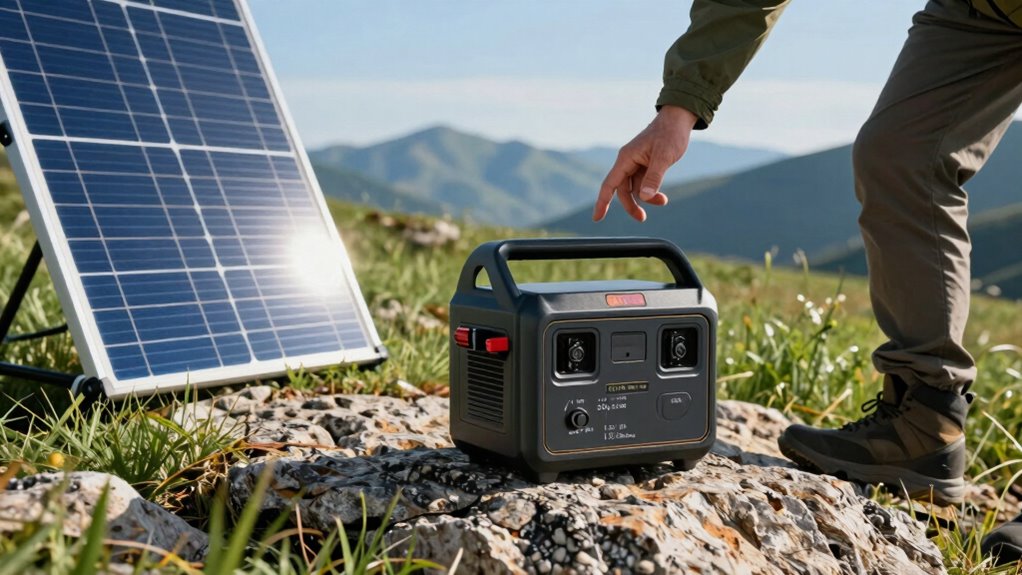
When choosing a solar generator, understanding its weight is essential because it directly impacts portability and usability. You’ll want to contemplate how often you’ll be moving the unit and what kind of tasks you’ll be using it for. Heavier models tend to have larger battery capacities, which means longer-lasting power and more outlets, but they can also be more challenging to carry around. If you plan to use your solar generator for camping, tailgating, or emergency situations where mobility matters, you’ll need to strike a balance between power and portability. Considering the power needs of your devices can help you select the right balance between capacity and weight. Battery capacity plays a significant role here. Generally, the larger the battery capacity, the heavier the generator. A high-capacity unit might weigh 50 pounds or more, making it less convenient to transport if you’re frequently on the move. Conversely, smaller, lightweight models with lower battery capacities are easier to carry but may not provide enough power for long-term or high-demand use. You should evaluate your typical power needs and choose a model that offers enough capacity without becoming a burden to transport. For example, if you’re only powering small devices or charging phones, a lightweight, lower-capacity generator might suffice. But if you need to run a mini-fridge or power tools for extended periods, investing in a heavier, higher-capacity model could be worthwhile. It’s also important to consider battery technology to ensure durability and efficiency over time.
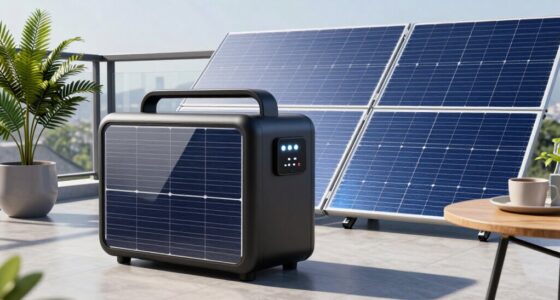
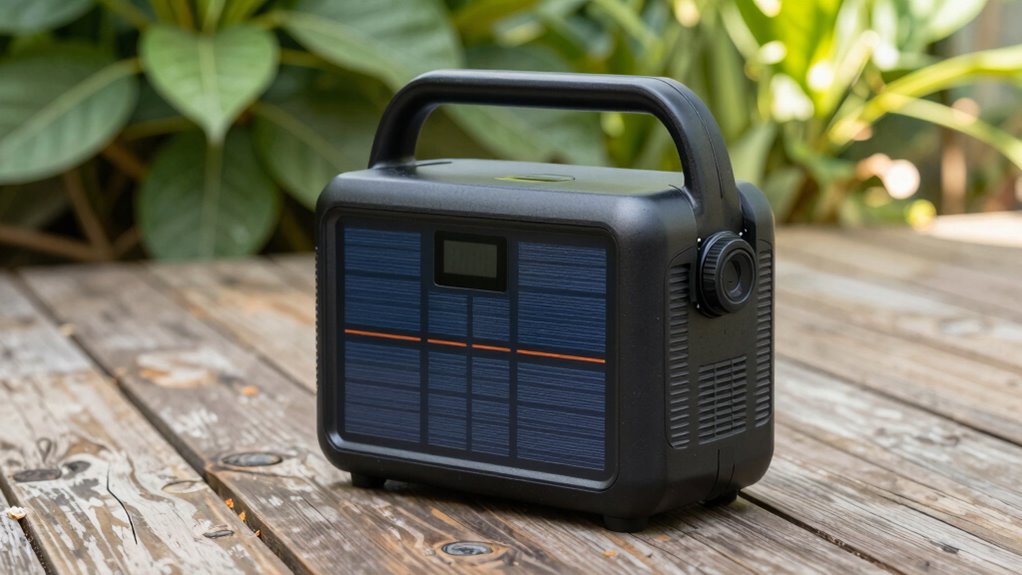
Portability considerations go beyond just weight. Think about how you’ll carry the generator—does it have handles, wheels, or a carrying case? These features can make a significant difference in how manageable the unit is, especially if you’ll be moving it over uneven terrain or long distances. If you’re often on the go, opting for a compact and lightweight design can save you effort and reduce strain. However, if portability is less of a concern, you might prioritize larger battery capacity and overall power output, accepting the extra weight. Ultimately, you need to think about your specific needs and how often you’ll be transporting the generator. If you plan to leave it stationary most of the time, weight may not be as critical. But if you’re constantly on the move, prioritize models that balance battery capacity with portability features. By contemplating both the weight and the battery capacity, you ensure your solar generator fits seamlessly into your lifestyle, providing reliable power without becoming a cumbersome burden.
Products Worth Considering

Bose TV Speaker Compact Soundbar with Bluetooth and HDMI-ARC, Black

LG StanbyME 2 Max 32-Inch 4K Portable Smart Touchscreen TV

Bose TV Speaker (2nd Gen) Compact Soundbar with Bluetooth and HDMI Connectivity, Black
As an affiliate, we earn on qualifying purchases.
Frequently Asked Questions
How Does Weight Affect Solar Generator Portability?
Weight directly impacts your solar generator’s portability, making it easier or harder to carry around. Lighter units, often with smaller battery capacity, are perfect for outdoor adventures, while heavier models with larger solar panels and battery capacity suit stationary use. Consider how often you’ll move the generator; if portability matters, choose a lightweight solar panel with sufficient capacity for your needs.
Is Heavier Always Better for Power Capacity?
Heavier solar generators aren’t always better for power capacity because battery chemistry impacts efficiency and weight. Lithium-ion batteries, for example, offer high capacity with less weight, while lead-acid batteries are heavier but more affordable. Also, consider noise levels; larger units might be noisier due to bigger fans or components. So, prioritize your needs—more capacity doesn’t necessarily mean more portability or quieter operation.
Can Lightweight Solar Generators Handle High Energy Demands?
Don’t expect lightweight solar generators to handle high energy demands like a bulky, old-fashioned steam engine. Modern battery chemistry, such as lithium-ion, allows lightweight units to store substantial power, but their capacity still depends on solar panel efficiency. If you need high energy output, opt for a generator with advanced battery chemistry and efficient solar panels, ensuring it can meet your demands without weighing you down.
How Does Weight Impact Installation Options?
Weight impacts your installation options considerably. Heavier solar generators may require sturdy support and dedicated storage considerations, making setup more complex. On the other hand, lighter units are easier to transport and set up, reducing transportation challenges. When choosing, think about how often you’ll move it and where you’ll store it. Opt for a size that balances your power needs with manageable weight for smoother installation and storage.
Are Heavier Models More Durable or Longer-Lasting?
Heavier models are like sturdy oak trees—built to last longer and withstand storms. They typically feature thicker batteries and rugged materials, boosting battery lifespan and material durability. This means your solar generator can endure more wear and tear over time, giving you peace of mind during extended use. While weight might be a hurdle to carry, it’s often a sign of a durable, long-lasting device ready to serve through many seasons.
Conclusion
Think of choosing a solar generator like picking a trusty steed — lighter models are nimble, perfect for quick adventures, while heavier ones carry more power but demand a steadier hand. Weigh your needs carefully, balancing portability with capacity. Remember, the right generator is your reliable partner on the journey, not a burden that drags you down. With the right weight in your pack, you’ll stride confidently into every adventure, ready to harness the sun’s gift.