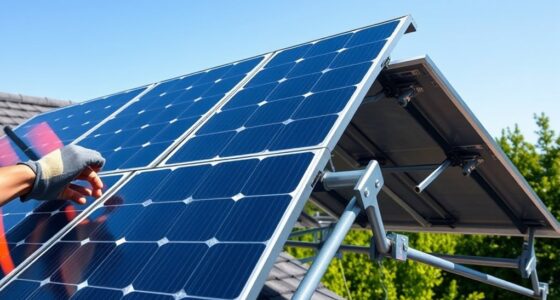
To use a watt meter for a better solar setup, plug your devices into the meter and connect it to the outlet. Monitor the real-time wattage and record the data over different times and devices. This helps you understand actual energy use, so you can size your solar panels, batteries, and inverter correctly. By analyzing this information, you’ll avoid over or underestimating needs, ensuring a more efficient system, and there’s more to discover if you keep exploring.
Key Takeaways
- Measure the real-time power consumption of each appliance to accurately size your solar panel array.
- Record cumulative energy usage over time to estimate your total daily energy needs.
- Identify high-usage or inefficient devices to optimize your system and reduce overall load.
- Use peak wattage data to select an inverter with adequate surge capacity for reliable operation.
- Analyze consumption patterns to determine appropriate battery capacity and improve storage efficiency.

If you’re looking to optimize your solar setup, understanding how much power your devices use is essential. Using a watt meter allows you to measure the actual energy consumption of your appliances, giving you a clear picture of your system’s requirements. When you measure device power usage, you can better evaluate your battery efficiency—how effectively your batteries store and supply energy. Knowing the wattage draw of each device helps you determine how large your battery bank needs to be to meet your daily energy needs without overloading or underutilizing your storage. It also influences inverter sizing, which is critical for ensuring your system can handle the peak power loads without failure. An undersized inverter might trip or damage your equipment, while an oversized inverter can be an unnecessary expense, so precise measurements are key. Additionally, understanding your system’s power factor can help optimize overall energy efficiency and reduce losses, especially since biodiversity plays a role in sustainable backyard design.
Using a watt meter is straightforward: you plug the device into the meter, then connect the meter to the power outlet. The display shows real-time wattage, and some models also record cumulative energy consumption over time. By taking measurements across different devices and at various times of day, you gather data that helps you plan your system more accurately. For example, if a particular appliance draws significantly more power than anticipated, you might need to adjust your solar panel array or battery capacity to ensure consistent operation. Conversely, if some devices consume less energy than expected, you may be able to downsize certain components, saving money. Incorporating accurate measurements can also help identify any faulty or inefficient devices that may be wasting energy, improving your overall system performance.
Understanding your devices’ power consumption also impacts how you configure your inverter. If your peak loads are higher than your inverter’s capacity, you’ll experience interruptions or potential damage. By measuring the maximum wattage of your appliances, you can select an inverter with a suitable surge capacity, ensuring smooth operation. Additionally, these measurements inform your calculations for battery efficiency; knowing average and peak consumption helps you estimate how long your batteries can supply power during cloudy days or nighttime. This way, you avoid overestimating your storage needs, which can lead to unnecessary costs, or underestimating, which risks energy shortages.
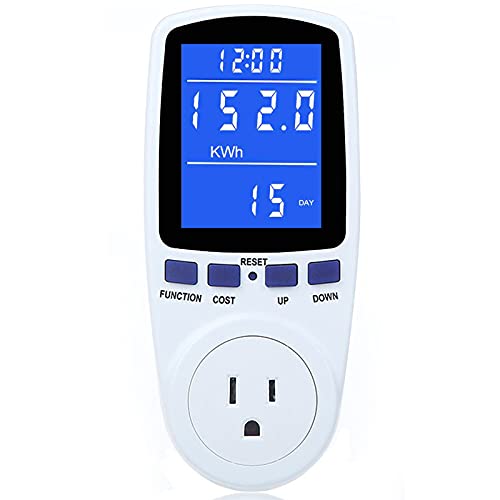
Upgraded Watt Power Meter Plug Home Electrical Usage Monitor Consumption, Energy Voltage Amps Kill Tester with Backlight, Overload Protection, 7 Modes Display
Various Monitoring Parameters: The power meter plug can monitor the power (W), energy (kWh), volts, amps, hertz, power…
As an affiliate, we earn on qualifying purchases.
As an affiliate, we earn on qualifying purchases.
Frequently Asked Questions
Can a Watt Meter Measure Solar Panel Efficiency Directly?
A watt meter doesn’t directly measure solar panel efficiency, but it helps you assess performance. You can use it to check solar panel calibration and see how much power your panels produce under different conditions. Make sure inverter compatibility so the watt meter accurately reads the output. By comparing the watt meter readings with your panel’s rated capacity, you get a practical idea of efficiency, aiding in optimizing your solar setup.
How Often Should I Use a Watt Meter During Setup?
You should use a watt meter frequently during setup—initially, to verify battery capacity, then to check inverter compatibility, and later, to monitor ongoing system performance. Regular measurements help identify inefficiencies, guarantee your components work harmoniously, and optimize energy output. By consistently testing, you paint a clear picture of your solar system’s health, making adjustments easier and maximizing your system’s efficiency and longevity.
Is a Watt Meter Necessary for Small-Scale Solar Projects?
A watt meter isn’t strictly necessary for small-scale solar projects, but it can be very helpful for battery monitoring and guaranteeing inverter compatibility. Using a watt meter allows you to measure real-time power output, identify inefficiencies, and optimize your setup. It helps prevent overloading your inverter and ensures your batteries are charged effectively. So, while optional, investing in a watt meter can improve your system’s performance and longevity.
Can Watt Meters Track Energy Output Over Time?
Yes, watt meters can track energy output over time, acting like a heartbeat monitor for your solar system. They give you real-time data on energy consumption and power monitoring, helping you understand how your system performs day-to-day. By recording this data, you can identify trends, optimize efficiency, and plan upgrades, making your solar setup as reliable as a trusted compass guiding your energy journey.
Are There Different Types of Watt Meters for Solar Applications?
Yes, there are different types of watt meters for solar applications, including models designed for battery testing and monitoring power fluctuation. These specialized meters help you accurately measure energy output, identify inefficiencies, and guarantee your system functions efficiently. By choosing the right watt meter, you can better track how your solar setup handles battery performance and respond to power fluctuations effectively, improving overall system reliability.
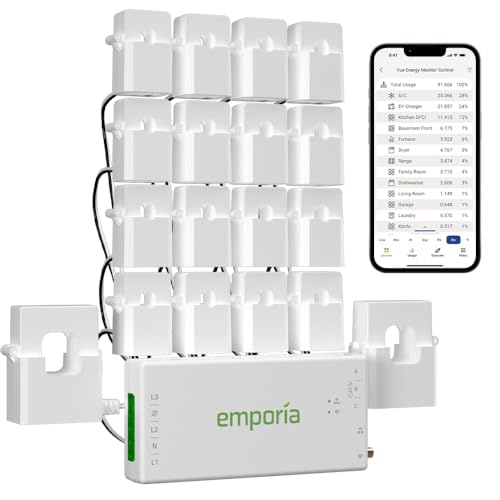
Emporia Vue 3 Home Energy Monitor – Smart Home Automation Module and Real Time Electricity Usage Monitor, Power Consumption Meter, Solar and Net Metering for UL Certified Safe Energy Monitoring
SAFETY YOU CAN TRUST WITH UL CERTIFICATION: With Emporia Energy, your home energy monitoring is safe, reliable, and…
As an affiliate, we earn on qualifying purchases.
As an affiliate, we earn on qualifying purchases.
Conclusion
By mastering your watt meter, you open the secret to a brighter, more efficient solar future. Like a seasoned captain steering through uncharted waters, you gain the insight to optimize your setup and avoid costly mistakes. Remember, every watt counted is a step toward independence and sustainability. With this tool in hand, you become the architect of your own energy destiny—charting a course where sunlight meets smart, deliberate choices.

KKnoon 150W 20A Adjustable Constant Current Electronic Load 2.4inch TFT Color Display 4 Working Modes USB Lithium Battery Capacity Monitor Tester Discharge Meter
✔️This product is a direct current CNC electronic load, with a maximum power of 150W and a maximum…
As an affiliate, we earn on qualifying purchases.
As an affiliate, we earn on qualifying purchases.
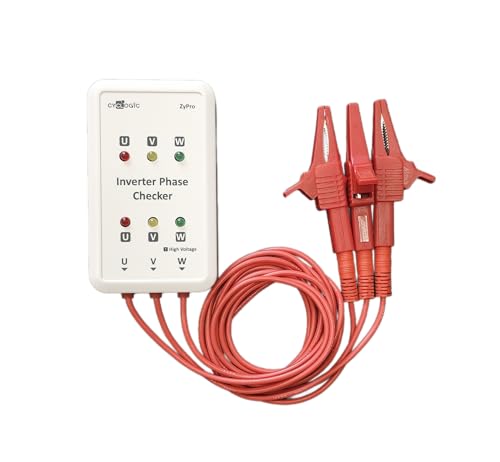
Cyclogic Inverter Phase Checker CL-MC02B 3-Phase Tester HVAC Tool for Inverter or Compressor Problem Diagnosis
ACCURATE TESTER: Instantly analyses compressor or inverter fault. 3-phase tester identifies three-phase sequence.
As an affiliate, we earn on qualifying purchases.
As an affiliate, we earn on qualifying purchases.