
This guide provides clear instructions to build a solar-powered laptop charger. It is designed for individuals with basic electronics knowledge and some DIY experience. The goal is to produce a functioning charger that can reliably power or charge a laptop using solar energy, suitable for outdoor or off-grid use. Follow these steps carefully to ensure safety and effectiveness.

SOARAISE Solar Charger Power Bank – 48000mAh Wireless Portable Charger with 4 Solar Panels, PD QC 3.0 Fast Charging, Built-in Cab…
- ✔ Capacity: 48000mAh
- ✔ Solar Panels: 4 high-efficiency panels
- ✔ Ports: 2 USB-A, 1 USB-C (input/output)

Takki Solar Generator 120W Peak Portable Power Station with 21W Solar Panel, 88.8Wh Battery, AC Outlet for Camping and Emergency
- ✔ Battery Capacity: 88.8Wh
- ✔ Peak Power: 120W
- ✔ Weight: 2.29 lbs
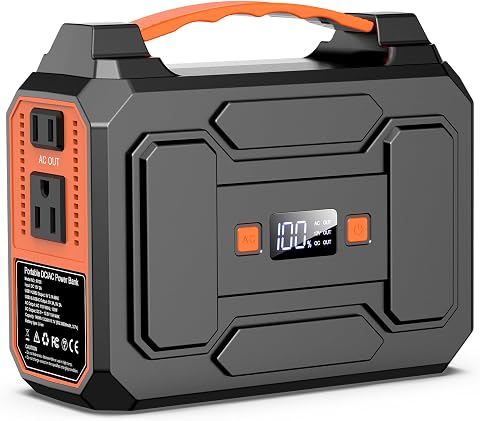
Apowking Portable Power Station 146Wh 200W Peak with AC Outlet and Solar Charging
- ✔ Capacity: 146Wh / 39600mAh
- ✔ Peak Power: 200W
- ✔ Rated Power: 100W
Difficulty: Intermediate | Time: 2-4 hours
What You’ll Need
Tools & Materials:
- Multimeter
- Soldering iron and solder
- Wire strippers
- Screwdriver set
- Heat shrink tubing or electrical tape
Knowledge:
- Basic understanding of electrical circuits
- Ability to solder and handle electronic components
- Knowledge of voltage and current ratings
Ensure the solar panel’s voltage and wattage are sufficient for your laptop’s power needs. Use a multimeter to verify component ratings before wiring. Allocate approximately 2-4 hours for assembly and testing.

SOARAISE Solar Charger Power Bank - 48000mAh Wireless Portable Charger Built-in 4 Cables and 4 Solar Panels, PD QC 3.0 Fast Charging USB C Battery Pack with Flashlight for Camping Travel
Upgraded High-Efficiency 4 Solar Panels: Equipped with 4 premium solar panels, this solar panel charger charges up to...
As an affiliate, we earn on qualifying purchases.
SOARAISE Solar Charger Power Bank – 48000mAh Wireless Portable Charger with 4 Solar Panels, PD QC 3.0 Fast Charging, Built-in Cab…
The SOARAISE Solar Charger Power Bank is distinguished by its high-capacity 48,000mAh battery, making it suitable for prolonged outdoor excursions. Its four solar panels maximize sunlight capture, allowing faster solar recharging—though it remains dependent on consistent sunlight for optimal performance. The support for multiple devices through built-in cables, wireless charging, and fast-charging ports makes it highly versatile. Compared to smaller power banks, it offers extended power but is heavier and bulkier, which could be a drawback for those prioritizing portability. Its limited water or dust resistance also limits outdoor durability.
Pros:
- High-capacity 48000mAh battery for extended use
- Efficient 4 solar panels for faster outdoor recharging
- Supports multiple devices simultaneously via cables and wireless charging
- Fast charging ports for quick device recharge
Cons:
- Heavy and bulky for portable use
- Dependent on sunlight for solar charging efficiency
- Limited water or dust resistance
Best for: Long-term camping trips or remote outdoor work where capacity outweighs portability
Not ideal for: Lightweight backpackers or those needing ultra-compact chargers
Bottom line: Ideal for those prioritizing maximum capacity and multi-device support in outdoor scenarios, despite its bulk.
“Ideal for those prioritizing maximum capacity and multi-device support in outdoor scenarios, despite its bulk.”

Takki Solar Generator 120W Peak Portable Power Station with 21W Solar Panel 88.8Wh Battery Power Bank with 110V AC Outlet for Camping RV Tent Home Outages Emergency
SOLAR GENERATOR WITH PANELS INCLUDED: Weighing only 2.29 lbs, this 88.8Wh power station fits in your backpack, the...
As an affiliate, we earn on qualifying purchases.
Takki Solar Generator 120W Peak Portable Power Station with 21W Solar Panel, 88.8Wh Battery, AC Outlet for Camping and Emergency
The Takki Solar Generator 120W delivers a practical and lightweight solution, weighing just over 2 pounds. Its 88.8Wh battery is suitable for powering small devices and charging smartphones multiple times. The foldable 21W solar panel makes it especially easy to recharge off-grid, though its limited wattage means larger appliances or laptops with high power demands may not run effectively. Its multiple charging ports, including AC, USB, and DC, make it versatile for short-term outdoor needs. The main tradeoff is its limited capacity and wattage, which restricts use to low-power devices and short durations.
Pros:
- Compact and lightweight for portability
- Multiple charging options including AC, USB, and DC
- Includes foldable solar panel for off-grid recharging
- Built-in LED flashlight with SOS mode
Cons:
- Limited to devices under 80W, not suitable for large appliances
- Charging time from solar depends on sunlight conditions
- Cannot power devices while charging
Best for: Campers or outdoor enthusiasts needing a lightweight backup for small devices
Not ideal for: Power users who want to run laptops or high-wattage appliances for extended periods
Bottom line: Perfect for lightweight, emergency, and short-term outdoor power, but not suited for high-power devices or long-term use.
“Perfect for lightweight, emergency, and short-term outdoor power, but not suited for high-power devices or long-term use.”

Apowking Portable Power Station Bank 146Wh 200W Peak(100W Rated), Solar Powered Power Bank with AC Outlet 110V for Camping, Solar Charger Power Bank Battery Pack 39600mAh for Home Outdoor Emergency
PORTABLE POWER STATION WITH LARGE CAPACITY: This portable power station solar power bank with AC outlet 146Wh/39600mAh is...
As an affiliate, we earn on qualifying purchases.
Apowking Portable Power Station 146Wh 200W Peak with AC Outlet and Solar Charging
The Apowking Portable Power Station offers a balanced mix of capacity and versatility, with 146Wh and a peak 200W output. Its multiple outlets, including AC, USB, and DC, make it suitable for a range of devices, from laptops to small appliances. Its lightweight design (around 3.3 pounds) enhances portability, and the built-in LED flashlight with emergency modes adds safety. However, it does not include a solar panel, requiring an additional purchase to utilize solar recharge. Its battery capacity may fall short for high-powered devices or extended use, but it’s a solid all-around option for outdoor activities or emergencies.
Pros:
- Lightweight and portable for outdoor use
- Multiple charging options including solar, AC, and car
- Built-in LED flashlight with emergency modes
- Safe with advanced battery management system
Cons:
- Solar panel not included, adds extra cost
- Limited to 100W rated output, less suitable for high-power devices
- Battery capacity may be insufficient for high-demand devices
Best for: Outdoor users seeking a versatile, portable power hub with multiple outlet types
Not ideal for: Users wanting an all-in-one solar kit, as solar panel must be bought separately
Bottom line: A versatile and portable power station ideal for outdoor activities, but requires additional investment for solar panels and has limited high-power capabilities.
“A versatile and portable power station ideal for outdoor activities, but requires additional investment for solar panels and has limited high-power capabilities.”
As an Amazon Associate we earn from qualifying purchases.
Before You Start
Confirm all parts are available and in working condition. Work in a well-ventilated area, especially when soldering. Disconnect power sources when wiring to avoid shocks. Be cautious with soldering iron and sharp tools.
Step-by-Step Instructions
Step 1: Connect the solar panel to the charge controller
Using appropriate wires, connect the positive (+) wire from the solar panel to the positive terminal on the charge controller. Repeat for the negative (–) wire. Tighten all connections securely.
Tip: Ensure the solar panel is not in direct sunlight during wiring to prevent shocks. Double-check polarity before connecting.
Check: Use a multimeter to verify that the charge controller receives voltage from the solar panel, showing a reading consistent with panel output.
Step 2: Connect the battery to the charge controller
Attach the positive (+) terminal of the battery to the positive terminal on the charge controller. Repeat for the negative (–) terminal. Secure connections firmly.
Tip: Observe correct polarity to avoid damaging components. Use a fuse inline on the positive wire for safety.
Check: Use a multimeter to verify battery voltage at the charge controller output; it should match the battery’s voltage.
Step 3: Wire the DC-DC converter to the battery
Connect the input terminals of the step-up converter to the battery terminals, observing polarity. Secure connections with solder or connectors.
Tip: Set the converter’s output voltage to match your laptop’s charging voltage before connecting to the laptop, to prevent damage.
Check: Use the multimeter to measure the converter’s output voltage; it should match your laptop’s required charging voltage.
Step 4: Connect the converter output to the laptop charging port
Attach the converter’s output wires to the laptop charging cable or connector, ensuring correct polarity. Use connectors or solder as needed and insulate all connections with heat shrink tubing or electrical tape.
Tip: Verify the voltage and polarity before connecting to the laptop to avoid damage.
Check: Plug the connector into the laptop and observe if the charging indicator lights or if the device begins charging.
Step 5: Test the entire setup
Place the solar panel in direct sunlight. Connect all components, and power on the system. Check if the laptop is charging and monitor voltage and current with the multimeter.
Tip: Monitor for overheating or instability. Adjust the panel angle for maximum sunlight exposure.
Check: Laptop battery percentage increases steadily, and multimeter readings are within expected ranges for voltage and current.
Common Mistakes to Avoid
- Connecting components with incorrect polarity — Double-check all positive and negative connections before powering on to prevent damage.
- Using a solar panel with insufficient wattage — Select a panel rated at least 10-20W for reliable charging; verify output with a multimeter in sunlight.
- Not setting the converter voltage properly — Adjust the DC-DC converter to the correct voltage before connecting to the laptop to avoid damaging the device.
Troubleshooting
Problem: Laptop not charging despite system being connected
Solution: Check all connections for proper polarity, verify voltage output at the converter, and ensure the solar panel generates sufficient power.
Problem: System components overheating
Solution: Reduce exposure to direct sunlight temporarily, improve ventilation, and verify components are rated for the expected current.
Problem: Battery not charging or draining quickly
Solution: Test battery health, confirm correct wiring, and verify charge controller settings. Replace battery if it shows signs of failure.
What Success Looks Like
The setup charges the laptop effectively, with the battery indicator showing charging or power delivery. The system remains stable under sunlight, and multimeter readings confirm appropriate voltage and current levels.
Next Steps
Regularly monitor system performance, clean solar panel surfaces to maximize efficiency, and replace components as needed. For longer trips, consider adding a larger battery or more solar panels. Periodically check wiring and connections for wear or corrosion.
Frequently Asked Questions
Can I use any solar panel for this project?
Use a panel rated at least 10W-20W with an output voltage around 18V for compatibility. Higher wattage panels can charge faster but require appropriate components to handle increased power.
What if my laptop charges slowly or not at all?
Ensure the solar panel receives direct sunlight, verify the voltage output at each stage, and confirm the converter is set correctly. Insufficient sunlight or incorrect wiring can reduce charging effectiveness.
Is a MPPT charge controller necessary?
While not mandatory, MPPT controllers improve efficiency by better matching the panel’s voltage and current, especially in variable sunlight conditions. It can lead to faster charging and better system performance.
How long will the system run on a full battery?
This depends on the battery capacity and the laptop’s power draw. Typically, a 12V 10Ah battery can power a laptop drawing 20W for about 5 hours under ideal conditions.