TL;DR
Solar-powered laptop chargers convert sunlight into electricity, offering a portable, eco-friendly way to keep your device charged outdoors or during emergencies. Recent tech improvements boost efficiency and capacity, making them more practical for everyday use.
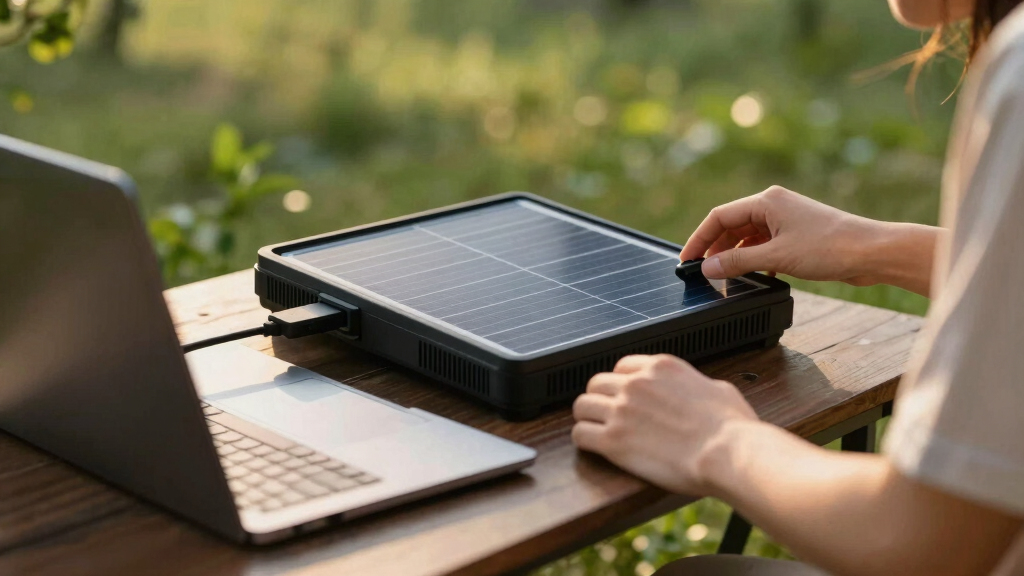
Imagine working on your laptop in a remote mountain cabin or during a camping trip, and suddenly, your battery dies. Instead of hunting for an outlet, you pull out a thin, foldable solar panel. It’s not just a scene from a survival show — it’s the reality of today’s solar-powered laptop chargers. These devices harness the sun’s abundant energy, making off-grid work and outdoor adventures more feasible than ever.
If you’ve ever wondered whether solar chargers are just a gimmick or a genuine solution, this guide will walk you through what they are, how they’ve improved recently, and what to consider before buying one. Whether you’re a digital nomad, a hiker, or just eco-curious, understanding these chargers can help you stay powered without relying on traditional electricity.
High-efficiency solar panels now convert sunlight into usable power with 15-23% efficiency, making outdoor charging more reliable.
Choosing a solar charger depends on your needs: speed, portability, and capacity—consider wattage, size, and port options carefully.
A built-in battery can store excess energy, ensuring your devices stay powered during cloudy weather or at night.
Position your panel in direct sunlight at a 45-degree angle, keep it clean, and avoid shading for maximum output.
While solar chargers are eco-friendly and practical outdoors, expect slower charging indoors or in overcast weather.
What Makes a Solar-Powered Laptop Charger Work So Well Now?
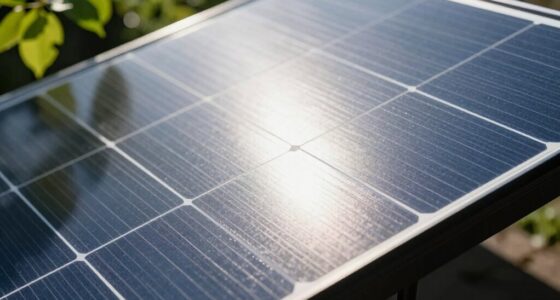
Today’s solar chargers are a far cry from bulky, inefficient panels of the past. They now feature high-efficiency monocrystalline solar cells that convert sunlight into electricity with 15-23% efficiency. This increase in efficiency is crucial because it directly impacts how quickly and reliably you can charge your devices, especially in less-than-ideal conditions like cloudy weather or low sunlight angles. Higher efficiency means less surface area needed and faster charging times, making solar chargers more practical for real-world use.
For example, a recent model with a 20W output can fully charge a typical 50Wh laptop battery in about 3-4 hours in bright sunlight. However, the actual charging time can vary depending on factors like the angle of the panel, cloud cover, and the device’s power demands. Many chargers also include built-in batteries—think of it as a portable energy bank—so you can store power during peak sunlight hours and use it later, which is especially important when sunlight is inconsistent. This tradeoff between immediate charging and stored energy offers flexibility but also adds weight and cost, so choosing the right balance depends on your specific needs and travel plans.
These devices are designed to be lightweight and foldable. You might carry a sleek, fabric-covered panel that folds into a compact size, perfect for backpacks or outdoor gear. Picture a 2-pound panel with a textured, weather-resistant surface, ready to soak up the sun during your outdoor adventures. The physical design aims to maximize portability without sacrificing too much surface area, but this often involves a tradeoff between size and power output. Smaller, more portable panels may charge your devices more slowly, so understanding your usage patterns helps in selecting a model that balances efficiency and convenience.

Apowking Portable Power Station Bank 146Wh 200W Peak(100W Rated), Solar Powered Power Bank with AC Outlet 110V for Camping, Solar Charger Power Bank Battery Pack 39600mAh for Home Outdoor Emergency
PORTABLE POWER STATION WITH LARGE CAPACITY: This portable power station solar power bank with AC outlet 146Wh/39600mAh is…
As an affiliate, we earn on qualifying purchases.
As an affiliate, we earn on qualifying purchases.
How to Pick the Best Solar Charger for Your Laptop
- Check compatibility: Make sure your charger supports your laptop’s voltage and current needs. Using an incompatible charger can damage your device or result in inefficient charging. Universal chargers offer versatility but may require additional adapters, which can introduce complexity or voltage mismatches. Carefully review your laptop’s power specifications to avoid potential issues.
- Assess power output: Look for chargers with at least 20W-50W for faster charging. Higher wattage chargers can deliver power more quickly, reducing the time your device spends tethered to a power source. However, higher wattage often comes with increased size and weight, so weigh the benefits against portability. Also, consider whether your device supports fast charging protocols like USB Power Delivery (USB-PD), which can significantly improve charging speed.
- Consider portability: Decide if you need a foldable, lightweight panel or a larger, more powerful station. For backpacking or outdoor excursions, a compact, lightweight model is preferable, but it may take longer to charge your device. For semi-permanent setups or car camping, a larger unit with higher capacity and multiple ports might be more practical. Think about your typical environment and how much space you can allocate for gear.
- Battery capacity: Choose a model with enough storage—20,000mAh or more—to fully charge your laptop once or twice. Larger capacity batteries can be heavier and more expensive, but they provide greater flexibility and peace of mind, especially during prolonged trips or overcast days. Evaluate your typical usage patterns to determine the right balance between capacity and portability.
- Additional features: Look for multiple ports (USB-A, USB-C), LED indicators showing sunlight quality, and adjustable stands for optimal sun exposure. Some models include smart charging technology that detects device needs, and weather-resistant features that protect against rain or dust. These extras enhance usability but may add to the cost, so consider which features are essential for your activities.
For example, a traveler might pick a 25W foldable panel with a 20,000mAh battery, USB-C PD support, and a sturdy stand to angle towards the sun. This setup can charge their ultrabook during a desert hike or a remote work session in the woods. The key is understanding your device’s power requirements and travel conditions to select a charger that offers the best balance of speed, portability, and reliability.

FlexSolar 60W Portable Solar Panels Chargers with PD3.0 USB-C,QC3.0 USB-A and DC Outputs Foldable IP67 Waterproof Power Emergency Camping for Small Power Station Generator,Phones, Power Banks, Tablets
Featuring versatile high-speed charging ports—QC3.0 (18W max) USB-A, PD3.0 (40W max) USB-C, and DC (60W max at 20V-28V)—this…
As an affiliate, we earn on qualifying purchases.
As an affiliate, we earn on qualifying purchases.
Compare the Top Features of Popular Solar Chargers
| Feature | Model A | Model B | Model C |
|---|---|---|---|
| Power Output | 50W | 20W | 100W |
| Battery Capacity | 20,000mAh | 10,000mAh | 30,000mAh |
| Weight | 2.5 lbs | 1.2 lbs | 4 lbs |
| Port Options | USB-C PD, USB-A | USB-A only | USB-C PD, USB-A, DC out |
| Price Range | $150 | $70 | $250 |
Choosing the right model depends on your priorities—speed, portability, or capacity. For quick, on-the-go charging, Model C with 100W might be best. For lightweight travel, Model B is a solid option, while Model A offers a balanced mix of features. Remember, the best choice aligns with your specific needs and how you plan to use the charger in real-world scenarios. Higher power output can reduce charging times but may increase weight and cost, so weigh these tradeoffs carefully to find the optimal fit for your outdoor or travel lifestyle.
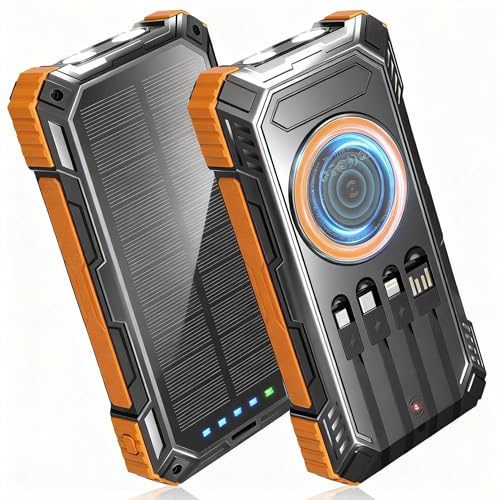
Solar Power Bank,49800mAh Wireless Portable Phone Charger with Built-in 4 Cables,22.5W Fast Charging External Battery Pack PD 3.0 USB-C In/Output for iPhone,iPad,Android,Perfect for Camping, Hiking
[22.5W Fast Charging Portable Charger]: This portable phone charger combines the most advanced PD 3.0 and QC 3.0…
As an affiliate, we earn on qualifying purchases.
As an affiliate, we earn on qualifying purchases.
The Real-World Benefits of Using a Solar Charger
Imagine camping in the Rockies, your laptop running out of juice as you plan your next day’s hike. You pull out your foldable solar panel, lay it flat on a rock, and within hours, your device is ready to go again. This scenario highlights how solar chargers can offer independence from traditional power sources, but it also underscores their limitations. The benefit is clear: quiet, eco-friendly power that doesn’t rely on noisy generators or access to electrical outlets. Yet, the effectiveness depends heavily on sunlight availability and the size of the panel. Larger panels with higher wattage generate more power but are bulkier, which can be a tradeoff for portability.
Or picture a remote work setup on a beach, where sunlight is your only power source. A solar charger with a 20W panel and a 15,000mAh battery can keep your laptop and phone alive during long days outdoors. This setup allows for extended productivity without tethering to grid power, emphasizing the importance of capacity and efficiency. The ability to recharge over multiple days and in various weather conditions means you can plan longer trips or outdoor work sessions with confidence. The key takeaway is that solar chargers empower outdoor enthusiasts and remote workers alike, but understanding their limitations—like slower charging times in cloudy weather—is crucial for effective planning.

Lightweight 10W Solar Panel Charging USB Port High Efficiency Module for Outdoor Activity & Mobile Charging High Efficiency Panel
Ideal for Hiking, campers, and travel, this solar phone Charging is perfect for anyone needing Stable power while…
As an affiliate, we earn on qualifying purchases.
As an affiliate, we earn on qualifying purchases.
Keep in Mind: Limitations and How to Maximize Your Solar Charging
Solar chargers are fantastic, but they aren’t magic. They depend on the sun’s presence, which varies throughout the day and across weather conditions. Under a thick canopy or indoors near a window, their efficiency drops sharply because the amount of sunlight reaching the panel is significantly reduced. On cloudy days, expect a slower charge or shorter device top-ups, which can be frustrating if you’re relying on solar power as your primary source. However, understanding these limitations allows you to plan better and mitigate their impact.
To get the best out of your setup:
- Place the panel in direct sunlight, ideally at a 45-degree angle, to maximize exposure. Small adjustments in angle can significantly increase output, especially during mornings or late afternoons.
- Clean the surface regularly—dust, dirt, or bird droppings block sunlight and reduce efficiency. A simple wipe with a damp cloth can maintain optimal performance.
- Avoid shading the panel during peak hours, as even partial shading can drastically reduce power generation. This is especially important when multiple devices are connected or when the panel is part of a larger array.
- Use a model with a built-in battery to store excess energy. This stored power can be used during overcast conditions or at night, providing a buffer against sunlight variability. Think of it as a backup that ensures your devices stay powered even when the sun isn’t shining brightly.
For example, during a rainstorm, your solar panel might only produce a fraction of its usual power. Planning ahead by charging in the morning or on clear days can help keep your devices ready for any situation. Recognizing and adapting to these limitations ensures you get the most out of your solar charger, turning a potential weakness into a manageable aspect of your outdoor power strategy.
Frequently Asked Questions
Are solar-powered laptop chargers reliable enough for daily use?
They work best outdoors or in bright sunlight, making them ideal for camping or remote work. While they may not match the speed of traditional chargers indoors, recent improvements have made them more dependable for occasional or emergency use. The key is understanding their limitations—such as slower charging times during cloudy weather or indoors—and planning your power needs accordingly. With proper use, they can serve as a valuable backup or supplementary power source, especially when grid access is unavailable or unreliable.
How much do solar-powered laptop chargers cost?
Prices range from about $50 for basic models to over $300 for high-capacity, feature-rich options. The investment reflects differences in size, capacity, and additional features like multiple ports or rugged design. Consider your typical usage: if you only need occasional outdoor charging, a lower-cost model might suffice. For frequent travelers or outdoor workers, investing in a higher-capacity, more durable unit can save time and frustration, ensuring your devices stay powered during extended trips or unpredictable weather conditions.
Can I use a solar charger indoors?
Yes, but with a caveat. Performance drops significantly without direct sunlight, as panels require ample sunlight to generate meaningful power. Indoors, near windows with sunlight hitting the panel, some charging can occur, but it’s often slow and unreliable. For consistent indoor use, it’s better to use solar chargers as supplementary power sources or in conjunction with other charging methods. Recognizing these limitations helps prevent disappointment and ensures you choose the right device for your environment.
Will a solar charger damage my laptop?
If you select a charger with compatible voltage and current, it’s safe. Using a charger that supplies the correct specifications prevents potential damage or battery issues. Always verify that the output matches your laptop’s requirements, and use proper adapters or cables. Some advanced models include smart charging features that automatically adjust power delivery, further reducing risk. Properly matching your device’s needs with the charger’s capabilities is crucial to maintaining your laptop’s health while enjoying the benefits of solar power.
How long do solar chargers last?
High-quality panels can last 10-25 years with proper care, but batteries are often the first component to degrade. Batteries typically need replacement every 2-5 years, depending on usage and quality. Regular maintenance, such as keeping panels clean and avoiding deep discharges, extends their lifespan. Investing in reputable brands with warranties can also provide peace of mind, ensuring your solar charger remains a reliable power source over many seasons of outdoor adventures.
Conclusion
Solar-powered laptop chargers are no longer just a niche gadget—they’re a practical, eco-conscious way to stay connected in the wild or during emergencies. Their recent tech advances make them more efficient, portable, and affordable than ever.
Think of them as your personal power plants, ready to harness the sun’s energy whenever you need. As outdoor and off-grid lifestyles grow in popularity, these chargers are becoming essential companions for anyone who wants to stay powered without leaving a carbon footprint.