Bypass diodes in solar panels help protect your system by allowing current to flow around shaded, damaged, or overheated cells, preventing drops in efficiency. They guarantee your panels keep producing power even when parts of them aren’t functioning perfectly, reducing hot spots and avoiding damage. These diodes also improve overall safety and durability by managing heat buildup and preventing potential fire hazards. Want to discover how these small components keep your solar system reliable and efficient?
Key Takeaways
- Bypass diodes allow current to skip shaded or damaged cells, maintaining overall panel efficiency.
- They prevent hot spots by redirecting excess heat away from affected areas.
- Bypass diodes protect solar cells from thermal damage and extend panel lifespan.
- They enhance system stability during shading, partial failures, or environmental stressors.
- Bypass diodes reduce fire risks by preventing overheating and dangerous hot spots.

If you’ve ever looked closely at a solar panel, you might notice small components called bypass diodes attached to the cells. These tiny devices play an essential role in maintaining the panel’s overall performance, especially when parts of the panel are shaded or damaged. Without bypass diodes, the efficiency of your solar system could decrease markedly, as shaded cells can act like resistors, blocking current flow and reducing energy output. Bypass diodes help improve efficiency by allowing current to bypass the shaded or faulty sections, guaranteeing that the rest of the panel continues to generate power without interruption. They are indispensable for optimizing performance, particularly in real-world conditions where shading from trees, debris, or dirt is common.
One of the key functions of bypass diodes is heat dissipation. When a cell becomes shaded or damaged, it can generate excess heat, which can damage the cell further and reduce the panel’s lifespan. Bypass diodes help manage this heat by redirecting the current around problematic areas, preventing excessive heat buildup in individual cells. This process not only protects the integrity of the solar cells but also contributes to the longevity of the entire panel. Proper heat dissipation is critical because high temperatures can cause efficiency losses in solar panels, decreasing their energy output. By controlling heat buildup, bypass diodes ensure that your solar system remains efficient even under less-than-ideal conditions. Additionally, bypass diodes are crucial in preventing hot spots**, which are localized areas of intense heat that can lead to panel damage. These hot spots can be exacerbated by environmental factors, making the role of bypass diodes even more vital in harsh conditions. Furthermore, the presence of bypass diodes can improve the overall system stability**, especially during sudden shading events or partial failures.
Bypass diodes manage heat buildup, protecting cells and extending solar panel lifespan.
Furthermore, the reliability of the entire solar power system depends heavily on the performance of these small components, especially in outdoor environments where weather fluctuations are common. The presence of bypass diodes also contributes to the overall durability** of solar panels by reducing mechanical stress caused by thermal expansion and contraction. In addition to improving efficiency and managing heat, bypass diodes also enhance safety. When a shaded or damaged cell creates a bottleneck, it can lead to hot spots that may cause the panel to overheat or, in worst cases, create fire hazards. Bypass diodes mitigate these risks by preventing the buildup of dangerous conditions within the panel. They act as safeguard mechanisms**, allowing current to flow smoothly across the entire array and avoiding potential damage or safety issues. This safety feature is especially important in outdoor installations exposed to varying weather conditions.
In essence, bypass diodes are small but mighty components that keep your solar system running efficiently and safely. They help improve efficiency by allowing the current to bypass underperforming sections, especially when shading occurs. They also assist with heat dissipation, reducing the risk of thermal damage and prolonging the panel’s lifespan. Without these tiny diodes, your solar panels would be far less effective, especially in variable weather or shading conditions. By understanding their purpose, you can better appreciate how these small components contribute profoundly to your solar energy system’s overall performance and durability.
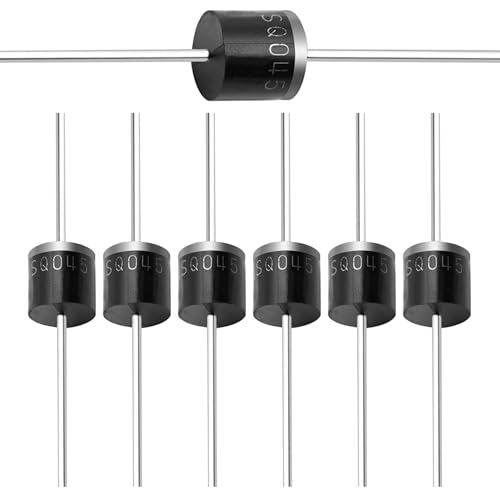
Chanzon 15SQ045 Schottky Diodes 15A 45V R-6 Axial 15 Amp 45 Volt for Solar Cell Panel (Pack of 20 Pieces)
Part Number: 15SQ045 / Forward Current : 15 A / Maxixum Repetitive Peak Reverse Voltage : 45 V
As an affiliate, we earn on qualifying purchases.
As an affiliate, we earn on qualifying purchases.
Frequently Asked Questions
How Do Bypass Diodes Impact Overall Solar Panel Efficiency?
Bypass diodes improve your solar panel’s efficiency by reducing the impact of shading on individual cells. When part of your panel is shaded, these diodes prevent the shaded area from blocking current flow, therefore mitigating shading effects. This efficiency improvement guarantees your system produces more power overall, especially in partially shaded conditions. Without bypass diodes, shading could greatly decrease your solar energy output, making your system less effective.
Can Bypass Diodes Be Added to Existing Solar Panels?
Yes, you can add bypass diodes to existing solar panels, but it involves specific installation procedures. First, you’ll need to access the panel’s internal wiring or contact a professional for proper installation. Keep in mind, cost considerations include parts and labor, which can add up. While adding bypass diodes can improve performance and reduce shading losses, make certain the retrofit is compatible with your panel model to avoid damage.
What Are the Signs of a Faulty Bypass Diode?
When a bypass diode falters, it whispers signs like uneven shading or flickering lights, signaling trouble brewing within. You might notice a sudden drop in power or increased system heat, like a warning bell ringing. To troubleshoot bypass issues, you’ll need to test the diode’s continuity, and if faulty, consider diode replacement. Recognizing these signs early keeps your solar system humming smoothly and prevents bigger problems down the line.
How Long Do Bypass Diodes Typically Last?
Bypass diodes typically last around 10 to 15 years, but their durability can vary based on factors like temperature fluctuations, exposure to harsh weather, and overall diode quality. You should regularly inspect your solar panel system for signs of wear, as these factors influence lifespan. Proper maintenance and choosing high-quality diodes can extend their durability, ensuring your panels operate efficiently over time.
Are Bypass Diodes Necessary in All Types of Solar Panels?
Back in the day, solar panel tech was simpler, but bypass diodes are still essential today. You’ll find they’re necessary in most panels because they help with temperature regulation and minimize shading effects. Without them, shaded or hot spots can cause damage and decrease efficiency. So, regardless of panel type, including bypass diodes guarantees your system runs smoothly, protecting your investment and optimizing energy output.

Replacement for Bypass Kit for Multiple Solar Heater Panels – Use with Game SolarPro Heaters
As an affiliate, we earn on qualifying purchases.
As an affiliate, we earn on qualifying purchases.
Conclusion
Bypass diodes truly protect your solar panels from damage caused by shading or debris, ensuring peak performance. While some might think they only serve a minor role, evidence shows they are essential in preventing hotspots that can degrade panel efficiency over time. Don’t underestimate their importance—trust that these small components play a big role in maintaining your system’s longevity and energy output. Without them, your solar investment could be at greater risk.
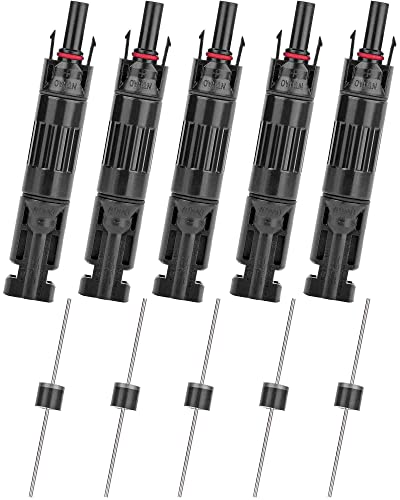
5 PCS PV Solar Panel Connector Male/Female
PPO INSULATION FLAME RETARDANT MATERIAL with excellent aging resistance and UV endurance, can resist severe weather such as…
As an affiliate, we earn on qualifying purchases.
As an affiliate, we earn on qualifying purchases.

LCLCTC Blocking Diode Solar MD 110A with Heat Sink Suitable for 50A, 100A Applications, High Current Rectifier
Efficient Heat Management – About a 0.6V drop under load generates heat; pair with a proper heatsink for…
As an affiliate, we earn on qualifying purchases.
As an affiliate, we earn on qualifying purchases.