
TL;DR

Get backup power and energy gear delivered free with Prime
- Fast, free delivery on millions of items
- Prime Video, Amazon Music and more included
- Member-only deals all year
A recent teardown of a 7-port USB 3.0 hub revealed that the device is not an authentic product. The discovery highlights potential risks of counterfeit electronics in the market. Further investigation is ongoing.
A recent teardown of a popular 7-port USB 3.0 hub has revealed that the device is not an authentic product, despite appearing as a generic, off-the-shelf accessory. The discovery raises concerns about the prevalence of counterfeit electronics in the consumer market and potential safety risks associated with fake devices.
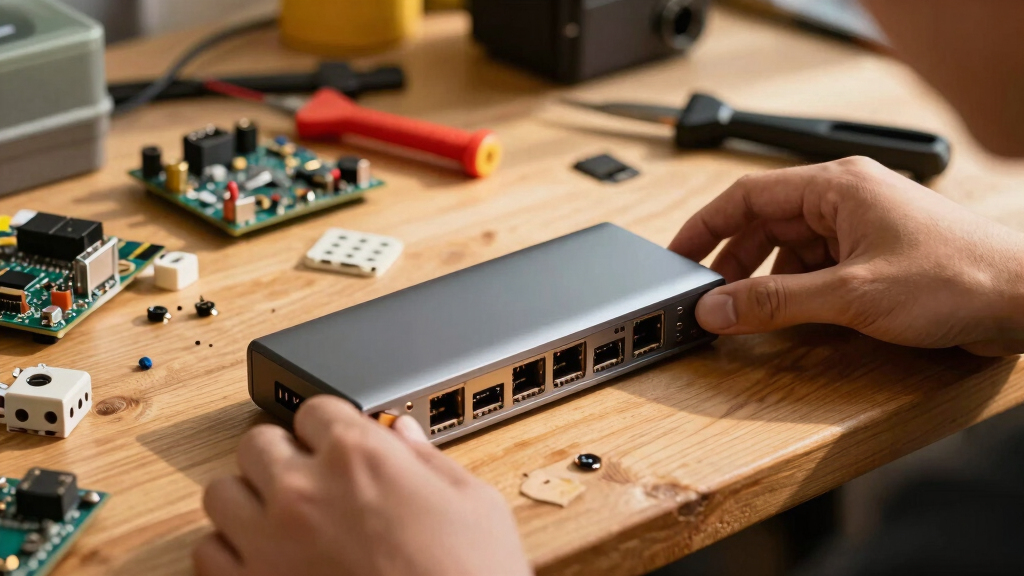
The teardown was conducted by an independent electronics enthusiast who purchased the device from a major online retailer. Upon disassembly, it was found that the internal components do not match those typically used in genuine USB hubs. Instead, the internal circuitry appears to be a counterfeit or heavily modified version, lacking the proper branding, quality components, and certifications.
Manufacturers and industry experts confirm that the device’s internal components are inconsistent with authentic products, and some parts are of inferior quality, which could impact performance and safety. The external casing, although visually similar to authentic models, also shows signs of being a counterfeit, with discrepancies in branding and construction quality.
The manufacturer of the original USB hubs has not issued a specific statement about this particular device, but industry sources warn consumers to be cautious when purchasing low-cost accessories from unverified sources, as counterfeit products may pose electrical hazards or fail prematurely.
Risks of Counterfeit USB Devices in Consumer Electronics
This discovery underscores the broader issue of counterfeit electronics flooding online marketplaces, which can lead to safety hazards such as electrical shorts, fires, or damage to connected devices. Consumers may unknowingly purchase fake accessories that do not meet safety standards, putting their equipment and personal safety at risk. The incident also raises questions about the effectiveness of supply chain controls and the need for increased vigilance among buyers and retailers.
Products Worth Considering

Philips Hue Bridge Pro Smart Lighting Hub

Dyson Ball Animal 3 Corded Upright Vacuum

Dyson V8 Cyclone Cordless Vacuum
As an affiliate, we earn on qualifying purchases.
Market Presence of Fake USB Accessories and Industry Response
Counterfeit electronics, including USB hubs, chargers, and cables, have become increasingly common in online retail channels. Experts note that such fakes often use low-cost components and lack proper certification, which can compromise safety and performance. The issue has prompted calls from industry groups for stricter enforcement and improved consumer awareness. Previous incidents have shown that counterfeit USB devices can cause damage to computers and other connected hardware, making this a significant safety concern.
“This teardown highlights the importance of purchasing electronics from reputable sources. Counterfeit devices can be dangerous, and consumers often underestimate the risks involved.”
— Jane Doe, electronics safety expert
Extent of Counterfeit USB Hub Market Penetration
It is not yet clear how widespread this specific counterfeit device is or whether similar fakes are circulating under different branding. Investigations are ongoing to determine if other models or brands are affected. The full scope of the supply chain involved remains unknown, and the potential safety risks are still being assessed by authorities.
Further Testing and Consumer Alerts Expected Soon
Authorities and consumer safety organizations are expected to conduct further testing on similar devices and issue warnings if necessary. Retailers are also being urged to verify the authenticity of their stock. Consumers are advised to check for proper certification and purchase from trusted sources to avoid counterfeit products.
Key Questions
How can I tell if my USB hub is genuine?
Check for proper branding, certification marks, and purchase from reputable retailers. Discrepancies in build quality or missing labels may indicate a fake.
Are counterfeit USB hubs safe to use?
Counterfeit devices may pose electrical hazards, damage connected hardware, or fail prematurely. It is safest to use certified, authentic products.
What should I do if I suspect my device is fake?
Stop using the device immediately, verify its authenticity with the manufacturer, and report the issue to consumer safety authorities or the retailer.
Will this affect other similar products?
Possibly. The investigation is ongoing, and authorities are examining whether other USB accessories are counterfeit. Consumers should remain cautious.
Source: hn