
TL;DR
BYU-Hawaii is launching its second phase of solar projects, which will enable the campus to meet all its electrical needs through solar energy. The project includes new ground-mounted arrays, solar canopies, and energy storage, completing the university’s renewable energy goals.
Brigham Young University-Hawaii announced the launch of its second phase of the University Solar Project, which will enable the campus to operate entirely on solar power, fulfilling its renewable energy target.
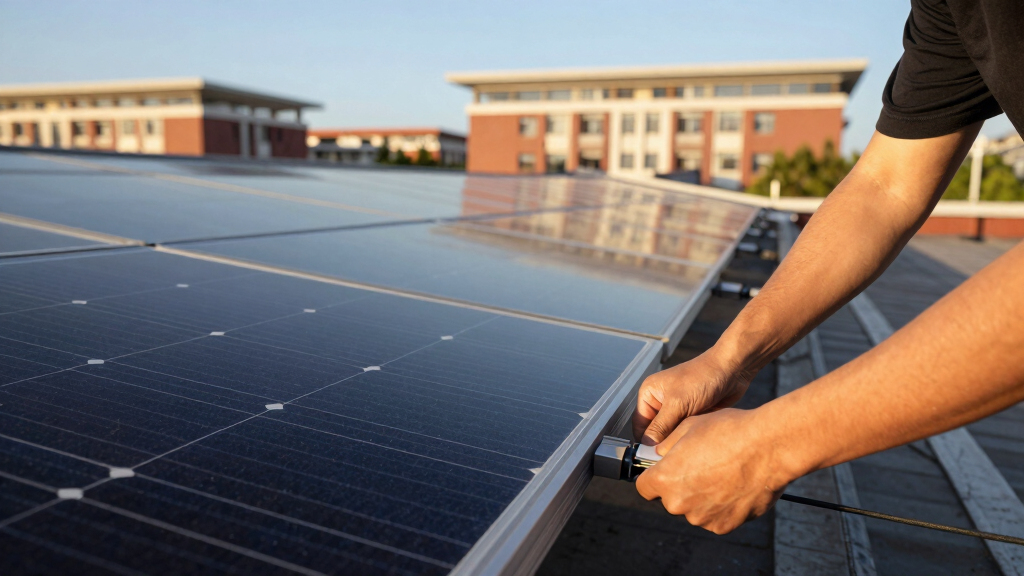
The project involves installing new ground-mount solar arrays southwest of the campus and additional solar canopies over a parking lot near the Polynesian Cultural Center and the Laie Hawaii Temple. Once completed, these installations will cover the university’s entire electricity demand, which was partially met by earlier solar projects.
In 2022, the university completed its first phase, installing rooftop solar panels, solar carports, and energy storage systems that supplied 39% of its energy needs. The second phase aims to bridge the remaining gap, making the campus fully reliant on solar energy. The project also includes an energy storage system capable of providing up to five days of emergency backup for critical services, according to BYU-Hawaii officials.
The initiative extends beyond the university, with plans to supply renewable energy to the adjacent Polynesian Cultural Center and the Laie Hawaii Temple, further expanding the region’s renewable energy footprint.
Implications for Hawaii’s Renewable Energy Goals
This development marks a significant step toward Hawaii’s broader renewable energy ambitions, demonstrating a successful model of campus-wide solar integration. Achieving 100% solar power at BYU-Hawaii could influence other institutions and communities to pursue similar projects, helping the state reduce reliance on fossil fuels and meet its climate commitments.
Additionally, the inclusion of energy storage enhances resilience against power outages, which is vital for critical facilities in Hawaii, especially given the region’s vulnerability to natural disasters and grid disruptions.

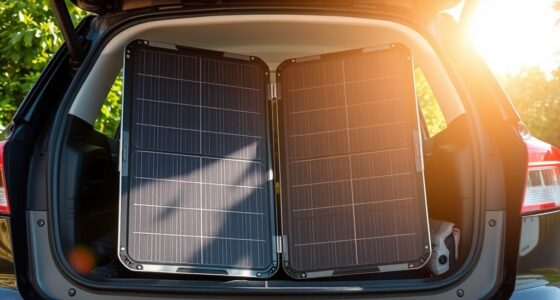
ECO-WORTHY Upgraded Solar Ground Mount Adjustable Multi-Pieces Solar Panel Mounting Brackets Kit System for 4pcs 200W/3pcs 300W/2pcs 400W Solar Panels for Ground,Open Space, Cabins and Backyard Sheds
[Strong Adaptability] ECO-WORTHY Mounting Bracket is 118"Lx39"W In. the front and rear pillars are 5.9 in higher, the…
As an affiliate, we earn on qualifying purchases.
As an affiliate, we earn on qualifying purchases.
Progression of Solar Initiatives at BYU-Hawaii
In 2022, BYU-Hawaii installed three rooftop solar projects, five solar carports, and a 7 MWh energy storage system, which collectively supplied 39% of the campus’s energy needs. The university’s commitment to renewable energy has been ongoing, with the second phase representing a key milestone in its sustainability efforts.
The new phase builds on previous installations, aiming to fully meet the campus’s energy demands through solar power. The project aligns with Hawaii’s statewide goal to reach 100% renewable energy by 2045 and reflects the increasing adoption of solar technology in the region.
“This project will enable us to operate entirely on renewable energy, setting an example for other institutions in Hawaii.”
— an anonymous university official
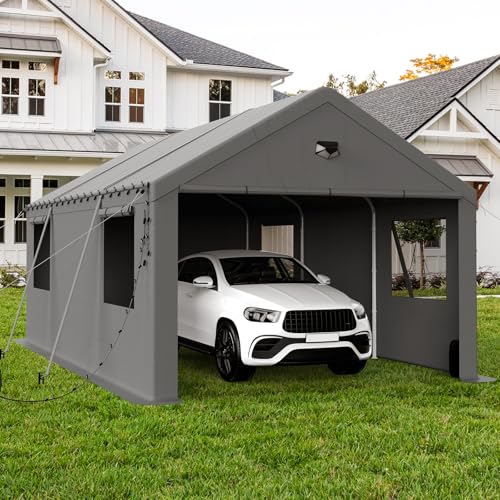
Benass 12×20 FT Heavy Duty Carport Canopy, Drive-Through Portable Garage with Roll-up Doors, Screened Windows, Removable Sidewalls, All-Weather Waterproof Shelter for SUV, Boat & Outdoor Storage
Drive-Through Convenience: Featuring a 12'W x 20'L x 9.9'H design with dual roll-up doors, this carport allows you…
As an affiliate, we earn on qualifying purchases.
As an affiliate, we earn on qualifying purchases.
Remaining Steps and Potential Challenges
It is not yet clear when the entire project will be completed or how the final costs will be managed. Details about the project’s timeline, funding, and integration with existing infrastructure are still emerging. Additionally, the impact of potential regulatory or environmental hurdles remains uncertain.
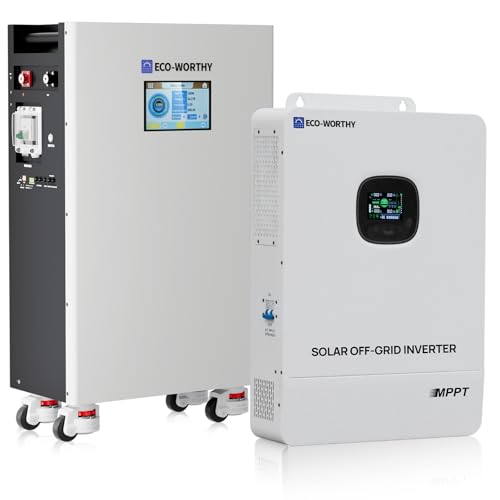
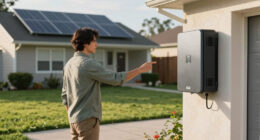
ECO-WORTHY Powermega 48V 314Ah LiFePO4 Energy Storage System with 10kW Hybrid Inverter, Active Balancing BMS, Built-in Bluetooth&WiFi, Communication Support for Home Backup, Emergency Power, Off-Grid
High-Capacity Home Energy Storage: This system pairs a 10kW hybrid inverter with a 48V 314Ah LiFePO4 battery, delivering…
As an affiliate, we earn on qualifying purchases.
As an affiliate, we earn on qualifying purchases.
Next Milestones and Project Timeline
The university plans to begin installation of the new solar arrays and canopies later this year, with completion expected within the next 12 to 18 months. Once operational, the full transition to 100% solar power will be officially achieved, potentially setting a regional benchmark for renewable energy adoption.
Further updates from BYU-Hawaii are anticipated as construction progresses and operational data becomes available, providing insights into the project’s impact and scalability.

YELOMIN 38800mAh Solar Power Bank, Portable Charger USB-C Fast Charging Compatible with iPhone Samsung, Dual LED Flashlight Battery Pack, 3 Output Backup Charger for Camping Hiking Outdoor Emergency
38800mAh Massive Capacity & Durable Weatherproof Design: This solar power bank is built with heat-dissipating materials, ensuring safe…
As an affiliate, we earn on qualifying purchases.
As an affiliate, we earn on qualifying purchases.
Key Questions
When will the second phase of the solar project be completed?
The university expects to complete the second phase within 12 to 18 months after construction begins later this year.
How much of the university’s energy needs will be supplied by the new solar installations?
Once finished, the new solar project will cover 100% of the university’s electrical energy demand.
Will the project benefit other nearby facilities?
Yes, the project will extend renewable energy services to the Polynesian Cultural Center and the Laie Hawaii Temple, supporting regional sustainability efforts.
What role does energy storage play in the project?
The project includes an energy storage system capable of providing up to five days of emergency backup for critical services, enhancing resilience against outages.
Are there any environmental or regulatory challenges expected?
Details about potential challenges are still emerging; the project team has not publicly identified specific hurdles at this stage.
Source: Solar Power World