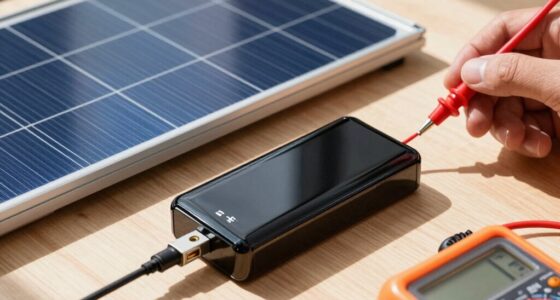

Anti-reflective coatings on solar modules are key to boosting their efficiency by reducing light reflection and allowing more sunlight to reach the cells. These coatings improve light transmission, ensuring your panels generate more energy. Durable and resistant to environmental factors, high-quality coatings help maintain performance over time. By choosing the right coating, you can maximize your system’s output. Keep exploring to discover how these coatings can make your solar setup perform even better.
Key Takeaways
- Anti-reflective coatings reduce surface reflection, allowing more sunlight to pass through and improve solar module efficiency.
- Properly applied coatings maximize light transmission, leading to higher energy output from photovoltaic cells.
- High-quality coatings are designed for durability, resisting UV, weather, and environmental factors to sustain long-term performance.
- These coatings utilize thin film technology with destructive interference to minimize reflection and maintain clarity over time.
- Resilient coatings ensure consistent performance across various climates, enhancing system reliability and maximizing return on investment.
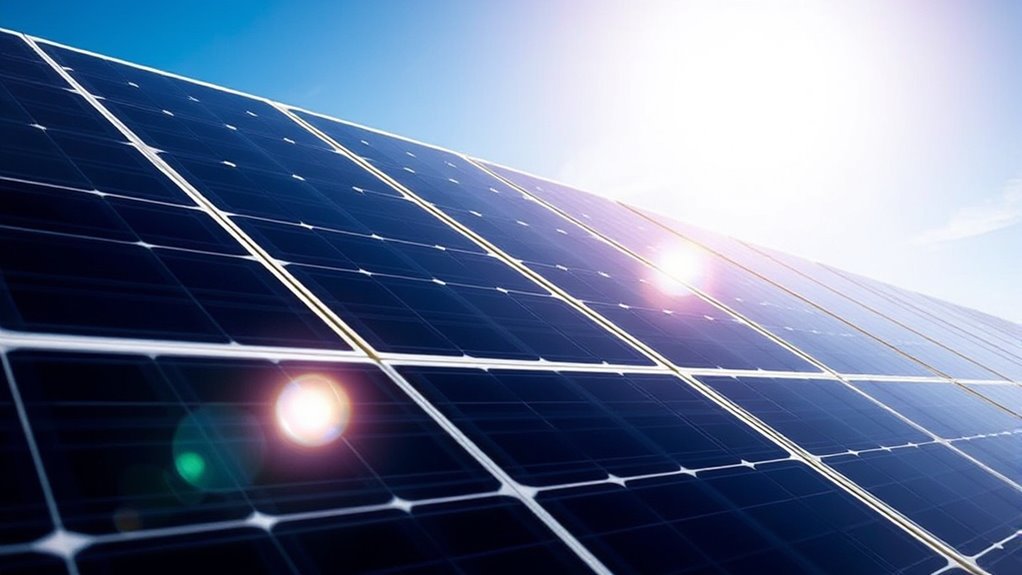
Anti-reflective coatings have become vital for enhancing the efficiency of solar modules. When sunlight hits your solar panels, a significant portion of it can be lost due to reflection off the surface. Without proper treatment, up to 30% of incoming light may be reflected away, reducing the amount of energy your system can generate. Applying an anti-reflective coating addresses this issue by minimizing these reflections, allowing more light to pass through the panel’s surface and reach the photovoltaic cells. This increase in light transmission directly boosts the overall energy output of your solar system.
However, simply having an effective coating isn’t enough; coating durability plays a key role in maintaining long-term performance. A high-quality anti-reflective coating must withstand environmental stressors such as UV radiation, temperature fluctuations, moisture, and dust. If the coating deteriorates quickly, the benefits of improved light transmission diminish over time, leading to decreased efficiency and increased maintenance costs. Consequently, selecting a coating with excellent durability ensures that your solar panels maintain ideal performance over years of exposure. Durability also affects the coating’s resistance to scratches, chemical reactions, and weather-related wear, all of which can compromise its ability to reduce reflections and transmit light effectively.
The best anti-reflective coatings are engineered with advanced materials that provide both high light transmission and exceptional durability. These coatings typically feature a thin film designed to create destructive interference for reflected light, effectively canceling it out. This technology not only enhances the amount of sunlight entering the cells but also maintains clarity and transparency over time. When you invest in high-quality coatings, you benefit from sustained performance, fewer replacements, and a better return on your investment.
Furthermore, modern coating formulations are increasingly resistant to environmental degradation, making them suitable for various climates and installation conditions. Whether your panels are installed in a sunny, arid desert or a humid coastal area, a resilient anti-reflective coating will continue to perform well, preserving maximum light transmission. This resilience ensures your solar modules operate at peak efficiency, providing clean energy consistently. Additionally, understanding the durability of coatings helps in selecting options that will maintain their properties longer, thereby optimizing your system’s overall efficiency over the lifespan.

Solar Panel Coating | Anti Dust | Self-Cleaning | Anti-Soiling | Anti-Snow | Hydrophobic | Graphene Infused | Anti-Abrasion | Protection up to 5YRS | 10H Hardness | Eco-Friendly | Ceramic Coating
✅Maximizes solar power generation by enhancing sunlight penetration and preventing power losses from dust and dirt accumulation.
As an affiliate, we earn on qualifying purchases.
As an affiliate, we earn on qualifying purchases.
Frequently Asked Questions
How Long Do Anti-Reflective Coatings Typically Last on Solar Modules?
Anti-reflective coatings on solar modules typically last between 10 to 15 years, depending on coating durability and environmental impact. You’ll want to monitor for signs of wear, such as reduced efficiency or haze. Proper installation and routine cleaning can extend their lifespan. Keep in mind, harsher environments like coastal areas or high pollution zones may shorten coating durability, so choosing high-quality coatings suited to your environment is essential for maximizing performance.
Are Anti-Reflective Coatings Environmentally Friendly and Recyclable?
You might find it surprising, but anti-reflective coatings are increasingly eco-friendly and recyclable. Manufacturers now focus on eco-friendly manufacturing and materials that support recycling processes, reducing environmental impact. These coatings are designed to be safe and sustainable, aligning with global efforts to minimize waste. When properly recycled, they contribute to a circular economy, ensuring solar technology remains a green, long-lasting solution for clean energy.
Can Anti-Reflective Coatings Be Applied to Existing Solar Panels?
Yes, you can apply anti-reflective coatings to existing solar panels through retrofit options. This process enhances their efficiency by reducing reflection and increasing light absorption. Keep in mind that coating durability varies depending on the product and application method, so choose a high-quality, weather-resistant coating. Proper surface preparation ensures better adhesion, and professional application helps maximize the benefits without damaging your panels.
How Do Anti-Reflective Coatings Perform in Extreme Weather Conditions?
Imagine a clear sky battling fierce storms—that’s how anti-reflective coatings perform in extreme weather. They undergo rigorous durability testing to withstand harsh conditions like heavy rain, hail, and intense sun. When applied correctly, these coatings protect your solar panels, maintaining efficiency and clarity. You can trust that with proper coating applications, your solar modules will endure even the most severe weather, ensuring long-lasting performance and energy production.
Do Anti-Reflective Coatings Affect the Maintenance Requirements of Solar Modules?
Anti-reflective coatings can reduce your cleaning frequency because they minimize dirt accumulation and make modules less prone to grime buildup. This means you’ll spend less time maintaining your solar panels, as dirt and dust are less likely to stick. Plus, the coatings help water rinse off more effectively during rain, keeping your modules cleaner longer, ultimately lowering your maintenance efforts and keeping your system running efficiently.
Solar Panel Coating | Anti Dust | Self-Cleaning | Anti-Soiling | Anti-Snow | Hydrophobic | Graphene Infused | Anti-Abrasion | Protection up to 5YRS | 10H Hardness | Eco-Friendly | Ceramic Coating
✅Maximizes solar power generation by enhancing sunlight penetration and preventing power losses from dust and dirt accumulation.
As an affiliate, we earn on qualifying purchases.
As an affiliate, we earn on qualifying purchases.
Conclusion
Think of anti-reflective coatings as the unseen guardian of your solar modules, quietly capturing the sunlight that would otherwise slip away. With each shimmering ray, they symbolize hope and innovation—transforming fleeting light into steady energy. By embracing these coatings, you’re not just improving efficiency; you’re joining a movement toward a brighter, sustainable future. Let this subtle layer remind you that sometimes, the smallest changes hold the power to illuminate the world.
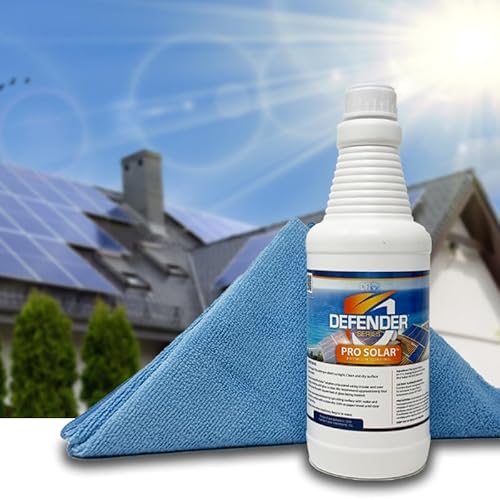
Diamon-Fusion Pro Solar Coating
HYDROPHOBIC COATING AND SPRAY FOR SOLAR PANELS. Seals solar panel, keeping it cleaner for longer. Protects against stains,…
As an affiliate, we earn on qualifying purchases.
As an affiliate, we earn on qualifying purchases.
Solar Panel Coating | Anti Dust | Self-Cleaning | Anti-Soiling | Anti-Snow | Hydrophobic | Graphene Infused | Anti-Abrasion | Protection up to 5YRS | 10H Hardness | Eco-Friendly | Ceramic Coating
✅Maximizes solar power generation by enhancing sunlight penetration and preventing power losses from dust and dirt accumulation.
As an affiliate, we earn on qualifying purchases.
As an affiliate, we earn on qualifying purchases.