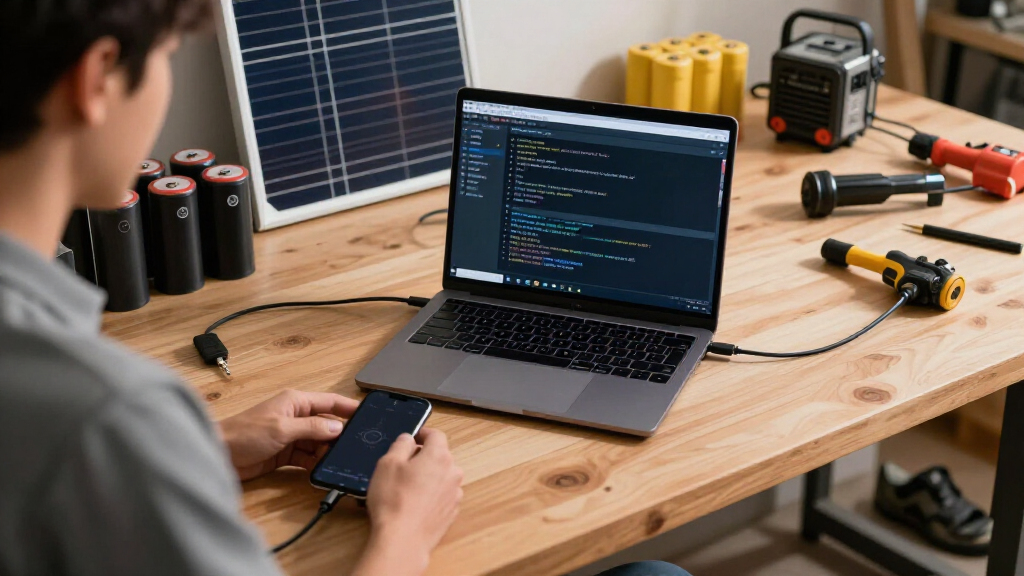

TL;DR
A tech enthusiast has announced they are switching their smartphone from Android to a Linux-based operating system. This marks a notable shift towards open-source mobile platforms, though the move remains personal and experimental. The development highlights growing interest in alternative mobile OS options.
A user has publicly announced they are replacing their Android smartphone with a device running a Linux-based operating system, marking a notable step in the open-source mobile movement. This decision reflects a broader interest in alternative mobile platforms and could influence other users considering similar transitions.

Get backup power and energy gear delivered free with Prime
- Fast, free delivery on millions of items
- Prime Video, Amazon Music and more included
- Member-only deals all year
The individual, identified as a tech enthusiast and open-source advocate, shared their experience on social media, stating they have switched to a Linux-based OS on their smartphone. The device is reportedly running a community-developed mobile Linux distribution, such as PostmarketOS or Ubuntu Touch.
While the user confirmed the switch and shared initial impressions, they emphasized that the transition is experimental and not yet suitable for everyday use due to limitations in app compatibility and hardware support. The move aligns with a growing niche of users seeking more control over their devices and privacy.
Implications of Personal Adoption for Open-Source Mobile Platforms
This development underscores a rising interest among tech-savvy users in adopting open-source mobile operating systems. If more individuals follow suit, it could accelerate the push for broader hardware support and app ecosystem development, potentially challenging dominant platforms like Android and iOS.
Furthermore, it highlights ongoing efforts within the open-source community to create viable alternatives that prioritize user control, security, and transparency. The move also raises questions about mainstream adoption and the future of mobile OS diversity.
Products Worth Considering

Levoit Vital 100S-P Air Purifier with Washable Pre-Filter

Philips Hue Play Floor Lamp, RGBWWIC LED, 53 Inch, Black

Shark PowerPro Reveal Plus Cordless Stick Vacuum, Charcoal (IZ376H)
As an affiliate, we earn on qualifying purchases.
Growing Interest in Linux-Based Mobile Operating Systems
Over the past few years, projects such as PostmarketOS, Ubuntu Touch, and Plasma Mobile have aimed to create Linux-based alternatives for smartphones. While these efforts have attracted a niche audience, mainstream adoption remains limited due to hardware compatibility issues and app ecosystem constraints.
The recent personal switch by this user is part of a broader trend of enthusiasts experimenting with such platforms, often driven by concerns over privacy, customization, and software freedom. Historically, Android and iOS have dominated the market, with open-source options remaining largely experimental.
“I’m switching my phone from Android to Linux. It’s still early days, but I want to see how feasible it is for daily use.”
— the user, via social media
Limitations and Challenges of Switching to Linux Mobile OS
It is not yet clear how well the Linux-based OS performs for everyday tasks, especially regarding app compatibility, hardware support, and network stability. The user has reported some issues but has not detailed long-term usability or battery life impacts. Broader adoption faces significant technical and ecosystem hurdles that remain unresolved.
Expected Developments and Community Response to Personal Switch
The user plans to continue testing the Linux mobile OS over the coming weeks, documenting their experience. Their feedback could influence ongoing development efforts and inspire others to experiment. Developer communities may respond by improving hardware support and expanding app compatibility, but widespread adoption remains uncertain in the near term.
Key Questions
Why are some users switching from Android to Linux-based mobile OS?
Many are motivated by desires for greater control over their devices, improved privacy, open-source principles, and avoiding proprietary ecosystems.
What are the main challenges of using Linux on smartphones?
Key challenges include limited hardware support, lack of mainstream app availability, and the need for technical expertise to troubleshoot issues.
Can Linux-based mobile OS replace Android for everyday use?
Currently, it is not yet feasible for most users due to hardware and app ecosystem limitations, but ongoing development may improve viability over time.
Will this personal switch influence broader adoption of Linux mobile OS?
While individual cases can inspire others, widespread adoption depends on significant improvements in hardware compatibility and app ecosystems, which remain in progress.
What should users consider before switching to a Linux mobile OS?
Users should evaluate hardware compatibility, understand the technical support available, and be prepared for a potentially limited app ecosystem and ongoing troubleshooting.
Source: hn