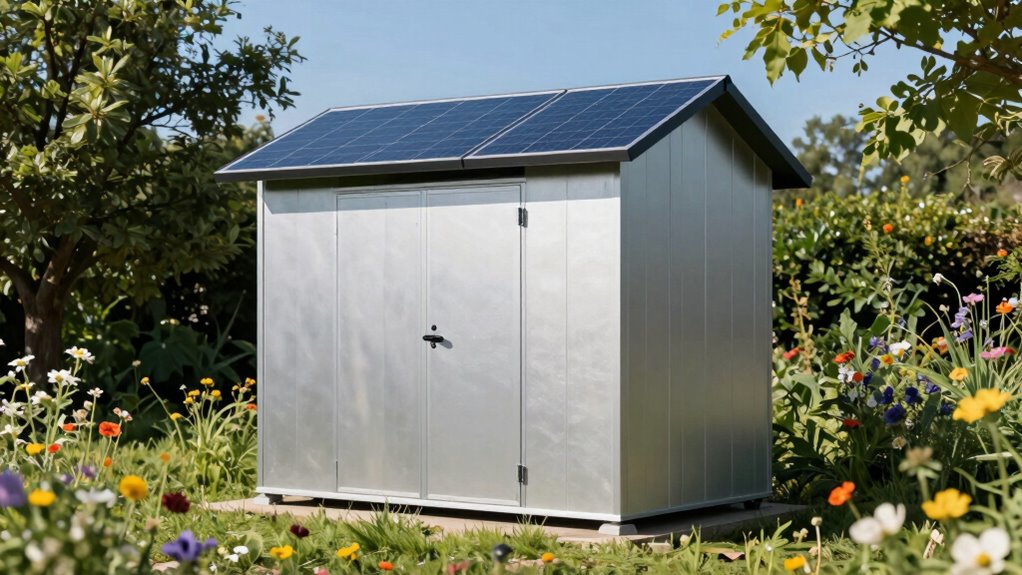

Remote shed solar systems are more useful than many homeowners realize. They provide reliable, clean energy without needing a grid connection, making your shed self-sufficient. With proper maintenance, you can power lighting, tools, and small appliances efficiently and save on energy costs. Battery options ensure backup power during cloudy days or at night. To maximize your system’s potential and discover smart ways to enhance your setup, keep exploring how these solutions can transform your space.

Get backup power and energy gear delivered free with Prime
- Fast, free delivery on millions of items
- Prime Video, Amazon Music and more included
- Member-only deals all year
Key Takeaways
- Solar power enables remote sheds to operate independently without relying on grid connections.
- Proper maintenance and inspection ensure optimal solar panel efficiency and longevity.
- Battery storage options provide reliable backup power for lighting and tools during cloudy days or at night.
- System scalability allows homeowners to expand or upgrade their solar setup as energy needs grow.
- Sustainable practices and energy management maximize system lifespan and reduce environmental impact.
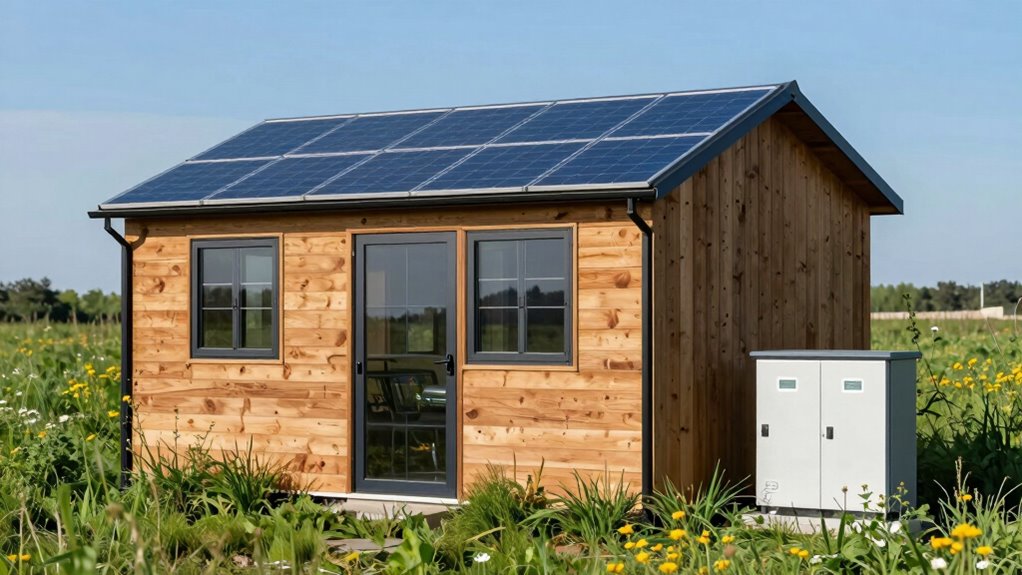
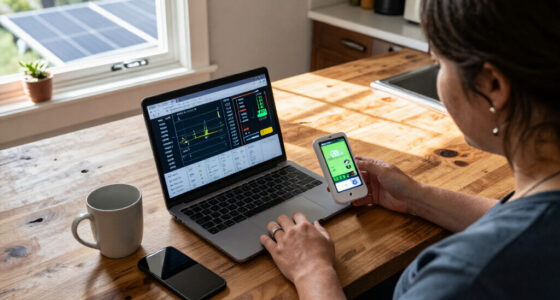
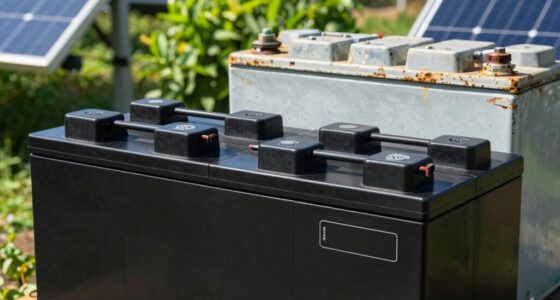
Ever wondered how to keep your remote shed powered without relying on traditional electricity sources? Solar power offers a practical and efficient solution, even for structures that seem too far from grid connections. By installing a solar panel system, you can generate clean energy right where you need it, making your shed more functional without adding to your energy bills. The key to long-lasting, reliable power lies in understanding solar panel maintenance and exploring the best battery storage options. Regularly inspecting your solar panels ensures they stay free of dirt, debris, and snow, which could block sunlight and reduce efficiency. Cleaning the panels with a soft brush or cloth and checking for any signs of damage or corrosion helps maintain peak performance. Most solar panels are quite durable, but keeping an eye on their condition prevents minor issues from turning into costly repairs. When it comes to battery storage options, you want to choose a system that matches your energy needs and provides enough backup power when the sun isn’t shining. Lithium-ion batteries are popular because they pack a lot of power into a small space, last longer, and require less maintenance than older lead-acid models. You might also consider hybrid solutions that combine different batteries or integrate with portable power units, giving you flexibility based on your usage patterns. This way, your shed can operate smoothly even during cloudy days or at night, guaranteeing you have a steady supply of electricity for lighting, tools, or small appliances. Installing a reliable solar system isn’t just about the initial setup; ongoing maintenance and smart storage choices are vital to maximizing your investment. Keep your panels clean and monitor their output regularly — most systems come with monitoring apps or devices that make this process straightforward. When selecting batteries, think about the capacity you’ll need based on what you plan to run in your shed. If you’re using power tools, lighting, or small equipment, a smaller battery bank might suffice. But if you expect to operate more energy-intensive devices, investing in higher-capacity batteries will give you peace of mind. Overall, a well-maintained solar panel setup paired with the right battery storage can transform your remote shed into a self-sufficient, eco-friendly space. Not only does this reduce your reliance on the grid, but it also empowers you to enjoy the benefits of renewable energy, even in the most isolated locations. Understanding biodiversity and conservation can further enhance your sustainable living practices by promoting eco-friendly choices in your setup and usage. Paying attention to solar panel efficiency and optimizing your system can significantly improve energy output and overall performance. Additionally, considering system scalability can help you adapt your setup as your energy needs change over time. Incorporating sustainable practices like eco-friendly materials and responsible energy use can further extend the lifespan and effectiveness of your solar system. Exploring energy management strategies can also help you make the most of your stored power and reduce waste.
Products Worth Considering

Ring Alarm 8-Piece Home Security System Kit

Ring Alarm 5-Piece Home Security Kit

Philips Hue Bridge Pro Starter Kit with 4 A19 E26 Color Smart Bulbs
As an affiliate, we earn on qualifying purchases.
Frequently Asked Questions
How Much Does Remote Shed Solar Installation Typically Cost?
A remote shed solar installation typically costs between $1,500 and $4,000, depending on size and energy needs. When you compare costs, remember to weigh the long-term energy efficiency benefits, which can lower your utility bills. The cost comparison often favors solar, especially if your shed is used frequently. Investing in solar power makes your remote shed more sustainable and can pay off over time through reduced energy expenses.
What Maintenance Is Required for Remote Shed Solar Systems?
You’ll find remote shed solar systems need minimal maintenance—around 1-2 hours annually. Solar panel durability is impressive, often lasting 25+ years with little degradation, while batteries usually require periodic checks and occasional replacements every 5-10 years. Keep panels clean and free of debris, and monitor battery health regularly to guarantee efficient energy output. Proper maintenance extends system longevity, making remote shed solar a reliable, low-effort energy solution.
Can Remote Shed Solar Power Be Used During Winter?
Yes, you can use remote shed solar power during winter. Even with shorter winter sunlight hours, the system still generates energy, especially if you have sufficient energy storage. Properly sized batteries store excess power for cloudy days, ensuring continuous use. Keep your panels clear of snow and debris to maximize sunlight absorption, and you’ll find your remote shed solar system remains effective throughout winter months.
How Long Do Remote Shed Solar Batteries Last?
Think of your remote shed solar batteries as sturdy guardians, standing watch for years. Typically, their lifespan ranges from 5 to 15 years, depending on usage and maintenance. With solar panel durability ensuring consistent energy capture, your batteries can serve you reliably, weathering seasonal shifts and daily demands. Proper care extends their life, turning your solar setup into a long-lasting, energy-generating partnership that keeps your shed powered through the seasons.
Is Professional Installation Necessary for Remote Shed Solar?
You don’t necessarily need professional installation for remote shed solar, but a DIY approach can work if you’re comfortable with basic wiring and safety procedures. However, a professional assessment is recommended to guarantee your setup is efficient and safe. They can help optimize panel placement, wiring, and system integration, minimizing potential issues down the line. Ultimately, professional guidance can save you time and ensure your solar system performs reliably.
Conclusion
Installing solar in your remote shed isn’t just a good idea—it’s a game-changer. With over 60% of rural homeowners reporting reliable energy thanks to solar setups, you can enjoy lights, power tools, and even small appliances without the hassle of grid access. Imagine working late into the evening or maintaining your hobby without interruption. Embracing solar for your shed makes your remote space more functional, saving you money and giving you peace of mind wherever your property is.