When using portable stations in national parks, you need to secure proper permits, follow access restrictions, and respect environmental and cultural protections. Make certain you identify designated zones and coordinate with park authorities before setting up. You’ll also want to meet safety standards and carry liability insurance. Complying with federal, state, and park-specific laws helps avoid fines or removal. To understand all legal requirements and ensure your project stays lawful, continue exploring these important considerations.
Key Takeaways
- Obtain all necessary permits from park authorities before installing portable stations.
- Ensure station placement complies with access restrictions and designated zones.
- Adhere to environmental and cultural protection regulations to prevent habitat or site damage.
- Maintain liability insurance and follow safety standards during station operation.
- Stay updated on legal requirements to ensure ongoing compliance and project sustainability.
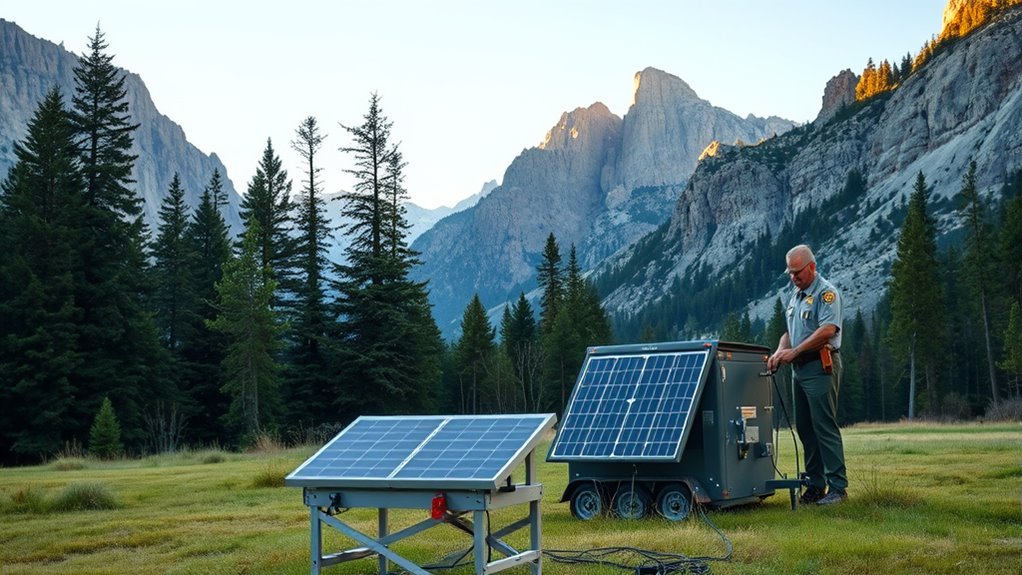
Have you ever wondered what legal factors you need to contemplate before moving forward with a project or decision? When it comes to using portable stations in national parks, understanding the legal landscape is essential. One of the first considerations is ensuring you meet all permitting requirements. Most national parks have strict regulations that govern the installation and operation of portable stations, especially if your project involves infrastructure that could impact the environment or park visitors. You’ll need to apply for the appropriate permits from the managing agency, such as the National Park Service. These permits typically specify where you can set up your station, the duration of your project, and any environmental or safety standards you must meet. Failing to obtain the necessary permits can lead to fines, removal orders, or even legal action, so it’s vital to start this process early.
Another critical aspect to consider is access restrictions. National parks often have designated zones where certain activities are prohibited or limited to protect natural resources and visitor experiences. You might find that some areas are off-limits to portable stations altogether, especially those that are environmentally sensitive or culturally significant. Even within permitted zones, there could be restrictions on the size, placement, or operational hours of your station. These access restrictions are put in place to minimize human impact, prevent habitat disruption, and preserve the park’s integrity. Before setting up, you should thoroughly research the specific regulations for the park you’re working in, and coordinate with park authorities to ensure your plans align with their guidelines.
Beyond permits and access restrictions, it’s also wise to consider other legal responsibilities, such as liability insurance, safety standards, and compliance with federal, state, and local laws. Many parks require proof of insurance to cover potential damages or accidents related to your portable station. Neglecting these legal obligations can jeopardize your project and lead to costly setbacks. It’s equally important to stay informed about any updates or changes in park policies, as regulations can evolve over time. Additionally, understanding regulatory compliance helps ensure your project remains lawful and environmentally responsible throughout its duration.
Ultimately, understanding and respecting the legal framework surrounding portable stations in national parks isn’t just about avoiding penalties; it’s about ensuring your project is sustainable, respectful, and compliant. By thoroughly researching permitting requirements and access restrictions, and maintaining open communication with park authorities, you’ll set a solid foundation for your project’s success while protecting the natural beauty and resources of the park.

SereneLife Portable Camping Sink – Hand Washing Station with Foot Pump, 17L Fresh Water Tank, 24L Waste Tank, Soap Dispenser, Rolling Wheels & Quick Assembly for RV, Outdoor Events & Job Sites
- Large Fresh Water Capacity: 17L fresh water tank
- Ample Waste Storage: 24L waste tank
- Portable and Easy Setup: No plumbing or electricity needed
As an affiliate, we earn on qualifying purchases.
As an affiliate, we earn on qualifying purchases.
Frequently Asked Questions
Are Portable Stations Allowed in All National Parks?
You might wonder if portable stations are allowed in all national parks. While they can improve park accessibility and enhance visitor experience, policies vary by park. Some parks permit them to support accessibility needs, while others restrict or regulate their use to protect the environment. It’s crucial to check each park’s specific rules beforehand to guarantee compliance and make your visit enjoyable and safe.
What Permits Are Required to Set up Portable Stations?
You need to check permit requirements before setting up portable stations in national parks. Typically, you must obtain a special permit from the park’s administration, guaranteeing your installation meets specific guidelines. These installation guidelines help protect the environment and ensure safety. Reach out to the park’s management office to clarify the permit process and any additional steps. Following these procedures ensures your station complies with all regulations and avoids potential legal issues.
How Do Portable Stations Impact Park Wildlife?
Imagine a quiet forest suddenly disrupted by a loud, unwelcome visitor. Portable stations can cause wildlife disturbance and habitat disruption, making animals nervous and forcing them away from their natural homes. Your presence and equipment might unintentionally scare, displace, or alter animal behaviors. To protect fragile ecosystems, it’s essential to minimize your impact, keep noise levels down, and respect wildlife when using portable stations in national parks.
Can Portable Stations Be Used During Winter Months?
During winter months, you can use portable stations if they’re designed for winter accessibility and have durable materials. Look for stations that withstand snow, ice, and low temperatures, guaranteeing they won’t break down or become unusable. Properly maintained, these stations provide essential services year-round, helping visitors stay safe and informed. Just make sure to check local regulations and park guidelines to guarantee your portable station complies with winter usage standards.
What Safety Regulations Apply to Portable Stations?
Imagine risking everything because safety regulations are overlooked—scary, right? When using portable stations, you must follow strict safety rules to prevent accidents. You’re responsible for liability concerns, ensuring the stations meet accessibility standards so everyone can use them safely. Double-check local and federal regulations, maintain proper signage, and regularly inspect the stations. Staying compliant isn’t just smart; it’s essential to protect yourself and those who rely on your equipment.

Portable Power Station 300W MARBERO 237Wh Camping Solar Generator Backup Lithium Battery with Pure Sine Wave 110V AC Outlet, USB C, USB A, DC for Outdoors Camping CPAP Home Blackout Emergency
- Latest M82 Series Model: 300W, 237Wh capacity, lightweight design
- Multiple Output Ports: AC, USB, DC for versatile charging
- Built-in LED Lanterns: Adjustable brightness, SOS mode
As an affiliate, we earn on qualifying purchases.
As an affiliate, we earn on qualifying purchases.
Conclusion
As you navigate using portable stations in national parks, remember to respect the rules like a knight guarding his castle. Always stay updated on regulations—think of it as your modern-day “Decree of the Parks.” Ignoring these guidelines could turn your adventure into a legal quagmire, so play by the rules and enjoy your journey responsibly. After all, even Indiana Jones knew that respect for the law keeps the adventure fun and safe!
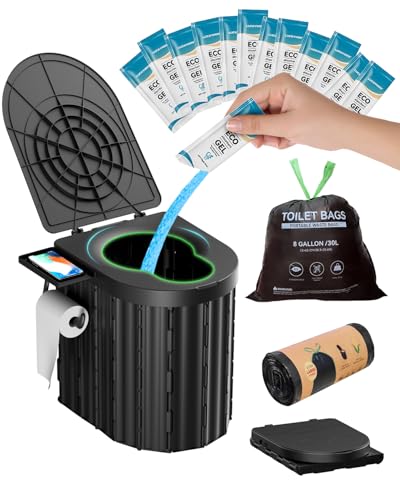
Portable Toilet with Urine Gel & Leak-Proof Bags – Odorless Camping Toilet for Adults & Kids, Outdoor Travel Potty with Ergonomic Design
- Durable ABS Construction: Supports up to 450 lbs with ergonomic seat
- Compact & Lightweight Design: Folds to 13×15.35×2.67 inches, weighs 4.5 lbs
- Includes Carrying Bag: Easy to transport and store
As an affiliate, we earn on qualifying purchases.
As an affiliate, we earn on qualifying purchases.
portable station permits for national parks
As an affiliate, we earn on qualifying purchases.
As an affiliate, we earn on qualifying purchases.