When using solar generators, you need to follow local, state, and federal rules to stay compliant and avoid fines or penalties. Make sure your system meets safety, efficiency, and environmental standards, and obtain any necessary permits, especially for larger or grid-tied setups. Regulations can change, so staying updated helps prevent legal issues and insurance problems. Continuing will help you understand the key legal points to keep your solar generator operation safe and lawful.
Key Takeaways
- Ensure your solar generator complies with local, state, and federal safety, environmental, and efficiency standards.
- Obtain necessary permits and approvals for larger or grid-connected systems from authorities or utility companies.
- Understand the legal distinctions and regulations between portable and permanent or grid-tied solar systems.
- Regularly monitor legislation updates to maintain compliance and avoid penalties or system removal.
- Non-compliance risks include fines, legal penalties, insurance issues, and potential system modifications or removal.

Using solar generators can be an excellent way to power your devices sustainably, but it’s important to understand the legal landscape before making a purchase or installation. One of the first considerations is guaranteeing you meet all regulatory compliance standards set by local, state, and federal authorities. These regulations are in place to guarantee safety, efficiency, and environmental responsibility. Before you buy or install a solar generator, you should research the specific rules that apply to your location. Some regions require certain certifications or approvals to operate solar equipment legally. Failing to comply could result in fines, penalties, or even the need to remove or modify your setup.
Ensure compliance with local regulations before installing your solar generator to avoid fines and legal issues.
Licensing requirements are another vital aspect. In many areas, installing larger solar generators or connecting them to the grid can trigger licensing obligations. You might need permits from local authorities or utility companies to ensure your system is authorized for use. These licenses often involve inspections to verify that your setup adheres to safety standards and electrical codes. Ignoring licensing requirements could compromise your insurance coverage or lead to legal disputes if something goes wrong. It’s wise to consult with local authorities or certified professionals to clarify what licenses or permits are necessary for your specific project.
Furthermore, understanding the legal distinctions between portable solar generators and those intended for permanent installation helps you stay compliant. Portable units are generally less regulated, but permanent or grid-tied systems face more scrutiny. If you plan to connect your solar generator to the grid or use it as part of a backup power system, you’ll likely need to follow additional guidelines. These might include compliance with interconnection standards, safety protocols, and inspections by authorized agencies.
It’s also essential to stay updated on any changes in legislation. Regulations surrounding renewable energy can evolve quickly, especially as new technologies emerge. Being proactive by regularly checking with local authorities or industry groups ensures you remain compliant and avoid legal complications. In some cases, failing to adhere to legal requirements might void warranties or cancel insurance policies, leaving you financially vulnerable in the event of damage or liability. Additionally, understanding the regulatory framework for renewable energy installations can help you anticipate future compliance needs and avoid costly modifications.
solar generator permits and certifications
As an affiliate, we earn on qualifying purchases.
As an affiliate, we earn on qualifying purchases.
Frequently Asked Questions
Are Solar Generators Legal to Use in All Residential Areas?
You can usually use solar generators in residential areas, but zoning restrictions and noise regulations might apply. Check your local rules, as some neighborhoods have limits on outdoor equipment noise or specific zoning laws that could restrict generator use. To avoid issues, guarantee your solar generator complies with these regulations and is operated responsibly. Always verify with your local authorities before installing or using a solar generator in your home.
Do I Need Permits to Install a Solar Generator on My Property?
Most homeowners don’t need permits to install a solar generator, but you should check local zoning regulations first. About 60% of communities have specific rules protecting property rights and defining installation guidelines. You might need a permit if your area has strict zoning laws or if your property has unique restrictions. Always verify with your local building department to make certain you’re compliant and avoid potential fines or delays.
Can Solar Generators Be Used for Medical Devices Legally?
Yes, you can use solar generators for medical devices legally, but you need to guarantee medical device compliance and check insurance coverage considerations first. You should verify that the solar generator supplies consistent power suitable for your device and meets safety standards. Additionally, consult with your insurance provider to confirm coverage. Doing this helps you avoid legal issues and ensures your medical devices operate safely and reliably during power outages.
Are There Restrictions on Portable Solar Generator Usage During Emergencies?
During emergencies, you can generally use portable solar generators freely, but you should check local emergency regulations. Some restricted zones may limit equipment use to prevent interference, so avoid deploying your solar generator there. Always stay informed about emergency rules to verify you’re compliant and safe. Using your solar generator responsibly helps support your needs while respecting restrictions designed to maintain safety and order during crises.
What Legal Liabilities Exist if a Solar Generator Causes a Power Outage?
If your solar generator causes a power outage, you could face legal liabilities, especially if negligence is involved. You might be held responsible for damages or injuries, so having liability insurance can protect you financially. Additionally, using liability waivers can limit your legal exposure by informing others of potential risks. Always guarantee proper installation and maintenance to reduce liability risks and comply with local laws.

Solar Micro Grid Tie Inverter, WVC-1200W MPPT Grid Tie Pure Sine Wave Dc to Ac Solar Grid Tie Micro Inverter Solar & Wind Power Inverter with AC Data Monitoring Display LCD Screen
Premium Material: The inverter is made of aluminum alloy, which is durable, and not easy to rust. You…
As an affiliate, we earn on qualifying purchases.
As an affiliate, we earn on qualifying purchases.
Conclusion
Guiding the legal landscape of solar generators might seem daunting, but it’s crucial to avoid potential pitfalls. By understanding local regulations, permits, and safety standards, you protect yourself from costly surprises—like a storm that could wipe out your entire energy setup. Think of these laws as an invisible shield guarding your solar investment, ensuring your power source remains as reliable as the rising sun. Stay informed, stay compliant, and let your solar journey shine bright and worry-free.

Portable Solar Generator, 300W Portable Power Station with Foldable 60W Solar Panel,110V Pure Sine Wave 280Wh Battery Power Pack with USB DC AC Outlet for Camping Smart Devices RV Van Outdoor-Orange
Portable Generator with 60W Solar Panel Included: with a big battery pack, ZeroKor 300W power stations Generator are…
As an affiliate, we earn on qualifying purchases.
As an affiliate, we earn on qualifying purchases.
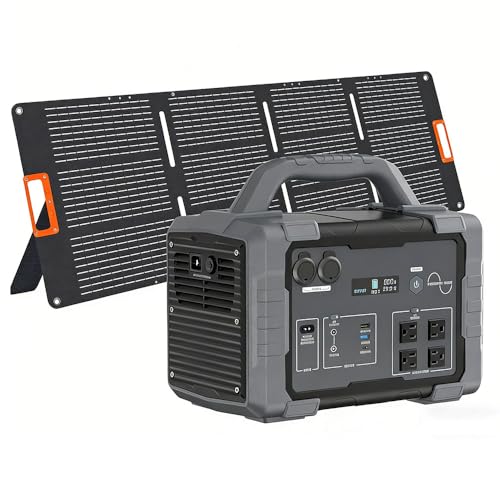
STARYLINE Solar Generator 1800W (3600W Surge) with 200W Solar Panel, 1024Wh LiFePO4 Portable Power Station Kit, 1.5H AC Fast Charge, Clean Energy for Home Backup, RV Camping, Emergency Outages
⚡ 1800W POWER ON THE GO: Experience true 1800W continuous AC output (3600W Surge). This heavy-duty solar generator…
As an affiliate, we earn on qualifying purchases.
As an affiliate, we earn on qualifying purchases.