TL;DR

Get backup power and energy gear delivered free with Prime
- Fast, free delivery on millions of items
- Prime Video, Amazon Music and more included
- Member-only deals all year
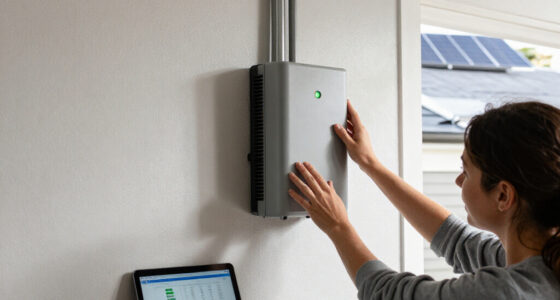
UK certification body MCS is consulting on a dedicated product standard for battery storage systems used in residential and commercial and industrial installations. Proposals include safety testing, performance disclosures and cybersecurity requirements, but the final rules and implementation timetable have not been set.
MCS is consulting on a new UK product standard for battery storage that could require manufacturers serving residential and commercial and industrial (C&I) markets to meet specified safety, cybersecurity and performance requirements. The certification body says the proposal addresses the absence of a battery product standard equivalent to the one already used for solar panels; the final requirements and start date remain undecided.
The proposed standard would cover AC-coupled battery systems, including arrangements where batteries and inverters are housed together or in close-coupled enclosures, as well as DC-coupled battery packs, with or without an integrated battery management system. MCS is consulting with manufacturers, industry representatives and a technical working group as it develops the requirements.
Safety proposals include meeting IEC 62619-2022, which covers safety for specified secondary lithium cells and batteries, and UN 38.3, the transport safety standard for lithium metal, lithium-ion and sodium-ion batteries. Integrated battery-and-inverter products could also face requirements for power-converter safety and electromagnetic compatibility. For products with wireless connectivity, the proposal references information technology security requirements and the IoT cybersecurity standard ETSI EN 303 645.
The consultation also considers baseline cybersecurity measures such as no default passwords, secure software updates, vulnerability handling and protected communications between the battery, inverter and any associated cloud service or mobile app. Manufacturers could be required to declare performance information including nominal and, where relevant, usable energy capacity, input and output power, round-trip efficiency and expected service life. These are proposals, not confirmed final obligations.
A Certification Gap for Batteries
A dedicated product standard could give installers and buyers a more consistent basis for checking battery products, while extending product-level scrutiny to a market that has so far relied on installation certification without an equivalent MCS battery product standard. Third-party verification and common performance declarations may help users compare products and understand what capacity and output manufacturers claim.
The cybersecurity elements matter because connected storage systems can communicate with inverters, apps and cloud services. The proposal would make security practices part of product evaluation for relevant devices, rather than treating connectivity as a separate concern. The requirements could also affect manufacturers’ testing, documentation and certification processes. However, the Energy Storage Association (ESA) has said many products already undergo extensive factory testing, and the eventual burden will depend on the final standard and its implementation.
Products Worth Considering

Ring Alarm 8-Piece Kit (2nd Gen) Home Security System

Ring Alarm 14-Piece Wireless Security System

Ring Alarm 5-Piece Wireless Security System
As an affiliate, we earn on qualifying purchases.
Solar Rules Set a Precedent
MCS already operates a solar product standard as well as installation standards for solar and battery storage. Under current arrangements described in the source report, homeowners seeking access to solar export tariffs need a certified installation using certified modules. Solar panels seeking MCS product certification must demonstrate testing against relevant technical standards, maintain factory production controls and undergo ongoing surveillance.
MCS introduced its battery storage installation standard in 2020. The new proposal concerns the product itself, not just the quality of the installation. Ted Woodward, MCS technical manager for electric, told ESS News that the organization began developing it to meet the needs of installers and the industry as the market grows. MCS says battery systems are being installed through its scheme in greater numbers, and that the market has matured enough to consider a dedicated product standard.
“With more battery storage systems installed through the scheme than ever before, the market has now matured to a point where it is the right time to introduce a dedicated product standard.”
— Ted Woodward, speaking to ESS News
Final Rules Are Still Open
The consultation has not produced a final standard. MCS has not confirmed which proposed requirements will be adopted, how certification will be assessed in practice or when the rules will take effect. The source report says the standard could include factory inspections and tighter cybersecurity rules, but those measures should not be treated as settled obligations.
The scope and evidence needed for certification, including how existing testing or third-party audits may be recognized, also remain open. The ESA expects many products on the UK market may already meet relevant requirements, but that is the association’s assessment, not a completed market-wide compliance finding. MCS has said certified installers will receive a transition period, but has not specified its duration; it plans to link that period to having an “adequate number” of products available, without defining that threshold in the reported material.
Responses Due in November
Stakeholders can respond to the MCS consultation by 11:59 p.m. on Nov. 10, 2026. MCS is gathering views from manufacturers, installers and other industry participants before settling the product standard. The next public milestones will depend on the outcome of that process.
MCS has not provided an implementation date. It has said a transition period will apply to MCS-certified installers, but the length and practical arrangements remain unconfirmed. Until the consultation closes and the final text is published, manufacturers and buyers should treat the listed safety, cybersecurity and performance measures as proposals rather than final UK certification rules.
Key Questions
Who is developing the proposed UK battery product standard?
MCS, a UK certification body, is consulting with industry stakeholders, including manufacturers and a technical working group, on the proposed standard.
What types of battery systems could the standard cover?
The proposal covers AC-coupled systems and DC-coupled battery packs, including systems with or without an integrated battery management system. The final scope has not been confirmed.
What requirements are being considered?
Proposals include battery safety and transport standards, cybersecurity protections for connected products, and declarations of performance such as energy capacity, power, efficiency and expected service life. These are still under consultation.
When is the consultation deadline?
MCS has set a response deadline of 11:59 p.m. on Nov. 10, 2026.
When would the new standard take effect?
No implementation date has been confirmed. MCS says certified installers will have a transition period, but has not announced its length or the details of the rollout.
Source: ess-news.com